Corrugated Box Maker: How to Find and Vet the Right Supplier
A sourcing guide to corrugated box makers: how boxes are made, which flute type fits your product, pricing ranges, and how to verify a supplier before ordering.
Sep 23, 2026
Find verified suppliers on Tawaf
Create Free Account
Not every wholesaler sells the same way.
Product wholesalers are B2B suppliers who sell goods in bulk to retailers, distributors, and other businesses rather than individual consumers. They buy from manufacturers at volume pricing, then resell in smaller (but still bulk) quantities, typically with minimum order quantities from 50 to 5,000 units depending on the product category.
Every retail business runs on a wholesale relationship somewhere upstream. A boutique selling dresses, a salon stocking hair extensions, a grocer carrying packaged food: all of them depend on a wholesaler who can deliver the right product, at the right price, on a schedule they can plan around.
The problem is that "wholesaler" covers wildly different businesses depending on the product category. A jewelry wholesaler and a food wholesaler solve different problems, work with different margins, and carry different risks. Sourcing decisions that work in one category can fail in another.
This guide breaks down the main product wholesale categories, explains how to evaluate a supplier before you commit, and links to category-specific sourcing guides for the categories buyers ask about most.
The highest-activity wholesale product categories are fashion and apparel, beauty and personal care, food and beverage, jewelry and accessories, and home and craft goods. Each category has its own supplier concentration, typical minimum order quantities, and seasonal demand pattern that shapes how buyers should approach sourcing.
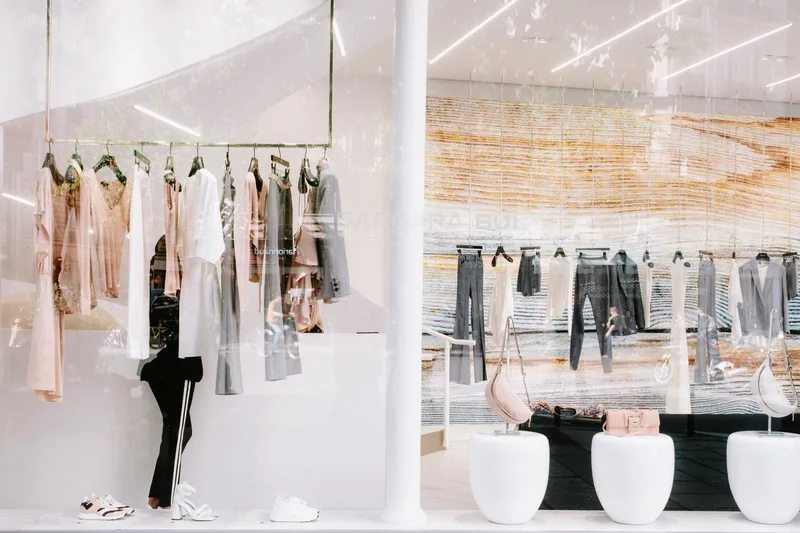
Clothing wholesale spans dropshipping (no inventory, per-order fulfillment), boutique wholesale (small-batch, curated), and bulk vendor wholesale (large MOQs, lowest unit cost). Buyers choose based on how much capital they can tie up in inventory versus how much margin they need per unit.
Related guides: wholesale clothing suppliers, wholesale clothing vendors, clothing dropshippers, fashion wholesale vendors, wholesale boutique clothing, wholesale dress suppliers, and wholesale shoe vendors.
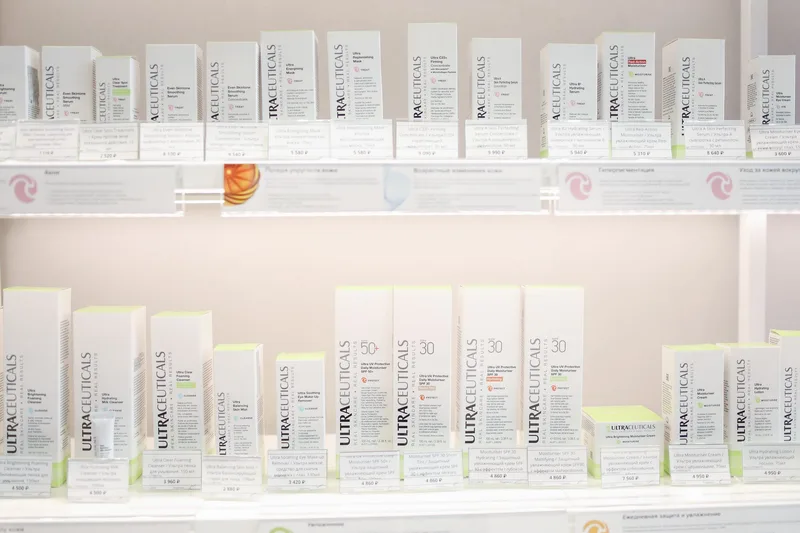
A large global market, typically estimated in the $400-600 billion range annually, where the wholesale and distribution layer captures most of the value before products reach a shelf. Certification matters more here than in most categories: FDA registration, EU Cosmetics Regulation, and halal certification all shape which suppliers a buyer can legally work with.
Related guides: beauty product wholesalers, beauty supply wholesale distributors, hair extension suppliers, and hair supplier wholesale.
Perishability and regulatory compliance drive everything in food wholesale. Cold-chain logistics, shelf-life windows, and food safety certifications (HACCP, FDA facility registration) narrow the supplier pool compared to non-perishable categories.
Related guide: bulk food suppliers.
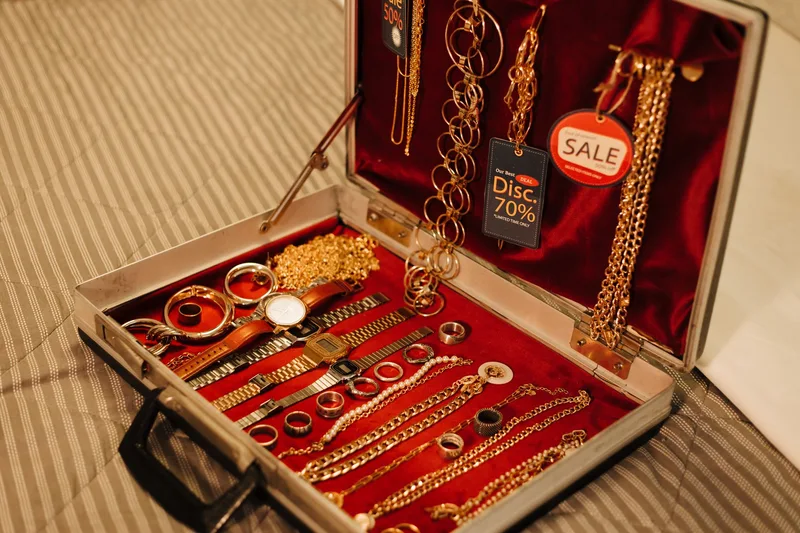
Jewelry wholesale ranges from costume jewelry (low unit cost, fashion-driven turnover) to fine jewelry (high unit cost, authentication and hallmarking requirements). Buyers in this category need to verify material claims (gold purity, gemstone authenticity) more rigorously than in most other categories.
Related guides: jewelry suppliers and jewelry wholesale suppliers.
A catch-all category covering candles, floral supplies, craft materials, and convenience-store stock. MOQs tend to be lower here than in fashion or beauty, making it a common entry point for first-time wholesale buyers.
Related guides: craft wholesale suppliers, wholesale candle supplies, wholesale floral supplies, floral supply near me, wholesale fishing supplies, and wholesale convenience store suppliers.
Join Tawaf and connect with verified businesses across 47 countries. No middlemen, no commissions.
Join Tawaf FreeWholesale pricing follows a tiered markup chain regardless of category: manufacturer cost, then factory-gate (FOB) price, then wholesaler price, then retail price. Each stage typically adds 30-60% markup, and unit costs drop 15-30% at each higher volume tier. The exact multiples shift by category, but the structure (more layers, more markup) stays constant.
| Stage | Typical Markup Over Prior Stage | Who Buys at This Stage |
|---|---|---|
| Manufacturer cost | n/a | Not typically accessible to small buyers |
| FOB (factory gate) | 20-50% | Large retailers, importers with MOQ capacity |
| Wholesaler price | 40-100% on FOB | Mid-size retailers, online sellers |
| Retail price | 60-130% on wholesale | End consumers |
Where you enter this chain determines your margin and your risk. Buying closer to the manufacturer means lower unit cost but higher MOQs, longer lead times, and more due-diligence work. Buying from a wholesale distributor costs more per unit but comes with lower MOQs, faster shipping, and someone else absorbing quality-control risk before it reaches you.
Wholesale trade is tracked as its own economic category in most major markets. The U.S. Census Bureau's Monthly Wholesale Trade report, for example, treats wholesale sales and inventory levels as a distinct layer of the supply chain, separate from manufacturing and retail.
Evaluate a product wholesaler on five factors: business license verification, MOQ fit for your order volume, sample availability before bulk commitment, documented return and defect policy, and category-specific certifications (food safety, cosmetics compliance, material authenticity). Skipping verification on any one of these is the most common cause of a failed first order.

Sourcing a new product category and not sure where to start? Create a free Tawaf account to browse verified business profiles by category, post a "Looking For" request, and receive inquiries directly from suppliers. No trade show fees, no cold outreach.
Buying direct from manufacturers gets the lowest unit cost but requires the highest MOQ, longest lead time, and the most due-diligence work. Buying through a distributor costs more per unit but offers lower MOQs, faster fulfillment, and a layer of quality assurance already applied. Most first-time wholesale buyers start with a distributor and move toward direct sourcing once order volume justifies it.
Lowest cost per unit, but you take on the manufacturer's minimum order requirement, typically the largest in the supply chain. You're also responsible for import compliance, quality inspection, and logistics coordination: work a distributor would otherwise absorb.
Higher unit cost, but distributors carry stock, meaning shorter lead times and lower MOQs. They've usually already handled quality checks and compliance paperwork on the products they carry, which reduces your exposure if something goes wrong.
Platforms that connect buyers directly with verified business profiles compress the search time that direct sourcing usually requires. On Tawaf, buyers can post a "Looking For" request describing the product and quantity they need, and suppliers who match respond directly, cutting out the cold outreach and trade-show circuit that traditional sourcing relies on.
A product wholesaler is a B2B supplier that buys goods in bulk from manufacturers and resells them in smaller (but still bulk) quantities to retailers, distributors, or other businesses. Minimum order quantities typically range from 50 to 5,000 units depending on the product category and supplier type.
Verify the wholesaler's business license and trade registration, request product samples before ordering in bulk, and confirm their return and defect policy in writing. Using a B2B platform that requires business verification during registration reduces the risk of dealing with an unverifiable supplier.
A wholesaler typically buys from multiple manufacturers and sells a range of products to retailers. A distributor often has an exclusive or authorized relationship with specific manufacturers or brands and handles logistics, marketing support, and sometimes after-sales service for those specific product lines.
It depends heavily on category. Craft and home goods wholesalers often accept orders starting around $200-$500. Fashion and beauty wholesalers typically require $500-$2,000 for a first order. Factory-direct sourcing in any category usually requires $5,000 or more due to higher minimum order quantities.
A B2B marketplace shortens the search process by surfacing verified business profiles and letting suppliers respond directly to buyer requests. Independent sourcing (trade shows, cold outreach, referrals) can uncover suppliers not yet listed anywhere, but takes significantly more time to verify and vet.
Get Started
Create your free account and start connecting with verified suppliers and buyers worldwide.
Create Free Account
We help businesses navigate cross-border trade. Our team covers supplier verification, trade compliance, and B2B marketplace strategies to connect verified businesses worldwide.
A sourcing guide to corrugated box makers: how boxes are made, which flute type fits your product, pricing ranges, and how to verify a supplier before ordering.
Sep 23, 2026

Medical equipment is a massive market. The global medical device industry exceeded $595 billion in 2025 and is projected to reach $750 billion by 2030, driven by aging populations, expanding healthcare access in emerging markets, and technological innovation. For B2B buyers --- hospital procurement
May 18, 2026

Organic is no longer a niche. The global organic products market has crossed $220 billion in annual sales and continues to grow at 8-12% year-over-year across most major economies. If you are a buyer, distributor, or brand owner searching for organic products exporters, you are entering a market wit
May 18, 2026