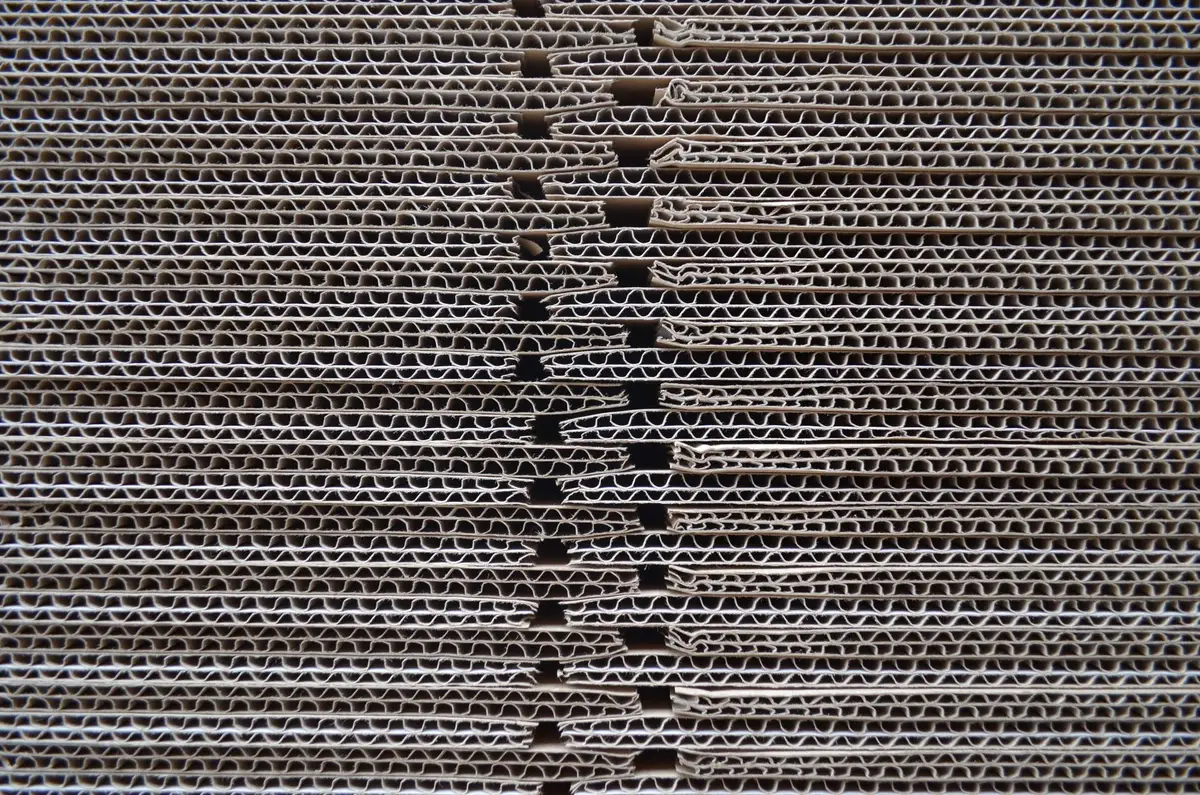
Corrugated Box Maker: How to Find and Vet the Right Supplier
A sourcing guide to corrugated box makers: how boxes are made, which flute type fits your product, pricing ranges, and how to verify a supplier before ordering.
Sep 23, 2026
Find verified suppliers on Tawaf
Create Free AccountCandle-making is a margin machine. The raw materials for a single candle cost $2-$5 at wholesale, and the finished product sells for $15-$40 retail. That math — 50-80% gross profit margins — explains why candle businesses have exploded in the past five years. But those margins only hold if you source materials intelligently at wholesale prices.
This guide covers every material you need, what you should pay, where to find suppliers, and how to build a candle supply chain that scales with your business.
Wholesale candle supplies encompass the raw materials and components purchased in bulk quantities for candle manufacturing: waxes (soy, paraffin, beeswax, coconut, palm), wicks (cotton, wood, hemp), fragrance oils, essential oils, dyes and colorants, containers (glass jars, tins, ceramic vessels), labels, packaging, and tools (thermometers, pouring pots, wick centering devices). Buying wholesale typically means purchasing in quantities of 25 lbs or more for wax and 100+ units for containers.
The candle supply chain breaks into two categories:
Consumable materials — wax, fragrance, wicks, dye — that get used up in every candle you produce. These are your recurring costs and the primary target for wholesale pricing.
Durable components — containers, labels, packaging, tools — that you buy in bulk but may reuse or that constitute the non-consumable portion of the finished product.
Your material cost per candle determines your floor price. Everything above that is margin. The better your wholesale sourcing, the wider that margin gap.
The five primary candle waxes available wholesale are soy wax (most popular for artisan candles, $1.50-$3.00/lb bulk), paraffin (cheapest at $0.80-$1.50/lb, best hot throw), beeswax ($5-$12/lb, premium natural positioning), coconut wax ($3-$6/lb, clean burn and luxury market), and palm wax ($1.20-$2.50/lb, crystalline finish). Most candle makers use blends — combining two or more waxes to optimize burn performance, scent throw, and price point.
Each wax has distinct characteristics that affect your finished product:
| Wax Type | Wholesale Price (per lb) | Melt Point | Scent Throw | Burn Time | Best For |
|---|---|---|---|---|---|
| Soy (444, 464) | $1.50-$3.00 | 113-135F | Moderate-Good | Long | Container candles, eco-conscious brands |
| Paraffin (IGI 4630) | $0.80-$1.50 | 125-165F | Excellent | Moderate | Pillar candles, votives, maximum fragrance |
| Beeswax (filtered) | $5.00-$12.00 | 144-149F | Mild (natural) | Very long | Premium/luxury candles, tapers |
| Coconut wax | $3.00-$6.00 | 100-107F | Excellent | Long | High-end container candles |
| Coconut-soy blend | $2.50-$4.50 | 110-125F | Very good | Long | Premium artisan candles |
| Palm wax | $1.20-$2.50 | 140-145F | Good | Long | Pillar candles, crystalline effect |
| Parasoy blend | $1.20-$2.50 | 125-140F | Very good | Moderate-Long | All-purpose, good compromise |
Soy wax dominates the artisan and small-batch candle market. It is renewable, vegan, and carries strong marketing appeal. The two most popular grades are Golden Brands 444 (container candles) and 464 (also containers, slightly softer). Bulk pricing drops significantly at 50 lbs and again at 200+ lbs.
Paraffin remains the industry workhorse for mass-market candles. It delivers the strongest hot throw (scent when burning) of any wax type. Large candle companies like Yankee Candle use paraffin or paraffin blends. The downside: it is petroleum-derived, which limits marketing to eco-conscious consumers.
Beeswax is the premium play. It burns clean, has a natural honey scent, and carries strong brand storytelling potential. The price point is 3-5x higher than soy, which limits it to luxury positioning. Source from apiaries or bulk honey producers. Quality varies significantly — always request filtered, cosmetic-grade beeswax.
Coconut wax has emerged as the luxury candle material of choice in 2025-2026. It has an excellent scent throw, a clean burn, and a creamy aesthetic. Pure coconut wax is soft, so most candle makers use coconut-soy blends for better container adhesion and rigidity.
| Supplier Type | Typical MOQ | Price Advantage | Best For |
|---|---|---|---|
| Retail craft supply (Michaels, Joann) | 1-5 lbs | None (full retail) | Testing only |
| Online specialty (CandleScience, Lone Star) | 10-25 lbs | 10-20% off retail | Small batch makers |
| Wholesale distributor | 50-100 lbs | 25-40% off retail | Growing businesses |
| Direct from manufacturer | 500-2,000 lbs | 40-60% off retail | Production scale |
| Container/pallet load | 2,000+ lbs | 50-65% off retail | Full manufacturing |
At 25-50 lbs, you enter wholesale territory for most distributors. This is the sweet spot for candle businesses producing 200-500 candles per month. At 500+ lbs, you can negotiate directly with wax manufacturers or their authorized distributors for the best pricing.
Join Tawaf and connect with verified businesses across 47 countries. No middlemen, no commissions.
Join Tawaf FreeWicks, fragrance oils, and dyes are the three consumables that most affect candle performance and customer satisfaction. Cotton-core wicks (CD, ECO, and LX series) cost $0.03-$0.15 each at wholesale. Fragrance oils run $5-$25 per pound wholesale depending on complexity. Liquid candle dyes cost $3-$10 per ounce and color 25-100 lbs of wax per ounce. Proper wick sizing is the single most important factor in candle quality — an incorrectly sized wick causes tunneling, mushrooming, or sooting.
Wick selection is technical work. The wick must match your wax type, container diameter, and fragrance load. There is no universal wick.
Cotton-core wicks (CD series): The most versatile option. Work with soy, paraffin, and blends. Available in sizes from CD 1 (small votives) to CD 22 (large 4"+ containers).
ECO wicks: Cotton with a paper thread core. Self-trimming, minimal mushrooming. Popular with soy candle makers. ECO 2 through ECO 14 cover most container sizes.
Wood wicks: Provide the crackling sound that consumers associate with fireplaces. Made from cherry, birch, or composite wood. Cost $0.15-$0.50 each at wholesale. Require specific wax formulations for proper burn.
Hemp wicks: Natural, unbleached option for eco-positioned brands. Require more testing to size correctly.
Always conduct burn testing with your specific wax, fragrance, and container combination. A wick that works perfectly in an 8 oz jar may perform poorly in a 12 oz jar with the same wax.
Fragrance oils are your product's signature. They also represent 20-35% of your material cost.
Fragrance load: Most soy waxes accept 6-10% fragrance by weight. At 8% load, a 10 oz candle needs approximately 0.5 oz of fragrance oil. At wholesale prices of $8-$15/lb, that is $0.25-$0.47 per candle in fragrance cost alone.
Phthalate-free: Consumer demand has pushed the industry toward phthalate-free formulations. Most reputable suppliers now offer phthalate-free versions of their bestselling scents. Expect to pay a 10-15% premium.
Custom blending: For established brands, fragrance houses will create custom scent blends exclusive to your line. MOQs for custom blends typically start at 25-50 lbs. The upfront formulation fee runs $200-$500 but gives you a unique product that competitors cannot replicate.
Liquid dyes: Easiest to use. 2-5 drops per pound of wax. Cost: $3-$8 per 1 oz bottle, which colors 25-50 lbs of wax. Brands like Nurture Soap and CandleScience offer wide color ranges.
Dye blocks/chips: Concentrated color. Shave off small amounts and melt into wax. More economical for production volumes. Cost: $2-$5 per block, coloring 50-100 lbs of wax.
Mica powders: For surface decoration and shimmer effects. Do not mix well into wax (they clog wicks) but work for dusting or embedding in the top layer.
Natural colorants: Turmeric, beetroot powder, spirulina. Limited color range and can affect burn quality. Popular with all-natural brands willing to accept the constraints.
Container selection directly affects your product's perceived value and price point. The most popular options are straight-sided glass jars ($0.80-$3.00 each wholesale), apothecary jars ($1.50-$4.00), tins ($0.50-$2.00), ceramic vessels ($2.00-$8.00), and concrete pots ($1.50-$5.00). Container cost often exceeds wax cost in the final product — a $3 ceramic vessel with $1.50 of wax and fragrance sells for $30-$45 at retail.
| Container Type | Wholesale Price (each) | MOQ (typical) | Perceived Value | Best For |
|---|---|---|---|---|
| Straight-sided glass jar (8 oz) | $0.80-$1.50 | 24-48 units | Medium | Everyday candles, $15-$25 retail |
| Amber glass jar (8 oz) | $1.00-$2.00 | 24-48 units | Medium-High | Apothecary/wellness positioning |
| Clear glass tumbler (10 oz) | $1.20-$2.50 | 24-48 units | Medium-High | Modern/minimalist brands |
| Gold or black tin (8 oz) | $0.60-$1.50 | 50-100 units | Medium | Travel candles, gift sets |
| Ceramic vessel (handmade) | $3.00-$8.00 | 12-24 units | High | Luxury/artisan, $35-$50 retail |
| Concrete pot | $1.50-$4.00 | 24-50 units | High | Industrial/modern, $30-$45 retail |
| Reusable stoneware | $4.00-$10.00 | 12-24 units | Very High | Premium gift, $45-$65 retail |
Sourcing containers: Glass jars come primarily from China (cheapest), India, and Mexico. For US-based candle makers, domestic glass suppliers like Fillmore Container and Glassnow offer quick shipping and lower MOQs. For larger volumes, import directly through Tawaf's wholesale products marketplace to find container manufacturers in China and India.
Labels and packaging: Custom labels run $0.10-$0.50 each at wholesale (500+ units). Boxes cost $0.50-$3.00 each depending on material and printing. These costs are frequently underestimated by new candle businesses. Budget 10-15% of your retail price for packaging and presentation.
Building a candle supply chain? Sign up on Tawaf for free and connect directly with wax, fragrance, and container suppliers. Post your material requirements and receive competitive quotes from verified wholesale suppliers.
Candle businesses typically achieve 50-80% gross profit margins on individual candle sales, with the variation driven by material quality, container cost, fragrance complexity, and sales channel. A standard 8 oz soy candle with a total material cost of $3-$5 sells for $18-$28 at retail. After factoring in overhead (rent, labor, marketing, shipping), net margins for established candle businesses range from 20-40%.
Here is a detailed cost breakdown for three candle product tiers:
| Cost Component | Budget Candle (8 oz tin) | Mid-Range Candle (10 oz glass) | Premium Candle (12 oz ceramic) |
|---|---|---|---|
| Wax (soy) | $0.75 | $1.00 | $1.30 |
| Fragrance oil (8% load) | $0.40 | $0.55 | $0.70 |
| Wick | $0.05 | $0.08 | $0.12 |
| Dye | $0.03 | $0.05 | $0.05 |
| Container | $0.80 | $1.80 | $4.50 |
| Label | $0.15 | $0.25 | $0.40 |
| Box/packaging | $0.30 | $0.75 | $1.50 |
| Warning label/sticker | $0.02 | $0.02 | $0.02 |
| Total material cost | $2.50 | $4.50 | $8.59 |
| Retail price | $14-$18 | $24-$30 | $38-$48 |
| Gross margin | 78-86% | 81-85% | 77-82% |
The premium tier delivers similar percentage margins despite higher absolute material costs because the perceived value justifies a much higher retail price. A $5 ceramic vessel adds $3.70 to your material cost but adds $15-$20 to your retail price.
Wholesale (B2B) margins: If you sell candles wholesale to retailers, expect to sell at 50% of your retail price. Your margin drops to 35-55%, which still works at volume. Many candle businesses run a hybrid model: direct-to-consumer (full margin) plus wholesale (volume).
Subscription model: Candle subscriptions (monthly boxes) generate recurring revenue with slightly lower margins (45-55%) but higher lifetime customer value. The predictable demand also helps with production planning and bulk material purchasing.
The best sources for wholesale candle supplies are specialized candle supply companies (CandleScience, Lone Star Candle Supply, Wooden Wick Co.), general craft wholesale platforms, direct-from-manufacturer sourcing through B2B marketplaces like Tawaf, fragrance houses that sell to chandlers, and container suppliers who serve the candle industry specifically. Diversify across at least two suppliers per critical material to avoid single-point-of-failure supply disruptions.
Finding the right suppliers is about matching your scale to their MOQs and service model.
For startup candle makers (under 100 candles/month): Start with specialized candle supply retailers. They offer small quantities, bundled starter kits, and educational resources. Prices are higher, but you can test materials without committing to bulk orders. Graduate to wholesale as soon as your volume justifies it.
For growing businesses (100-1,000 candles/month): Move to wholesale distributors who sell 50+ lb wax quantities and fragrance oils by the pound. At this stage, your container sourcing becomes critical — containers are often your largest per-unit cost. Start exploring import options for glass jars through craft wholesale suppliers who also carry candle-making materials.
For production-scale businesses (1,000+ candles/month): Source wax directly from manufacturers (Golden Brands, IGI, NatureWax). Negotiate custom fragrance blends with fragrance houses. Import containers by the pallet from Chinese or Indian glass factories. Your cost savings at this scale can add $2-$4 per candle to your margin.
Container candles require soft wax (soy 444/464, coconut blends), cotton or wood wicks, and heat-resistant vessels. Pillar candles need hard wax (paraffin, palm, or pillar-blend soy) with rigid wicks. Taper candles use beeswax or hard paraffin with braided cotton wicks. Wax melts use the same wax as container candles but skip wicks and containers entirely — they are the highest-margin candle product because material costs are minimal.
| Candle Type | Wax | Wick | Container | Material Cost | Typical Retail |
|---|---|---|---|---|---|
| Container (8-12 oz) | Soy, coconut-soy, parasoy | CD, ECO, or wood wick | Glass jar, tin, ceramic | $2.50-$8.00 | $18-$45 |
| Pillar (3x6 in) | Paraffin, palm, pillar soy | Rigid-core cotton | None (freestanding) | $1.50-$3.00 | $12-$25 |
| Taper (10 in pair) | Beeswax or hard paraffin | Braided cotton | None (candleholder) | $1.00-$4.00 | $8-$22 |
| Votive (2.5 oz) | Paraffin or parasoy | Small cotton | Votive holder (optional) | $0.40-$0.80 | $3-$6 |
| Wax melt (6-pack) | Soy, parasoy | None | Clamshell mold ($0.10) | $0.60-$1.20 | $6-$12 |
| Tea light (set of 12) | Paraffin or soy | Pre-tabbed small | Aluminum cup (included) | $1.20-$2.40 | $8-$15 |
Wax melts deserve special attention for business strategy. They require no wick, no container (just a $0.10 clamshell), and minimal wax (0.5-1 oz per cavity). A 6-pack of wax melts costs $0.60-$1.20 to produce and sells for $6-$12. Margins exceed 80%. They also drive repeat purchases because customers burn through them quickly.
Candle businesses in the US must comply with ASTM F2417 (fire safety standard for candles), CPSC (Consumer Product Safety Commission) general product safety requirements, and ASTM F2058 (fire safety for candle accessories). Warning labels are legally required. California's Proposition 65 requires additional labeling for candles containing certain fragrance compounds. In the EU, CLP regulation requires hazard labeling based on fragrance oil composition.
Safety compliance is non-negotiable. Key requirements:
Most fragrance oil suppliers provide Safety Data Sheets (SDS) and IFRA compliance certificates for their products. Request these for every fragrance you use and keep them on file.
A minimal start requires $500-$1,500: 25-50 lbs of wax ($75-$150), 5-10 fragrance oils ($60-$150), wicks ($20-$40), 48-100 containers ($50-$200), labels ($30-$75), basic tools ($50-$100), and packaging ($50-$150). To launch with a full product line of 6-10 scents with professional packaging, budget $3,000-$5,000. Production-scale startup with dedicated workspace and equipment runs $10,000-$25,000.
Most wholesale candle supply distributors set minimums at 10-25 lbs for wax. Direct-from-manufacturer minimums start at 500-2,000 lbs. Some suppliers offer case pricing (typically 60 lbs per case of soy wax flakes) as an entry-level wholesale tier. Prices drop at 200 lbs, 500 lbs, and pallet quantities (2,000+ lbs).
Soy wax is the better choice for most artisan and D2C candle brands because of its marketing advantages (natural, renewable, vegan), clean burn, and consumer perception. Paraffin delivers stronger scent throw and is cheaper, making it the standard for mass-market candles. Many professional candle makers use parasoy blends (a mix of paraffin and soy) to get the scent performance of paraffin with the marketing appeal of soy.
Multiply the container volume in fluid ounces by 0.86 (for soy wax) to get the approximate weight of wax needed in ounces. An 8 oz container needs approximately 6.9 oz of soy wax. For paraffin, multiply by 0.91. Then add your fragrance load percentage on top. At 10% fragrance load, that 8 oz container needs approximately 6.2 oz of wax plus 0.7 oz of fragrance oil.
For standard glass jars and tins, domestic suppliers like Fillmore Container and CandleScience offer the widest selection with low MOQs. For custom shapes, colors, or materials, source from Chinese or Indian glass manufacturers through Tawaf's wholesale marketplace. Custom container MOQs from overseas factories typically start at 500-5,000 units. Lead times run 30-60 days for production plus 20-35 days for ocean freight.
Get Started
Create your free account and start connecting with verified suppliers and buyers worldwide.
Create Free Account
We help businesses navigate cross-border trade. Our team covers supplier verification, trade compliance, and B2B marketplace strategies to connect verified businesses worldwide.
A sourcing guide to corrugated box makers: how boxes are made, which flute type fits your product, pricing ranges, and how to verify a supplier before ordering.
Sep 23, 2026

A directory guide to product wholesalers by category: beauty, fashion, food, jewelry, and craft. Compare sourcing paths and connect with verified suppliers.
Sep 14, 2026

Medical equipment is a massive market. The global medical device industry exceeded $595 billion in 2025 and is projected to reach $750 billion by 2030, driven by aging populations, expanding healthcare access in emerging markets, and technological innovation. For B2B buyers --- hospital procurement
May 18, 2026