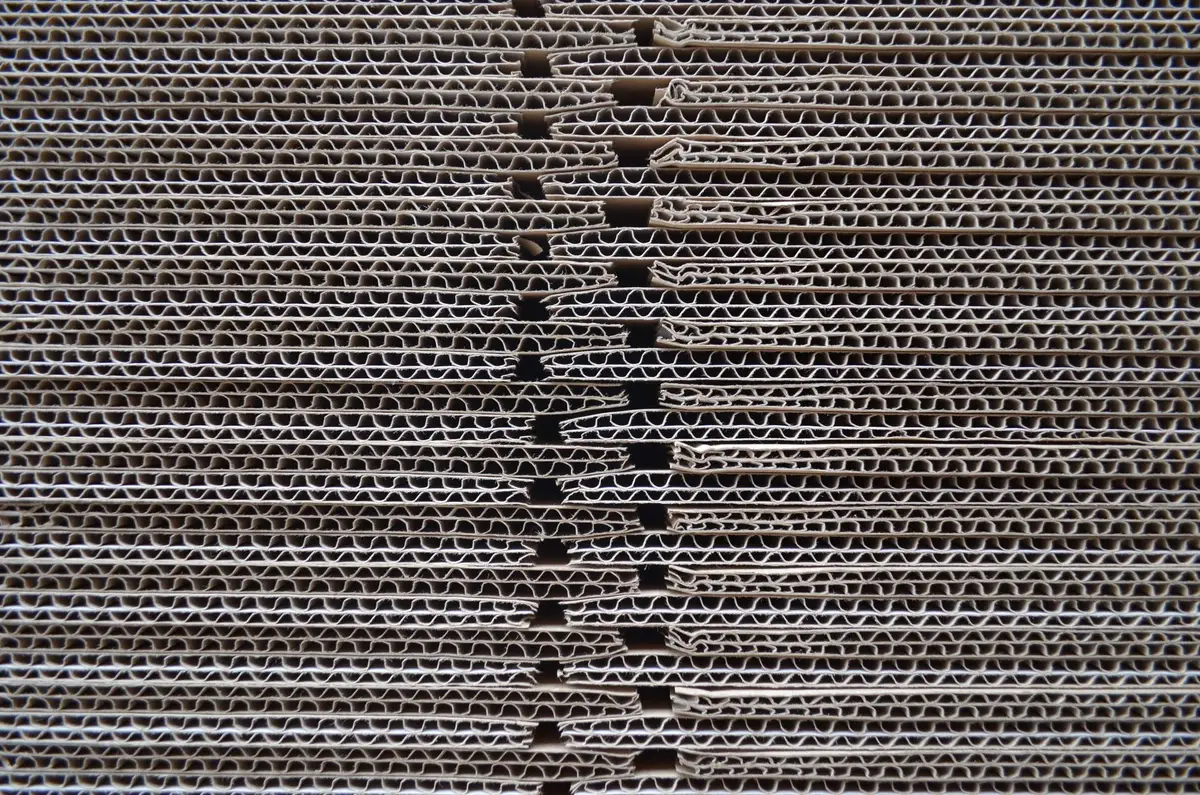
Corrugated Box Maker: How to Find and Vet the Right Supplier
A sourcing guide to corrugated box makers: how boxes are made, which flute type fits your product, pricing ranges, and how to verify a supplier before ordering.
Sep 23, 2026
Find verified suppliers on Tawaf
Create Free AccountHair is a $6.5 billion market.
A hair supplier in the wholesale market is a B2B vendor that sells human hair extensions, wigs, closures, frontals, and synthetic hair products in bulk to salon owners, beauty supply stores, e-commerce retailers, and private label brands. Wholesale hair suppliers operate across a spectrum from raw hair collectors and factory processors in India and China to finished product distributors serving regional markets worldwide.
The wholesale hair industry has a supply chain unlike any other beauty segment. Raw human hair is collected — primarily in India through temple donations and rural purchasing networks — then sorted, cleaned, processed (sometimes chemically treated to alter texture), and manufactured into extensions, wigs, and hairpieces.
This process means the product you buy depends heavily on where it originates, how it was collected, and how many processing steps it went through. A "virgin Indian temple hair" bundle commands $200-$500 wholesale. A chemically processed Chinese hair bundle might wholesale for $15-$40. Both are legitimate products, but they serve different market segments and price points.
The global hair extensions market was valued at $6.5 billion in 2025, according to Grand View Research. Projections show growth to $9.1 billion by 2030, driven by social media influence, growing acceptance of hair extensions in mainstream beauty, and expanding markets in Africa and the Middle East.
For B2B buyers looking to source hair products alongside other beauty supplies, browse the wholesale products directory on Tawaf.
Wholesale hair suppliers offer seven main product categories: raw/virgin hair (unprocessed, single-donor), Remy hair (cuticle-aligned, processed), non-Remy hair (mixed direction, budget), wigs (full lace, frontal, machine-made), closures and frontals (lace pieces for natural-looking parts), clip-in and tape-in extensions, and synthetic hair (heat-resistant and standard fiber). Each category has distinct pricing, margins, quality indicators, and target customers.
Here is a comprehensive breakdown:
| Product Type | Description | Wholesale Price Range | Retail Price Range | Margin Potential | Primary Source |
|---|---|---|---|---|---|
| Raw virgin hair (bundles) | Unprocessed, single donor, natural texture | $80–$300/bundle | $150–$600/bundle | 50–80% | India, Myanmar, Vietnam |
| Remy hair (bundles) | Cuticle-aligned, may be color-processed | $25–$120/bundle | $60–$250/bundle | 55–75% | India, China, Cambodia |
| Non-Remy hair | Mixed cuticle, silicone-coated | $8–$30/bundle | $20–$80/bundle | 60–70% | China, India, Bangladesh |
| Full lace wigs | Hand-tied onto lace cap, versatile styling | $80–$400/unit | $200–$1,200/unit | 60–80% | China (manufacturing), India (hair) |
| Frontal wigs | 13x4 or 13x6 lace front, machine back | $50–$250/unit | $120–$600/unit | 55–75% | China |
| Closures (4x4, 5x5) | Lace piece for part/crown area | $15–$80/piece | $40–$200/piece | 60–75% | China, Vietnam |
| Frontals (13x4, 13x6) | Lace piece covering hairline ear to ear | $25–$120/piece | $60–$300/piece | 55–70% | China, Vietnam |
| Clip-in extensions | Wefts with clips, consumer-installed | $20–$100/set | $50–$300/set | 60–80% | China, India |
| Tape-in extensions | Adhesive weft tabs, salon-installed | $30–$150/set | $80–$400/set | 55–75% | China, Europe |
| Synthetic hair | Kanekalon, Toyokalon, heat-resistant fiber | $2–$15/unit | $10–$50/unit | 70–85% | China, Japan (fiber origin) |
Raw hair is the premium tier. It has never been chemically processed — no coloring, no perming, no silicone coating. "Virgin" means the same thing in practice, though some sellers use "virgin" for hair that has been minimally processed (washed and conditioned only).
The quality hierarchy matters: single-donor hair (from one person) is more consistent in texture and thickness than mixed-donor hair. Temple hair from India (collected at religious ceremonies like the Tirumala Tirupati tonsure) is considered the gold standard because it is typically uncolored, healthy, and available in long lengths (18-30+ inches).
Remy hair has cuticles aligned in one direction (root to tip). This alignment prevents tangling and extends product lifespan. Remy hair may be color-processed or texture-altered, but the cuticle alignment is preserved. It represents the "sweet spot" of the market — high quality at accessible wholesale prices.
Wig manufacturing is dominated by China, specifically the Xuchang area in Henan Province. An estimated 80% of the world's wigs originate from or pass through Chinese factories. The hair used in wigs may come from India, Myanmar, Brazil, or other sources, but the manufacturing — cap construction, hand-tying, machine sewing — overwhelmingly happens in China.
Synthetic hair dominates the volume market. Kanekalon (made by Kaneka Corporation in Japan) is the most recognized fiber, used for braiding hair, crochet styles, and budget wigs. Heat-resistant synthetic fibers have improved significantly, allowing styling with low-heat tools. Margins are highest in this category because raw material costs are low and manufacturing is highly automated.
Join Tawaf and connect with verified businesses across 47 countries. No middlemen, no commissions.
Join Tawaf FreeIndia is the world's primary source of raw human hair, supplying an estimated 70% of the global market through temple collections and rural procurement networks. China dominates hair product manufacturing (wigs, extensions, processing). Vietnam and Cambodia are emerging sources for raw hair. Brazil provides textured hair matching popular curl patterns. Myanmar supplies long, straight hair for the Asian market.
Sourcing geography determines product characteristics:
India — Raw Hair Capital India's hair supply comes from two main channels. Temple hair is collected at Hindu temples where devotees shave their heads as religious offerings. The Tirumala Tirupati Devasthanam temple alone collects an estimated 75 tons of hair annually, which it auctions to buyers worldwide. Rural hair is purchased from individuals by traveling collectors. Indian hair is prized for its fine to medium texture, natural dark color, and suitability for processing into various textures.
Indian suppliers on Tawaf serve the beauty and personal care segment. Visit Indian suppliers on Tawaf to explore sourcing options.
China — Manufacturing Hub Xuchang, Henan Province, is the global center of wig and extension manufacturing. The Xuchang wig industry employs over 300,000 people and produces $3+ billion in annual revenue. Chinese factories range from small workshops producing 50 wigs per day to industrial operations producing thousands. The manufacturing expertise here is unmatched — complex constructions like HD lace wigs and hand-tied pieces are Chinese specialties.
Vietnam and Cambodia Both countries are growing as raw hair sources. Vietnamese hair tends to be thick and straight, popular in Asian markets. Cambodian hair is similar to Indian hair in texture, making it a substitute source as Indian raw hair prices rise.
Brazil Brazilian hair is sought for its natural body wave and texture diversity. However, "Brazilian hair" as marketed often originates from other countries and is processed to mimic Brazilian textures. Actual Brazilian-sourced hair is relatively scarce and commands premium prices.
Evaluate wholesale hair suppliers by requesting test bundles (minimum 3 bundles in different lengths), performing a bleach test on raw hair claims, checking cuticle alignment under magnification, verifying the supplier's factory or warehouse through photos or video calls, reviewing their return and quality guarantee policies, and starting with a trial order of $500-$2,000 before committing to bulk quantities.
Quality assessment in hair wholesale requires hands-on testing. Photos and descriptions are insufficient — you need physical samples.
The Bleach Test If a supplier claims "raw virgin" hair, bleach it. Genuine raw hair will lighten evenly to blonde (613) without breaking. Over-processed hair or hair with silicone coating will bleach unevenly, become gummy, or break. This single test exposes the most common deception in the hair industry — processed hair sold as raw.
Cuticle Check Run your fingers along the hair shaft from tip to root. Remy hair will feel smooth in both directions (cuticles aligned). Non-Remy hair will feel rough or catch when stroked toward the root. A simple magnifying glass confirms cuticle alignment visually.
Burn Test Burn a few strands. Human hair burns slowly, smells like burning protein, and leaves fine ash. Synthetic fiber melts, smells like burning plastic, and leaves a hard bead. Mixed (blended) products will show both characteristics.
Wash Test Wash the sample bundle 3-5 times with sulfate-free shampoo. Quality human hair maintains its texture and softness. Low-quality or over-processed hair will become dry, tangled, and matted after a few washes — the silicone coating washes off, revealing the damaged hair underneath.
Supplier Verification Checklist:
For verified beauty and hair product suppliers, the wholesale products hub on Tawaf provides a pre-screened starting point.
Wholesale hair MOQs range from 5-10 bundles ($400-$3,000) for small distributors and e-commerce sellers to 50-500+ bundles ($5,000-$50,000+) for major retailers and salon chains. Pricing follows steep volume tiers — buying 100 bundles of Remy hair can cost 30-40% less per unit than buying 10 bundles from the same supplier. Most hair suppliers also offer mix-and-match across lengths and textures within a single order.
Pricing structures in hair wholesale:
| Order Size | Raw Virgin (per bundle) | Remy (per bundle) | Non-Remy (per bundle) | Wigs (per unit) |
|---|---|---|---|---|
| Sample (1-5 pcs) | $150–$300 | $50–$120 | $15–$30 | $100–$400 |
| Small wholesale (10-50 pcs) | $100–$200 | $30–$80 | $10–$22 | $70–$250 |
| Medium wholesale (50-200 pcs) | $80–$160 | $25–$65 | $8–$18 | $50–$200 |
| Large wholesale (200+ pcs) | $60–$130 | $20–$50 | $6–$15 | $40–$150 |
Length premiums are significant. Every 2 inches of additional length adds 10-20% to the price. A 14-inch Remy bundle might wholesale at $30, while a 28-inch bundle from the same supplier costs $80-$100.
Payment terms in the hair industry tend toward advance payment, especially from Indian and Chinese suppliers. Standard terms: 30-50% deposit with balance before shipment. Some established suppliers offer payment plans for repeat customers. PayPal is common for smaller orders; wire transfer for bulk.
Looking for verified hair and beauty suppliers? Register on Tawaf for free to connect with B2B suppliers across India and the Middle East. Browse product listings, send inquiries, and start sourcing directly.
The wholesale hair industry uses an unofficial grading system ranging from 6A (lowest commercial grade) to 12A (highest claimed grade), though no standardized body regulates these grades. In practice, the meaningful distinctions are between raw/virgin hair (unprocessed, highest quality), Remy hair (cuticle-aligned, processed), non-Remy hair (mixed cuticle, budget), and synthetic hair. Grades above 10A are largely marketing terms with no verifiable quality difference.
The grading system in hair wholesale is the industry's biggest source of confusion. Here is the reality:
Grades 6A-8A: Typically non-Remy or low-quality Remy hair. Mixed donors, may have silicone coating, limited lifespan (2-6 months with regular use). Suitable for budget retail products.
Grades 9A-10A: Standard Remy hair. Cuticle-aligned, minimal processing. Good quality for the mid-market. Lifespan of 6-12 months with proper care. This is the volume sweet spot for most B2B buyers.
Grades 11A-12A: Marketing claims that should be verified through physical testing. Some suppliers use these grades legitimately for raw virgin hair. Others inflate grades to justify higher pricing on standard Remy products. Always test — do not buy on grade label alone.
The honest truth: Ask for specific quality descriptors rather than grade numbers. "Single donor, virgin, cuticle-aligned, 100% human hair with no chemical processing" is a verifiable claim. "12A grade" is not.
Hair products ship by air for small orders (DHL, FedEx, UPS — 3-7 day delivery at $20-$50 per kg) and by sea for bulk orders (20-40 day delivery at $3-$8 per kg for full container loads). Hair products face no dangerous goods restrictions and clear customs without special permits in most countries. Import duties average 0-10% depending on the destination country and HS code classification.
Logistics specifics for hair product shipping:
Air freight (small-medium orders):
Sea freight (bulk orders):
Customs classification: Human hair products fall under HS code 6703 (human hair, dressed, thinned, bleached or otherwise worked) and 6704 (wigs and false beards). Duties vary:
Packaging considerations: Hair products are lightweight but bulky. Wigs need box packaging to maintain shape. Extensions ship in sealed bags. Proper packaging prevents tangling, moisture damage, and compression marks that downgrade product quality on arrival.
Five trends dominate the 2026 wholesale hair market: HD (high-definition) lace wigs becoming the standard construction, growing demand for textured and curly hair matching diverse natural patterns, direct-to-consumer brands bypassing traditional distribution, sustainability concerns driving demand for ethically sourced hair with transparent supply chains, and synthetic hair quality reaching near-parity with human hair for everyday styles.
HD Lace Wigs HD lace (thin, transparent Swiss lace) has replaced standard lace as the consumer expectation for wigs. The lace disappears against the skin, creating an invisible hairline. Manufacturing costs are higher, but retail prices justify it. B2B buyers should ensure their wig suppliers offer HD lace construction as the default.
Textured Hair Demand The natural hair movement has driven explosive growth in textured extensions and wigs — kinky curly, coily, afro-textured products. Historically, the market focused on straight and body wave textures. Suppliers who offer authentic textured products (not just heat-set curls that relax after washing) have a competitive advantage.
DTC Brand Growth Instagram and TikTok have enabled individual entrepreneurs to build hair brands without traditional retail distribution. These DTC brands need wholesale suppliers who can handle smaller, more frequent orders with branding/packaging customization. This shift benefits smaller wholesalers who offer flexibility over volume.
Ethical Sourcing Consumers and retailers are asking harder questions about where hair comes from. Brands like Indique Hair have built their positioning around ethical sourcing transparency. B2B buyers should expect and request supply chain documentation from their hair suppliers.
Synthetic Innovation Heat-resistant synthetic fibers now mimic human hair convincingly for many styles. At $2-$15 wholesale per unit versus $50-$300 for human hair, synthetic products offer margin opportunities. The quality gap is closing, and for everyday protective styles, synthetic is becoming the practical choice for many consumers.
Build a profitable wholesale hair business by selecting a specific niche (raw hair, wigs, or synthetic), establishing 2-3 reliable suppliers with tested quality, starting with an inventory investment of $3,000-$10,000, building a brand around quality consistency rather than the lowest price, and selling through multiple channels — your own website, beauty supply stores, salon partnerships, and B2B marketplaces like Tawaf.
A strategic approach to entering the wholesale hair market:
Choose your niche. Do not try to sell everything. Raw hair suppliers, wig specialists, and synthetic hair distributors operate in distinct segments with different customer bases, margins, and operational requirements. Pick one to start.
Source relentlessly. Test 10 suppliers, keep 2-3. Quality consistency is everything in hair — one bad batch destroys customer trust. Maintain backup suppliers for every product category so a single supplier issue does not shut down your business.
Price for value, not volume. The race to the bottom on price is fierce in hair wholesale. Competing on price alone requires massive volume and razor-thin margins. Instead, differentiate on quality verification, customer education, fast shipping, and return policies.
Build B2B relationships. Salon owners and beauty supply store buyers are repeat customers. A salon owner who trusts your hair quality will reorder monthly for years. Invest in these relationships through consistent quality and reliable service. List your products on the B2B marketplace to reach buyers actively searching for hair suppliers.
Starting a wholesale hair business requires $3,000-$15,000 in initial capital. Allocate $2,000-$8,000 for initial inventory (focus on 3-5 best-selling SKUs rather than a wide range), $500-$2,000 for branding and packaging, $500-$1,500 for a basic e-commerce website, and $500-$2,000 for marketing. Start lean with a focused product range and reinvest profits into inventory expansion. Many successful hair businesses started with under $5,000.
Raw hair is completely unprocessed human hair — it has not been colored, permed, bleached, or chemically treated in any way. Virgin hair is similar but the term is used more loosely in the industry; some sellers use "virgin" for hair that has been minimally processed (washed, conditioned, or lightly steamed for texture). In strict terms, raw and virgin should mean the same thing, but always verify by requesting the supplier's specific processing details and performing a bleach test.
Extension lifespan depends on hair type and maintenance. Raw virgin hair extensions last 2-5 years with proper care (gentle washing, silk pillowcase, minimal heat). Remy hair extensions last 6-18 months. Non-Remy hair lasts 1-6 months before significant quality degradation (tangling, matting, dryness). Synthetic hair lasts 1-4 months for daily wear. These timelines assume regular use and proper maintenance — heat damage, harsh products, and poor care reduce lifespan significantly.
Yes, most wholesale hair suppliers offer private labeling services. This includes custom packaging (boxes, bags, hang tags), custom labels with your brand name, and sometimes custom coloring or texture processing. MOQs for private label are typically 50-200 units minimum, with setup fees of $200-$1,000 for custom packaging design and printing. Lead times extend 2-4 weeks beyond standard orders. Request packaging samples before approving bulk production.
Body wave and straight textures account for approximately 60% of all hair extension sales globally. Body wave is the single best-selling texture because it is versatile, easy to maintain, and photographs well for social media marketing. However, kinky curly and deep wave textures are the fastest-growing segments, driven by the natural hair movement and growing representation of diverse hair textures in media and beauty culture.
Get Started
Create your free account and start connecting with verified suppliers and buyers worldwide.
Create Free Account
We help businesses navigate cross-border trade. Our team covers supplier verification, trade compliance, and B2B marketplace strategies to connect verified businesses worldwide.
A sourcing guide to corrugated box makers: how boxes are made, which flute type fits your product, pricing ranges, and how to verify a supplier before ordering.
Sep 23, 2026

A directory guide to product wholesalers by category: beauty, fashion, food, jewelry, and craft. Compare sourcing paths and connect with verified suppliers.
Sep 14, 2026

Medical equipment is a massive market. The global medical device industry exceeded $595 billion in 2025 and is projected to reach $750 billion by 2030, driven by aging populations, expanding healthcare access in emerging markets, and technological innovation. For B2B buyers --- hospital procurement
May 18, 2026