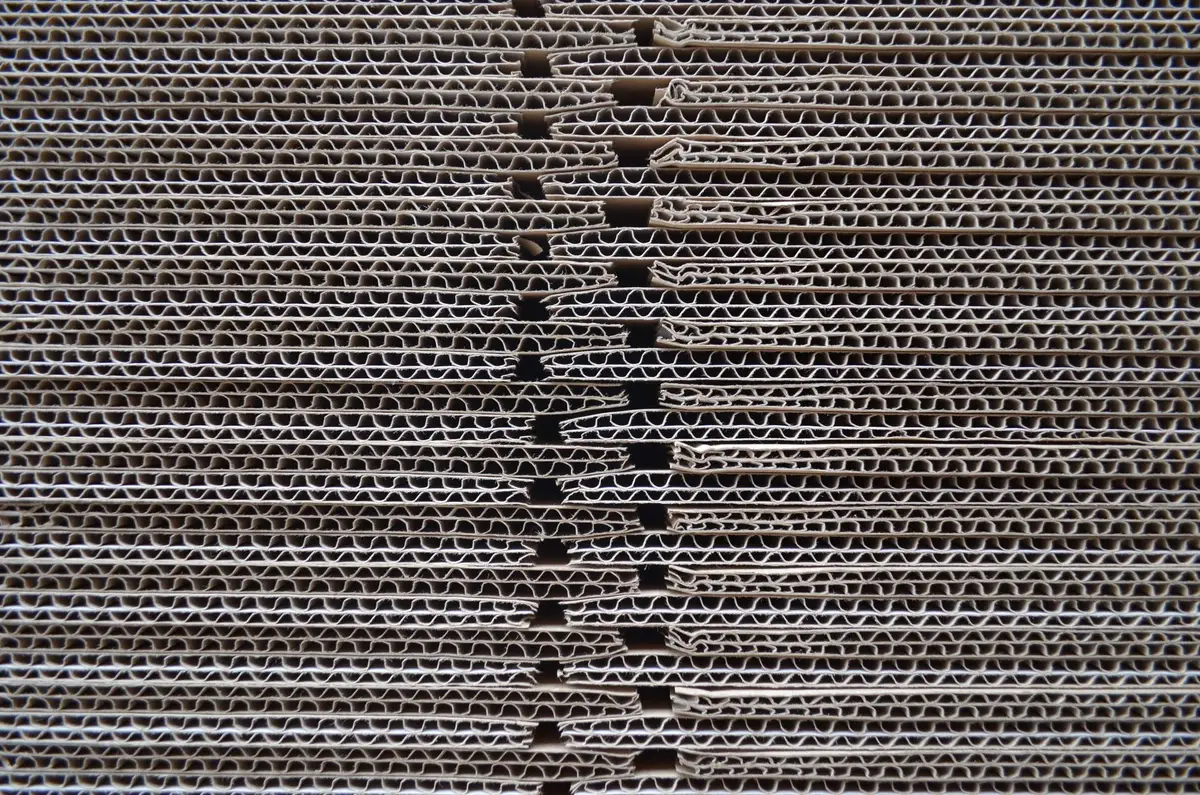
Corrugated Box Maker: How to Find and Vet the Right Supplier
A sourcing guide to corrugated box makers: how boxes are made, which flute type fits your product, pricing ranges, and how to verify a supplier before ordering.
Sep 23, 2026
Find verified suppliers on Tawaf
Create Free AccountFishing is a $50 billion global industry. From weekend anglers to commercial fishing operations, the demand for rods, reels, lures, line, nets, and accessories is enormous and growing. For tackle shop owners, outdoor retailers, marina operators, and e-commerce sellers, finding the right wholesale fishing supply partners is the difference between healthy margins and a business that barely breaks even.
The wholesale fishing supply landscape has changed dramatically in recent years. Traditional distribution chains are being disrupted by direct-from-manufacturer sourcing, private label programs, and B2B marketplaces that connect retailers directly with factories in China, South Korea, Japan, and other manufacturing centers. Understanding these shifts -- and knowing where to find the best deals -- gives you a real competitive advantage.
This guide covers everything from product categories and supplier evaluation to pricing strategies and seasonal buying cycles.
Wholesale fishing supplies are fishing tackle, equipment, and accessories sold in bulk quantities at trade pricing to retailers, e-commerce sellers, charter operators, commercial fishing businesses, and other resellers. The category spans everything from hooks and line to high-end rod-and-reel combos, electronic fish finders, and commercial netting.
The wholesale fishing supply market breaks down into several tiers:
Branded Wholesale: Major brands like Shimano, Daiwa, Abu Garcia, Penn, Rapala, and Berkley sell through authorized distributor networks. Retailers purchase at wholesale pricing (typically 40-50% off retail) with MAP (Minimum Advertised Price) policies protecting margins.
Private Label/White Label: Manufacturers (primarily in China, South Korea, and Taiwan) produce fishing tackle that retailers can brand with their own labels. This offers higher margins but requires larger order quantities and more quality management.
Unbranded/Generic: Basic tackle components (hooks, sinkers, swivels, line, lures) sold in bulk without branding. These are the bread-and-butter items for tackle shops, often sourced directly from Asian manufacturers at very low per-unit costs.
Commercial/Industrial: Heavy-duty equipment for commercial fishing operations -- nets, traps, rope, buoys, processing equipment. A different market segment with different suppliers and distribution channels.
The global fishing tackle market was valued at approximately $15.2 billion in 2025 and is projected to reach $19.8 billion by 2030, driven by the growing popularity of recreational fishing, tournament fishing, and fishing tourism.
For retailers looking to browse suppliers across multiple product categories, the Tawaf wholesale products directory is a good starting point.
The major categories are rods, reels, lures and baits, fishing line, terminal tackle (hooks, sinkers, swivels), nets and traps, electronics (fish finders, GPS), apparel and accessories, and storage and transport equipment. Each category has distinct sourcing dynamics and margin profiles.
| Category | Key Products | Price Range (Wholesale) | Typical Margin | Top Manufacturing Origins |
|---|---|---|---|---|
| Rods | Spinning, casting, fly, surf, trolling, ice | $3 - $150 | 40-60% | China, South Korea, Japan, USA |
| Reels | Spinning, baitcasting, fly, conventional, trolling | $5 - $200 | 40-55% | China, South Korea, Japan, Sweden |
| Lures & Baits | Hard baits, soft plastics, spinnerbaits, flies, jigs | $0.10 - $15 | 50-70% | China, Japan, USA |
| Fishing Line | Monofilament, fluorocarbon, braided, leader | $1 - $30 | 45-60% | Japan, China, Germany, USA |
| Terminal Tackle | Hooks, sinkers, swivels, snaps, rigs | $0.01 - $2 | 60-80% | China, Japan, Norway |
| Nets & Traps | Landing nets, cast nets, gill nets, crab traps | $3 - $100 | 35-50% | China, India, Philippines |
| Electronics | Fish finders, GPS, sonar, cameras | $30 - $500 | 25-40% | USA, Japan, China |
| Apparel | Waders, boots, gloves, hats, sun protection | $5 - $80 | 45-55% | China, Vietnam, Bangladesh |
| Storage & Transport | Tackle boxes, rod cases, coolers, livewells | $2 - $50 | 40-55% | China, USA |
Rods represent the largest single equipment category. The market ranges from basic fiberglass rods manufactured in China for under $5 wholesale to premium Japanese graphite rods costing $150+ wholesale. Most tackle shops carry a mix across price points.
Lures and soft plastics offer the highest margins in the tackle business. A soft plastic bait that costs $0.05 to manufacture retails for $0.50-$1.00. Custom color patterns, regional favorites, and tournament-winning designs command premium pricing.
Terminal tackle (hooks, sinkers, swivels) is the consumable category -- anglers buy these repeatedly. Margins are excellent, volumes are high, and sourcing from Chinese manufacturers keeps costs extremely low.
Electronics have the lowest margins but drive foot traffic and large ticket sales. Fish finders from brands like Garmin, Lowrance, and Humminbird are important for a full-service tackle shop but offer limited markup.
Join Tawaf and connect with verified businesses across 47 countries. No middlemen, no commissions.
Join Tawaf FreeChina dominates manufacturing, producing an estimated 60-70% of global fishing tackle by volume. South Korea and Japan lead in premium rods and reels. The United States produces high-end lures and some rods. Emerging manufacturers in Vietnam, India, and the Philippines handle nets, commercial gear, and lower-cost tackle.
Manufacturing geography matters because it directly affects quality, pricing, lead times, and minimum order quantities:
China (Weihai, Dongyang, Cixi): Weihai in Shandong province is the world capital of fishing rod manufacturing. Hundreds of factories produce rods ranging from entry-level to high-performance. Cixi in Zhejiang is a major center for reels, and Dongyang produces significant volumes of lures and accessories. Chinese manufacturers offer the broadest product range, lowest prices, and most flexible MOQs. Quality varies widely -- from excellent to poor -- so supplier vetting is essential.
South Korea (Gimhae, Busan): Korean manufacturers like Banax and NS Fishing produce mid-to-premium rods and reels. Korean graphite blanks are highly regarded in the industry. Quality control is generally tighter than average Chinese production, with pricing to match.
Japan (Sakai, Shimano HQ in Osaka): Japan is the home of premium fishing tackle. Shimano, Daiwa, Gamakatsu, and Varivas are Japanese companies. Japanese-made products command premium pricing and are typically sold through established distributor networks rather than direct B2B platforms.
United States: Several notable American manufacturers produce premium fishing products. St. Croix (rods, Wisconsin), G. Loomis (rods, Washington), Z-Man (soft baits, South Carolina), and Strike King (lures, Mississippi) are examples. American-made products carry the highest price points but also strong brand recognition and domestic retail demand.
For retailers interested in sourcing from specific countries, the Tawaf suppliers-by-country directory lets you filter manufacturers by location.
Evaluate suppliers on product quality (request samples), MOQ flexibility, pricing competitiveness, lead times, return and warranty policies, catalog depth, brand authorization (for branded goods), communication responsiveness, and willingness to support your business with marketing materials and product training.
Here is a practical evaluation framework:
Product Quality:
Business Terms:
Reliability:
Support:
Top strategies include seasonal pre-booking (ordering 4-6 months before peak season), mixed container loads to diversify product range, private label programs for higher margins, closeout and overstock purchasing for promotional pricing, and group buying cooperatives to access larger volume discounts.
Timing and strategy significantly impact your cost basis:
Seasonal Pre-Booking: The fishing tackle industry follows seasonal cycles. In North America, the buying season for spring/summer merchandise begins in October-November at industry shows like ICAST (International Convention of Allied Sportfishing Trades). Pre-booking offers better pricing, guaranteed inventory, and early access to new products.
Peak Buying Calendar:
| Period | Activity | Pricing Impact |
|---|---|---|
| October - November | Pre-book spring/summer lines at trade shows | Best pricing, early-bird discounts |
| January - February | Reorder fill-ins, stock up on consumables | Standard wholesale pricing |
| March - April | Peak season begins, impulse re-orders | Standard to slight premium |
| May - August | In-season restocking, limited selection | Possible shortages on popular items |
| September | Post-season clearance begins | Discounted overstock |
| October | Ice fishing/winter prep, ICAST new product orders | Clearance + new product pre-books |
Mixed Container Strategy: If sourcing directly from Asian manufacturers, fill a container with a mix of products rather than a single SKU. A 20-foot container might include rods, reels, lures, and terminal tackle from the same region, diversifying your inventory investment.
Private Label Development: Work with manufacturers to develop your own branded product line. This typically requires higher MOQs (500-2,000 units per SKU) but offers margins 15-25% higher than branded wholesale. Many Weihai factories in China specialize in OEM/ODM fishing tackle production.
Ready to source wholesale fishing supplies? Create your free Tawaf account and connect with verified fishing tackle manufacturers and wholesalers. Post your requirements and receive competitive quotes from suppliers worldwide.
Effective QC involves pre-production sample approval, in-process factory inspections, pre-shipment inspection (checking 5-15% of units using AQL standards), and post-arrival spot checks. For ongoing relationships, periodic unannounced factory visits and third-party inspection services like SGS or Bureau Veritas provide additional assurance.
Quality control for fishing tackle has specific considerations:
Rods:
Reels:
Lures:
Line:
For imports, the standard approach is to hire a third-party inspection company to visit the factory before shipment. SGS and Bureau Veritas both offer inspection services in Chinese manufacturing regions. Expect to pay $300-$500 per inspection day.
Key logistics factors include container optimization (mixing product types to fill containers efficiently), customs classification (HS codes vary by tackle type and affect duty rates), fragile item packaging (rods require special packaging), and seasonal timing to ensure inventory arrives before peak selling season.
Shipping fishing tackle internationally involves specific considerations:
Container Optimization: A standard 20-foot container can hold approximately:
Customs and Duties: Fishing tackle duty rates vary by country and product type:
| Product | US HS Code | US Duty Rate | EU Duty Rate |
|---|---|---|---|
| Fishing rods | 9507.10 | 6% | 3.7% |
| Fishing reels | 9507.30 | 9.2% | 3.7% |
| Hooks (single) | 9507.20.40 | Free | 2.7% |
| Fishing line | 9507.90.60 | 3.7% | 3.7% |
| Artificial lures | 9507.90.40 | 9% | 3.7% |
| Landing nets | 9507.90.20 | 5.6% | 3.7% |
Packaging Requirements: Fishing rods are fragile and require special packaging -- PVC tubes or rigid cardboard cases. Reels should be individually boxed. Lures with exposed hooks need organized packaging to prevent tangling and damage. Proper packaging adds cost but dramatically reduces damage claims.
Lead Times: From order placement to delivery at a US warehouse:
Plan orders 4-6 months before you need inventory on shelves.
Major trends include the kayak fishing boom driving accessory demand, growth in saltwater and inshore fishing, sustainability-focused products (lead-free tackle, biodegradable lures), smart fishing technology (Bluetooth-connected reels, sonar apps), and direct-to-consumer brands pressuring traditional retail.
Staying ahead of these trends determines what to stock:
Kayak Fishing Explosion: Kayak fishing is the fastest-growing segment of recreational fishing. This drives demand for compact rods, kayak-specific rod holders, paddle accessories, personal flotation devices, and waterproof storage. Retailers who build dedicated kayak fishing sections see significant sales growth.
Saltwater and Inshore Growth: Saltwater fishing participation has grown faster than freshwater in recent years. This means more demand for corrosion-resistant reels, saltwater-specific lures, heavier tackle, and related accessories.
Sustainability: Lead-free sinkers and jig heads, biodegradable soft plastics, barbless hooks, and recycled-material fishing line are growing segments. Several US states have restricted or banned lead tackle, accelerating this trend.
Smart Technology: Bluetooth-enabled reels that track casts and catches, smartphone-connected fish finders, and GPS-integrated trolling motors represent the premium end of the market. These products attract tech-savvy anglers willing to pay premium prices.
DTC Competition: Direct-to-consumer brands selling through their own websites and Amazon are putting pricing pressure on traditional wholesale-retail channels. Retailers need to differentiate through service, expertise, and curated product selection rather than competing on price alone.
For the latest product innovations and supplier offerings, regularly browse the Tawaf B2B marketplace for new fishing tackle listings.
For branded products through authorized distributors, opening orders typically range from $500 to $5,000 depending on the brand. For direct-from-manufacturer orders (usually from China), MOQs are per SKU -- typically 100-500 pieces for lures and terminal tackle, 200-1,000 for rods and reels. Private label orders usually require higher minimums of 500-2,000 units per design.
Contact the brand's dealer or distribution department directly. Most require a physical retail location (not just an online store), a business license, and a minimum opening order. Brands like Shimano, Daiwa, and Rapala have structured dealer programs with different tiers. Some brands restrict the number of dealers per geographic area to protect existing retailers.
For retailers doing more than $50,000-$100,000 annually in tackle sales, direct importing can significantly improve margins. The savings typically range from 30-50% compared to buying through domestic distributors. However, you take on more risk (quality control, shipping delays, customs), need to manage larger inventory commitments, and handle warranty issues yourself. Start with a trial container of proven products before committing to larger volumes.
For branded products, the brand's warranty program typically covers defects -- you facilitate the claim, and the brand provides replacement or credit. For private label or unbranded imported products, you handle warranties yourself. Build a 2-3% warranty reserve into your pricing to cover defective products. Negotiate return/replacement terms with your supplier before placing orders.
At minimum, you need general liability insurance, product liability insurance (critical for any fishing equipment that could fail and cause injury), and commercial property insurance for your inventory. If importing directly, cargo insurance is essential for goods in transit. Many landlords and retail centers also require certificate of insurance as a lease condition.
Get Started
Create your free account and start connecting with verified suppliers and buyers worldwide.
Create Free Account
We help businesses navigate cross-border trade. Our team covers supplier verification, trade compliance, and B2B marketplace strategies to connect verified businesses worldwide.
A sourcing guide to corrugated box makers: how boxes are made, which flute type fits your product, pricing ranges, and how to verify a supplier before ordering.
Sep 23, 2026

A directory guide to product wholesalers by category: beauty, fashion, food, jewelry, and craft. Compare sourcing paths and connect with verified suppliers.
Sep 14, 2026

Medical equipment is a massive market. The global medical device industry exceeded $595 billion in 2025 and is projected to reach $750 billion by 2030, driven by aging populations, expanding healthcare access in emerging markets, and technological innovation. For B2B buyers --- hospital procurement
May 18, 2026