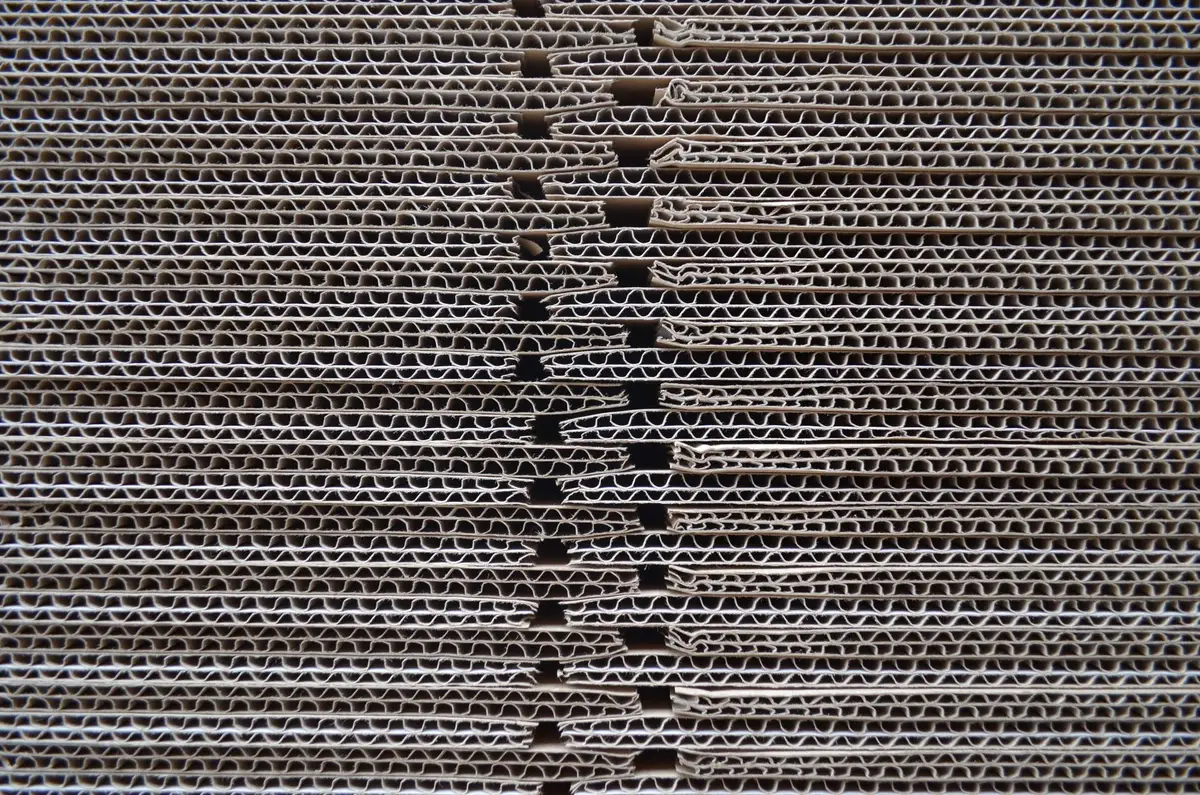
Corrugated Box Maker: How to Find and Vet the Right Supplier
A sourcing guide to corrugated box makers: how boxes are made, which flute type fits your product, pricing ranges, and how to verify a supplier before ordering.
Sep 23, 2026
Find verified suppliers on Tawaf
Create Free AccountFootwear is a $400 billion global industry. Whether you are stocking a retail store, launching a private-label shoe brand, or supplying corporate uniforms with safety boots, finding the right wholesale shoe vendor is the first step to building a profitable operation.
This guide covers everything a B2B buyer needs to know about sourcing shoes wholesale — from identifying the right supplier type and sourcing region to understanding pricing structures, quality benchmarks, and how to avoid the most common mistakes that first-time footwear buyers make.
A wholesale shoe vendor is a manufacturer, distributor, or trading company that sells footwear in bulk at trade prices — typically 40–70 % below retail — to retailers, e-commerce sellers, and other businesses.
Wholesale shoe vendors come in several forms:
Manufacturers — Factories that produce shoes. They offer the lowest prices but require higher minimum order quantities (MOQs), often 300–1,000 pairs per style. Most are located in China, Vietnam, India, Turkey, and Brazil.
Brand distributors — Authorized distributors for footwear brands (Nike, Adidas, Puma, etc.) that sell to retailers at wholesale prices. Access typically requires a retail licence and a brick-and-mortar location.
Closeout and overstock dealers — Companies that buy cancelled orders, excess inventory, or end-of-season stock from brands and sell them at deep discounts (60–80 % off retail). Great for discount retailers.
Trading companies — Intermediaries that connect international buyers with factories. They handle quality control, logistics, and communication, but add a 10–20 % markup over factory prices.
Online wholesale marketplaces — Platforms like Tawaf, Faire, and Alibaba that aggregate multiple vendors and enable B2B purchasing digitally.
| Vendor Type | Price Level | MOQ | Lead Time | Best For |
|---|---|---|---|---|
| Direct manufacturer | Lowest | 300–1,000+ pairs/style | 45–90 days | Private label, large retailers |
| Trading company | Low-Medium | 100–500 pairs/style | 30–60 days | Mid-size buyers, custom orders |
| Brand distributor | Medium | 12–72 pairs/style | 1–2 weeks | Authorized retailers |
| Closeout dealer | Very low (but irregular) | By lot (100–5,000+ pairs) | Immediate | Discount and off-price retailers |
| Online marketplace | Varies | As low as 1–24 pairs | 3–14 days | Small businesses, testing products |
China produces 60 % of the world's footwear, followed by India, Vietnam, Brazil, and Turkey — each region specialises in different shoe types, price points, and quality levels.
| Country | Global Share | Specialty | Price Range (FOB/pair) | Quality Level |
|---|---|---|---|---|
| China | ~60 % | Everything — sneakers, boots, sandals, dress shoes | $3–$40 | Low to High |
| India | ~10 % | Leather shoes, sandals, safety footwear | $4–$25 | Medium |
| Vietnam | ~8 % | Athletic shoes (Nike, Adidas produce here) | $8–$35 | Medium-High |
| Brazil | ~5 % | Leather boots, fashion sandals (Havaianas origin) | $6–$30 | Medium-High |
| Turkey | ~3 % | Leather dress shoes, boots, luxury craftsmanship | $10–$50 | High |
| Indonesia | ~4 % | Casual and athletic shoes | $4–$20 | Medium |
| Italy | ~1 % | Luxury and designer footwear | $30–$200+ | Premium |
| Spain | ~1 % | Leather flats, espadrilles | $15–$60 | High |
China remains the dominant sourcing origin for most wholesale buyers due to sheer variety and competitive pricing. The cities of Guangzhou (leather shoes), Wenzhou (boots and dress shoes), Jinjiang (sneakers), and Dongguan (athletic) are the major clusters.
India is increasingly competitive for leather footwear, with major production hubs in Agra, Chennai, and Kanpur. The country benefits from abundant raw leather supply and low labour costs.
Turkey punches above its weight in quality leather shoes. Istanbul and Izmir have thriving footwear districts that supply European brands.
Browse footwear suppliers from these regions on Tawaf's supplier directory.
Join Tawaf and connect with verified businesses across 47 countries. No middlemen, no commissions.
Join Tawaf FreeStart by defining your target market and shoe category, then source through trade shows, online B2B platforms, and industry directories — always order samples before committing to a bulk purchase.
1. Define your requirements.
Before contacting any vendor, answer these questions:
2. Attend trade shows.
Footwear trade shows are the fastest way to meet verified manufacturers and see products in person:
3. Use online B2B platforms.
4. Request and evaluate samples.
Never place a bulk order without seeing and testing samples first. Order 2–3 pairs per style. Wear-test them for a week. Check:
Wholesale shoe prices range from $3–$5 per pair for basic flip-flops to $30–$80 for quality leather boots, with most popular categories (sneakers, sandals, casual shoes) falling in the $8–$25 range FOB factory.
| Category | Subcategory | FOB Price Range (USD/pair) | Typical MOQ | Key Sourcing Region |
|---|---|---|---|---|
| Sneakers | Canvas casual | $4–$8 | 500 | China (Jinjiang) |
| Sneakers | Athletic/running | $8–$20 | 300 | China, Vietnam |
| Sneakers | Designer-inspired | $12–$25 | 200 | China (Guangzhou) |
| Sandals | Basic flip-flops | $1–$3 | 1,000 | China, India |
| Sandals | Leather sandals | $5–$15 | 300 | India, Brazil |
| Boots | Synthetic fashion boots | $10–$20 | 300 | China (Wenzhou) |
| Boots | Genuine leather boots | $25–$60 | 200 | Turkey, India, China |
| Dress shoes | Men's synthetic | $8–$15 | 500 | China |
| Dress shoes | Men's genuine leather | $18–$45 | 200 | India (Agra), Turkey |
| Safety shoes | Steel-toe boots | $12–$30 | 300 | China, India |
| Kids' shoes | General | $3–$10 | 500 | China |
| Slippers | Indoor/house | $1.50–$5 | 1,000 | China |
Remember: FOB (Free on Board) means the price at the factory gate, before shipping. Add $2–$5 per pair for ocean freight to the US or EU (depending on shoe weight and volume), plus import duties (typically 8–20 % for footwear in the US, depending on material and construction).
Ready to start sourcing shoes? Create your free buyer account on Tawaf to access our global directory of footwear vendors. Post your requirements and receive quotes from verified suppliers within 48 hours.
Most footwear retailers use a keystone markup (2x wholesale) as a starting point, then adjust based on brand positioning, competition, and channel — aiming for a 50–60 % gross margin.
Here is a worked example for a mid-range women's sneaker:
| Cost Component | Amount (USD) |
|---|---|
| FOB price from supplier | $12.00 |
| Ocean freight (per pair, estimated) | $2.50 |
| Import duty (11.5 % on rubber/textile sneakers) | $1.38 |
| Customs clearance and handling | $0.50 |
| Domestic shipping to warehouse | $0.75 |
| Total landed cost | $17.13 |
| Retail price (2.5x markup) | $42.99 |
| Gross profit per pair | $25.86 |
| Gross margin | 60.2 % |
That 60 % gross margin needs to cover your overhead (rent, staff, marketing, website, returns) and still leave a net profit. For online-only sellers, net margins of 10–20 % are achievable. Brick-and-mortar retailers typically net 5–12 % after rent and staffing costs.
Footwear must comply with safety and labelling regulations in the destination market — REACH and CE marking in the EU, CPSIA for children's footwear in the US, and country-of-origin labelling everywhere.
Key standards:
Ask your supplier to provide test reports for the relevant standards before shipping. Reputable factories will have standing test reports from labs like SGS, Bureau Veritas, or Intertek.
The three costliest mistakes are ordering without samples, underestimating import duties, and choosing the cheapest supplier without considering consistency — all of which lead to returns, losses, or customs problems.
This is non-negotiable. Photos and specifications on a supplier's website never tell the full story. Order at least 2 pairs per style. The $50–$100 you spend on samples can save you thousands in returns and negative reviews.
Shoe sizing varies by country and manufacturer. A Chinese size 39 is not always the same as a European 39. Always request the supplier's actual measurements (insole length in cm) for each size, and publish these on your product pages.
FOB price is not your real cost. Add freight, duties, customs fees, domestic transport, and handling. A shoe that costs $10 FOB might land at $15–$18 after everything. Many first-time buyers price their retail based on FOB and then discover their margins have evaporated.
It is tempting to order 20 different styles with 50 pairs each. But this fragments your inventory and makes it hard to negotiate good pricing. Better to start with 5–8 proven styles in larger quantities. You can always add more styles once you know what sells.
Shoes arrive in a box. That box is part of the customer experience. If you are selling at $50+ retail, make sure the box, tissue paper, and any inserts look professional. Many wholesale vendors offer custom packaging for a small upcharge ($0.50–$1.50 per pair).
Establish a clear return policy with your vendor before the first order, inspect a random sample from every bulk shipment, and maintain a reserve fund of 3–5 % of purchase value for quality-related costs.
Returns are a fact of life in footwear retail. The industry average return rate for online shoe sales is 25–35 %, primarily due to sizing and fit issues.
With your vendor:
With your customers:
For sourcing footwear from specific countries, explore our suppliers by country directory.
Sustainability (recycled materials, vegan leather), direct-to-consumer brands cutting out wholesalers, and the rise of private-label footwear are the dominant trends reshaping the wholesale shoe market.
Sustainable footwear. Consumers — especially Gen Z — are demanding shoes made from recycled plastics, organic cotton, plant-based "leather" (made from cactus, pineapple leaf, or mushroom), and water-based adhesives. Wholesale buyers who stock sustainable options are capturing a growing segment.
Private label growth. More retailers are launching their own shoe brands rather than reselling established names. This gives higher margins and more control. Chinese and Indian factories increasingly cater to private-label buyers with low MOQs and design support.
DTC disruption. Brands like Allbirds, Veja, and On Running bypassed traditional wholesale entirely and sold directly to consumers. For wholesale buyers, this means competing against your own suppliers' DTC channels. The solution is to focus on curation, local availability, and customer service — things DTC brands struggle with.
Athleisure dominance. Sneakers and casual athletic-inspired shoes continue to dominate sales volumes. Even traditional "dress shoe" retailers now devote significant floor space to sneakers. Wholesale buyers should skew their assortment toward casual and athletic categories.
Discover trending wholesale footwear on Tawaf's wholesale products directory.
It depends on the vendor type. Direct factories typically require 300–1,000 pairs per style. Trading companies may accept 100–300 pairs. Online wholesale platforms like Faire allow as few as 6–12 pairs per style. Closeout dealers sell by the lot, which could be anywhere from 100 to 5,000 pairs.
Yes. Several platforms offer footwear dropshipping, including CJdropshipping, Spocket, and some Faire vendors. However, shoes are harder to dropship than clothing because fit issues drive even higher return rates. If you dropship shoes, invest heavily in accurate size guides and customer education.
You need a customs broker to clear your shipment, pay the applicable duty (8–20 % depending on shoe material and construction, classified under HTS Chapter 64), and ensure compliance with CPSIA (for children's shoes) and country-of-origin labelling. Your first shipment will likely require a customs bond.
It depends on your product. China offers unmatched variety and scale across all shoe categories. India excels in leather footwear (dress shoes, sandals, boots) at competitive prices. For athletic and synthetic shoes, China is the clear leader. For artisan leather products, India and Turkey offer better value and craftsmanship.
Production time is 30–60 days for new orders (longer if you need custom moulds or designs). Ocean freight adds 20–35 days to the US or EU. Total timeline: 50–90 days from order placement to warehouse delivery. Plan seasonal inventory (back-to-school, holiday) 4–5 months in advance.
Get Started
Create your free account and start connecting with verified suppliers and buyers worldwide.
Create Free Account
We help businesses navigate cross-border trade. Our team covers supplier verification, trade compliance, and B2B marketplace strategies to connect verified businesses worldwide.
A sourcing guide to corrugated box makers: how boxes are made, which flute type fits your product, pricing ranges, and how to verify a supplier before ordering.
Sep 23, 2026

A directory guide to product wholesalers by category: beauty, fashion, food, jewelry, and craft. Compare sourcing paths and connect with verified suppliers.
Sep 14, 2026

Medical equipment is a massive market. The global medical device industry exceeded $595 billion in 2025 and is projected to reach $750 billion by 2030, driven by aging populations, expanding healthcare access in emerging markets, and technological innovation. For B2B buyers --- hospital procurement
May 18, 2026