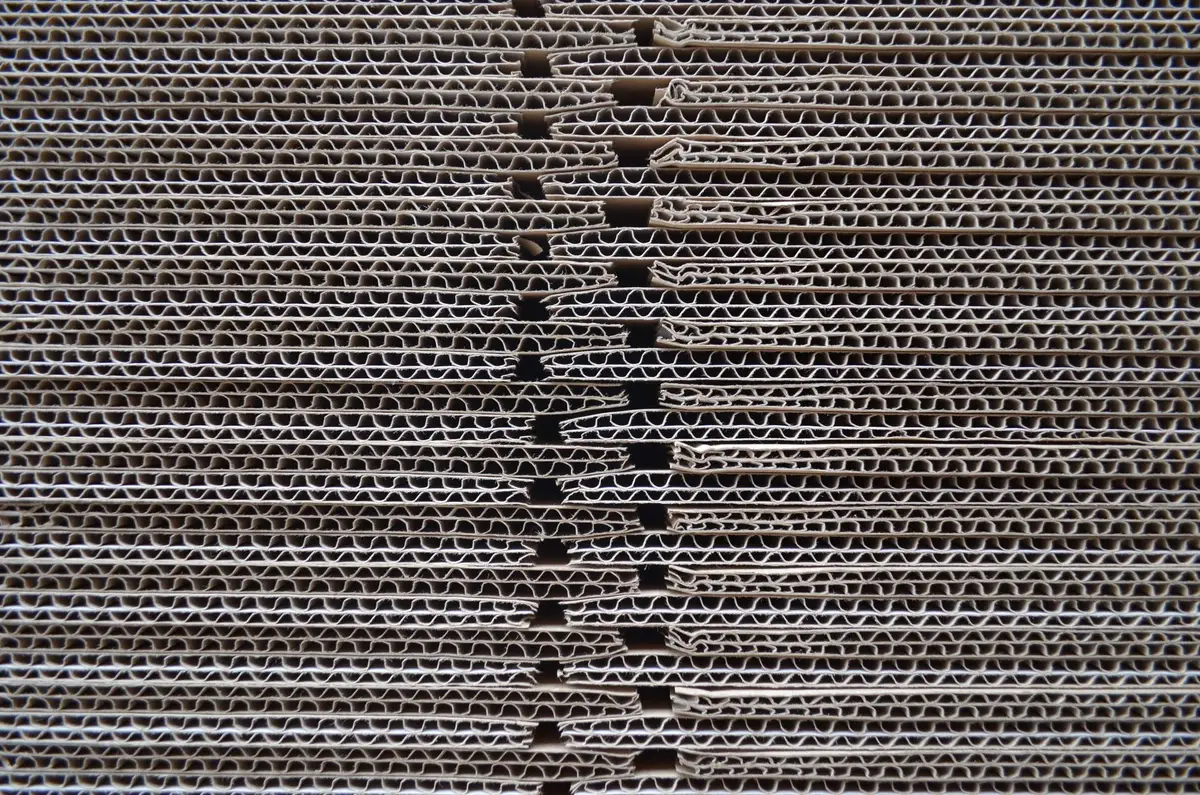
Corrugated Box Maker: How to Find and Vet the Right Supplier
A sourcing guide to corrugated box makers: how boxes are made, which flute type fits your product, pricing ranges, and how to verify a supplier before ordering.
Sep 23, 2026
Find verified suppliers on Tawaf
Create Free AccountEvery florist needs reliable wholesale suppliers. Whether you run a brick-and-mortar flower shop, manage a wedding floral business, or supply arrangements to hotels and restaurants, your margins live or die on how well you source your materials.
This guide covers the full spectrum of wholesale floral supplies — from fresh-cut flowers and dried botanicals to hard goods like vases, floral foam, ribbon, and packaging. We will walk you through how to find suppliers, what to expect on pricing, and how to build a supply chain that keeps your cooler stocked and your costs in check.
Floral supply wholesale refers to the bulk purchase of fresh flowers, dried botanicals, and hard goods (vases, foam, ribbon, wire, packaging) at trade prices, typically 40–60 % below retail, by licensed florists, event planners, and resellers.
The floral supply chain has three layers:
Growers — Farms that cultivate flowers. Major growing regions include Colombia, Ecuador, Kenya, the Netherlands, and parts of the US (California, Florida). Growers sell by the box or pallet through auctions or direct contracts.
Wholesalers — Companies that aggregate flowers from multiple growers, store them in temperature-controlled facilities, and distribute to florists. They also stock hard goods and accessories.
Florists and event planners — The end buyers who arrange flowers for consumers and businesses.
Wholesale pricing is structured as a percentage off retail. A dozen red roses that retails for $30 might wholesale for $12–$15. Hard goods like vases and foam carry even higher margins — a florist might buy a glass cylinder vase for $3 and sell an arrangement in it for $45.
| Category | Examples | Typical Savings vs. Retail | Perishable? |
|---|---|---|---|
| Fresh-cut flowers | Roses, lilies, carnations, tulips | 50–60 % | Yes (3–10 days) |
| Fresh-cut greens | Eucalyptus, salal, ruscus, ferns | 40–55 % | Yes (5–14 days) |
| Dried and preserved | Pampas grass, lavender, dried roses | 35–50 % | No |
| Floral foam | Wet foam (Oasis), dry foam, foam shapes | 40–50 % | No |
| Containers | Glass vases, ceramic pots, baskets | 50–70 % | No |
| Ribbon and wrapping | Satin ribbon, tissue paper, cellophane | 40–55 % | No |
| Floral wire and tape | Stem wire, floral tape, bind wire | 35–45 % | No |
| Tools | Secateurs, strippers, glue guns, knives | 30–40 % | No |
The main channels are regional wholesale flower markets, online B2B platforms, direct-from-farm importers, and national hard-goods distributors like Smithers-Oasis and FloraCraft.
Every major city has a wholesale flower market or district. In the US, the most significant include:
Digital sourcing has exploded in the floral industry. Key platforms:
For high-volume buyers (event planners doing 50+ weddings/year, hotel chains), buying direct from farms in Colombia, Ecuador, or Kenya eliminates the wholesaler markup. This requires:
Floral hard goods (foam, containers, ribbon) come from different distributors than fresh flowers:
Join Tawaf and connect with verified businesses across 47 countries. No middlemen, no commissions.
Join Tawaf FreeFresh flower wholesale prices vary by stem type, grade, stem length, and season. Roses range from $0.30–$1.50 per stem wholesale, while premium flowers like peonies and garden roses can reach $3–$8 per stem.
Here is a representative pricing table for the most popular wholesale flowers in the US market:
| Flower | Grade | Stem Length | Wholesale Price (per stem) | Stems per Box | Season |
|---|---|---|---|---|---|
| Standard rose | Select | 50 cm | $0.35–$0.55 | 250 | Year-round |
| Standard rose | Premium | 60 cm | $0.55–$0.85 | 200 | Year-round |
| Garden rose (David Austin) | Premium | 40–50 cm | $2.50–$5.00 | 36–72 | May–Oct |
| Hydrangea | Select | 45 cm | $2.00–$4.00 | 30 | May–Nov |
| Peony | Premium | 40 cm | $3.00–$8.00 | 40–60 | Apr–Jun |
| Carnation (standard) | Select | 55 cm | $0.15–$0.25 | 300 | Year-round |
| Lily (Oriental) | 3+ bud | 70 cm | $1.50–$3.00 | 50 | Year-round |
| Tulip | Premium | 40 cm | $0.35–$0.65 | 200 | Nov–Apr |
| Sunflower | Select | 60 cm | $0.50–$0.80 | 100 | Jun–Oct |
| Eucalyptus (silver dollar) | Bunch | 60 cm | $3.00–$5.00/bunch | 50 bunches | Year-round |
Prices spike around Valentine's Day (roses can triple), Mother's Day, and prom season. Savvy florists pre-book their Valentine's supply 2–3 months in advance at locked-in prices.
For dried flowers, wholesale pricing is generally:
Tired of chasing multiple suppliers? Register on Tawaf to build your supplier network in one place. Post your floral supply requirements and let verified wholesalers come to you with competitive quotes.
Evaluate wholesalers on four criteria: product freshness and variety, delivery reliability, minimum order requirements, and willingness to handle returns or credits for quality issues.
The most important factor for fresh flowers. A good wholesaler:
For a florist with daily orders, a missed delivery means lost revenue. Evaluate:
Some wholesalers require minimum orders by dollar amount ($100–$500 per order) or by box (full boxes only, no mixed boxes). Smaller florists may need to find wholesalers with lower minimums or join a buying group.
Flowers are perishable. Even the best supply chain produces occasional quality issues — wilted stems, botrytis, short vase life. A good wholesaler has a clear return/credit policy and does not fight you on legitimate claims.
Every florist's workroom needs floral foam, waterproof tape, stem wire, a good pair of secateurs, and a selection of vases and containers — these basics account for about 15–20 % of a florist's supply costs.
The workhorse of flower arranging. Wet floral foam (traditionally Oasis brand) absorbs water and holds stems in place. However, traditional phenol-based foam is not biodegradable and faces growing environmental criticism.
Alternatives gaining traction:
| Type | Typical Wholesale Cost | Use Case |
|---|---|---|
| Glass cylinder (6"×6") | $2.50–$4.00 | Everyday arrangements |
| Glass cube (5"×5") | $2.00–$3.50 | Centrepieces |
| Ceramic pot (4"–6") | $3.00–$8.00 | Potted plants, succulents |
| Tin bucket (rustic) | $1.50–$3.00 | Rustic/country weddings |
| Wooden crate box | $2.00–$5.00 | Farmhouse style |
| Pedestal urn | $8.00–$20.00 | Grand arrangements |
| Clear bud vase | $0.75–$1.50 | Single-stem gifts |
Ribbon is a high-margin upsell. Common types:
Fresh flowers require FIFO (first in, first out) rotation, temperature-controlled storage at 34–38 degrees Fahrenheit, and daily quality checks to minimize waste — the industry average waste rate is 15–25 %.
Waste is the enemy of floral profitability. Here is how successful florists manage it:
Order based on confirmed demand. For daily orders, buy only what you have sold or can reasonably expect to sell. Over-ordering is the top cause of waste.
Maintain your cooler properly. Temperature, humidity, and ethylene control are critical. Keep the cooler at 34–38°F (1–3°C) and 80–90 % humidity. Ensure no fruit or decaying material is stored nearby (ethylene gas accelerates flower aging).
Process flowers immediately on receipt. Cut stems, remove lower foliage, and place in clean water with commercial flower food. This can extend vase life by 2–4 days.
Use dried and preserved flowers as a hedge. Dried and preserved flowers have an indefinite shelf life and are trending heavily. Stocking these reduces your fresh waste exposure.
Track waste religiously. Record what you throw away every week. If certain varieties consistently go to waste, reduce your standing order or switch to ordering them on demand only.
Sustainability (eco-foam, locally grown, reduced air freight), dried and preserved flowers, and direct-to-consumer subscription models are the three biggest trends reshaping how florists source and sell.
Sustainability: Consumers and corporate clients increasingly ask about the environmental impact of flowers. Air-freighting roses from Kenya or Colombia has a significant carbon footprint. In response:
Dried and preserved flowers: Once considered "grandma's décor," dried flowers have become a mainstream product category. Pampas grass, dried palm leaves, preserved roses, and dried eucalyptus now appear in high-end weddings, hotel lobbies, and retail stores. Margins on dried flowers are excellent because there is zero waste.
Direct-to-consumer (DTC): Flower subscription services and online-order florists are disrupting the traditional model. For wholesalers, this creates new customers — DTC brands that need consistent bulk supply. For traditional florists, it intensifies competition and pushes them toward higher-value event work.
For wholesale sourcing of dried and preserved flowers from international markets, browse wholesale floral products on Tawaf.
International floral sourcing — especially from Colombia, Ecuador, Kenya, Ethiopia, and China (for dried goods) — requires phytosanitary compliance, cold chain logistics, and typically a customs broker.
For fresh flowers:
For dried flowers and hard goods:
Use Tawaf's supplier directory to compare international floral suppliers by product category, minimum order, and shipping terms.
A healthy florist markup is 3x to 4x on fresh flowers and 2x to 3x on hard goods, which translates to gross margins of 65–75 % — but after labour, rent, and waste, net margins typically land at 8–15 %.
Here is a simplified margin calculation:
| Item | Wholesale Cost | Retail/Client Price | Markup | Gross Margin |
|---|---|---|---|---|
| 1 dozen roses (arrangement) | $8.00 (stems) + $3.00 (foam/container) = $11.00 | $45.00 | 4.1x | 76 % |
| Wedding centrepiece | $25.00 (flowers) + $8.00 (hard goods) = $33.00 | $125.00 | 3.8x | 74 % |
| Sympathy spray | $40.00 (flowers) + $12.00 (frame/ribbon) = $52.00 | $175.00 | 3.4x | 70 % |
| Dried bouquet | $6.00 (dried stems) + $1.50 (wrapping) = $7.50 | $35.00 | 4.7x | 79 % |
These margins look generous, but they must cover:
After all expenses, a well-run floral business nets 8–15 % on revenue. The key to improving that number is reducing waste and increasing the share of event/wedding work (higher average order value).
In most US states, you need a resale certificate (also called a seller's permit) to buy at wholesale prices without paying sales tax. Some wholesale markets will sell to walk-in consumers, but at higher prices. For hard goods distributors, a tax ID and business registration are usually required to open a wholesale account.
Book your wholesale order 4–8 weeks before the wedding date for common varieties. For specialty flowers (peonies outside their season, rare orchid varieties, specific colour-matched roses), order 8–12 weeks ahead. Confirm availability 2 weeks out and finalise quantities 1 week before.
Yes, but they typically come from different suppliers. Most fresh flower wholesalers also stock basic hard goods (foam, tape, wire), but for a wider selection of vases, containers, and ribbon, you will likely need a dedicated hard goods distributor.
It varies by species. Carnations last 10–14 days, roses 5–8 days, lilies 7–10 days, and delicate flowers like sweet peas last just 3–5 days. Proper cold chain handling and flower food can extend these ranges by 2–3 days.
Document the issue with photos immediately upon receipt. Contact the wholesaler within 24 hours. Reputable wholesalers will issue a credit or replacement for genuine quality problems (wilted stems, wrong variety shipped, pest damage). Always keep your cooler receipts showing proper storage temperature in case there is a dispute.
Get Started
Create your free account and start connecting with verified suppliers and buyers worldwide.
Create Free Account
We help businesses navigate cross-border trade. Our team covers supplier verification, trade compliance, and B2B marketplace strategies to connect verified businesses worldwide.
A sourcing guide to corrugated box makers: how boxes are made, which flute type fits your product, pricing ranges, and how to verify a supplier before ordering.
Sep 23, 2026

A directory guide to product wholesalers by category: beauty, fashion, food, jewelry, and craft. Compare sourcing paths and connect with verified suppliers.
Sep 14, 2026

Medical equipment is a massive market. The global medical device industry exceeded $595 billion in 2025 and is projected to reach $750 billion by 2030, driven by aging populations, expanding healthcare access in emerging markets, and technological innovation. For B2B buyers --- hospital procurement
May 18, 2026