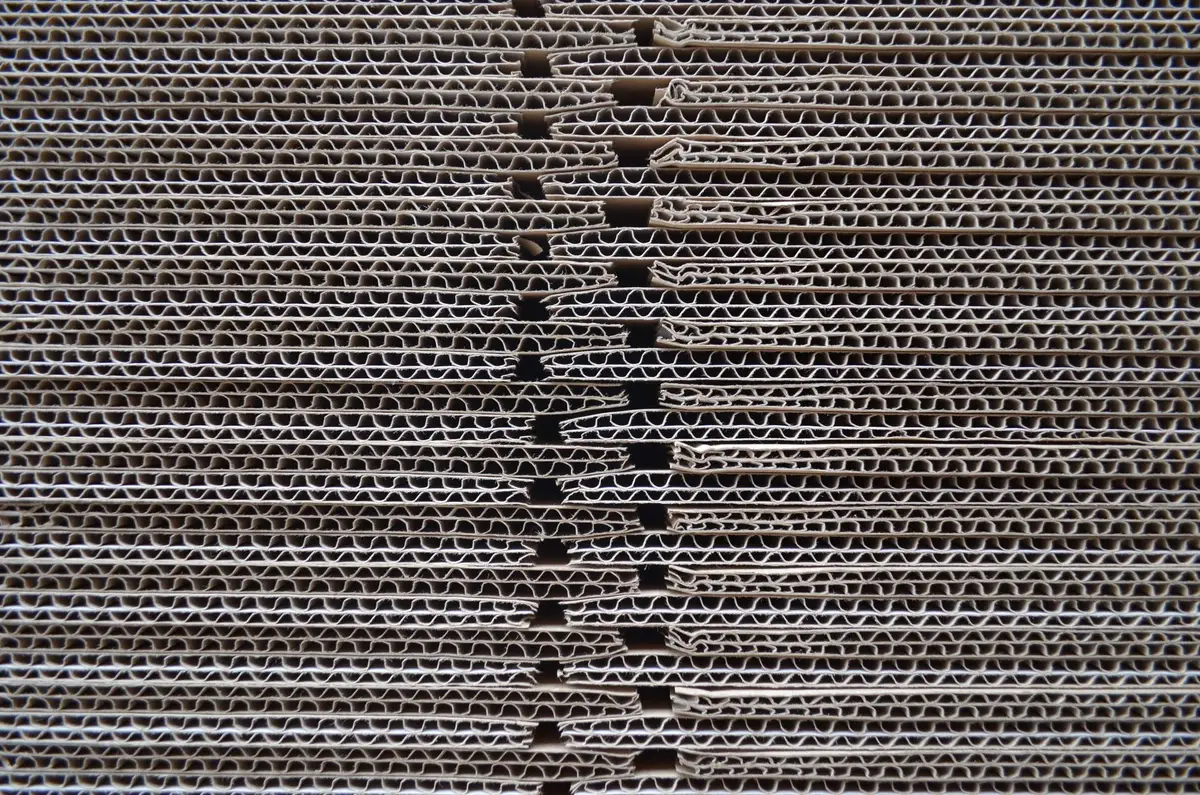
Corrugated Box Maker: How to Find and Vet the Right Supplier
A sourcing guide to corrugated box makers: how boxes are made, which flute type fits your product, pricing ranges, and how to verify a supplier before ordering.
Sep 23, 2026
Find verified suppliers on Tawaf
Create Free AccountBeauty product wholesalers are B2B distributors that sell cosmetics, skincare, fragrance, and personal care items in bulk to retailers, salons, spas, and e-commerce sellers. They operate between manufacturers and end-sellers, offering lower per-unit costs through volume purchasing with minimum order quantities typically ranging from 100 to 10,000 units.
Beauty wholesale is a $275 billion segment. The global cosmetics market hit $430 billion in 2025, and the wholesale and distribution layer captures roughly 60-65% of that value before products reach retail shelves. If you sell beauty products in any format — physical retail, online store, salon, or subscription box — your margins depend on the wholesale relationships you build.
The beauty wholesale market splits into distinct categories, each with its own supply chain dynamics, margin structures, and quality requirements. Understanding these segments before you start sourcing prevents the most common mistake buyers make: treating all beauty products as a single category and ending up with a supplier who's great at lip gloss but terrible at skincare serums.
The five main beauty wholesale segments are color cosmetics (makeup), skincare, fragrance, personal care (bath, body, hair), and tools/accessories. Each segment has different margin profiles, shelf-life considerations, regulatory requirements, and dominant sourcing regions — skincare from Korea, color cosmetics from Italy, and natural products from India.
This includes foundation, lipstick, eyeshadow, mascara, blush, and related products. The color cosmetics segment is trend-driven, meaning product cycles are short (6-18 months for trending shades) and inventory management is critical. Wholesale margins typically run 40-60% off retail.
Key sourcing regions for color cosmetics:
The fastest-growing segment. Skincare includes cleansers, moisturizers, serums, sunscreen, and treatments. Products here require more rigorous testing and certification because they make efficacy claims. Wholesale margins run 50-70% off retail for premium skincare.
Key sourcing regions:
Perfume and cologne wholesale operates differently from other beauty segments. Fragrance sourcing concentrates in Grasse (France) for premium ingredients and Dubai for distribution to Middle Eastern and African markets. Wholesale margins are high (60-75%) but minimum orders are also large.
Bath products, body lotions, hair care, deodorants, and oral care. This is the highest-volume segment with the thinnest margins (25-40% off retail). Personal care products compete on price, so sourcing from lower-cost manufacturing regions matters more here.
Key sourcing regions:
Brushes, sponges, applicators, mirrors, and storage. Lower regulatory burden but also lower margins. China dominates this segment on price and variety.
Join Tawaf and connect with verified businesses across 47 countries. No middlemen, no commissions.
Join Tawaf FreeBeauty wholesale pricing follows a tiered structure based on order volume. A typical markup chain runs: manufacturer cost (1x) to wholesaler (2-2.5x) to retailer (4-5x retail). Minimum order quantities range from 100 units for small distributors to 10,000+ units for factory-direct orders, with unit costs dropping 15-30% at each volume tier.
Understanding the pricing chain is essential before you contact any beauty product wholesaler. Here's how the numbers break down for a hypothetical skincare serum:
| Stage | Unit Cost | Markup | Margin |
|---|---|---|---|
| Manufacturing cost | $2.50 | — | — |
| FOB (factory gate) price | $3.75 | 1.5x | 33% |
| Wholesaler price | $7.50 | 2x on FOB | 50% |
| Distributor/retailer cost | $12.00 | 1.6x on wholesale | 37.5% |
| Retail price | $28.00 | 2.3x on distributor | 57% |
Your position in this chain determines your margin. Buying directly from a manufacturer gets you the best price but requires the largest MOQ and longest lead time. Buying from a wholesaler-distributor costs more per unit but offers lower MOQs, faster shipping, and the ability to order mixed products.
| Supplier Type | Typical MOQ | Lead Time | Best For |
|---|---|---|---|
| Factory direct | 5,000 - 50,000 units | 45-90 days | Large retailers, chains |
| Trading company | 1,000 - 5,000 units | 14-30 days | Mid-size retailers, online sellers |
| Wholesale distributor | 100 - 1,000 units | 3-7 days | Small retailers, salons, startups |
| Closeout/overstock | 500 - 10,000 units | Immediate | Discount retailers, liquidators |
Private label gives you 60-80% gross margins and brand control but requires upfront investment in formulation, packaging, and regulatory compliance. Branded wholesale offers 30-50% margins with zero development cost and instant brand recognition. Most successful beauty businesses start with branded wholesale and add private label once they understand their customer base.
This is the strategic decision that shapes your entire business model.
You purchase existing brands at wholesale prices and resell them. The brand does the marketing, the formulation, and the regulatory work. You focus on sales and distribution.
Advantages:
Disadvantages:
You work with a manufacturer to create products under your own brand name. You control the formula, packaging, pricing, and positioning.
Advantages:
Disadvantages:
For businesses in the early stages, combining both approaches works well. Use branded wholesale to generate cash flow and learn what your customers want, then develop private label products in the categories with the strongest demand.
South Korea leads in skincare innovation with $12 billion in annual beauty exports. Italy dominates premium color cosmetics. India is the fastest-growing source for organic and natural beauty products, with exports growing 18% year-over-year. Each region has distinct strengths that match specific product categories and price points.
Korea's beauty industry is built on innovation speed. Korean manufacturers release new formulations faster than any other country, with product development cycles as short as 3-4 months. The country exports to over 160 countries, with China, the USA, and Japan as top destinations.
What to source from Korea: sheet masks, essences, ampoules, sunscreen, BB/CC creams, lip tints, and cushion compacts.
According to the Korea Customs Service trade data, beauty product exports grew 12.3% in 2025, with skincare accounting for 65% of total beauty exports.
Italian cosmetics manufacturers, concentrated in the "Cosmetics Valley" of Lombardy, produce for most of the world's luxury brands. Companies like Intercos, Chromavis, and Ancorotti manufacture lipstick, foundation, and eye products that end up in Chanel, Dior, and Tom Ford packaging.
What to source from Italy: lipstick, foundation, eye shadows, nail lacquer, and premium packaging.
India's beauty export market is expanding rapidly, driven by global demand for natural ingredients like neem, turmeric, sandalwood, and coconut oil. Indian manufacturers have invested heavily in GMP-certified facilities over the past five years.
On Tawaf, beauty businesses from India are already listing products ranging from herbal skincare to organic hair care formulations. Browse the wholesale products directory to see what's currently available from verified Indian beauty suppliers.
What to source from India: herbal skincare, Ayurvedic treatments, natural hair oils, organic soap, and essential oils.
Ready to source beauty products directly from verified wholesalers? Create your free Tawaf account to browse beauty supplier profiles, compare product listings, and send inquiries. No middlemen, no trade show fees — just direct B2B connections.
Essential beauty product certifications include FDA registration (for US sales), EU Cosmetics Regulation compliance (for European markets), GMP (Good Manufacturing Practice) for production quality, ISO 22716 for cosmetics-specific quality management, and halal certification for Middle Eastern and Southeast Asian markets. Never import beauty products without verifying at least one recognized quality standard.
Certification requirements depend on where you plan to sell the products:
| Certification | Required For | What It Covers | Cost to Obtain |
|---|---|---|---|
| FDA Registration | US market | Facility and product listing (not approval) | $5,000 - $15,000 |
| EU Cosmetics Regulation (EC 1223/2009) | EU/UK market | Safety assessment, CPNP notification | $3,000 - $10,000 per product |
| GMP (Good Manufacturing Practice) | All markets | Production facility standards | $10,000 - $50,000 for certification |
| ISO 22716 | International B2B | Cosmetics-specific quality management | $8,000 - $25,000 |
| Halal Certification | Middle East, SE Asia | Ingredient compliance with Islamic law | $2,000 - $8,000 |
| Cruelty-Free (Leaping Bunny) | Global (voluntary) | No animal testing | $500 - $3,000 |
| Organic (USDA/COSMOS) | Global (voluntary) | Organic ingredient sourcing | $3,000 - $15,000 |
A critical point: FDA "registration" is not FDA "approval." The FDA does not approve cosmetics before they go to market. They require facility registration and product listing, but safety is the manufacturer's responsibility. Many wholesalers misrepresent this distinction. If a supplier tells you their products are "FDA approved," that's a red flag — they either don't understand the system or they're being dishonest.
For the EU market, compliance is stricter. Every cosmetic product sold in the EU must have a Product Information File (PIF) that includes a safety assessment conducted by a qualified toxicologist. This is non-negotiable and applies regardless of whether the product is manufactured in the EU or imported.
Evaluate beauty wholesalers on five criteria: product authenticity verification, certification documentation, MOQ flexibility, sample availability, and return/defect policies. Request third-party lab test results for any product making efficacy claims. Verify the supplier's business license and check for complaints on B2B review platforms before placing your first order.
The beauty industry has a significant counterfeiting problem. An estimated 10% of beauty products sold globally are counterfeit, according to the OECD's trade in counterfeit goods report. When sourcing from wholesalers, due diligence is not optional.
Platforms like Tawaf help mitigate some of these risks by requiring business verification during registration. When you browse beauty supply wholesale distributors on the platform, each listing comes from a verified business entity.
Three trends are reshaping beauty wholesale: the shift to clean/sustainable formulations (now 28% of the market), the growth of "skinification" across all beauty categories, and the rise of direct-from-manufacturer sourcing via B2B platforms that bypass traditional distributor networks. Brands that adapt their sourcing to these trends gain shelf space.
"Clean beauty" is no longer a niche. Products free from parabens, sulfates, phthalates, and synthetic fragrances now account for 28% of the US prestige beauty market and the share is growing at 12% annually. For wholesalers, this means stocking clean-certified products is a revenue opportunity, not just an ethical choice.
The "skinification" trend means applying skincare-grade ingredients to non-skincare products. Hair care with hyaluronic acid. Body wash with niacinamide. Lip products with peptides. This blurs category lines and means beauty wholesalers need to source across segments rather than specializing in just one.
The traditional beauty distribution chain — manufacturer to exclusive distributor to regional wholesaler to retailer — is compressing. B2B marketplaces now allow retailers to source directly from manufacturers, cutting out one or two layers of markup. This doesn't eliminate wholesalers, but it forces them to add value beyond simply holding inventory.
Halal beauty is a $75 billion global market growing at 12% annually. Sourcing halal-certified beauty products requires verifying certification from recognized bodies like JAKIM (Malaysia), MUI (Indonesia), or GCC-accredited certifiers. Key compliance areas include alcohol-free formulations, no animal-derived ingredients from non-halal sources, and halal-certified manufacturing processes.
The halal beauty market serves 1.8 billion Muslim consumers plus a growing number of non-Muslim consumers who see halal certification as a quality indicator (similar to how organic certification crossed over from niche to mainstream).
For B2B buyers targeting Middle Eastern, Southeast Asian, or African markets, halal certification is functionally mandatory. Major retailers in Saudi Arabia, UAE, Malaysia, and Indonesia will not stock beauty products without recognized halal certification.
Key ingredients that disqualify a product from halal certification:
For wholesalers sourcing from India, many manufacturers already hold halal certification for their hair care and skincare lines. Browse hair supplier wholesale options on Tawaf to find certified suppliers.
Beauty product wholesalers typically mark up 80-150% above their purchase cost from manufacturers, depending on the product category. Skincare and fragrance carry higher markups (100-150%) due to perceived value and brand positioning, while personal care products like shampoo and body wash carry lower markups (50-80%) because of price sensitivity and higher competition among sellers.
Verify the wholesaler's business registration, request certificates of analysis from independent labs, and always order samples before committing to bulk purchases. Check if they're an authorized distributor by contacting the brand directly. Avoid suppliers offering prices more than 50% below typical wholesale, and use verified B2B platforms that require business documentation during the supplier registration process.
Minimum order quantities vary by supplier type. Factory-direct orders typically require 5,000 to 50,000 units per SKU. Trading companies and mid-tier wholesalers accept 1,000 to 5,000 units. Small wholesale distributors, especially those serving salons and indie retailers, may accept orders as low as 100 to 500 units per SKU, though unit pricing will be higher.
Requirements vary by country. In the US, you need an FDA facility registration and product listing. The EU requires a Responsible Person based in the EU and a Product Information File for each product. Most countries require cosmetics to meet local labeling standards (language, ingredient listing, batch codes). Import duties on cosmetics range from 0% to 20% depending on the destination country and product classification.
Private label beauty can deliver 60-80% gross margins, but upfront costs are significant. Budget $5,000 to $25,000 per SKU for formulation, testing, packaging design, and initial production run. The minimum viable private label line typically requires 3-5 SKUs to look credible. Most small businesses start with branded wholesale to build revenue and customer insights, then launch private label products in their strongest-performing categories.
Get Started
Create your free account and start connecting with verified suppliers and buyers worldwide.
Create Free Account
We help businesses navigate cross-border trade. Our team covers supplier verification, trade compliance, and B2B marketplace strategies to connect verified businesses worldwide.
A sourcing guide to corrugated box makers: how boxes are made, which flute type fits your product, pricing ranges, and how to verify a supplier before ordering.
Sep 23, 2026

A directory guide to product wholesalers by category: beauty, fashion, food, jewelry, and craft. Compare sourcing paths and connect with verified suppliers.
Sep 14, 2026

Medical equipment is a massive market. The global medical device industry exceeded $595 billion in 2025 and is projected to reach $750 billion by 2030, driven by aging populations, expanding healthcare access in emerging markets, and technological innovation. For B2B buyers --- hospital procurement
May 18, 2026