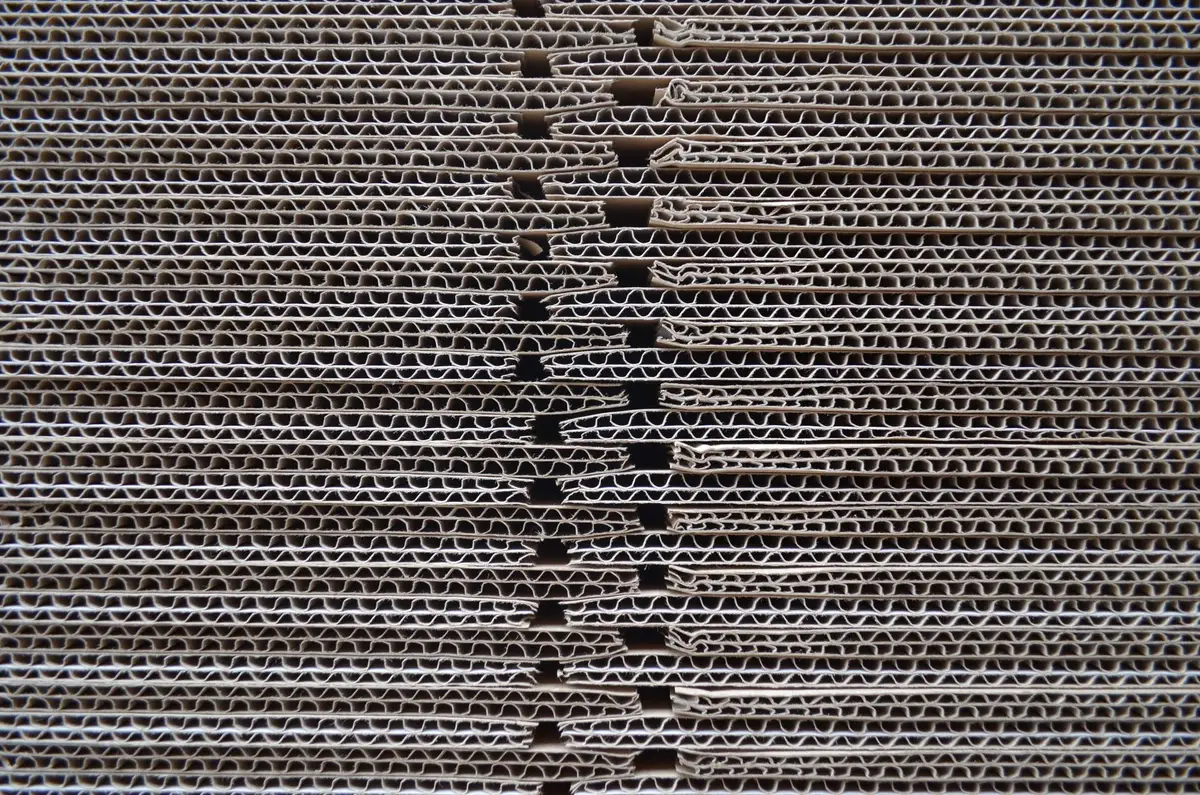
Corrugated Box Maker: How to Find and Vet the Right Supplier
A sourcing guide to corrugated box makers: how boxes are made, which flute type fits your product, pricing ranges, and how to verify a supplier before ordering.
Sep 23, 2026
Find verified suppliers on Tawaf
Create Free AccountFashion wholesale vendors shape retail margins.
Fashion wholesale vendors are manufacturers, distributors, or trading companies that sell clothing in bulk at below-retail prices to boutiques, retailers, and e-commerce businesses. They operate across categories like dresses, suits, streetwear, modest fashion, and activewear, typically requiring minimum order quantities between 50 and 5,000 pieces per style.
The global fashion wholesale market generates over $700 billion annually. For boutique owners and independent retailers, the vendor you choose determines your margin, your restock speed, and ultimately whether your business survives year two. A bad vendor means dead inventory. A good one means consistent sell-through and customers who come back.
Fashion wholesale works on a simple model: you buy at 40-70% below retail, mark up to cover overhead and profit, and sell through your channels. The complexity sits in finding vendors who deliver consistent quality, meet deadlines, and offer minimum order quantities that match your cash flow.
Most new retailers make the mistake of chasing the lowest unit price. That approach ignores shipping costs, defect rates, and the reality that cheap garments generate returns. The real calculation is landed cost per sellable unit — and that number depends on where you source, how you ship, and who you buy from.
Start with your highest-margin, fastest-turning category. For most boutiques, that means dresses and tops. These categories offer 60-75% markups, rotate seasonally, and carry lower size-curve risk than pants or outerwear. Add accessories as margin boosters once your core apparel line is established.
Here is a breakdown of common fashion wholesale categories, typical margins, and sourcing complexity:
| Category | Typical Wholesale Price | Retail Markup | MOQ Range | Sourcing Complexity |
|---|---|---|---|---|
| Casual Dresses | $8–$25 | 60–75% | 50–500 pcs | Low |
| Formal Suits | $30–$80 | 50–65% | 100–1,000 pcs | Medium |
| Streetwear | $6–$18 | 65–80% | 100–500 pcs | Low |
| Modest Fashion | $10–$30 | 55–70% | 50–300 pcs | Medium |
| Activewear | $5–$15 | 70–85% | 200–1,000 pcs | Medium |
| Denim | $12–$35 | 50–60% | 300–2,000 pcs | High |
| Outerwear | $20–$60 | 55–65% | 100–500 pcs | High |
| Accessories | $2–$10 | 75–90% | 100–1,000 pcs | Low |
Accessories deserve special attention. Scarves, bags, belts, and fashion jewelry carry the highest markups in fashion retail but get overlooked by first-time buyers who focus exclusively on clothing. A $3 wholesale scarf retailing at $24 is an 8x return. Browse the Tawaf wholesale products directory to see what categories are actively listed by verified vendors.
Join Tawaf and connect with verified businesses across 47 countries. No middlemen, no commissions.
Join Tawaf FreeEvaluate vendors on five criteria: sample quality, production capacity, communication responsiveness, export documentation, and references from existing buyers. Request a paid sample before any bulk order. A vendor who refuses samples or insists on wire transfer with no escrow is a vendor you walk away from.
Vendor evaluation is the part most retailers rush through. They find a price they like, place an order, and discover problems when the container arrives. A structured evaluation process takes two to four weeks and saves you from five-figure mistakes.
Start with samples. Pay for them — free samples often come from a different production line than your actual order. When the sample arrives, check stitching consistency, fabric weight against spec, colorfastness (wash it three times), and whether the sizing matches your target market's expectations.
Next, verify production capacity. A vendor who claims 50,000 pieces per month but operates from a 2,000 square foot facility is subcontracting your order. That is not inherently bad, but you need to know who actually makes your product.
Communication speed matters more than most buyers realize. If a vendor takes five days to respond during the sales phase, expect ten days during production. Time zones explain some delay, but consistent slow responses signal organizational problems.
Check export documentation. Can they provide commercial invoices, packing lists, certificates of origin, and any required compliance documentation for your import market? Vendors who export regularly have these systems in place. Those who do not will cause customs delays.
Finally, ask for references. Contact at least two existing buyers in your market. Ask specifically about defect rates, on-time delivery percentage, and how the vendor handled problems.
Turkey leads in quality tailoring and suits. China dominates volume production across all categories. India excels in cotton garments and hand-embellished pieces. Each region has distinct strengths, price points, and logistical considerations that should match your product strategy and order volumes.
Geography determines more than price. It determines fabric options, construction quality, lead times, shipping costs, and compliance frameworks. Here is how the major sourcing regions compare for fashion wholesale:
Turkey produces some of the world's best-constructed garments. Istanbul's textile district runs deep — fabric mills, trim suppliers, and CMT (cut-make-trim) factories operate within a tight radius. Turkish vendors excel at suits, formalwear, knitwear, and modest fashion. MONO UOMO, a Turkish manufacturer on Tawaf, produces men's suits with full canvas construction at wholesale prices that undercut Italian equivalents by 40-60%. MOQs from Turkish factories typically start at 100-300 pieces per style, making them accessible for mid-size retailers.
China remains the volume champion. Guangzhou, Shenzhen, and Hangzhou house massive garment manufacturing clusters. Chinese vendors handle everything from $2 t-shirts to $50 technical outerwear. The advantage is scale — MOQs can start as low as 50 pieces for stock items, and factories retool between styles faster than anywhere else. The trade-off is that quality varies enormously. Factory audits are essential, not optional.
India is the go-to for cotton-based garments, hand-embroidered pieces, and artisan textiles. Tiruppur produces 45% of India's cotton knitwear exports. Jaipur handles block printing and traditional textiles. For fashion retailers targeting conscious consumers or artisan aesthetics, Indian vendors offer storytelling value alongside competitive pricing.
Cameroon and West Africa represent an emerging sourcing region, particularly for leather goods and handcrafted accessories. Artisan sandal makers in Cameroon produce distinctive designs available on the Tawaf supplier network at wholesale quantities starting from 50 pairs.
For retailers just starting, explore suppliers by country to compare vendor availability across these regions.
Expect minimum order quantities of 50-500 pieces per style for stock items and 300-2,000 pieces for custom production. Standard payment terms are 30% deposit with balance before shipment. Established buyers negotiate 60-90 day net terms after building a track record of three to five successful orders.
Payment terms and MOQs are negotiable, but you need leverage to negotiate. Leverage comes from order volume, repeat business, and market access. A first-time buyer ordering 200 pieces gets different terms than a chain buyer ordering 10,000 pieces quarterly.
| Order Type | Typical MOQ | Payment Terms | Lead Time |
|---|---|---|---|
| Stock/Ready-made | 50–200 pcs | 100% upfront or 50/50 | 3–7 days |
| Semi-custom (color/size) | 200–500 pcs | 30% deposit, 70% before ship | 2–4 weeks |
| Full custom (design/fabric) | 500–2,000 pcs | 30/40/30 milestone | 6–12 weeks |
| Private label | 1,000–5,000 pcs | 30% deposit, 70% against B/L | 8–16 weeks |
For boutique owners working with limited capital, stock items and semi-custom orders make the most sense initially. You get lower MOQs, faster turnaround, and lower financial risk. As your sales data tells you what moves, you can transition to custom production with higher margins.
Wire transfers (T/T) remain standard for international fashion wholesale. For added protection, consider using trade assurance platforms or escrow services for first-time vendor relationships. Letters of credit work for orders above $20,000 but add 1-3% in banking fees.
According to McKinsey's State of Fashion report, the fashion industry's sourcing patterns are shifting toward nearshoring and diversification. Retailers who build relationships with vendors across multiple regions reduce supply chain risk.
Ready to connect with verified fashion vendors? Create your free Tawaf account and start browsing wholesale fashion suppliers with verified profiles, product catalogs, and direct messaging. No middlemen, no listing fees.
Landed cost equals the product price plus shipping, duties, insurance, customs brokerage, and inland freight. For fashion imports, expect landed cost to add 25-45% on top of the FOB price. Calculate per unit, not per shipment, and factor in a 2-5% allowance for defects and damages.
Most new importers calculate cost as "what I paid the vendor." That number is the starting point, not the finish line. Landed cost includes:
A $10 FOB dress might land at $13.50-$14.50 depending on your destination market and shipping method. That is a 35-45% increase over the vendor price. If you are pricing based on the $10 figure, your margins are thinner than you think.
The World Trade Organization's tariff database provides current duty rates by product classification. Check your specific HS codes before finalizing any pricing model.
The three costliest mistakes are ordering without samples, ignoring size grading for your target market, and over-ordering first-time styles. Sample-first sourcing costs $200-$500 upfront but prevents $5,000-$50,000 inventory mistakes. Size grading errors make 30-40% of your order unsellable in your market.
Mistake number one: skipping samples. It bears repeating because it happens constantly. Vendors show professional photos, send detailed spec sheets, and the product that arrives looks different. Pay the $50-$100 per sample. It is insurance.
Mistake number two: ignoring size grading. A "Medium" from a Turkish vendor fits differently than a "Medium" from a Chinese vendor. Both differ from what your American, European, or Middle Eastern customer expects. Get a size chart, compare it to your market's expectations, and order samples across the size range.
Mistake number three: emotional buying. You visit a trade show, see a gorgeous collection, and order 2,000 pieces of a style you have never tested. The disciplined approach is to order small, test the market, reorder what sells, and cut what does not.
Mistake number four: single-vendor dependency. If your only suit vendor has a factory fire, your business stops. Build relationships with at least two vendors per key category.
Long-term vendor relationships are built through consistent orders, prompt payment, clear communication, and reasonable expectations. Vendors prioritize buyers who order regularly over those who place one large order annually. Pay on time every time — it earns you priority production slots and better pricing faster than negotiation.
The transactional approach to vendor relationships — always chasing the lowest price, switching vendors for a 3% saving — costs more in the long run. Relationship sourcing gets you priority during peak season, first access to new fabrics and styles, flexibility on MOQs when you need a small reorder, and faster response when problems occur.
Start by paying on time. This sounds basic but it separates you from 60% of buyers. Vendors have cash flow constraints too, especially smaller manufacturers. A buyer who pays on schedule becomes a preferred partner.
Communicate proactively. Share your sales data (selectively). Tell vendors what is selling and what is not. This helps them recommend new products and adjust production for your market. Visit the factory if your order volume justifies the trip. Face-to-face relationships accelerate trust on both sides.
Consider exploring the Tawaf B2B marketplace to connect directly with manufacturers who are actively seeking long-term wholesale partnerships.
Digital B2B marketplaces, 3D sampling, and AI-driven trend forecasting are compressing the sourcing cycle from months to weeks. Platforms like Tawaf let retailers browse verified vendor catalogs, request quotes, and negotiate terms without trade show travel. Adoption among small retailers grew 65% between 2024 and 2026.
The traditional fashion wholesale model required attending trade shows in Las Vegas, Paris, or Istanbul two to four times a year. That model still exists, but digital platforms have created a parallel channel that is faster and more accessible.
B2B marketplaces aggregate verified vendors, standardize product listings, and provide communication tools. Instead of emailing 30 factories and waiting for responses, you browse catalogs, compare MOQs, and send inquiries to multiple vendors simultaneously. Tawaf focuses specifically on connecting verified manufacturers with retailers, eliminating the middleman markup.
3D sampling technology allows vendors to create digital garment prototypes that buyers can review before physical samples are made. This cuts two to three weeks from the sourcing timeline and reduces sample shipping costs.
For deeper reading on wholesale clothing sourcing strategies, check out the guide on wholesale clothing vendors that covers vendor vetting in detail.
You can start fashion wholesale buying with $2,000-$5,000 for a focused initial order. This budget covers 100-300 pieces across two to three styles from stock inventory vendors. Factor in $500-$800 for samples before committing to the bulk order. Avoid spreading your budget across too many categories — depth in two to three styles beats shallow coverage across ten.
Verify vendors by requesting business registration documents, checking for export licenses, reviewing their presence on verified B2B platforms, and contacting existing buyers as references. Look for vendors with active social media showing factory operations, not just product photos. Physical factory addresses that can be verified on Google Maps add credibility. A video call tour of the production facility is reasonable to request.
A wholesaler buys finished goods from manufacturers and resells them at a markup, typically 15-30% above factory price. A manufacturer produces the garments and sells directly. Buying from manufacturers gives you lower prices and customization options but usually requires higher MOQs. Wholesalers offer lower MOQs, faster delivery from existing stock, and broader product variety from multiple factories in a single order.
Sea freight from Asia to North America takes 18-35 days depending on origin port and destination. Turkey to Europe is 7-14 days by sea. Air freight reduces transit to 3-7 days but costs 4-6 times more per kilogram. Add 3-7 business days for customs clearance. Plan orders with a minimum 6-week buffer from payment to receiving inventory in your warehouse.
Yes, but your leverage depends on the vendor's capacity utilization and your relationship history. During slow production periods, vendors often accept MOQs 30-50% below their published minimums. Offering to pay a slightly higher per-unit price (5-10%) in exchange for lower MOQs is a standard negotiation tactic that works because it maintains the vendor's revenue per production run.
Get Started
Create your free account and start connecting with verified suppliers and buyers worldwide.
Create Free Account
We help businesses navigate cross-border trade. Our team covers supplier verification, trade compliance, and B2B marketplace strategies to connect verified businesses worldwide.
A sourcing guide to corrugated box makers: how boxes are made, which flute type fits your product, pricing ranges, and how to verify a supplier before ordering.
Sep 23, 2026

A directory guide to product wholesalers by category: beauty, fashion, food, jewelry, and craft. Compare sourcing paths and connect with verified suppliers.
Sep 14, 2026

Medical equipment is a massive market. The global medical device industry exceeded $595 billion in 2025 and is projected to reach $750 billion by 2030, driven by aging populations, expanding healthcare access in emerging markets, and technological innovation. For B2B buyers --- hospital procurement
May 18, 2026