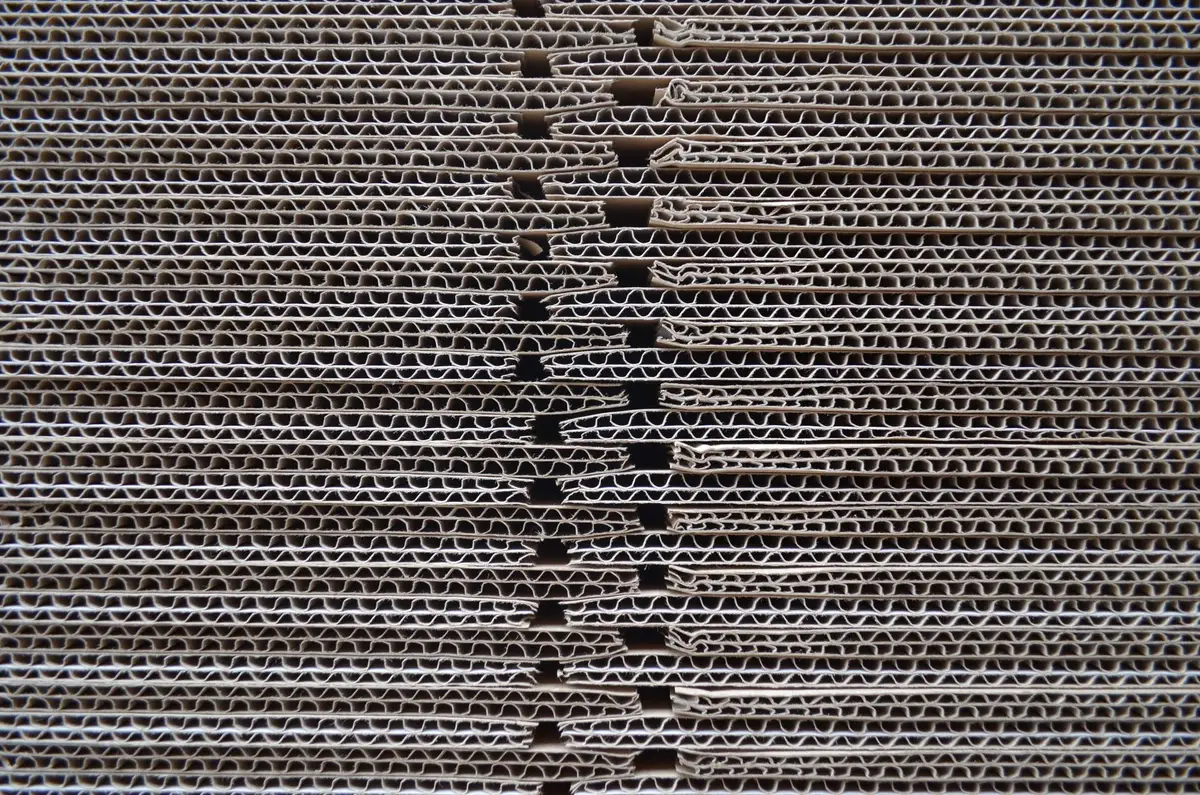
Corrugated Box Maker: How to Find and Vet the Right Supplier
A sourcing guide to corrugated box makers: how boxes are made, which flute type fits your product, pricing ranges, and how to verify a supplier before ordering.
Sep 23, 2026
Find verified suppliers on Tawaf
Create Free AccountSelling clothes without holding inventory sounds ideal. Clothing dropshipping makes it possible — you list products in your online store, a customer orders, and your supplier ships directly to them. You never touch the garment.
But the reality is more nuanced than the pitch. Margins are thin, shipping times can be long, quality control is out of your hands, and returns are a logistical headache. This guide gives you an honest, detailed look at clothing dropshipping — how it works, where to find suppliers, what margins to expect, and how to avoid the traps that sink most newcomers.
Clothing dropshipping is a retail fulfillment model where you sell apparel through your own store without purchasing inventory upfront. When a customer places an order, your dropshipping supplier picks, packs, and ships the item directly to the buyer under your brand.
The standard dropshipping flow:
The model eliminates two of the biggest barriers to starting a fashion business: upfront inventory investment and warehouse space. But it introduces other challenges — namely, thinner margins and less control over the customer experience.
| Factor | Dropshipping | Traditional Wholesale |
|---|---|---|
| Upfront investment | $0–$500 (store setup only) | $2,000–$50,000+ (inventory) |
| Inventory risk | None — supplier holds stock | High — unsold inventory is your problem |
| Profit margin | 15–35 % | 50–70 % (keystone markup) |
| Shipping speed | 3–15 days (varies by supplier location) | 1–3 days (you ship from your warehouse) |
| Quality control | Limited — you rely on supplier | Full — you inspect before shipping |
| Branding | Limited (some suppliers offer white-label) | Full control |
| Returns handling | Complex — must coordinate with supplier | Simple — you process in-house |
| Scalability | High — no warehouse constraints | Medium — limited by storage and cash flow |
The best clothing dropshippers operate on dedicated B2B platforms (Tundra, Faire, Tawaf), through direct manufacturer relationships, or via integrated marketplaces like AliExpress and CJdropshipping that connect to your store.
These suppliers hold inventory in the US or Europe, enabling 2–5 day delivery:
These suppliers offer the lowest wholesale prices but ship from China (7–15 day delivery even with express options):
If you want to sell your own clothing designs without inventory:
For finding unique suppliers and negotiating custom terms, browse fashion suppliers on Tawaf to access verified manufacturers and wholesalers from across Asia, the Middle East, and beyond.
Join Tawaf and connect with verified businesses across 47 countries. No middlemen, no commissions.
Join Tawaf FreeTypical clothing dropshipping margins range from 15–35 % on selling price, with most beginners averaging 20–25 % after advertising costs. To be profitable, you need either high volume or a niche focus with premium pricing.
Let us break down the economics with a real example:
| Item | Amount |
|---|---|
| Supplier price (CJdropshipping) | $12.00 |
| Shipping cost (to US customer) | $4.50 |
| Your total cost | $16.50 |
| Your retail price | $34.99 |
| Gross profit per sale | $18.49 |
| Gross margin | 52.8 % |
| Facebook/Instagram ad cost per sale (avg.) | $10–$15 |
| Net profit per sale (after ads) | $3.49–$8.49 |
| Net margin (after ads) | 10–24 % |
That net margin assumes everything goes right — no returns, no chargebacks, no customer service costs. In reality, fashion has a 20–30 % return rate for online purchases, which eats further into margins.
| Pricing Strategy | Retail Price Range | Typical Margin After Ads | Best For |
|---|---|---|---|
| Budget fast fashion | $15–$30 | 5–15 % | Volume sellers, TikTok Shop |
| Mid-range fashion | $30–$75 | 15–25 % | Niche stores, Instagram brands |
| Premium/designer | $75–$200+ | 25–40 % | Curated boutiques, BrandsGateway |
| Print-on-demand | $25–$50 | 15–30 % | Custom designs, fan merch |
The highest margins go to sellers who build a genuine brand identity — not just a generic store reselling AliExpress products. A curated bohemian dress shop with a strong Instagram following can charge 3–4x the supplier price because customers buy the brand experience, not just the garment.
Building a fashion brand? Sign up on Tawaf to discover clothing manufacturers and wholesalers who offer white-label and dropshipping programs. Compare suppliers, request samples, and start selling.
Order samples yourself, check shipping times to your target market, read reviews on third-party forums (not the supplier's own site), and verify their return policy before listing a single product.
This is where most dropshippers fail. They list 200 products from an untested supplier and hope for the best. Here is a better approach:
Buy the products yourself as a regular customer. Evaluate:
Before you have real customers, simulate a return. See how the supplier handles it. Are they responsive? Do they provide a return label? Do they deduct a restocking fee? Understanding this upfront saves headaches later.
Send the supplier a question at 3 PM on a Tuesday. How fast do they respond? Now send one at 10 PM on a Saturday. If a customer has a shipping issue over the weekend, you need to know that someone will answer.
Long shipping times, inconsistent sizing, high return rates, and intense competition from other dropshippers selling identical products are the four biggest challenges in clothing dropshipping.
Let us address each honestly:
1. Shipping times. If your supplier is in China, standard shipping takes 7–15 days. Express options (5–7 days) cost $5–$10 more per package. US-based dropshippers solve this but have smaller catalogues and higher wholesale prices. Customers in 2026 expect Amazon-speed delivery — anything over 5 days triggers anxiety.
2. Inconsistent sizing. This is the number-one cause of returns in fashion dropshipping. Chinese manufacturers often use different sizing standards. A "Medium" from one supplier is a "Small" from another. You must create detailed size guides with actual measurements (bust, waist, hip, length in cm/inches) for every product.
3. High return rates. Online fashion returns average 20–30 %. With dropshipping, processing returns is complicated — the customer ships back to you (or to the supplier), and you must decide whether to resend, refund, or absorb the loss. Many dropshippers simply offer refunds without requiring a return for items under $30 — it is cheaper than paying for return shipping.
4. Competition. If you are selling generic AliExpress clothing, hundreds of other stores sell the exact same products, often at lower prices. Differentiation through branding, content, styling guides, and customer experience is essential.
5. Quality control. You cannot inspect every garment before it ships. One bad batch from your supplier can generate a wave of negative reviews that tanks your store's reputation. Mitigate this by maintaining a close relationship with your supplier and ordering spot-check samples periodically.
Pick a narrow niche, build a real brand identity, invest in content and social media, optimise your product pages for conversion, and treat your supplier relationship like a partnership — not just a transaction.
The biggest mistake is trying to sell "everything." Successful clothing dropshippers pick a tight niche:
A tight niche lets you build a loyal audience, create targeted content, and become the go-to store for that segment.
Even as a dropshipper, you can build a brand:
Fashion is visual. Your marketing channels:
For sourcing unique fashion products that differentiate your store, check out wholesale fashion products on Tawaf.
Shopify dominates the dropshipping store platform market, with DSers, Spocket, and CJdropshipping providing the supplier integrations that automate order fulfillment.
| Tool/Platform | Purpose | Cost | Best For |
|---|---|---|---|
| Shopify | Store platform | $39/mo | Most dropshippers |
| WooCommerce | Store platform (WordPress) | Free (hosting extra) | Budget-conscious sellers |
| DSers | AliExpress order automation | Free–$49.90/mo | AliExpress sourcing |
| Spocket | US/EU supplier integration | $39–$99/mo | Fast-shipping focus |
| CJdropshipping | China supplier + fulfillment | Free (pay per order) | Custom branding |
| Printful | Print-on-demand | Free (pay per item) | Custom designs |
| Canva | Product image editing | Free–$15/mo | Visual content |
| Klaviyo | Email marketing | Free–$45/mo | Customer retention |
You need a business licence, a sales tax permit (in the US), and must comply with textile labelling laws — plus, you are legally responsible for the product even though the supplier manufactured it.
Key legal considerations:
Business registration. Register as an LLC or sole proprietorship. This protects your personal assets and is required for payment processor accounts.
Sales tax. In the US, you must collect sales tax in states where you have nexus. Shopify and other platforms handle calculation and collection, but you must register for a sales tax permit in each relevant state. Services like TaxJar or Avalara automate multi-state compliance.
Textile labelling. The US Federal Trade Commission (FTC) requires clothing to be labelled with fibre content, country of origin, and care instructions. As the seller, you are responsible for compliance even if the manufacturer applies the labels.
Product liability. If a garment causes harm (allergic reaction to dyes, flammability issues with children's sleepwear), you can be held liable as the seller. Product liability insurance is recommended — costs approximately $300–$500/year for a small store.
Consumer protection. You must honour return rights under your jurisdiction's consumer protection laws (14-day cooling-off period in the EU, state-specific rules in the US). Your return policy cannot override statutory consumer rights.
For importing clothing internationally, check import duty rates on the US International Trade Commission Harmonized Tariff Schedule.
You can launch for under $500. Budget approximately $39/month for Shopify, $50–$100 for a domain and theme, $100–$200 for initial product samples, and $200–$300 for initial advertising. The real investment is time — building your store, creating content, and testing ads takes 40–80 hours before you see meaningful traction.
Generally no. Major brands do not authorize third-party dropshipping. Selling branded goods without authorization can lead to trademark infringement claims and legal action. BrandsGateway and similar platforms are exceptions — they are authorized distributors for specific brands and extend that authorization to their resellers.
Expect 15–30 % returns, consistent with the broader online fashion industry. The main reasons are sizing issues (70 % of returns), quality not matching expectations (20 %), and wrong item shipped (10 %). Detailed size guides with measurement tables can reduce sizing-related returns by 30–40 %.
Be transparent. Set clear expectations on your product pages ("Ships within 5–10 business days"). Send automated tracking emails. If a shipment is genuinely delayed, offer a small discount code on the next order as a goodwill gesture. Never blame the supplier to the customer — own the experience.
Yes, but it requires more effort than it did in 2020. The market is more competitive, ad costs have risen, and customers have higher expectations for shipping speed and product quality. The winners are niche-focused stores with strong branding, not generic stores with 500 random products. If you are willing to invest in brand building and supplier relationships, there is still good money in it.
Get Started
Create your free account and start connecting with verified suppliers and buyers worldwide.
Create Free Account
We help businesses navigate cross-border trade. Our team covers supplier verification, trade compliance, and B2B marketplace strategies to connect verified businesses worldwide.
A sourcing guide to corrugated box makers: how boxes are made, which flute type fits your product, pricing ranges, and how to verify a supplier before ordering.
Sep 23, 2026

A directory guide to product wholesalers by category: beauty, fashion, food, jewelry, and craft. Compare sourcing paths and connect with verified suppliers.
Sep 14, 2026

Medical equipment is a massive market. The global medical device industry exceeded $595 billion in 2025 and is projected to reach $750 billion by 2030, driven by aging populations, expanding healthcare access in emerging markets, and technological innovation. For B2B buyers --- hospital procurement
May 18, 2026