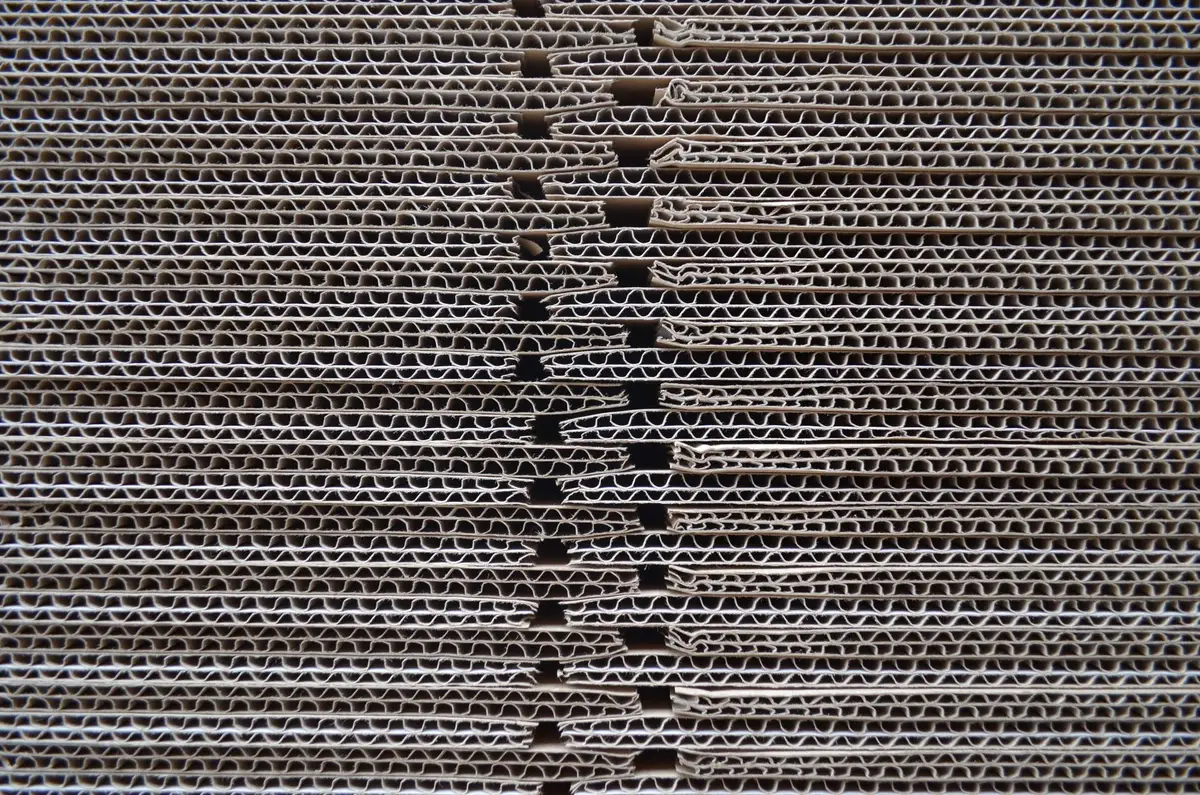
Corrugated Box Maker: How to Find and Vet the Right Supplier
A sourcing guide to corrugated box makers: how boxes are made, which flute type fits your product, pricing ranges, and how to verify a supplier before ordering.
Sep 23, 2026
Find verified suppliers on Tawaf
Create Free AccountJewelry is a margin-rich category.
Wholesale jewelry buyers who understand the difference between spot-price-plus-making-charge pricing for gold and fixed-margin pricing for fashion pieces can build profitable businesses across retail, e-commerce, and B2B channels. The global jewelry market reached $353 billion in 2025 according to Statista, and wholesale sourcing sits at the foundation of every retail operation in this space. Whether you are stocking a boutique, supplying retailers, or selling online, your supplier determines your margin, your quality reputation, and your ability to deliver what customers want.
A jewelry wholesale supplier is a manufacturer, refiner, or trading company that sells jewelry in bulk at below-retail prices to businesses for resale. Pricing operates on two distinct models: precious jewelry (gold, silver, platinum) uses spot metal price plus a making charge (15-40% above metal value), while fashion jewelry (base metals, plating, synthetic stones) uses fixed pricing per piece or per gram, typically 60-85% below retail. Understanding which model applies to your product category is essential for margin planning.
The pricing distinction between precious and fashion jewelry is fundamental. Getting this wrong leads to either overpaying or underestimating costs.
Precious jewelry pricing breakdown:
The price of a gold ring is not arbitrary. It follows a formula:
Wholesale Price = (Metal Weight x Spot Price x Purity Factor) + Making Charge + Stone Cost
For example, a 14K gold ring weighing 5 grams:
The making charge varies by complexity. A simple band might carry a 15% making charge. An intricate filigree piece could carry 40% or more.
Fashion jewelry pricing:
Fashion jewelry uses simpler fixed pricing. A brass-plated necklace that retails for $25 might wholesale at $4-$7, giving the retailer a 70-85% markup. Pricing depends on materials, finish quality, design complexity, and order volume.
| Jewelry Type | Wholesale Price Range | Typical Retail Price | Gross Margin for Retailer | Pricing Model |
|---|---|---|---|---|
| Gold (14K-18K) | $150-$2,000+ | $300-$5,000+ | 50-70% | Spot + making charge |
| Sterling silver | $8-$80 | $25-$200 | 60-75% | Fixed or spot + charge |
| Gold-plated fashion | $3-$25 | $15-$60 | 60-80% | Fixed per piece |
| Brass/base metal | $1-$10 | $8-$30 | 70-85% | Fixed per piece |
| Costume/statement | $2-$15 | $12-$45 | 65-80% | Fixed per piece |
| Gemstone (precious) | $50-$10,000+ | $150-$30,000+ | 60-80% | Stone + setting + labor |
| Semi-precious stone | $5-$100 | $20-$300 | 65-80% | Fixed or calculated |
Five regions dominate global jewelry manufacturing: India (Jaipur for gemstones, Mumbai for gold, Rajkot for fashion), China (Yiwu for fashion jewelry, Shenzhen for fine jewelry), Turkey (Istanbul's Grand Bazaar district for gold and silver), Thailand (Bangkok for gemstones and fine jewelry), and Italy (Arezzo and Vicenza for luxury gold). Each region has distinct specializations, pricing advantages, and quality profiles that buyers should match to their product needs.
The geography of jewelry manufacturing shapes what you can source and at what price.
India: The Volume Producer
India is the world's largest jewelry manufacturing hub by volume. The country processes an estimated 500 tons of gold annually and cuts 90% of the world's diamonds.
China: Fashion Jewelry at Scale
Turkey: The Bridge Market
Istanbul's jewelry manufacturing sector produces approximately $6 billion in annual output. Turkey's strength is in gold jewelry (the country is the 4th-largest gold jewelry consumer globally) and silver pieces with Ottoman-influenced designs. Turkish manufacturers serve both Middle Eastern and European markets. Our guide to Turkish exporters covers the broader manufacturing landscape.
Thailand: Gemstones and Fine Craft
Bangkok's Silom and Mahesak districts are the center of Thailand's gemstone trade. Thai manufacturers are known for exceptional stone-setting quality. The country is a global hub for ruby and sapphire trading, even though most rough stones now come from Myanmar, Sri Lanka, and East Africa.
Italy: Luxury Gold
Arezzo produces approximately 50% of Italy's gold jewelry, while Vicenza hosts VicenzaOro, the world's most important fine jewelry trade show. Italian pieces command premium pricing (making charges of 40-80% above metal value) but carry brand cachet that justifies higher retail prices.
Join Tawaf and connect with verified businesses across 47 countries. No middlemen, no commissions.
Join Tawaf FreeQuality verification in jewelry centers on three pillars: metal purity certification (hallmarking for gold/silver, assay reports), gemstone authentication (GIA, AGS, or IGI certificates for diamonds, Gubelin or SSEF for colored stones), and manufacturing quality (finish, durability, skin safety). For fashion jewelry, look for nickel-free certification, lead and cadmium testing (especially for US/EU markets), and plating thickness specifications (minimum 3 microns for durability).
Quality assurance in jewelry is non-negotiable because defective products create customer safety risks and regulatory liability.
Precious metal standards:
Gemstone certifications:
| Certification Body | What They Certify | Reputation | Cost per Certificate |
|---|---|---|---|
| GIA (Gemological Institute of America) | Diamonds, colored stones | Gold standard | $50-$300 |
| AGS (American Gem Society) | Diamonds (especially cut quality) | Excellent | $50-$200 |
| IGI (International Gemological Institute) | Diamonds, lab-grown, colored stones | Very good | $30-$150 |
| Gubelin Gem Lab | Colored stones (origin, treatment) | Elite | $200-$1,000 |
| SSEF (Swiss Gemmological Institute) | High-value colored stones | Elite | $200-$1,000 |
For fashion jewelry sold in the United States, CPSC (Consumer Product Safety Commission) regulations limit lead content in children's jewelry to 100 ppm. California Proposition 65 requires warnings for jewelry containing lead, cadmium, or nickel above threshold levels. The EU's REACH regulation restricts nickel release in items that have prolonged skin contact.
Always request compliance documentation from your supplier before importing jewelry into regulated markets.
MOQs in jewelry wholesale vary dramatically by material and supplier type. Fashion jewelry from Chinese manufacturers starts at 12-24 pieces per design. Precious metal jewelry from Indian manufacturers typically requires 10-50 pieces per design for gold and 25-100 for silver. Custom designs with unique molds carry higher MOQs (50-200 pieces) because of tooling costs ($100-$500 per mold). Turkish suppliers often offer the most flexible MOQs for precious jewelry, sometimes accepting 5-10 pieces per design.
MOQ negotiation is where buyer skill makes a measurable difference.
| Supplier Type | Fashion Jewelry MOQ | Silver Jewelry MOQ | Gold Jewelry MOQ | Custom Design MOQ |
|---|---|---|---|---|
| Chinese manufacturer (Yiwu) | 12-36 pieces/design | 50-100 pieces | Not typical | 50-200 pieces |
| Chinese manufacturer (Shenzhen) | 24-48 pieces | 25-100 pieces | 10-50 pieces | 50-200 pieces |
| Indian manufacturer (Jaipur) | 25-50 pieces | 25-100 pieces | 10-50 pieces | 25-100 pieces |
| Turkish manufacturer (Istanbul) | 20-50 pieces | 10-50 pieces | 5-20 pieces | 10-50 pieces |
| Thai manufacturer (Bangkok) | 25-50 pieces | 20-50 pieces | 10-30 pieces | 20-50 pieces |
| Italian manufacturer (Arezzo) | Not typical | 25-50 pieces | 20-50 pieces | 50-100 pieces |
| US domestic wholesaler | 6-12 pieces | 6-12 pieces | 3-6 pieces | Usually not available |
Strategies for reducing MOQs:
Ethical gemstone sourcing requires traceability from mine to market. The Kimberley Process certifies conflict-free diamonds (though its scope is limited). For colored stones, look for suppliers who can document their supply chain back to the mine. Fairmined and Fairtrade Gold certifications cover precious metals. Lab-grown diamonds and gemstones offer a definitively traceable alternative with 30-40% lower wholesale costs than mined equivalents of comparable quality.
The ethics question has become a purchase decision factor. Retailers report that 40-60% of millennial and Gen Z buyers ask about sourcing practices.
Diamond sourcing:
Colored gemstone sourcing:
Precious metal sourcing:
Start with B2B marketplaces that offer supplier verification (Tawaf, Alibaba), then attend virtual or in-person trade shows (VicenzaOro, JCK Las Vegas, Hong Kong Jewellery & Gem Fair), search specialized jewelry directories (JCK Online, National Jeweler), and contact manufacturers directly through industry association member lists. For fashion jewelry, Yiwu-based platforms and trade shows offer the widest selection at the lowest prices.
Channel-by-channel approach:
B2B Marketplaces
Search for jewelry suppliers on platforms with verified business profiles. On Tawaf's wholesale products directory, you can find jewelry suppliers across multiple sourcing regions with verified business documentation. Alibaba has extensive coverage of Chinese jewelry manufacturers.
Trade Shows
The jewelry industry is still heavily trade-show driven. Key events:
Direct Manufacturer Contact
For specific product types, contact manufacturers directly. The Gem & Jewellery Export Promotion Council (GJEPC) of India maintains a searchable directory of Indian jewelry exporters. Turkey's Istanbul Mineral and Metals Exporters' Association (IMMIB) lists Turkish jewelry manufacturers.
Looking for verified jewelry suppliers across sourcing regions? Join Tawaf for free to browse jewelry wholesalers, compare products and pricing, and send inquiries with no commitment.
Effective negotiation in jewelry wholesale focuses on three levers: volume commitments (even forward commitments for future orders), payment terms (offering faster payment in exchange for lower prices), and design simplification (reducing stone counts, simplifying settings, or accepting stock designs). For precious jewelry, negotiate the making charge percentage rather than trying to negotiate below spot metal price. For fashion jewelry, negotiate per-piece pricing based on total order value rather than per-design quantities.
Negotiation dynamics differ by jewelry type:
For gold and silver:
For fashion jewelry:
Universal negotiation principles:
Jewelry requires specialized shipping due to its high value-to-weight ratio and theft risk. Use insured, trackable courier services (DHL, FedEx, UPS) rather than standard freight for precious jewelry. Insurance should cover 110% of invoice value. Customs declarations must accurately state material composition and value --- undervaluation is illegal and risks seizure. For fashion jewelry in bulk, standard air or sea freight works with appropriate insurance coverage.
Shipping logistics for jewelry:
| Shipment Type | Recommended Carrier | Insurance | Customs Considerations |
|---|---|---|---|
| Precious metal samples | DHL Express, insured | Full declared value | Hallmark certificates, purity reports |
| Precious metal bulk | Brinks, Malca-Amit, Loomis | 110% of value | Full customs declaration, certificates of origin |
| Gemstone shipments | DHL Express, insured | Full declared value + 10% | GIA/certification docs, origin certificates |
| Fashion jewelry samples | DHL/FedEx/UPS | Declared value | Material composition declaration |
| Fashion jewelry bulk | Air freight or sea freight | CIF value | HS code classification, compliance certificates |
Specialized jewelry logistics companies like Brinks, Malca-Amit, and Ferrari Group handle high-value shipments with secure chain-of-custody protocols, GPS tracking, and specialized insurance. For shipments above $50,000, these specialist carriers are worth the premium.
Customs duty rates for jewelry vary significantly:
HS code classification matters enormously. A gold necklace classified as "articles of jewelry" (7113) carries different duty rates than "imitation jewelry" (7117). Incorrect classification can result in penalties, delays, or duty recalculation. Work with a customs broker experienced in jewelry imports.
Three trends are reshaping jewelry wholesale: lab-grown diamonds have captured 20% of the engagement ring market (up from 5% in 2020) and are expanding into fashion jewelry; personalization technology (laser engraving, 3D printing for wax models) is enabling economic customization at lower MOQs; and direct-to-consumer brands are compressing the traditional wholesale-retail chain, pushing wholesalers to add value through design services, inventory financing, and marketing support.
The wholesale jewelry market is evolving rapidly:
Lab-grown expansion: Lab-grown diamonds now wholesale at $800-$1,500 per carat for 1-carat rounds (vs. $4,000-$8,000 for natural equivalents). This price point opens diamond jewelry to mass-market retailers who previously could not afford natural diamond inventory.
Personalization at scale: CAD/CAM technology and 3D printing have reduced custom jewelry prototyping costs from $500+ to under $50 per design. This means wholesalers can offer semi-custom options without the traditional tooling investment.
Sustainability premium: Consumers are paying 10-20% more for jewelry with verified ethical sourcing. Wholesalers who can document their supply chain are winning business from those who cannot.
Online wholesale growth: B2B jewelry purchasing is moving online. Platforms like Tawaf, Alibaba, and specialized jewelry B2B platforms are capturing market share from traditional in-person wholesale channels.
Mixed-metal designs: Rose gold, two-tone, and mixed-material designs are driving demand for suppliers who can work across multiple metals and materials in single pieces.
What is the minimum investment to start a jewelry retail business through wholesale? Fashion jewelry: $500-$2,000 covers an initial inventory of 50-200 pieces across 10-20 designs. Sterling silver: $2,000-$5,000 for a starter collection. Gold jewelry: $10,000-$50,000 minimum for a meaningful inventory. Many retailers start with fashion and silver, adding gold as revenue grows. Online-only stores can start at the lower end of these ranges.
How do I know if gold jewelry is genuine? Request hallmark certificates and assay reports from the supplier. Use acid testing kits ($20-$50) for basic verification. For high-value purchases, send samples to an independent assay office. XRF (X-ray fluorescence) analysis provides non-destructive purity testing and is available at most jewelry appraisal services for $25-$50 per item.
Can I private-label wholesale jewelry with my own brand? Yes. Most manufacturers offer private labeling including custom hallmarks (where legally permitted), branded packaging, hang tags, and certificates. MOQs for private-label pieces are typically 2-3x higher than for unbranded wholesale. Budget for custom packaging design ($200-$1,000) and minimum production runs (50-500 pieces depending on the manufacturer).
What is the difference between gold-filled and gold-plated jewelry? Gold-filled jewelry has a thick layer of gold (5% of total weight by US standards) mechanically bonded to a base metal. It is durable and long-lasting (10-30 years). Gold-plated jewelry has a thin layer of gold (0.05-0.5 microns) applied through electroplating. It is cheaper but wears off within 6-24 months with regular use. Gold-filled pieces wholesale at 3-5x the price of gold-plated equivalents.
How do seasonal trends affect jewelry wholesale purchasing? Plan purchasing 3-6 months ahead of peak seasons: engagement rings peak in November-February, fashion jewelry peaks before Mother's Day (May), Valentine's Day (February), and the holiday season (November-December). Summer drives demand for lightweight and beach-themed pieces. Ordering early secures better pricing and avoids stockouts during peak demand.
Get Started
Create your free account and start connecting with verified suppliers and buyers worldwide.
Create Free Account
We help businesses navigate cross-border trade. Our team covers supplier verification, trade compliance, and B2B marketplace strategies to connect verified businesses worldwide.
A sourcing guide to corrugated box makers: how boxes are made, which flute type fits your product, pricing ranges, and how to verify a supplier before ordering.
Sep 23, 2026

A directory guide to product wholesalers by category: beauty, fashion, food, jewelry, and craft. Compare sourcing paths and connect with verified suppliers.
Sep 14, 2026
Medical equipment is a massive market. The global medical device industry exceeded $595 billion in 2025 and is projected to reach $750 billion by 2030, driven by aging populations, expanding healthcare access in emerging markets, and technological innovation. For B2B buyers --- hospital procurement
May 18, 2026