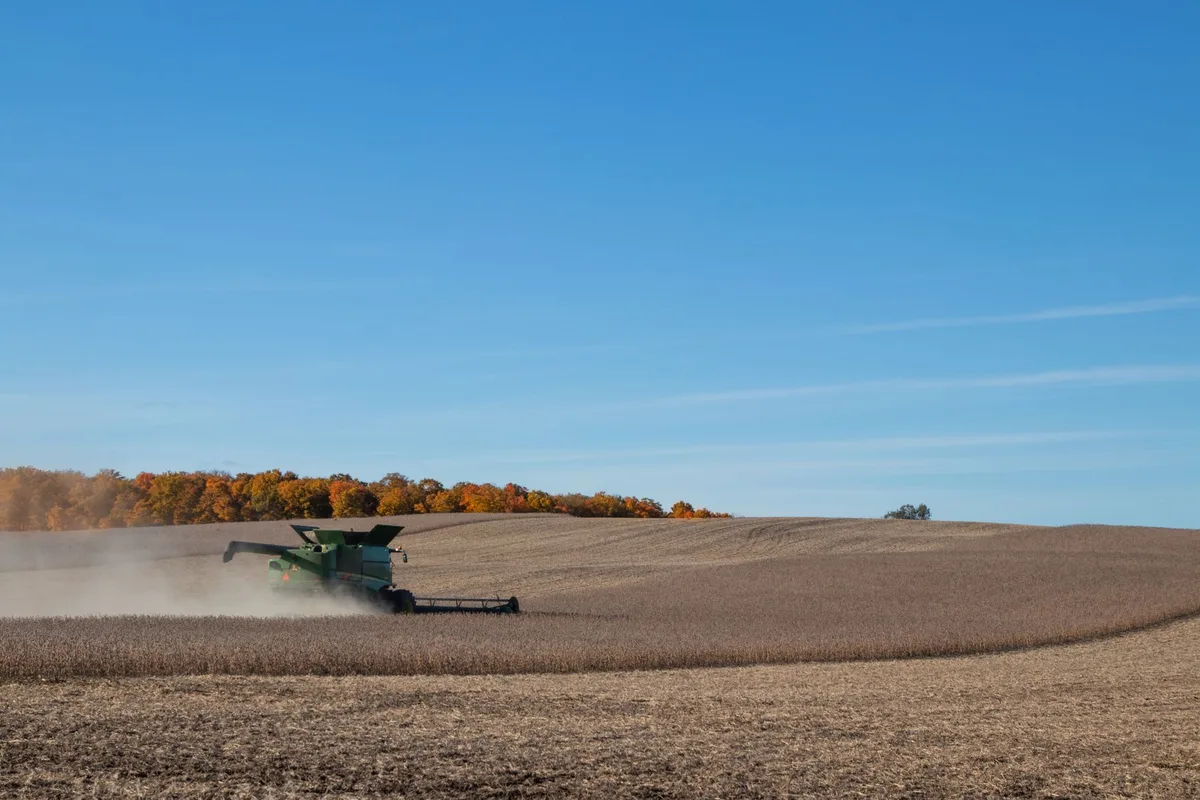
Brazil's Main Export: What It Is and What Buyers Can Source
What is Brazil's main export? A buyer's guide to Brazil's top exports in 2025, why sources rank them differently, who buys them, and how to source Brazilian goods safely.
Sep 26, 2026
Find verified suppliers on Tawaf
Create Free AccountEvery product you sell started as someone else's inventory.
Before it reached your shelf, your website, or your warehouse, it came from a wholesale supplier: a business that sells in bulk, at a lower per-unit price, so you can resell at a markup. Finding the right one is the single decision that shapes your margins, your lead times, and how many 2 a.m. emails you send about a shipment that never arrived. This guide covers what a wholesale supplier actually is, where the world's major sourcing regions specialize, how to vet a supplier before you wire a deposit, and the red flags that separate a real factory from a scam.
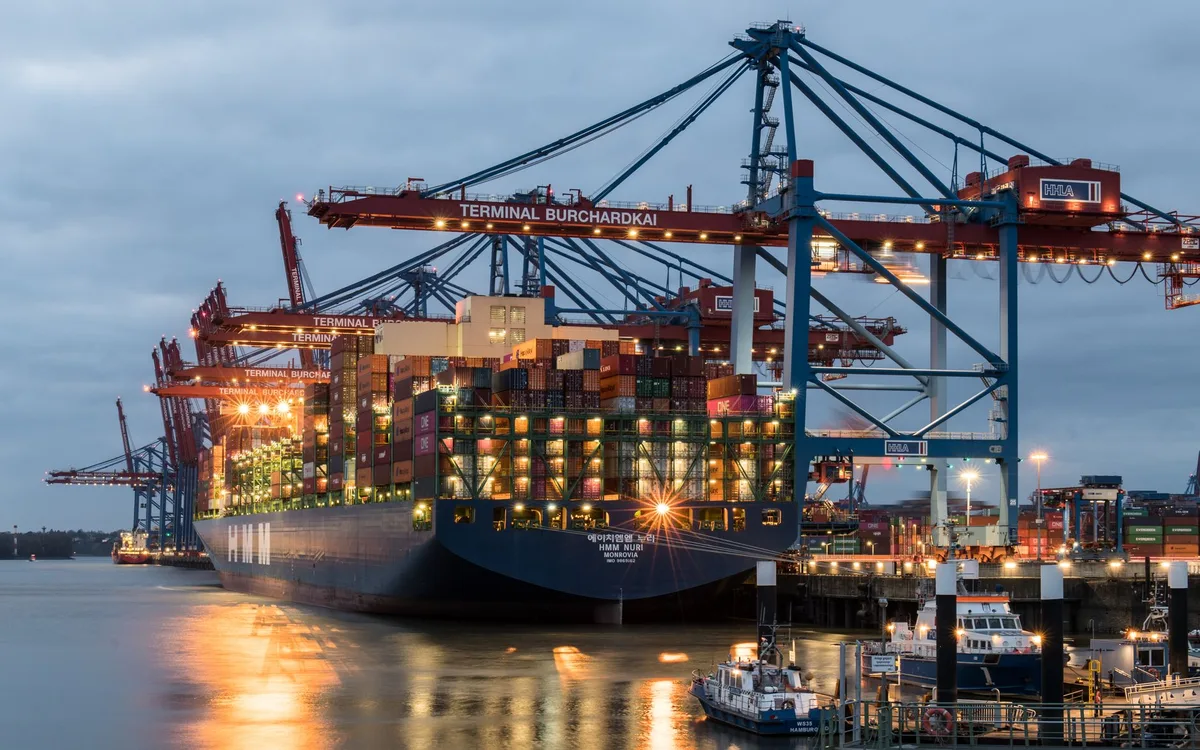
A wholesale supplier is a manufacturer, distributor, or trading company that sells goods in bulk at a reduced per-unit price, instead of selling single units to end consumers. Buying wholesale lowers your cost per unit, but it also raises your upfront capital requirement and shifts risk onto you if the goods don't sell or don't match the sample. According to the World Trade Organization, global merchandise trade has run into the tens of trillions of dollars annually for years, and a growing share of that volume moves through supplier relationships formed online rather than at a trade fair.
Retailers, dropshippers, and manufacturers all use wholesale suppliers, but for different reasons. A retailer wants finished goods to resell. A brand owner wants a factory to produce a private-label version of a product. A manufacturer wants raw materials or components. The supplier that's right for one of these buyers is often the wrong one for another, which is why "best wholesale supplier" has no single answer. It depends on your product, your order size, and the region you're sourcing from.
Tawaf's B2B marketplace exists for this exact search. Buyers post "Looking For" requests describing what they need, verified suppliers respond directly, and both sides negotiate through a threaded inquiry system instead of cold email. Create a free account to post your first request or browse listed suppliers.
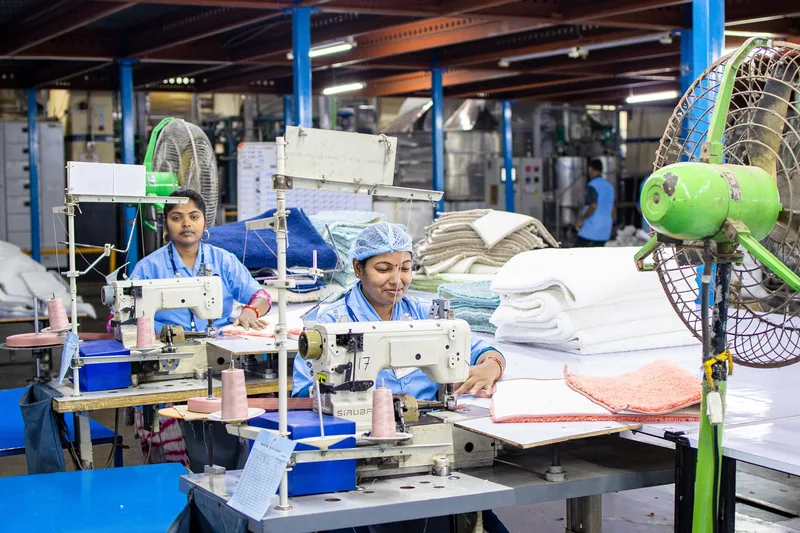
Wholesale suppliers cluster by region and specialty: India and Pakistan lead in textiles and agriculture, Turkey and the UAE anchor Middle East and Europe-facing trade, Nigeria and East Africa dominate raw agricultural exports, and Malaysia and Indonesia serve Southeast Asian manufacturing and furniture. Sourcing from the region that already specializes in your product category shortens your supplier search and usually lowers your landed cost, because logistics and quality infrastructure are already built around that specialty.
Here's a region-by-region breakdown of where wholesale supply is concentrated, and where to go deeper on each:
| Region | Known For | Go Deeper |
|---|---|---|
| India | Textiles, agriculture, gems, steel, manufacturing | Wholesalers in India |
| Pakistan | Textiles, apparel, agricultural exports | Pakistani Exporters |
| Turkey | Textiles, furniture, steel, clothing manufacturing | Turkish Exporters |
| UAE (Dubai) | Free-zone trading companies, re-export, textiles | Free Zone Companies in Dubai |
| Malaysia | Electronics, palm oil derivatives, manufacturing | Manufacturers in Malaysia |
| Indonesia | Furniture, textiles, raw commodities | Indonesia Wholesale Guide |
| Nigeria | Agricultural exports, raw commodities | Agricultural Exports from Nigeria |
| Saudi Arabia | Construction materials, contracting supply | Construction Companies in Saudi Arabia |
This isn't an exhaustive list of every trading nation, but it covers the regions where Tawaf sees the highest concentration of active B2B trade requests. If your product doesn't fit neatly into one of these categories, the sourcing principles below still apply regardless of geography.
Join Tawaf and connect with verified businesses across 47 countries. No middlemen, no commissions.
Join Tawaf FreeThe four main ways to find wholesale suppliers online are B2B marketplaces, industry trade fairs, sourcing agents, and direct outreach to manufacturers. B2B marketplaces like Tawaf, Alibaba, and IndiaMART let you search listings or post a request and have suppliers respond, which is fastest for a first-time buyer. Trade fairs and sourcing agents cost more but give you in-person vetting, which matters more for high-value or first-time orders.
Each method trades speed for control:
B2B marketplaces. You search by product category, or post a "Looking For" request describing exact specifications, quantity, and target price. Suppliers with matching inventory respond with quotes. This is the lowest-friction way to get your first 5-10 supplier conversations started, and it's where most new B2B buyers begin.
Trade fairs. Industry-specific exhibitions let you see samples in person, meet the factory owner directly, and compare five suppliers in an afternoon instead of five weeks of email. The tradeoff is cost: flights, booth access, and travel time.
Sourcing agents. A local agent in your target country visits factories on your behalf, negotiates in the local language, and can catch quality issues before shipment. Agents typically charge a commission of a few percentage points on order value, which pays for itself on larger orders.
Direct outreach. If you already know the manufacturer you want, a direct email or call skips the marketplace layer entirely. This works best when you have an existing referral or have already identified the exact factory through export directories.
Most buyers combine methods: they start on a marketplace to shortlist candidates, then use a sourcing agent or in-person visit to finalize the top one or two before committing to a full order.
Vet a wholesale supplier by checking their business registration, requesting references from existing customers, ordering a paid sample before any bulk commitment, and using a third-party inspection service before the goods ship. Skipping verification is the single most common cause of failed first orders — a supplier who won't provide registration documents, references, or a sample is a supplier you should not wire money to.
Run through this checklist before you commit to any supplier, anywhere in the world:
The International Chamber of Commerce's Commercial Crime Services tracks counterfeiting and trade fraud globally and is a useful reference if you're sourcing branded or regulated goods, where counterfeit risk is highest.
Ready to find a verified supplier? Post a free "Looking For" request on Tawaf and let verified suppliers come to you — get started here. Takes 5 minutes. Free. No obligation to buy.
Before your first order, ask about minimum order quantity (MOQ), payment terms, sample cost and lead time, production lead time, and what happens if the bulk shipment doesn't match the approved sample. Getting clear, written answers to these five questions before you pay anything prevents the majority of disputes that come up after the goods have already shipped.
A short list of questions to send every candidate supplier, side by side:
Suppliers who answer all five clearly, in writing, and without hedging are typically the ones worth moving forward with. Vague or evasive answers to any of these — especially the last one — are a signal to keep looking.
Common wholesale supplier scams include pricing that's far below every competitor, refusal to provide a paid sample, insistence on unusual payment methods like personal bank transfers or cryptocurrency, and pressure to skip third-party inspection. Any one of these alone might have an innocent explanation. Two or more together, especially combined with pressure to move fast, is a strong signal to walk away.
Watch for these specific patterns:
Pricing that's too good. If a quote is 40-50% below every other supplier you've contacted for the same product and spec, assume something is being cut: material quality, labor conditions, or the supplier's own legitimacy.
Refusal to sample. A real manufacturer wants you to see the product before you commit, because a satisfied buyer becomes a repeat buyer. A supplier who resists sending a paid sample, or only offers "photos on request," is not set up to actually produce what they're advertising.
Unusual payment requests. Legitimate B2B trade uses traceable methods: bank wire to a verified business account, letter of credit, or an escrow arrangement through the marketplace. Requests to pay a personal account, split payment across multiple unrelated recipients, or pay in cryptocurrency with no paper trail are common fraud patterns.
Pressure to skip inspection. A supplier who discourages third-party inspection, or insists the order ships faster if you skip it, is removing the one check most likely to catch a problem before you've paid for a full container.
No verifiable address. Search the business address the supplier gives you. If it maps to a residential building, a mail-forwarding service, or doesn't exist, that's disqualifying on its own.
Tawaf is a B2B marketplace where buyers create a free account, post a "Looking For" request describing exactly what they need, and receive responses directly from suppliers with matching listings. Every business on Tawaf builds a public profile, and buyers and sellers communicate through a threaded inquiry system rather than exchanging personal contact details upfront, which keeps a record of every conversation in one place.
If you already know your product category and rough specifications, posting a "Looking For" request is usually faster than searching listings one by one — suppliers who actually stock or manufacture what you described come to you instead of the other way around. If you're still exploring what's available in a specific country or category, browsing published listings by region works better as a starting point. Either path starts with a free account, and neither commits you to anything until you're ready to send an inquiry.

Start with a B2B marketplace like Tawaf, search or post a request describing your exact product and quantity, and shortlist 5-10 suppliers who respond with matching listings. Narrow that list by requesting a paid sample from your top 2-3 candidates before committing to a bulk order. Most first-time buyers can identify a workable supplier within 2-4 weeks using this process.
A manufacturer produces the goods directly, often allowing custom specifications, private labeling, and lower per-unit costs at higher minimum order quantities. A wholesale supplier or trading company resells finished goods from one or more manufacturers, usually with lower minimums and faster turnaround, but at a higher per-unit price. Buyers early in a business, or ordering small volumes, typically start with a wholesale supplier before moving to a direct manufacturer relationship.
Minimum order values vary widely by product and region, from a few hundred dollars for small agricultural or handicraft orders to $5,000 or more for textiles, electronics, or industrial goods. Budget for the sample cost, the deposit (commonly 30-50% of order value for a first-time buyer), and shipping separately from the product cost itself, since first orders often carry higher per-unit shipping than repeat bulk shipments.
Paying a deposit before shipment is standard practice in international wholesale trade, but the safest structure splits payment: a deposit to start production, and the balance against shipping documents or after third-party inspection confirms the goods match spec. A letter of credit provides the strongest protection for larger first orders, since the bank only releases payment once the supplier meets documented conditions.
Most wholesale suppliers require some form of business registration before they'll quote wholesale pricing, since wholesale terms are built around bulk, repeat commercial buyers rather than individual consumers. Requirements vary by country and supplier — some accept a basic business registration, while others require an import license or tax ID specific to your country's trade regulations.
Get Started
Create your free account and start connecting with verified suppliers and buyers worldwide.
Create Free Account
We help businesses navigate cross-border trade. Our team covers supplier verification, trade compliance, and B2B marketplace strategies to connect verified businesses worldwide.
What is Brazil's main export? A buyer's guide to Brazil's top exports in 2025, why sources rank them differently, who buys them, and how to source Brazilian goods safely.
Sep 26, 2026
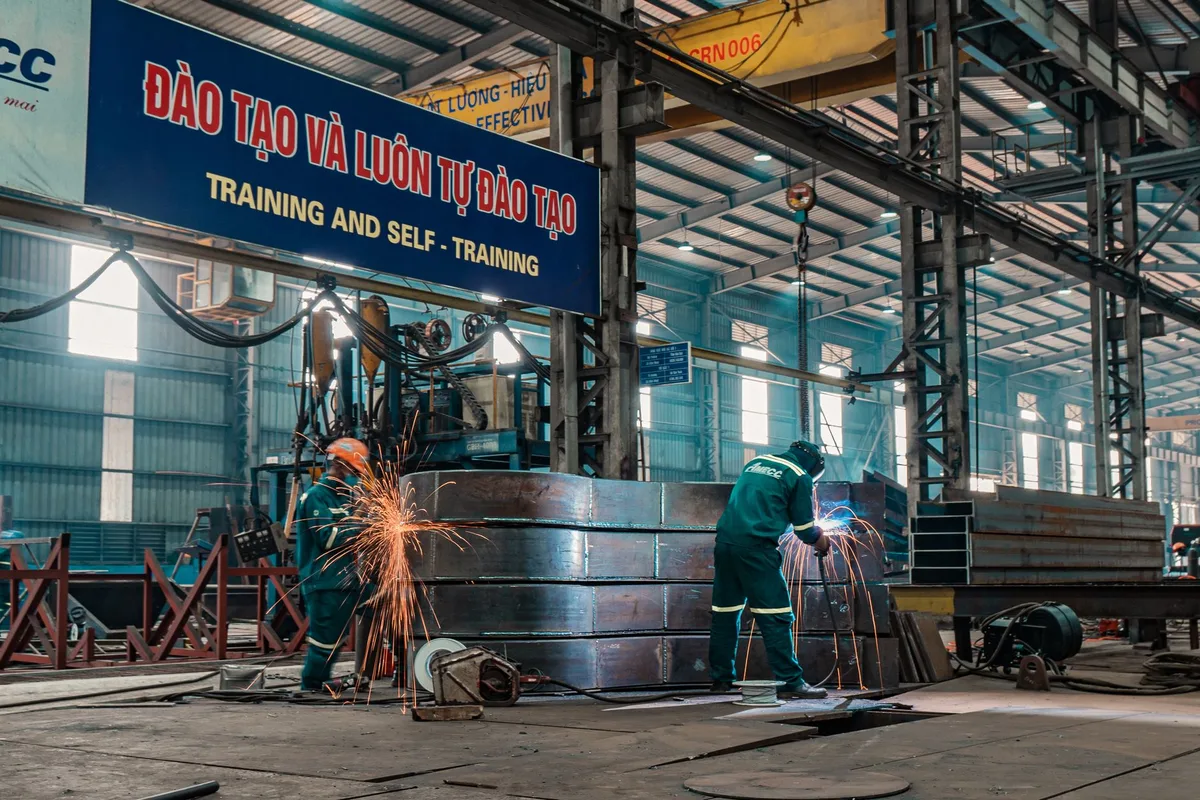
A buyer's guide to Made in Vietnam: what the label means, which products the country manufactures, and how to verify suppliers and origin claims before you order.
Sep 20, 2026

Dubai is the trading capital of the Middle East. Companies like Safco International have helped build Dubai's reputation as a global commerce hub, connecting manufacturers in Asia with buyers across the Middle East, Africa, and beyond. Whether you are researching Safco specifically or trying to unde
May 19, 2026