
Brazil's Main Export: What It Is and What Buyers Can Source
What is Brazil's main export? A buyer's guide to Brazil's top exports in 2025, why sources rank them differently, who buys them, and how to source Brazilian goods safely.
Sep 26, 2026
Find verified suppliers on Tawaf
Create Free AccountDubai is the trading capital of the Middle East. Companies like Safco International have helped build Dubai's reputation as a global commerce hub, connecting manufacturers in Asia with buyers across the Middle East, Africa, and beyond. Whether you are researching Safco specifically or trying to understand how Dubai trading companies operate, this guide covers what you need to know about one of the city's established trading names and the broader Dubai trading ecosystem.
Safco International is a Dubai-based trading and distribution company that operates in the UAE's commercial sector, dealing in a range of products including foodstuffs, consumer goods, and industrial supplies, leveraging Dubai's position as a global trade hub to connect manufacturers with regional buyers.
Safco International represents a model that is quintessentially Dubai: the trading house. These are companies that do not manufacture goods themselves but add value through sourcing, quality control, logistics, distribution, and market knowledge. They serve as bridges between producers (often in Asia) and end markets (often in the Middle East and Africa).
The company operates out of Dubai, which gives it access to:
For businesses looking to connect with Dubai-based trading companies like Safco International, Tawaf's supplier directory lists verified traders across the UAE.
Dubai trading companies operate as intermediaries that source products from manufacturers (primarily in Asia), consolidate shipments, handle documentation and quality control, provide trade finance, and distribute to buyers across the Middle East, Africa, and other emerging markets.
The Dubai trading model has several distinct advantages:
1. Geographic positioning. Dubai sits at the crossroads of Europe, Asia, and Africa. A container from Shanghai reaches Jebel Ali in 18-22 days. From there, goods can reach any GCC country within 1-3 days, East Africa in 7-10 days, and West Africa in 12-18 days.
2. Free zone benefits. Companies in JAFZA and other free zones enjoy zero corporate tax, zero personal income tax, 100% foreign ownership, and simplified customs procedures. These cost savings are passed through to customers.
3. Re-export capability. Dubai is one of the world's top re-export hubs. Goods imported from China can be repackaged, relabelled, and re-exported to African markets with Dubai's trade documentation, which often carries more weight with international banks than documentation from the origin country.
4. Multi-currency operations. Dubai's banking system handles dozens of currencies daily, making it easy for trading companies to buy in Chinese yuan, Indian rupees, or US dollars and sell in East African shillings, Nigerian naira, or Saudi riyals.
Business model breakdown:
| Revenue Source | Margin (Typical) | Description |
|---|---|---|
| Trading margin | 5-15% | Difference between buy and sell price |
| Volume rebates | 2-5% | Earned from manufacturers for volume commitments |
| Logistics coordination | 3-8% | Value-added for managing supply chain |
| Trade finance facilitation | 1-3% | Facilitating payment terms between parties |
| Quality assurance | Included | Building trust through consistent quality |
Join Tawaf and connect with verified businesses across 47 countries. No middlemen, no commissions.
Join Tawaf FreeSafco International and similar Dubai trading companies typically handle diversified product portfolios spanning foodstuffs, FMCG (fast-moving consumer goods), building materials, industrial supplies, and consumer electronics, with specific product lines varying based on market demand and supplier relationships.
Dubai trading companies tend to be generalists rather than specialists. A single trading house might handle:
Food and Beverages:
Consumer Goods:
Building and Construction:
Industrial Supplies:
This diversification is strategic. It reduces dependence on any single product category and allows the trading company to offer one-stop sourcing to buyers who might need products across multiple categories.
For buyers looking for these product categories, browsing wholesale products on Tawaf allows you to compare offers from multiple Dubai-based and international suppliers.
Dubai's trading tradition dates back centuries to its position on Indian Ocean trade routes. Modern commercial trading began in the 1960s-70s with the establishment of Port Rashid and later Jebel Ali, accelerating dramatically with the creation of free zones in the 1980s-90s that attracted thousands of international trading companies.
Understanding this history puts companies like Safco International in context:
Pre-oil era (pre-1960s): Dubai was already a trading port, known for pearling, gold, and textile trade. Indian, Iranian, and East African merchants established trading families that still operate today.
Oil discovery and port development (1960s-70s): Oil revenues funded Port Rashid (1972) and later Jebel Ali Port (1979), transforming Dubai from a regional trading post into a global logistics hub.
Free zone era (1985-2000s): The establishment of JAFZA in 1985 was a turning point. By offering tax-free operations and world-class infrastructure, Dubai attracted thousands of trading companies from around the world. According to the Dubai Chamber of Commerce, membership grew from a few hundred to over 260,000 companies.
Modern era (2000s-present): Dubai has diversified beyond pure trading into logistics, technology, finance, and tourism, but trade remains the foundation. The emirate handles an estimated $400+ billion in trade annually.
Connect with Dubai traders through B2B marketplaces like Tawaf, the Dubai Chamber of Commerce directory, trade shows (GULFOOD, Big 5, GITEX), free zone company directories (JAFZA, DMCC), LinkedIn networking, and through intermediaries in your own country who have established UAE relationships.
Here is a practical connection strategy:
| Channel | Cost | Speed | Effectiveness |
|---|---|---|---|
| Tawaf B2B marketplace | Free to browse | Immediate | High (verified profiles) |
| Dubai Chamber directory | Free | Same day | Medium (basic listings) |
| Trade shows | $2,000-10,000+ (travel + entry) | Quarterly events | Very High (face-to-face) |
| Free zone directories | Free | Same day | Medium (basic listings) |
| LinkedIn outreach | Free | Days to weeks | Medium (depends on approach) |
| Local trade missions | Varies | Monthly/quarterly | High (warm introductions) |
| Embassy/consulate referrals | Free | Weeks | Medium |
Key trade shows in Dubai:
Ready to start connecting with Dubai traders right now? Register on Tawaf and browse UAE-based trading companies with verified profiles.
Before working with a Dubai trading company, understand their trade license type (mainland vs free zone), verify their commercial registration, clarify whether they are a manufacturer or trader, understand their payment term expectations, and verify their product certifications and compliance capabilities.
Practical due diligence steps:
1. Check the trade license type.
2. Verify with the Department of Economy. The Dubai Department of Economy and Tourism (DET) maintains a public registry where you can verify mainland business licenses. Free zone companies can be verified through their respective free zone authority.
3. Understand the relationship. Ask directly: "Are you the manufacturer, the exclusive distributor, or a trading company?" There is nothing wrong with being a trader, but knowing the structure helps you understand pricing, lead times, and quality control options.
4. Negotiate payment terms carefully. Standard payment terms from Dubai trading companies:
5. Get everything in writing. UAE commercial law is well-developed and courts enforce contracts. But enforcement is much easier with clear, written agreements. Always use a formal purchase order, confirm Incoterms (refer to our Incoterms guide), and specify quality requirements in writing.
Common challenges include price transparency (multiple intermediaries can obscure the real cost), quality consistency when goods are sourced from changing manufacturers, minimum order quantities suited for container loads rather than small orders, and the need to distinguish between established companies and newly formed shell entities.
| Challenge | How to Mitigate |
|---|---|
| Price transparency | Request cost breakdowns, compare with FOB prices from origin |
| Quality consistency | Insist on third-party QC inspections |
| High MOQs | Start with smaller quantities at premium pricing, scale up |
| Authenticity of products | Request manufacturer certificates, verify independently |
| Payment security | Use LCs for first orders, verified supplier platforms |
| Distinguishing established vs new companies | Check trade license age, ask for references, visit in person |
Dubai's business culture blends Middle Eastern relationship-orientation with international professionalism. Personal meetings over coffee are standard, business cards are exchanged formally, hospitality is expected and reciprocated, and trust is built through face-to-face interaction before significant deals are concluded.
Cultural tips for working with Dubai-based traders:
Personal meetings matter. Dubai is a handshake culture. Even with technology making remote communication easy, face-to-face meetings remain the gold standard for building trust. If you are serious about a trading relationship, plan a visit.
Hospitality is business. Accept offers of coffee, tea, and meals graciously. Reciprocate when the opportunity arises. Business discussions often happen over food.
Patience is respected. Do not rush straight to business. The first meeting is often about getting to know each other. Business will come in the second or third interaction.
Religious observances. Be aware of prayer times (five daily), Friday as the holy day (many businesses close Friday morning or all day), and Ramadan (business hours change significantly during the holy month).
Dress code. Business formal in meetings. Even in Dubai's heat, showing respect through professional dress makes a positive impression.
Multilingual environment. While Arabic is the official language, English is the business language. Many traders also speak Hindi, Urdu, Farsi, or other languages depending on their background.
When connecting with Dubai traders through Tawaf's inquiry system, be professional, specific about your needs, and patient in building the relationship.
The best free zones for trading companies are JAFZA (Jebel Ali Free Zone), DMCC (Dubai Multi Commodities Centre), DAFZA (Dubai Airport Free Zone), and Dubai South, each offering different advantages depending on product type, volume, and target markets.
| Free Zone | Best For | Annual License Cost (approx.) | Key Advantage |
|---|---|---|---|
| JAFZA | Large volume traders, warehousing | $15,000-30,000 | Direct port access, massive warehousing |
| DMCC | Commodities, gold, diamonds, tea, coffee | $12,000-25,000 | Commodity exchange, specialised vaults |
| DAFZA | Air freight goods, electronics, pharma | $10,000-20,000 | Adjacent to Dubai International Airport |
| Dubai South | E-commerce, logistics, aviation | $8,000-15,000 | Near Al Maktoum Airport, Expo 2020 site |
| DIFC | Financial services, trade finance | $20,000-50,000 | English common law jurisdiction |
| IFZA | Small traders, startups | $5,000-10,000 | Lowest cost, flexible packages |
For businesses exploring the Africa-Asia trade corridor, Dubai free zones serve as natural midpoints for inventory management, order consolidation, and re-export.
Find alternative Dubai trading companies through Tawaf's supplier directory, the JAFZA company directory, Dubai Chamber of Commerce listings, Kompass UAE database, trade show exhibitor lists, LinkedIn company search, and referrals from industry associations in your product category.
If you are looking for companies similar to Safco International, here is a systematic approach:
Start with Tawaf. Browse suppliers in the UAE to see verified trading companies with detailed profiles, product listings, and the ability to send inquiries directly.
Check free zone directories. JAFZA's public company database lists thousands of trading companies by product category.
Use industry-specific channels. If you need food products, explore companies exhibiting at GULFOOD. For construction materials, check Big 5 exhibitor lists.
Leverage your existing network. Ask other businesses in your industry who they work with in Dubai. Personal referrals carry significant weight in the UAE business culture.
Engage with trade finance providers who work with Dubai traders. Banks that finance UAE trade often have relationships with reliable trading companies they can recommend.
The name "Safco" is used by multiple unrelated companies worldwide. Safco International Dubai is a specific entity registered in the UAE. Do not confuse it with SAFCO (Saudi Arabian Fertilizer Company), Safco in the US (office furniture), or other entities sharing the name. Always verify the exact legal entity and commercial registration number.
Check their trade license with the relevant authority (Department of Economy for mainland companies, specific free zone authority for free zone companies), verify their membership in the Dubai Chamber of Commerce, request bank references, and look up their company profile on verified B2B platforms. A video call showing their office or warehouse provides additional confidence.
Most Dubai trading companies work with full container load (FCL) orders, meaning 20-foot or 40-foot containers. For smaller orders, some traders will consolidate your order with others (LCL -- less than container load). Minimum order values typically start at $5,000-10,000 depending on the product and the trading company.
Yes, this is one of their core value-adds. They handle commercial invoices, packing lists, certificates of origin, bills of lading, and any required certificates (halal, health, phytosanitary). This is particularly valuable for buyers who are not experienced with international trade documentation.
It depends on your volume and capability. For large, regular orders where you have established logistics and quality control capability, direct sourcing from manufacturers is typically cheaper. For smaller orders, new market entry, or when you need multi-product sourcing, Dubai trading companies add value through consolidation, quality control, and logistics management.
Get Started
Create your free account and start connecting with verified suppliers and buyers worldwide.
Create Free Account
We help businesses navigate cross-border trade. Our team covers supplier verification, trade compliance, and B2B marketplace strategies to connect verified businesses worldwide.
What is Brazil's main export? A buyer's guide to Brazil's top exports in 2025, why sources rank them differently, who buys them, and how to source Brazilian goods safely.
Sep 26, 2026
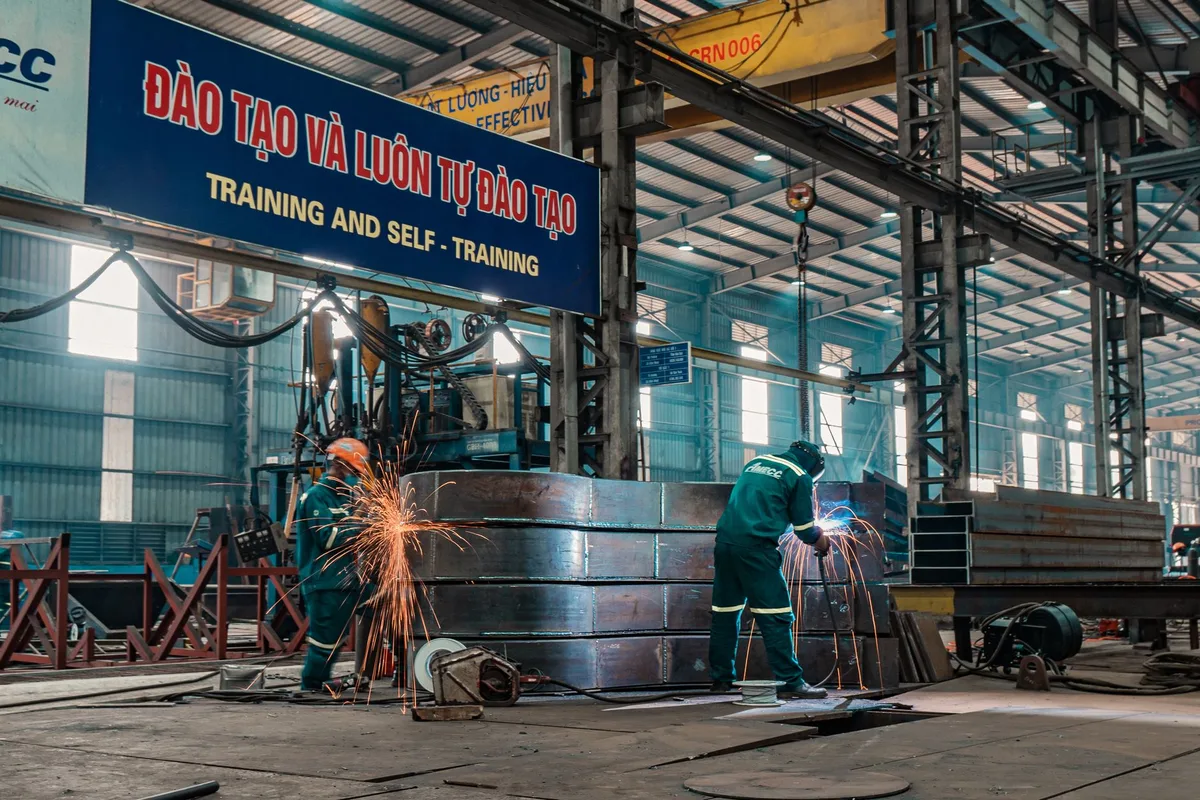
A buyer's guide to Made in Vietnam: what the label means, which products the country manufactures, and how to verify suppliers and origin claims before you order.
Sep 20, 2026
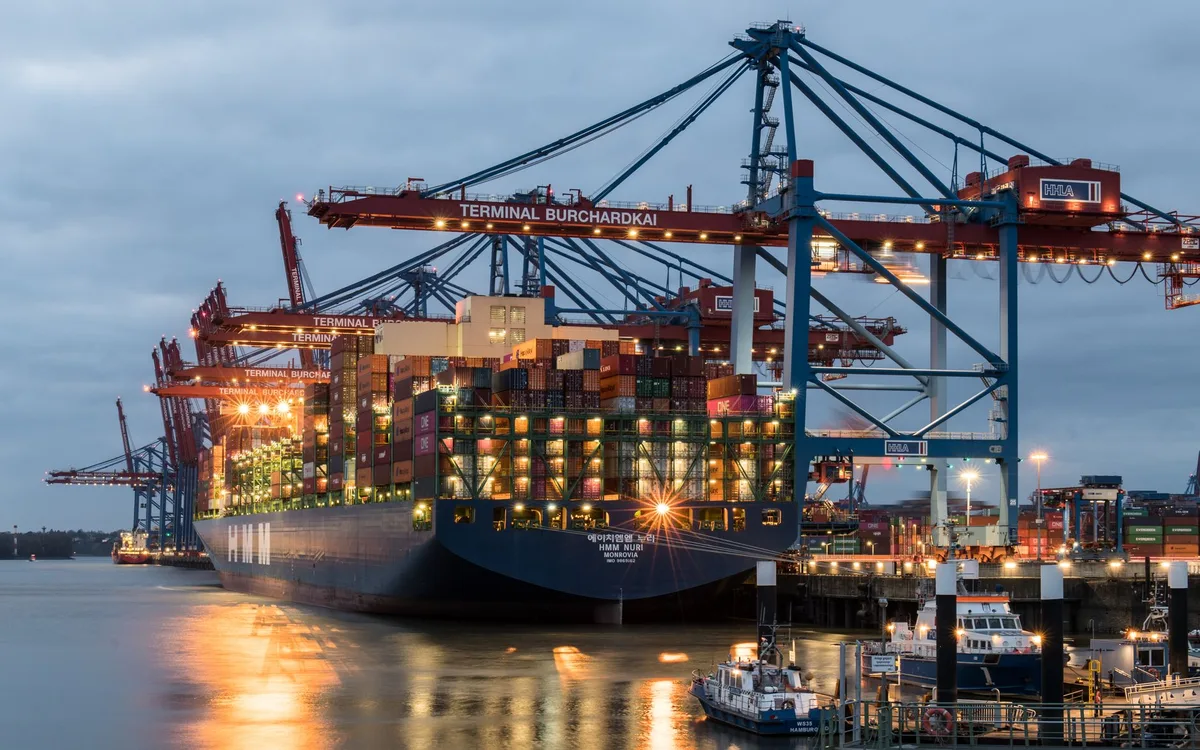
A practical guide to finding, vetting, and ordering from wholesale suppliers anywhere in the world, plus a region-by-region map of where to source what.
Sep 11, 2026