
Brazil's Main Export: What It Is and What Buyers Can Source
What is Brazil's main export? A buyer's guide to Brazil's top exports in 2025, why sources rank them differently, who buys them, and how to source Brazilian goods safely.
Sep 26, 2026
Find verified suppliers on Tawaf
Create Free AccountFree zones reshaped Dubai's economy.
Free zone companies in Dubai are businesses registered within designated economic areas that offer 100% foreign ownership, zero corporate and personal income tax, and full profit repatriation. These zones function as independent jurisdictions with their own licensing authorities, customs regulations, and business infrastructure — designed specifically to attract international trade and investment.
A free zone company operates under rules set by the zone authority, not the UAE mainland commercial law. This distinction matters. Mainland companies require a local Emirati sponsor holding 51% ownership (though recent reforms have loosened this for some activities). Free zone companies bypass that requirement entirely.
Dubai currently hosts over 30 free zones, each specializing in different industries. Together, they house more than 50,000 registered companies generating roughly 46% of Dubai's total trade volume. The concept launched in 1985 with Jebel Ali Free Zone (JAFZA), and it worked so well that the model spread across the emirate and the wider UAE.
For international buyers and suppliers, understanding which free zone a company sits in tells you a lot about what they trade, how they operate, and what infrastructure backs them. A DMCC company likely deals in commodities. A DAFZ company probably handles logistics or aviation parts. A JAFZA company often manages large-scale manufacturing or distribution.
If you are sourcing products from the UAE, browse verified UAE suppliers on Tawaf to connect with businesses across these zones.
Dubai free zones offer a compelling package: zero tax on corporate profits and personal income, 100% foreign ownership without a local sponsor, streamlined visa processing, world-class logistics infrastructure, and the ability to repatriate 100% of capital and profits. These advantages make free zones the default choice for foreign companies entering the Middle East market.
The benefits stack up fast. Here is a direct comparison between free zone and mainland registration:
| Feature | Free Zone Company | Mainland Company |
|---|---|---|
| Foreign ownership | 100% | 100% (post-2021 reform, select activities) |
| Corporate tax | 0% (until 2024 CT regime; 9% now applies above AED 375K) | 9% above AED 375K |
| Personal income tax | 0% | 0% |
| Profit repatriation | 100% | 100% |
| Local sponsor required | No | No (post-reform, but some activities still require) |
| Trade within UAE mainland | Requires import agent or mainland branch | Direct |
| Customs duty | 0% within zone | 5% standard |
| Minimum office space | Flexi-desk options from AED 10,000/year | Physical office required |
| Visa allocation | Based on office size | Based on office size |
The 2024 corporate tax regime changed the landscape slightly. Free zone companies now pay 9% on income that does not qualify as "qualifying income" under the new rules. But qualifying free zone companies — those meeting substance requirements and earning income from transactions with other free zone entities or from foreign sources — still benefit from a 0% rate.
For B2B traders, the real advantage is infrastructure. Free zones sit next to ports, airports, and logistics hubs. JAFZA connects directly to Jebel Ali Port, the largest port in the Middle East. DAFZ sits at Dubai International Airport. This proximity cuts shipping times and costs.
Join Tawaf and connect with verified businesses across 47 countries. No middlemen, no commissions.
Join Tawaf FreeDubai's four dominant free zones are JAFZA (logistics and manufacturing at Jebel Ali Port), DMCC (commodities trading in JLT), DAFZ (aviation and logistics at Dubai Airport), and SAIF Zone (cost-effective trading in Sharjah). Each zone serves distinct industries, price points, and business models — choosing the right one depends on your trade activity and target market.
Founded in 1985, JAFZA is the oldest and largest free zone in Dubai. It sits adjacent to Jebel Ali Port, which handles 14.8 million TEU containers annually. Over 10,000 companies operate here, including 100+ Fortune 500 firms.
JAFZA dominates in manufacturing, logistics, automotive, food and beverage, and petrochemicals. If your business moves physical goods in volume, JAFZA is the zone that makes it possible.
Key stats:
DMCC is the world's number one free zone by the Financial Times' fDi Magazine ranking — for nine consecutive years. Located in Jumeirah Lakes Towers (JLT), it hosts 22,000+ member companies focused on commodities: gold, diamonds, tea, coffee, metals, and energy.
We cover DMCC in depth in our complete DMCC companies guide.
DAFZ leverages its location at Dubai International Airport to serve companies in aviation, logistics, IT, telecom, pharmaceuticals, and beauty products. Over 2,000 companies operate here, with direct airside access for cargo.
Technically in Sharjah (20 minutes from Dubai), SAIF Zone offers the lowest setup costs in the region. It attracts small to mid-size traders who want free zone benefits without the premium pricing of JAFZA or DMCC.
| Free Zone | Founded | Companies | Specialization | Min. Setup Cost |
|---|---|---|---|---|
| JAFZA | 1985 | 10,000+ | Manufacturing, logistics, FMCG | AED 25,000+ |
| DMCC | 2002 | 22,000+ | Commodities, gold, diamonds, coffee | AED 18,900+ |
| DAFZ | 1996 | 2,000+ | Aviation, pharma, IT, logistics | AED 20,000+ |
| SAIF Zone | 1995 | 8,500+ | General trading, light industry | AED 12,000+ |
| IFZA | 2018 | 5,000+ | Multi-sector, SME-friendly | AED 11,750+ |
| Dubai South | 2006 | 4,000+ | Logistics, e-commerce, aviation | AED 15,000+ |
Source: Data compiled from individual free zone authority websites and UAE Ministry of Economy reports.
Setting up a free zone company in Dubai costs between AED 11,750 ($3,200) and AED 50,000+ ($13,600+) depending on the zone, license type, visa allocation, and office space. Budget AED 25,000–35,000 ($6,800–$9,500) for a standard trading license with one visa in a mid-tier free zone like DMCC or DAFZ.
Cost structures vary by zone, but every setup includes these components:
JAFZA tends toward the higher end because it caters to companies needing warehouse and manufacturing space. DMCC offers competitive packages for trading companies. SAIF Zone and IFZA compete on price for startups and solopreneurs.
Hidden costs to budget for: bank account opening (some banks require minimum deposits of AED 50,000), accounting software, audit fees (mandatory for most free zones), and PRO services for visa processing.
Trading with Dubai free zone companies works through direct B2B engagement, trade platforms, or through customs-bonded logistics. Free zone companies can export globally without restriction, but selling to the UAE mainland requires either a mainland distribution agreement, a customs import process with 5% duty, or registration of a mainland branch.
There are three scenarios for trading with a free zone company:
Scenario 1: International export/import. Free zone companies trade internationally without customs duty. Goods move through the zone's port or airport directly. This is the simplest path and the reason most free zone companies exist.
Scenario 2: Free zone to free zone. Companies within the same zone or across different UAE free zones can trade with zero duty. This intra-zone trade is substantial — DMCC alone processes billions in commodities moving between member companies.
Scenario 3: Free zone to mainland. This is where it gets complicated. Goods moving from a free zone to the UAE mainland attract 5% customs duty and require a registered import code. Many free zone companies establish a mainland branch or work with a mainland distributor to handle this.
For international buyers looking to source from the UAE, free zone companies are ideal partners. They are structured for export, accustomed to international trade documentation, and located near shipping infrastructure.
Tawaf currently lists 26 verified businesses from the UAE. These include traders and manufacturers operating across Dubai's free zones. You can filter by industry and connect directly.
Dubai's free zones concentrate on commodities trading (gold, diamonds, coffee, metals), logistics and warehousing, manufacturing (food processing, petrochemicals, construction materials), technology and IT services, media and entertainment, and healthcare/pharmaceuticals. Each zone specializes, so the industry dictates the optimal zone choice.
The specialization model works because it creates clusters. When gold traders concentrate in DMCC, the zone builds assaying labs, vault storage, and regulatory frameworks tailored to precious metals. When logistics companies cluster in JAFZA, the zone invests in warehousing, cold storage, and customs processing speed.
Top industries by free zone:
| Industry | Primary Zone | Notable Companies |
|---|---|---|
| Gold and precious metals | DMCC | Kaloti, Emirates Gold |
| Diamonds | DMCC | Dubai Diamond Exchange members |
| Coffee and tea | DMCC | 300+ registered coffee traders |
| Automotive parts | JAFZA | Al-Futtaim, Nasser Bin Khaled |
| Food and beverage | JAFZA | Nestlé, Unilever, Mars |
| Pharmaceuticals | DAFZ, DHCC | Johnson & Johnson, Pfizer |
| Aviation | DAFZ, Dubai South | Boeing, Airbus, Emirates Engineering |
| Technology | DTEC, DAFZ | Various SMEs and startups |
| Media | Dubai Media City | CNN, BBC, MBC |
| E-commerce | Dubai CommerCity | Amazon, Noon |
According to the Dubai Chamber of Commerce, the emirate's total non-oil foreign trade reached AED 2.2 trillion in 2024, with free zones contributing nearly half of that volume.
Ready to connect with UAE-based free zone businesses? Create your free Tawaf account to browse verified suppliers and send inquiries directly to companies across JAFZA, DMCC, DAFZ, and other Dubai free zones.
Verify a free zone company by checking its trade license with the zone authority, reviewing its registration on the zone's public directory, confirming its Emirates ID or commercial registration number, requesting bank references, and examining its trade history through third-party verification platforms or B2B marketplaces like Tawaf.
Verification matters because free zone registration is relatively easy. Low barriers to entry mean you need to do your due diligence. Here is a step-by-step process:
Request the trade license. Every legitimate free zone company has one. Check the license number against the zone authority's online directory. DMCC, JAFZA, and DAFZ all offer searchable member databases.
Check the activity codes. The license specifies what the company can legally trade. A company licensed for "general trading" has broad scope. A company licensed for "foodstuff trading" is restricted to that category.
Verify physical presence. Some companies register with flexi-desk addresses (virtual offices). This is not inherently bad, but it tells you the company may not carry inventory locally.
Request references. Ask for bank references, existing client references, and import/export documentation from previous transactions.
Use B2B platforms. Platforms like Tawaf verify business registration before listing suppliers. This pre-screening saves you time and reduces risk. Browse the suppliers by country directory to find verified businesses.
The UAE corporate tax regime (effective June 2023, fully enforced by 2025) now applies a 9% rate on taxable income above AED 375,000 for most businesses. Qualifying free zone companies retain a 0% rate on qualifying income, but must meet substance requirements and file annual tax returns — a significant compliance shift from the previous zero-paperwork tax environment.
Three developments are reshaping the free zone landscape:
Corporate tax compliance. Free zone companies must now file corporate tax returns even if they qualify for the 0% rate. This requires proper bookkeeping, transfer pricing documentation, and substance evidence. Companies that treated their free zone license as a paper-only arrangement are scrambling to establish real operational substance.
ESR (Economic Substance Regulations). Introduced in 2019 and tightened since, these regulations require companies performing "relevant activities" (banking, insurance, shipping, holding company functions, etc.) to demonstrate adequate substance in the UAE — employees, expenditure, and decision-making.
Digital trade licenses. Several free zones now offer fully digital registration and licensing. IFZA and DMCC have streamlined the process to under 48 hours for standard applications. This acceleration is attracting more small businesses and international traders who want quick market access.
For B2B buyers, these changes mean the companies you find in free zones today face more regulatory scrutiny than five years ago. That is a good thing — it filters out shell companies and paper-only registrations.
Find free zone companies through zone authority member directories (DMCC, JAFZA, DAFZ all publish searchable databases), B2B trade platforms like Tawaf that verify business registrations, industry-specific trade shows in Dubai (GITEX, Gulfood, Arab Health), and Dubai Chamber of Commerce databases that list active trading companies by sector and zone.
The most efficient approach combines multiple channels:
Zone directories give you raw lists but limited context. You will get a company name and activity code, but rarely product details or trade capacity.
B2B platforms add verification layers. Tawaf, for example, requires business registration documents before listing a supplier. You can browse UAE businesses on Tawaf, see their product catalogs, and send inquiries directly through the platform.
Trade shows let you meet free zone companies in person. Dubai hosts over 300 trade events annually. Gulfood (food and beverage), GITEX (technology), and Arab Health (healthcare) are the largest, each attracting tens of thousands of international buyers.
Dubai Chamber databases provide export/import statistics by sector. Useful for market research before you start sourcing.
For a broader view of supplier countries beyond the UAE, explore the suppliers by country hub on Tawaf.
A free zone company cannot sell directly to mainland UAE customers without additional steps. It must either establish a mainland branch, appoint a mainland distributor, or process goods through customs with the applicable 5% import duty. Many free zone companies set up dual licenses — one in the zone for international trade and one on the mainland for local distribution.
Standard registration takes 3 to 10 business days depending on the zone and license type. DMCC averages 5 business days. IFZA can complete registrations in 48 hours for straightforward applications. Add 2-4 weeks for visa processing if you need residency. Document preparation, bank account opening, and office setup typically extend the full process to 4-6 weeks.
A free zone company operates within the UAE with a physical presence, can hire employees, process goods, and conduct trade. An offshore company (registered in zones like JAFZA Offshore or RAK ICC) has no physical office, cannot hire UAE-based staff, and cannot trade within the UAE. Offshore companies are used for holding structures, international invoicing, and asset protection — not active trade.
Yes. All UAE businesses exceeding AED 375,000 in annual taxable supplies must register for and charge 5% VAT, regardless of free zone status. Goods moving within designated free zones are zero-rated, and exports are zero-rated, but domestic supplies to mainland customers carry the standard 5% VAT. Free zone companies must file quarterly VAT returns with the Federal Tax Authority.
DMCC suits commodities and general trading with its extensive member network and competitive pricing. JAFZA is optimal for companies needing warehouse space and port access. DAFZ works best for businesses requiring air cargo connectivity. For budget-conscious startups, IFZA and SAIF Zone offer the lowest entry costs. The right choice depends on your product category, logistics needs, and trade volume.
Get Started
Create your free account and start connecting with verified suppliers and buyers worldwide.
Create Free Account
We help businesses navigate cross-border trade. Our team covers supplier verification, trade compliance, and B2B marketplace strategies to connect verified businesses worldwide.
What is Brazil's main export? A buyer's guide to Brazil's top exports in 2025, why sources rank them differently, who buys them, and how to source Brazilian goods safely.
Sep 26, 2026
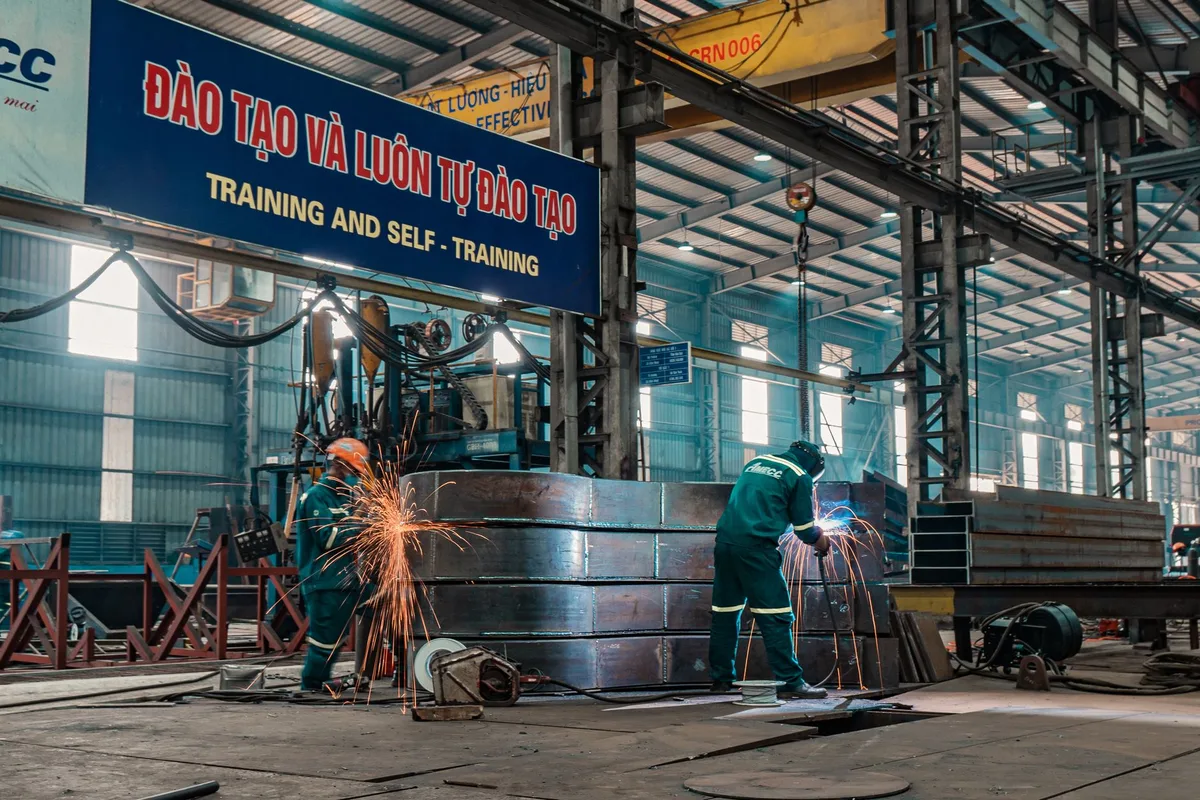
A buyer's guide to Made in Vietnam: what the label means, which products the country manufactures, and how to verify suppliers and origin claims before you order.
Sep 20, 2026
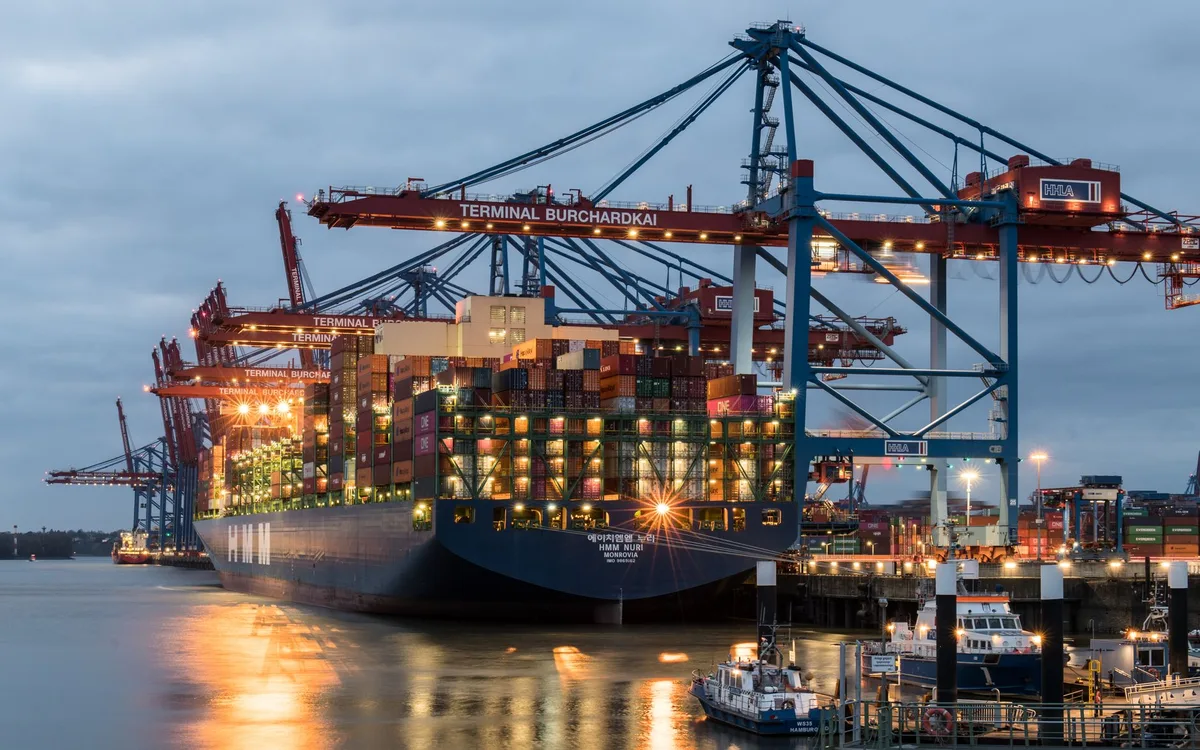
A practical guide to finding, vetting, and ordering from wholesale suppliers anywhere in the world, plus a region-by-region map of where to source what.
Sep 11, 2026