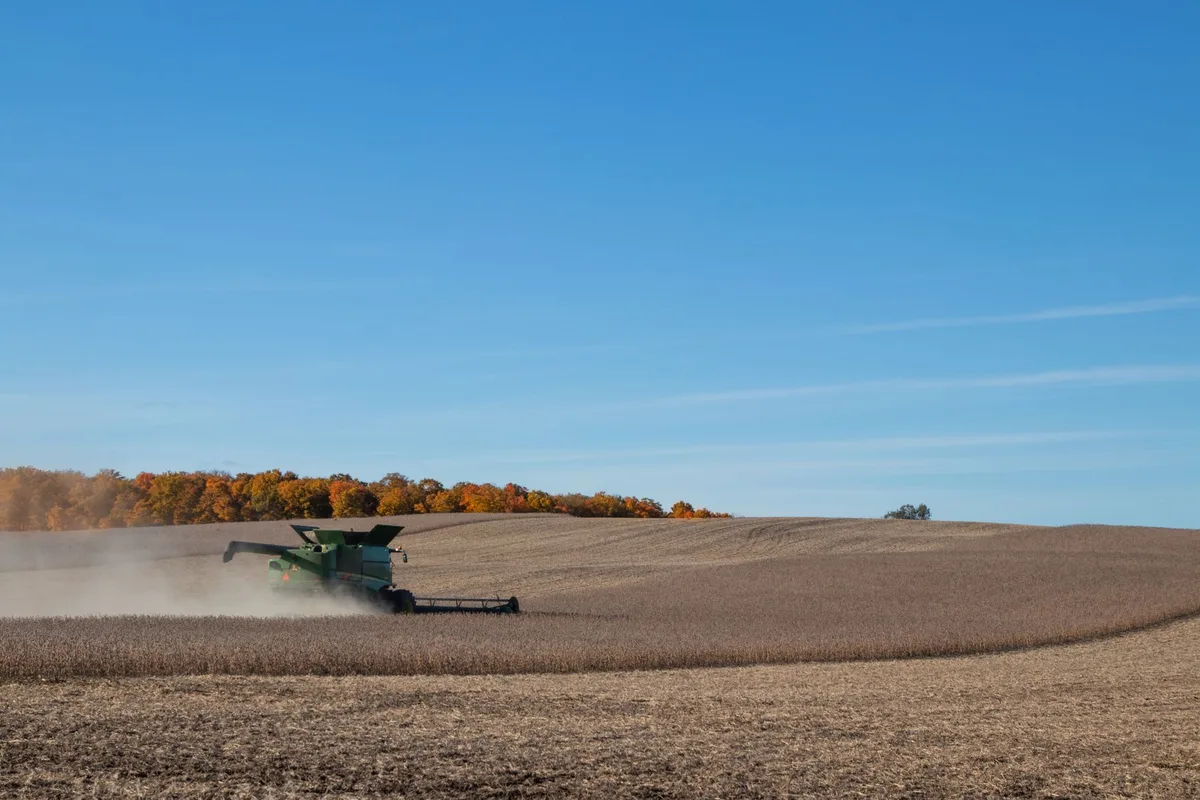
Brazil's Main Export: What It Is and What Buyers Can Source
What is Brazil's main export? A buyer's guide to Brazil's top exports in 2025, why sources rank them differently, who buys them, and how to source Brazilian goods safely.
Sep 26, 2026
Find verified suppliers on Tawaf
Create Free AccountSaudi Arabia is building a country. Not metaphorically — literally pouring concrete, raising steel, and reshaping geography across a landmass the size of Western Europe. The Kingdom's construction sector is valued at over $180 billion in active projects, making it the largest construction market in the Middle East and one of the biggest on the planet. Finding reliable construction companies in Saudi Arabia is the first challenge for anyone trying to participate in this extraordinary building boom.
Saudi Arabia's construction sector encompasses residential, commercial, infrastructure, and industrial building activities driven primarily by Vision 2030 — the Kingdom's economic diversification plan. The sector is characterized by mega-projects of unprecedented scale, massive government investment, rapid adoption of modern construction methods, and an increasingly competitive landscape of local and international contractors.
The construction industry in Saudi Arabia is not operating under normal market conditions. Vision 2030, launched by Crown Prince Mohammed bin Salman in 2016, committed the Kingdom to a fundamental economic transformation away from oil dependency. Construction is the physical manifestation of that transformation, and the numbers are staggering.
According to the Saudi Arabian General Investment Authority (SAGIA), the Kingdom has over $1.3 trillion in planned infrastructure and real estate projects across various stages of development. The construction sector directly employs over 2.5 million workers and contributes approximately 5-6% of non-oil GDP.
The market breaks down into several segments:
Each segment creates demand for different types of construction companies, from global engineering firms managing multi-billion-dollar contracts to local subcontractors handling specialized trades.
Five mega-projects dominate Saudi Arabia's construction pipeline: NEOM (a $500 billion futuristic city including The Line), the Red Sea Project (a luxury tourism destination across 28,000 sq km), Qiddiya (the Kingdom's entertainment capital), Diriyah Gate (a cultural heritage district), and Jeddah Tower (set to become the world's tallest building). Together, these projects represent over $800 billion in construction activity.
Understanding the mega-projects is essential for any construction company or supplier looking to enter the Saudi market. Each project has its own procurement ecosystem, contractor requirements, and opportunity profile.
| Mega-Project | Estimated Value | Location | Status (2026) | Key Opportunities |
|---|---|---|---|---|
| NEOM / The Line | $500B+ | Tabuk Province | Active construction | Structural, MEP, smart systems |
| Red Sea Project | $10B+ | Red Sea coast | Phase 1 operational | Hospitality, marine, infrastructure |
| Qiddiya | $8B+ | Riyadh outskirts | Active construction | Entertainment, sports venues |
| Diriyah Gate | $20B+ | Riyadh | Active construction | Heritage restoration, hospitality |
| Jeddah Tower | $1.4B | Jeddah | Resumed construction | High-rise structural, curtain wall |
| ROSHN Communities | $18B+ | Multiple cities | Rolling phases | Residential, landscaping, utilities |
| King Salman Park | $23B | Riyadh | Active construction | Landscaping, cultural facilities |
NEOM alone is worth more than the entire GDP of many countries. The Line — a 170-kilometer linear city designed to house 9 million people — is the most ambitious single construction project in human history. The workforce demand for these projects is so intense that Saudi Arabia has become the world's largest importer of construction labor.
The Red Sea Project, developed by Red Sea Global, is creating a luxury tourism destination across 50 natural islands. Phase 1 delivered its first resorts in 2024, and Phase 2 construction is running at full capacity. The project requires specialized marine construction, sustainable building methods, and hospitality fit-out contractors.
Qiddiya, positioned as Saudi Arabia's answer to entertainment mega-complexes, includes a Formula 1-grade racetrack, theme parks, a golf course, and performing arts venues. The construction complexity spans virtually every building type and trade specialty.
For contractors and suppliers, the message is clear: the pipeline of work in Saudi Arabia will sustain demand for at least the next decade. The question is not whether opportunities exist but how to access them.
Join Tawaf and connect with verified businesses across 47 countries. No middlemen, no commissions.
Join Tawaf FreeThe Saudi construction market operates in tiers: Tier 1 includes international EPC firms and major Saudi contractors handling billion-dollar projects. Tier 2 covers mid-market contractors managing projects from SAR 50 million to SAR 500 million. Tier 3 encompasses specialized subcontractors, trade companies, and material suppliers. Each tier has different licensing, qualification, and bonding requirements.
Saudi Arabia's construction industry has a clear hierarchy, and understanding where your company fits — or where you need to source from — determines your strategy.
Tier 1 contractors are the general contractors and EPC (Engineering, Procurement, and Construction) firms that win the primary contracts on mega-projects. Saudi Binladin Group, Al Bawani, Almabani General Contractors, Nesma & Partners, and El Seif Engineering are among the largest local firms. International players include Bechtel, Fluor, Samsung C&T, and Hyundai Engineering.
Tier 2 contractors handle medium-scale projects and major subcontracts within mega-projects. These firms typically specialize in specific disciplines — structural concrete, mechanical installation, electrical systems, or interior fit-out. This tier is where much of the actual project delivery happens, and it is often where the most profitable positions exist for well-run companies.
Tier 3 firms include specialized trade contractors, material suppliers, equipment rental companies, and labor providers. Painting contractors, tiling specialists, scaffolding companies, waterproofing applicators, and similar trade-focused businesses operate in this tier. The barrier to entry is lower, but competition is intense.
For B2B buyers sourcing construction services or materials, knowing which tier to target matters. If you need a general contractor for a commercial building, you are shopping in Tier 1 or upper Tier 2. If you need a specific trade subcontractor, Tier 3 is your market. Tawaf's supplier directory helps you filter construction companies by specialty, location, and project capability.
Construction companies in Saudi Arabia must hold a contractor classification certificate from the Ministry of Municipal, Rural Affairs and Housing (MOMRAH), a commercial registration (CR) from the Ministry of Commerce, and Saudization compliance certification. Projects above certain thresholds require specific classification grades, and foreign contractors must typically partner with a Saudi entity or establish a local branch.
The regulatory framework for construction in Saudi Arabia is structured but navigable. Here are the key requirements:
Contractor Classification is managed by MOMRAH and grades companies from first class (Grade 1, handling the largest projects) down to fifth class (Grade 5, for small works). Your grade determines the maximum project value you can bid on. Classification considers financial capacity, technical staff, equipment ownership, and track record.
Commercial Registration through the Ministry of Commerce is mandatory for any business operating in Saudi Arabia. Construction companies need a CR that specifically covers their intended scope of work — general contracting, specialist trade, engineering consultancy, or material supply.
Saudization requirements under the Nitaqat program mandate minimum percentages of Saudi national employees. Construction companies fall under specific Nitaqat categories with quotas that vary by company size and activity. Non-compliance affects your ability to obtain or renew visas for foreign workers.
Foreign contractor access has expanded significantly under Vision 2030 reforms. International companies can now establish 100% foreign-owned entities in Saudi Arabia for many construction activities, a significant change from the previous requirement of a Saudi partner holding at least 25% equity. However, certain activities still require local partnerships or specific licenses.
For B2B buyers, verifying a contractor's classification grade, CR validity, and Saudization status should be standard due diligence. Ask for copies of these documents before engaging any construction company for project work.
Find verified construction companies through MOMRAH's contractor registry, industry events like Saudi Build and The Big 5 Saudi, B2B sourcing platforms like Tawaf, the Saudi Contractors Authority, direct referrals from project management consultants, and prequalification databases maintained by major clients like Saudi Aramco, NEOM, and the Royal Commission.
The sourcing challenge in Saudi Arabia is not finding construction companies — there are thousands registered. The challenge is finding verified, qualified companies that can actually deliver on their commitments.
MOMRAH's contractor database is the official registry. Every classified contractor appears in this database with their grade, scope of work, and registration details. This is your starting point for verification.
Industry events remain one of the most effective ways to meet construction companies face to face. Saudi Build Expo, held annually in Riyadh, attracts over 500 exhibitors spanning construction companies, material suppliers, and equipment manufacturers. The Big 5 Saudi and Future Build KSA are other major events worth attending.
B2B sourcing platforms have become increasingly important as the volume of projects overwhelms traditional networking methods. Tawaf's construction supplier directory lets you search by specialty, location, and project experience. You can post a Looking For request describing your specific contractor requirements and receive responses from qualified companies.
Prequalification databases maintained by major project owners are goldmines of vetted contractors. Saudi Aramco, NEOM, the Royal Commission for AlUla, and Red Sea Global all maintain approved vendor lists. If a contractor is prequalified with one of these organizations, they have passed rigorous financial and technical assessments.
Sign up on Tawaf to access verified construction companies across Saudi Arabia and post your project requirements directly to qualified contractors.
Cement, structural steel, ready-mix concrete, rebar, aluminum profiles, glass curtain wall systems, MEP components, waterproofing materials, and insulation products represent the highest-demand construction materials in KSA. The scale of Vision 2030 projects has created supply chain bottlenecks in several categories, making material sourcing a competitive advantage for contractors.
Saudi Arabia's construction material market is one of the largest in the world by volume. The Kingdom produces significant quantities of cement and steel domestically, but demand from mega-projects regularly outpaces local production capacity.
| Material Category | Annual KSA Demand | Local Production | Import Dependency | Key Source Countries |
|---|---|---|---|---|
| Cement | 65M+ tonnes | ~60M tonnes | Low (10-15%) | UAE, Oman |
| Structural Steel | 12M+ tonnes | ~7M tonnes | Medium (40%) | China, Turkey, India |
| Rebar | 8M+ tonnes | ~6M tonnes | Medium (25%) | Turkey, China |
| Aluminum Systems | Growing rapidly | Limited | High (70%+) | China, UAE, India |
| Glass / Curtain Wall | Growing rapidly | Limited | High (80%+) | China, Germany, UAE |
| MEP Components | Growing rapidly | Limited | High (75%+) | China, Germany, Italy |
| Waterproofing | Growing rapidly | Some local | Medium (50%) | Germany, Italy, USA |
For construction companies operating in Saudi Arabia, material procurement is a strategic function that directly impacts project timelines and profitability. Locking in material supply agreements early — sometimes months before a project breaks ground — is standard practice for experienced Saudi contractors.
International material suppliers looking to enter the Saudi market should understand that relationships and reliability outweigh price in many procurement decisions. A supplier who delivers consistently on schedule commands a premium over one who offers the lowest price but ships late. The cost of a construction delay measured in daily liquidated damages dwarfs any savings on material pricing.
Saudi construction contracts typically follow FIDIC-based frameworks modified by local regulations. Payment terms range from 30 to 90 days after certification, with retentions of 5-10% held until project completion. Advance payments of 10-20% secured by bank guarantees are common on larger projects. Understanding the cash flow implications of these terms is essential before committing to any Saudi contract.
Cash flow management makes or breaks construction companies in Saudi Arabia. The combination of long payment cycles, retention withholdings, and bond requirements means you need significant working capital to operate.
Standard payment flow works like this: you complete work, submit a monthly progress claim, the engineer or project manager certifies the work (typically within 14-28 days), and the client pays within 30-60 days of certification. Total cycle from work completion to cash receipt: 45-90 days. For a company burning SAR 5 million per month on labor and materials, that gap requires SAR 7.5-15 million in working capital.
Retention — typically 5-10% of each progress payment — is held back as security against defects. Half is usually released at substantial completion, and the remainder at the end of the defect liability period (typically 12 months after completion). This money is essentially locked up for the duration of your project plus a year.
Advance payments on larger contracts provide working capital relief. A 10-20% mobilization advance against a bank guarantee allows you to purchase materials and mobilize equipment before the first progress payment arrives. The advance is then deducted proportionally from subsequent payments.
Performance bonds of 5-10% of contract value, issued by Saudi banks, are standard. These bonds remain active until project completion and sometimes through the defect liability period. Your bonding capacity limits the total value of contracts you can hold simultaneously.
The practical advice for contractors entering Saudi Arabia: do not bid on a project unless you have the working capital to sustain 90+ days of operating costs without payment. Undercapitalized contractors are the most common failure mode in Saudi construction.
Saudization — the Kingdom's nationalization policy requiring minimum percentages of Saudi employees — significantly impacts construction company workforce planning. The Nitaqat program categorizes companies by Saudization compliance into color bands that determine their ability to hire foreign workers. Construction companies must balance the need for specialized foreign labor with increasing Saudi national participation targets.
The construction industry has historically relied heavily on expatriate labor, particularly from South Asia, Southeast Asia, and the Philippines. Saudization policy is gradually shifting this balance by mandating higher percentages of Saudi nationals in construction company workforces.
Under the current Nitaqat framework, construction companies are evaluated against Saudization targets that vary by company size. Companies in the "green" and "platinum" bands have met or exceeded their targets and enjoy streamlined visa processing. Companies in the "red" band face visa restrictions and potential penalties.
The challenge for construction companies is that Saudi nationals have historically been reluctant to enter manual construction trades. The Kingdom is addressing this through technical training programs, competitive wage requirements for Saudi workers, and construction-specific vocational education at institutions like the Technical and Vocational Training Corporation (TVTC).
For international contractors entering Saudi Arabia, Saudization compliance should be part of your market entry planning from day one. Partnering with companies that already have strong Saudization records can simplify your staffing challenges significantly.
International companies can enter Saudi Arabia's construction market through four primary routes: establishing a 100% foreign-owned branch under new investment reforms, forming a joint venture with a Saudi contractor, securing a service agent arrangement for specific projects, or partnering with an existing Saudi firm as a specialist subcontractor. Each route has different capital requirements, timeline, and risk profiles.
Vision 2030 reforms have significantly lowered barriers for international construction firms. The Ministry of Investment (MISA) has streamlined licensing for foreign companies, and 100% foreign ownership is now permitted for most construction activities.
Direct establishment means setting up a Saudi entity — typically a limited liability company — with your own commercial registration and contractor classification. This gives you maximum control but requires the most investment: minimum capital requirements, local office space, Saudi staff, and the time to build a classification record from Grade 5 upward.
Joint ventures with established Saudi contractors offer a faster path to project access. Your Saudi partner contributes local relationships, contractor classification, and workforce infrastructure. You contribute technical expertise, international experience, and potentially access to technology or specialized equipment. Joint ventures work best when both parties bring genuinely complementary capabilities.
Service agent arrangements allow foreign companies to work on specific projects without a permanent Saudi presence. A Saudi service agent sponsors your involvement, handles local administration, and takes a commission on contract value. This is the lowest-commitment entry mode but offers the least control and thinnest margins.
Specialist subcontracting means working under a Tier 1 or Tier 2 contractor who has won the primary contract. You bid on the portion of work matching your specialty — curtain wall installation, MEP systems, or specialized foundations, for example. This lets you build Saudi project experience and relationships without the overhead of a direct establishment.
List your construction capabilities on Tawaf to connect with Saudi contractors and project owners looking for qualified firms.
Major risks include payment delays that strain cash flow, labor availability challenges during peak mega-project activity, material price volatility driven by global supply chains, extreme climate conditions requiring specialized construction methods, regulatory changes affecting project scope or requirements, and dispute resolution complexity in a jurisdiction unfamiliar to many international contractors.
Risk management in Saudi construction requires a different playbook than what works in Europe or North America.
Payment risk is the most cited concern among contractors operating in KSA. While government-backed mega-projects have strong payment records, private sector projects and lower-tier subcontracts can experience significant delays. Mitigate this by checking the client's payment history with other contractors, requiring advance payments on larger scopes, and maintaining sufficient working capital reserves.
Labor availability fluctuates as mega-projects compete for the same workforce. When NEOM, Red Sea, and Qiddiya are all ramping simultaneously, skilled tradespeople become scarce and expensive. Plan workforce mobilization early and consider training programs that develop skilled workers within your organization rather than competing on the open market.
Climate considerations are not trivial. Summer temperatures in Riyadh regularly exceed 48 degrees Celsius, and the Kingdom enforces a midday outdoor work ban from June through September. This effectively reduces productive outdoor work hours by 30-40% during summer months. Project schedules must account for this annual productivity reduction.
Dispute resolution in Saudi Arabia follows a system influenced by Sharia law principles, which differ from common law and civil law frameworks that most international contractors are familiar with. Arbitration clauses specifying recognized international arbitration centers (like the Saudi Center for Commercial Arbitration) provide more predictable resolution mechanisms than relying on local courts.
How long does it take to establish a construction company in Saudi Arabia? Setting up a foreign-owned construction entity takes 3-6 months, including MISA licensing, commercial registration, and initial contractor classification. Reaching a classification grade that allows you to bid on medium-to-large projects typically takes 1-2 additional years of building a track record. Joint ventures can accelerate market entry to 2-3 months.
What are the most profitable construction segments in KSA right now? Hospitality fit-out, specialized MEP contracting, and sustainable construction consultancy are commanding the highest margins in 2026. The rush to deliver hotel rooms for tourism targets and the technical complexity of smart building systems in mega-projects are driving premium pricing for these specialties.
Do I need a Saudi partner to start a construction company? No longer mandatory for most activities under current MISA regulations. 100% foreign-owned construction companies are now permitted. However, a Saudi partner can accelerate market entry through existing relationships, contractor classification history, and workforce infrastructure. The best approach depends on your specific situation and timeline.
How do I get on the approved vendor list for NEOM or Saudi Aramco? Both organizations run formal prequalification processes. NEOM's procurement portal accepts vendor registrations on a rolling basis. Saudi Aramco's vendor registration through the IKTVA portal evaluates financial strength, technical capability, HSE record, and in-Kingdom value contribution. Preparation typically takes 2-4 months, and approval can take another 3-6 months.
What is the average project timeline for commercial buildings in KSA? A mid-rise commercial building (10-20 floors) in Riyadh typically takes 18-30 months from ground-breaking to handover. Mega-project timelines vary enormously — individual buildings within NEOM may take 12-24 months, but the overall program spans a decade or more.
Get Started
Create your free account and start connecting with verified suppliers and buyers worldwide.
Create Free Account
We help businesses navigate cross-border trade. Our team covers supplier verification, trade compliance, and B2B marketplace strategies to connect verified businesses worldwide.
What is Brazil's main export? A buyer's guide to Brazil's top exports in 2025, why sources rank them differently, who buys them, and how to source Brazilian goods safely.
Sep 26, 2026
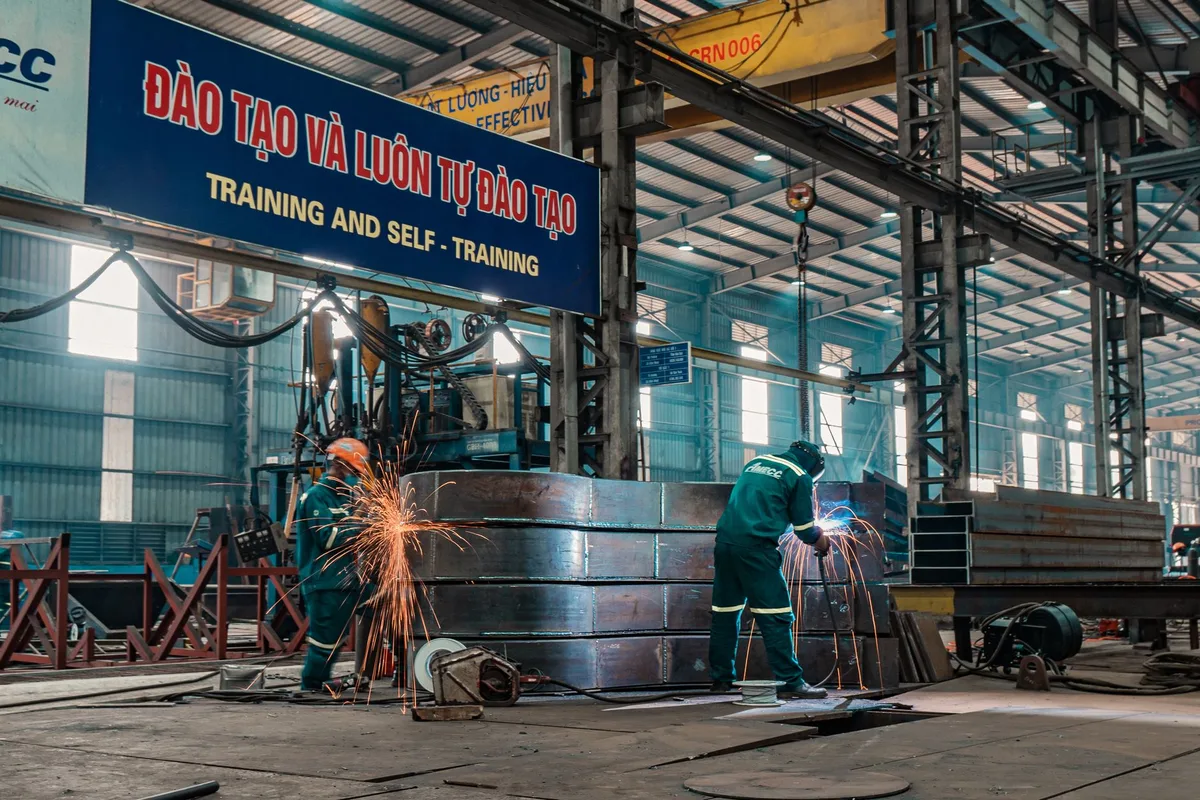
A buyer's guide to Made in Vietnam: what the label means, which products the country manufactures, and how to verify suppliers and origin claims before you order.
Sep 20, 2026
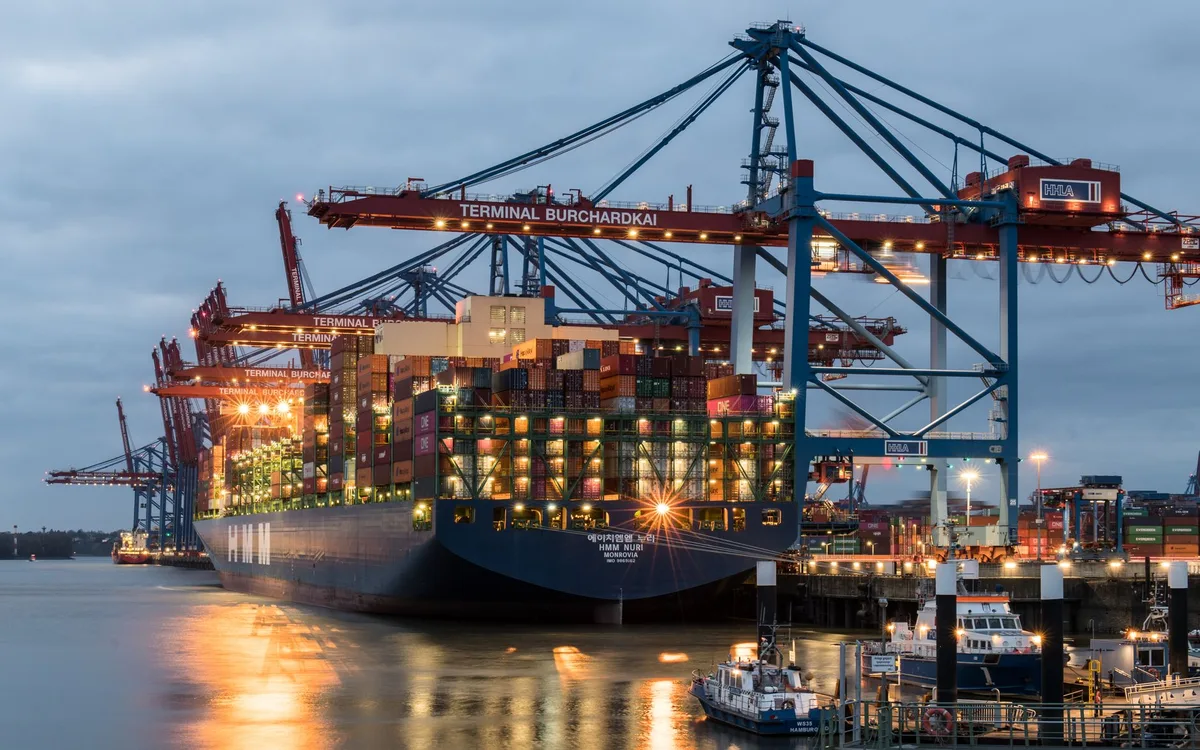
A practical guide to finding, vetting, and ordering from wholesale suppliers anywhere in the world, plus a region-by-region map of where to source what.
Sep 11, 2026