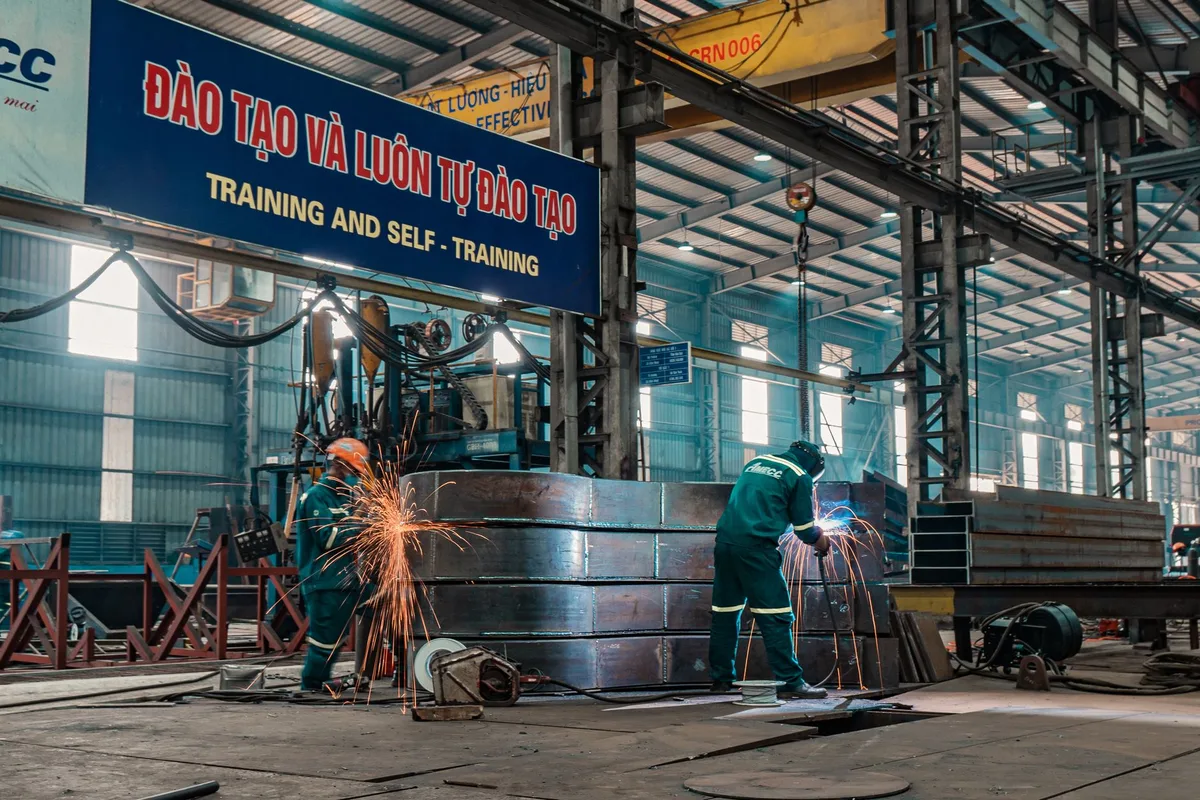
Made in Vietnam: What Vietnam Makes and How to Source It
A buyer's guide to Made in Vietnam: what the label means, which products the country manufactures, and how to verify suppliers and origin claims before you order.
Sep 20, 2026
Find verified suppliers on Tawaf
Create Free AccountMost buyers guess soybeans, coffee or beef.
Brazil's 2025 trade figures point somewhere else. Crude oil came out on top, by about US$1 billion.
This guide gives the ranking and explains why sources disagree. It shows who buys what, including what Brazil sells to Malaysia, Indonesia and Vietnam. It ends with a practical route for buyers who want Brazilian goods without a trading-house budget.
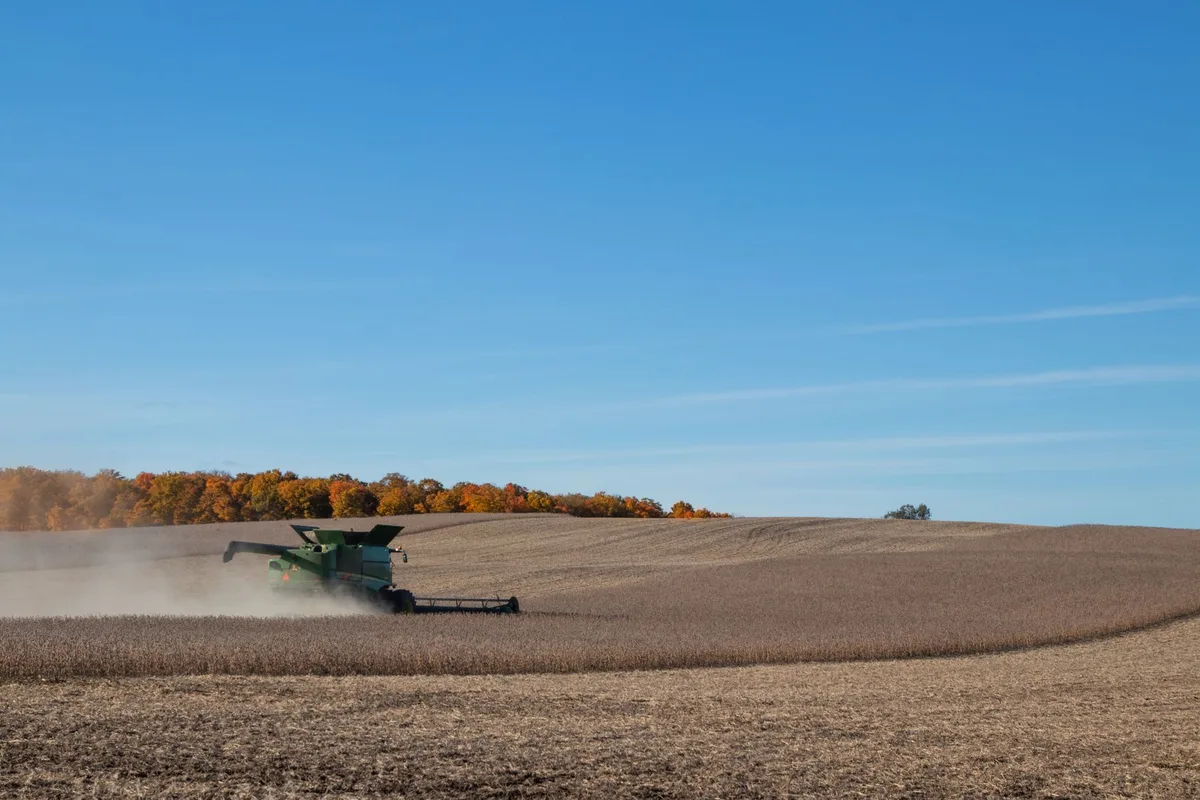
Crude oil is Brazil's main export by value. It earned US$44.6 billion in 2025, according to the Brazilian Petroleum, Gas and Biofuels Institute (IBP), the second year in a row that oil led the list. Soybeans followed at US$43.5 billion and iron ore at US$28.96 billion, per Brazil's agriculture and trade ministries.
Brazil exported US$348.7 billion of goods in 2025, according to the trade ministry (MDIC), as reported by Industrial Info. That is a record and 3.5% above 2024. Volume grew faster than value, by 5.7%.
The table lists the leading single products.
| Export | 2025 value | What to know |
|---|---|---|
| Crude oil | US$44.6 billion | Record shipments of 98 million tonnes. Value was just below the US$44.8 billion record of 2024 |
| Soybeans | US$43.5 billion | Record 108.2 million tonnes shipped. Value rose only 1.4% |
| Iron ore | US$28.96 billion | Record 416 million tonnes |
| Beef | US$16.6 billion | Value up 42.46% on 2024 |
| Coffee (green) | US$14.9 billion | Record value |
| Sugar | US$14.12 billion | Value down 24.14% on 2024 |
Sources: IBP for oil value. MDIC figures as reported by Industrial Info for oil volume, iron ore, beef and sugar. Brazil's agriculture ministry, as reported by AgNavigator, for soybeans. MDIC's 2025 trade release for green coffee.
Oil, soybeans and iron ore add up to about US$117 billion by our arithmetic from these figures. That is roughly one-third of everything Brazil sold abroad.
Oil's lead is narrow. Soybeans trail by about US$1 billion, and a small swing in prices could flip the order in another year. Soybeans are still the country's biggest farm export, and USDA's Brasilia office calls Brazil the world's largest soybean producer.
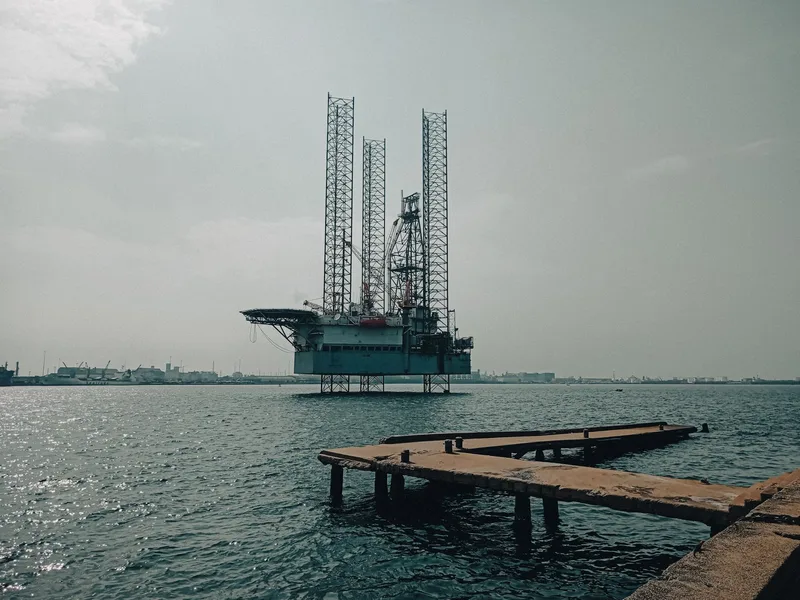
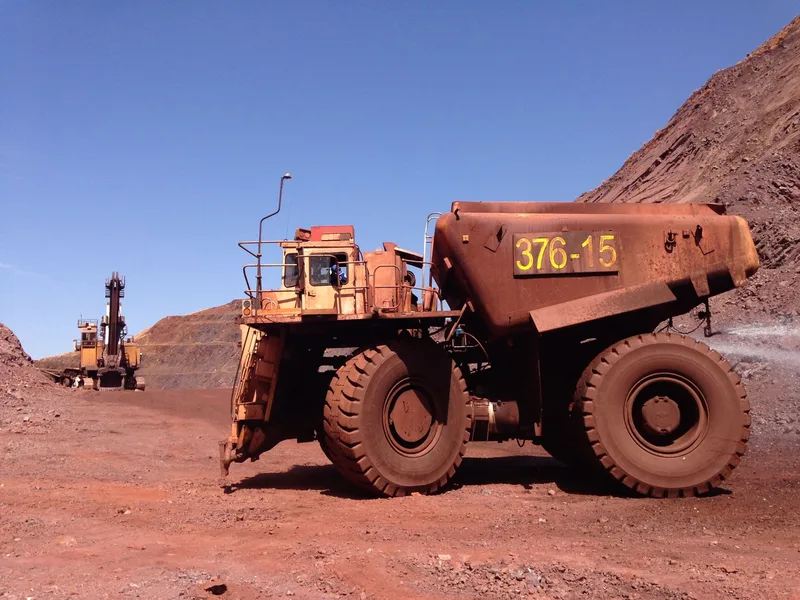
What does this mean for a buyer? Crude oil and iron ore move in cargo-ship lots between large companies. Small and mid-size buyers rarely trade them direct. The openings for you are further down the list, in farm goods that ship by the container.
Rankings differ because sources group goods differently. MDIC and IBP count crude oil as one product, so it wins. The UN Comtrade database groups goods by customs chapter. Its 2025 figures put all mineral fuels at US$56.20 billion, or 16.1% of Brazil's US$348.68 billion in exports, ahead of oilseeds at US$44.67 billion.
Neither ranking is wrong. They answer different questions.
The next table uses customs chapters. Shares are our calculation from the UN Comtrade values.
| Product group | 2025 value | Share of exports |
|---|---|---|
| Mineral fuels and oils | US$56.20 billion | 16.1% |
| Oilseeds (mainly soybeans) | US$44.67 billion | 12.8% |
| Ores, slag and ash | US$34.87 billion | 10.0% |
| Meat and edible offal | US$29.98 billion | 8.6% |
| Coffee, tea, mate and spices | US$15.64 billion | 4.5% |
| Vehicles (non-rail) | US$15.08 billion | 4.3% |
| Sugars and sugar confectionery | US$14.34 billion | 4.1% |
| Machinery and boilers | US$13.89 billion | 4.0% |
Source: UN Comtrade data on Trading Economics, 2025 total of US$348.68 billion.
The four largest groups, fuels, oilseeds, ores and meat, make up close to half of all exports. But the table also shows that Brazil is not only a raw-materials seller. Vehicles and machinery each reach about 4% of exports.
Ministries can also disagree with each other. MDIC puts beef at US$16.6 billion. Brazil's agriculture ministry reports US$17.9 billion. MDIC counts green coffee at US$14.9 billion, while the agriculture ministry reports coffee at about US$16 billion, up 30.3%. Gaps like these usually come from what each agency counts, such as processed products or by-products. Check the definition before you quote a figure in a business plan or a pitch.
Join Tawaf and connect with verified businesses across 47 countries. No middlemen, no commissions.
Join Tawaf FreeChina is Brazil's biggest buyer. It took US$100.02 billion of Brazilian goods in 2025, about 29% of the total, per MDIC. The European Union bought US$49.81 billion, the United States US$37.72 billion and Argentina US$18.11 billion. Agribusiness alone was worth US$169.2 billion, or 48.5% of exports, according to the agriculture ministry.
| Destination | 2025 exports | Change on 2024 |
|---|---|---|
| China | US$100.02 billion | +5.9% |
| European Union | US$49.81 billion | +3.2% |
| United States | US$37.72 billion | -6.57% |
| Argentina | US$18.11 billion | +31.4% |
Source: MDIC figures as reported by Industrial Info.
China's US$100.02 billion is about 29% of the total, by our calculation from these figures.
China matters most for farm goods. It took US$55.3 billion of Brazil's agribusiness exports, 32.7% of that total, according to Brazil's agriculture ministry.
Agribusiness source: Global Agriculture's report on the 2025 figures.
When one buyer takes this much of the supply, its demand can move prices for everyone else. Keep that in mind when a Brazilian supplier's quote changes between two emails.
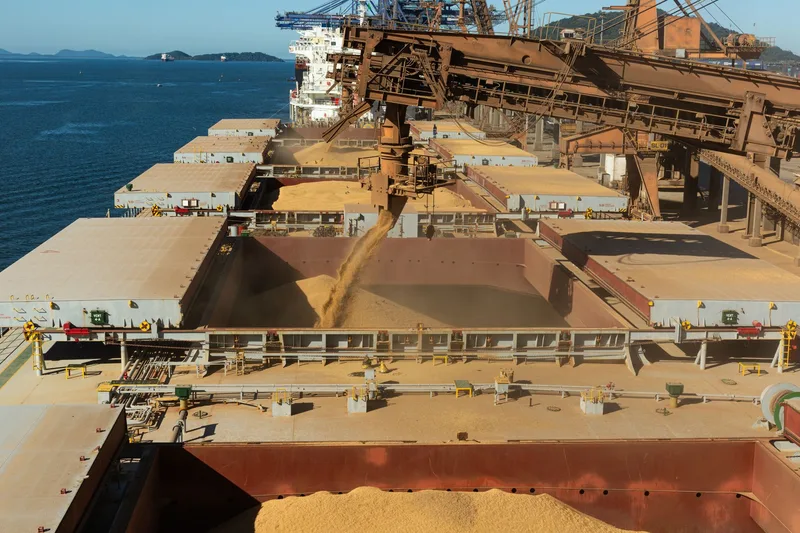
Brazil sold US$3.54 billion to Malaysia, US$4.15 billion to Indonesia and US$3.76 billion to Vietnam in 2025, per UN Comtrade data. The mix differs by market: Malaysia buys mostly ores and sugar, Indonesia buys animal feed such as soybean meal plus sugar, and Vietnam buys cereals and cotton.
Southeast Asian buyers do not shop for the same goods as China. The table shows the largest lines for each market.
| Market | Total from Brazil | Largest categories |
|---|---|---|
| Malaysia | US$3.54 billion | Ores US$1.67 billion; sugar US$626.72 million; mineral fuels US$564.40 million; cereals US$135.30 million |
| Indonesia | US$4.15 billion | Food-industry residues and animal fodder US$1.35 billion; sugar US$797.96 million; mineral fuels US$745.75 million; cotton US$289.72 million; tobacco US$280.43 million |
| Vietnam | US$3.76 billion | Cereals US$1.09 billion; cotton US$691.00 million; oilseeds US$536.11 million; food-industry residues and animal fodder US$380.97 million |
Source: UN Comtrade data on Trading Economics for Malaysia, Indonesia and Vietnam, 2025. The animal fodder group includes soybean meal.
Meat and coffee are smaller lines in all three markets. Meat was US$76.02 million to Malaysia, US$160.43 million to Indonesia and US$187.81 million to Vietnam. Coffee reached US$115.10 million in Malaysia.
Those small lines are often where mid-size buyers find room, because the goods ship by the container instead of by the shipload. Sugar, cotton, coffee and frozen meat all fit that pattern. Compare Brazilian sugar quotes with our guide to sugar exporters in India. For coffee, see how origins differ in our guide to coffee exporters in Kenya.
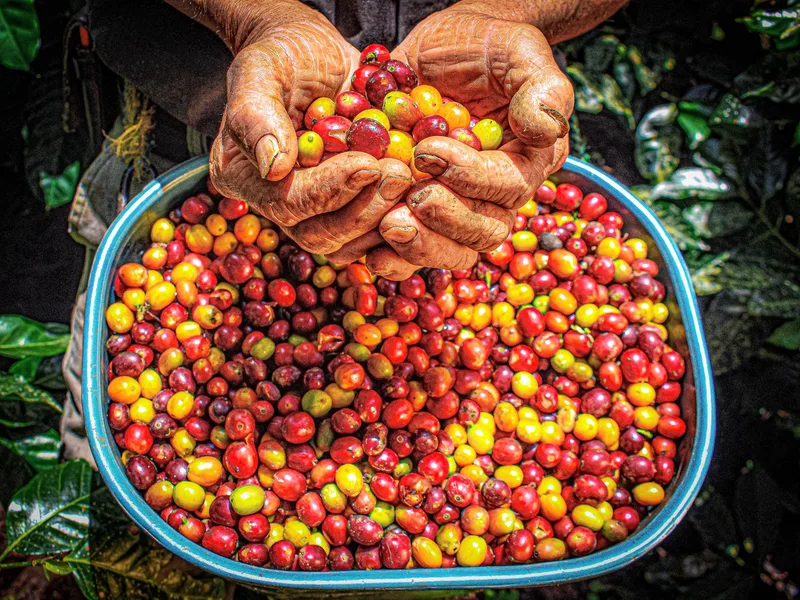
Small buyers rarely buy oil, soybeans or iron ore direct, because those trade in shipload lots through large traders. The workable route is containerised goods: coffee, sugar, cotton, frozen meat and processed foods. Follow 5 steps: choose the product and grade, shortlist exporters, verify them, agree terms, and inspect before shipping.
Work through the steps in order.
Tawaf's threaded inquiry system keeps your spec, quotes and sample approvals in one conversation. That helps if you later need to show what was agreed.
Want Brazilian goods on your next order? Post a free "Looking For" request on Tawaf and let suppliers respond with quotes. Get started here. Takes a few minutes. Free. No obligation to buy.
Run 5 checks before you send a deposit: company identity, export record, product approvals, quality proof and references. Every registered Brazilian company has a CNPJ number that you can look up on the federal tax authority's public site. Meat plants also need federal inspection, and your own country's authority must approve them.
Use the table as a checklist. Each row pairs a check with the red flag that should stop you.
| Check | What to ask for | Red flag |
|---|---|---|
| Company identity | CNPJ number, legal name and address. Look the company up on the federal tax authority's public CNPJ search | Details that do not match, or a request to pay a personal account |
| Export record | Recent export invoices or bills of lading (customer names can be hidden) and a list of destination markets | No export history, or refuses to show any shipping papers |
| Product approvals | Meat: the plant's federal inspection (SIF) number, checked against your country's approved-plant list. Plant products: a phytosanitary certificate from Brazil's agriculture ministry. Halal goods: a certifier on your authority's recognised list, such as JAKIM in Malaysia or BPJPH in Indonesia | Certificates with no issuer or date, or a halal certifier your authority does not recognise |
| Quality proof | A pre-shipment sample and an independent lab or inspection report on grade, moisture or ICUMSA | Brochure only, or refuses to send a sample |
| References | Two recent buyers, ideally in your region | Only testimonials posted on the supplier's own site |
A good exporter expects these questions. Vague answers to the first three are a reason to walk away. For the reasoning behind each check, read why supplier verification matters in B2B. If you plan to buy halal meat or food, our halal certification guide explains how the process works.
For beef, USDA's Brasilia office forecast in February 2025 that Brazil would remain the world's largest beef exporter that year. Big supply does not remove the need to check each plant. Compare with our guide to the largest beef exporters in India.
Brazil's export mix is commodity-heavy, so prices and paperwork can shift fast. In 2025, soybean value rose just 1.4% on record volume, sugar value fell 24.14%, and coffee value rose 30.3%, per Brazil's ministries. Lock price, grade and Incoterms in writing, and check duty exposure in your own market.
None of these risks is a reason to avoid Brazil. Each is a reason to ask better questions.
Crude oil. It earned US$44.6 billion in 2025, per the Brazilian Petroleum, Gas and Biofuels Institute, and led the list for the second year running. Soybeans were close behind at US$43.5 billion. If you group goods by customs chapter instead, mineral fuels lead at US$56.20 billion, per UN Comtrade.
Neither leads the whole list, but soybeans are the biggest farm export. They earned US$43.5 billion on a record 108.2 million tonnes in 2025, per Brazil's agriculture ministry. Green coffee earned US$14.9 billion, a record value, per MDIC.
China is first, at US$100.02 billion in 2025, per MDIC. The European Union followed with US$49.81 billion, then the United States with US$37.72 billion and Argentina with US$18.11 billion.
Mostly ores and sugar. Of US$3.54 billion in Brazilian exports to Malaysia in 2025, ores were US$1.67 billion and sugar US$626.72 million, per UN Comtrade data. Mineral fuels added US$564.40 million.
Yes, for goods that ship by the container, such as coffee, sugar, cotton and frozen meat. Verify the exporter's CNPJ and export record, agree the grade and Incoterms in writing, and order a sample before any bulk deposit. Bulk oil, soybeans and iron ore trade in shipload lots, so they suit large traders more than small buyers.
Get Started
Create your free account and start connecting with verified suppliers and buyers worldwide.
Create Free Account
We help businesses navigate cross-border trade. Our team covers supplier verification, trade compliance, and B2B marketplace strategies to connect verified businesses worldwide.
A buyer's guide to Made in Vietnam: what the label means, which products the country manufactures, and how to verify suppliers and origin claims before you order.
Sep 20, 2026
A practical guide to finding, vetting, and ordering from wholesale suppliers anywhere in the world, plus a region-by-region map of where to source what.
Sep 11, 2026
Dubai is the trading capital of the Middle East. Companies like Safco International have helped build Dubai's reputation as a global commerce hub, connecting manufacturers in Asia with buyers across the Middle East, Africa, and beyond. Whether you are researching Safco specifically or trying to unde
May 19, 2026