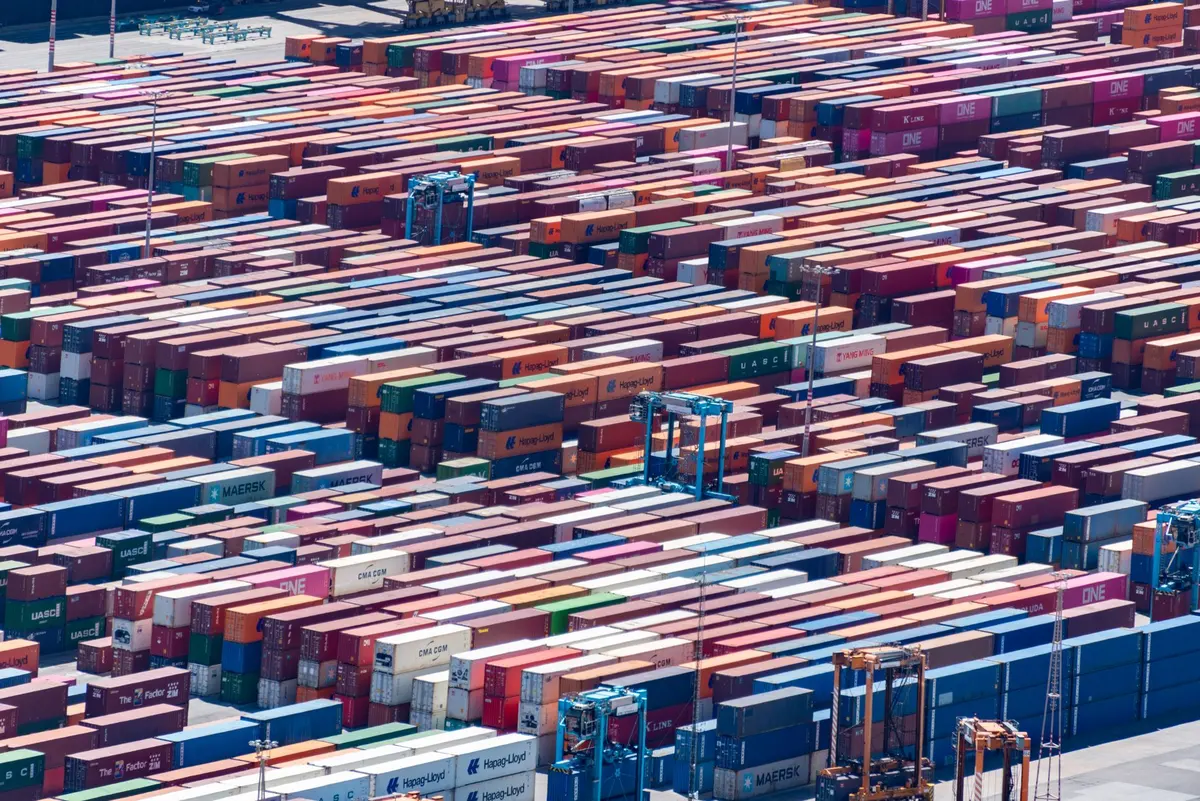
11 Best Sites Like Alibaba for B2B Sourcing in 2026
Alibaba is not always the right fit. Here are 11 alternative B2B marketplaces, ranked by sourcing region and use case, so you can find suppliers Alibaba's algorithm never surfaces.
Sep 30, 2026
Find verified suppliers on Tawaf
Create Free AccountAfrica and Asia are reshaping global trade. Bilateral trade between the two continents has surpassed $200 billion annually and is growing faster than almost any other trade corridor in the world. While Western media focuses on US-China dynamics and European supply chain reshoring, a quieter revolution is underway as African and Asian businesses build direct connections that bypass traditional Western intermediaries entirely.
The Africa-Asia trade corridor encompasses all bilateral trade between African and Asian nations, currently exceeding $200 billion annually, dominated by China-Africa trade ($282B) but increasingly diversified to include India, UAE, Turkey, Indonesia, Malaysia, and emerging South-South connections that are redefining global commerce.
This is not a single route. It is a network of trade relationships spanning dozens of country pairs, hundreds of product categories, and thousands of individual businesses. The corridor includes:
For businesses using Tawaf's B2B marketplace, this corridor represents one of the most dynamic opportunities in global trade. The platform specifically serves the markets on both sides of this corridor.
Africa-Asia bilateral trade exceeds $200 billion annually and has grown at a compound annual rate of approximately 12% over the past two decades, outpacing global trade growth by a factor of three, driven by Africa's growing consumer class and Asia's manufacturing capacity.
Here are the numbers broken down by major country pairs:
| Trade Corridor | Annual Volume (est.) | Primary Exports (Africa to Asia) | Primary Exports (Asia to Africa) | Growth Trend |
|---|---|---|---|---|
| China-Africa | $282 billion | Oil, minerals, metals, timber | Machinery, electronics, textiles, consumer goods | Steady |
| India-Africa | $98 billion | Oil, gold, coal, agricultural products | Pharmaceuticals, vehicles, machinery, rice | Accelerating |
| UAE-Africa | $60+ billion | Gold, oil, agricultural products | Re-exports, vehicles, electronics | Strong |
| Turkey-Africa | $40+ billion | Raw materials, agricultural products | Construction materials, textiles, food | Strong |
| Japan-Africa | $24 billion | Minerals, oil, metals | Vehicles, machinery, electronics | Moderate |
| Indonesia-Africa | $12+ billion | Minerals, agricultural products | Palm oil, textiles, rubber products | Accelerating |
| Malaysia-Africa | $10+ billion | Oil, minerals | Palm oil, electronics, rubber | Moderate |
Sources: UN Comtrade, national trade statistics, African Development Bank estimates.
What makes this corridor special is not just its size but its trajectory. According to the Brookings Institution, Africa's working-age population will exceed 1 billion by 2035, creating both a massive consumer market and a labour force that will attract manufacturing investment from Asia.
Join Tawaf and connect with verified businesses across 47 countries. No middlemen, no commissions.
Join Tawaf FreeThe corridor is dominated by Africa exporting raw materials (oil, minerals, agricultural commodities) to Asia and importing manufactured goods (machinery, electronics, vehicles, textiles, pharmaceuticals), but this pattern is diversifying as African manufacturing grows and Asian demand for African agricultural products increases.
The product mix is evolving:
Africa to Asia (traditional):
Africa to Asia (growing):
Asia to Africa (established):
Asia to Africa (growing):
For businesses looking for wholesale products to trade along this corridor, understanding the product mix helps identify where competition is fierce and where gaps create opportunities.
India-Nigeria bilateral trade is approximately $15 billion annually, making Nigeria one of India's largest trading partners in Africa. India imports crude oil from Nigeria and exports pharmaceuticals, machinery, vehicles, and consumer goods, with a growing diaspora-driven trade in food products and textiles.
India and Nigeria have a relationship that extends far beyond official trade statistics. The Indian diaspora in Nigeria, numbering over 50,000, has created personal and business networks that facilitate trade in ways that customs data does not fully capture.
Key trade dynamics:
Pharmaceuticals: India supplies approximately 70% of Africa's pharmaceutical needs, and Nigeria is the largest single market. Indian generic drugs are affordable, widely trusted, and distributed through networks that reach even rural areas.
Oil: Nigeria is one of India's top oil suppliers, though this is declining as India diversifies its energy sources.
Technology: Indian IT companies (TCS, Infosys, Wipro) have a growing presence in Nigeria, and there is increasing collaboration in fintech -- Lagos and Bangalore are frequently compared as startup ecosystems.
Textiles: Nigerian traders regularly source textiles from Surat and other Indian textile hubs, selling both directly and through re-export networks.
Finding suppliers by country on Tawaf is particularly useful for this corridor, as both Indian and Nigerian businesses are active on the platform.
The UAE, particularly Dubai, functions as the primary intermediary hub for Africa-Asia trade, offering world-class logistics infrastructure, free zones, re-export capabilities, trade finance, and a business environment that bridges Asian manufacturing with African consumption markets.
Dubai's role in the Africa-Asia corridor is disproportionate to its own economy's size. Here is why:
Many businesses that appear as "UAE suppliers" are actually trading companies that source from China, India, or Pakistan and distribute to African markets. This is not deception -- it is a legitimate business model that adds value through logistics, quality control, and financing. Companies like Safco International exemplify this trading house model.
Want to connect with Dubai-based traders who cover the Africa-Asia corridor? Register on Tawaf and explore our UAE supplier listings.
China-South Africa bilateral trade exceeds $50 billion annually, making China South Africa's largest trading partner. Opportunities include African agricultural exports to China, Chinese renewable energy technology for South Africa, automotive component trade, and e-commerce connecting Chinese manufacturers directly with South African consumers.
South Africa is Africa's most industrialised economy and China's largest African trading partner. The relationship is complex:
Trade imbalance concern: South Africa imports far more from China than it exports, creating political tensions. South African manufacturers compete directly with cheaper Chinese imports in textiles, furniture, and consumer goods.
Agricultural opportunity: China's growing middle class demands African agricultural products: wine, citrus fruits, macadamia nuts, dried fruit, and seafood. South Africa is well-positioned as a quality supplier.
Renewable energy: South Africa's commitment to renewable energy creates demand for Chinese solar panels, wind turbines, and battery technology. This is one of the fastest-growing trade categories.
Technology transfer: Chinese companies including Huawei, ZTE, and BYD have significant operations in South Africa, creating supply chain linkages and technology transfer.
| Opportunity Area | Potential Value | Barriers | Timeline |
|---|---|---|---|
| Agricultural exports to China | $2-5B growth potential | Phytosanitary standards, logistics | 3-5 years |
| Renewable energy imports | $3-8B growth potential | Policy certainty, financing | 2-4 years |
| E-commerce (B2C and B2B) | $1-3B growth potential | Digital infrastructure, payments | 2-3 years |
| Automotive components | $1-2B growth potential | Quality standards, certification | 3-5 years |
The AfCFTA is the world's largest free trade area by number of countries, covering 1.4 billion people and a combined GDP of $3.4 trillion. It aims to boost intra-African trade by 52% by 2030 by reducing tariffs, harmonising regulations, and creating a single market that makes Africa a more attractive partner for Asian exporters and investors.
The AfCFTA has profound implications for Africa-Asia trade:
1. Consolidated market access. Instead of navigating 54 different regulatory environments, Asian exporters will increasingly deal with harmonised standards across the continent. A Chinese manufacturer selling to Nigeria could also reach Ghana, Senegal, and Kenya under similar terms.
2. Increased African manufacturing. By reducing intra-African tariffs, AfCFTA encourages manufacturing within Africa. Asian companies are already investing in African factories to produce goods for the continental market -- Chinese, Indian, and Turkish firms all have significant manufacturing presence in East Africa.
3. Trade infrastructure investment. AfCFTA is driving investment in African ports, roads, railways, and digital infrastructure. This improves the logistics that have historically been the biggest barrier to Africa-Asia trade.
4. Rules of origin. AfCFTA's rules of origin requirements encourage value-added manufacturing in Africa rather than simple re-export of Asian goods. This is creating new B2B opportunities in component supply, processing, and assembly.
For businesses on both sides of the corridor, Tawaf provides a platform to discover suppliers and buyers across AfCFTA member states.
Key challenges include infrastructure gaps in African ports and logistics, complex and varying customs procedures, limited trade finance for African SMEs, currency inconvertibility, political instability in some markets, and the persistent imbalance where Africa exports raw materials and imports finished goods.
| Challenge | Severity | Trend | Solution |
|---|---|---|---|
| Logistics infrastructure | High | Improving slowly | Use established corridors, invest in supply chain relationships |
| Trade finance gap | Very High | Improving via fintech | Use trade finance instruments, platform-based solutions |
| Customs complexity | High | Improving (AfCFTA) | Work with local customs brokers, invest in compliance |
| Currency volatility | High | Persistent | Hedge with forwards, invoice in stable currencies |
| Payment risk | High | Improving via technology | Use LCs, verified platforms like Tawaf |
| Language and cultural barriers | Moderate | Stable | Invest in local partnerships, cultural training |
| Quality assurance | Moderate | Improving | Use third-party QC consistently |
| Political risk | Varies | Varies | Diversify across countries, buy political risk insurance |
Technology is transforming the corridor through mobile payments (M-Pesa, PesaLink), B2B platforms connecting traders directly, fintech trade finance solutions, digital customs systems, e-commerce logistics networks, and satellite-based agriculture that connects African farmers with Asian commodity buyers.
The technology impact is particularly strong in Africa, where digital leapfrogging allows businesses to skip traditional infrastructure:
Tawaf serves the Africa-Asia corridor by providing a verified B2B marketplace where African and Asian businesses can discover each other, communicate directly, negotiate terms, and build the trust necessary for cross-border transactions, with particular strength in markets that are underserved by Western-focused platforms.
Tawaf's positioning within this corridor is deliberate:
Turkey-Africa is the fastest-growing major corridor, having roughly tripled over the past decade. India-Africa is the fastest-growing among the larger corridors, driven by pharmaceutical trade, technology services, and growing diaspora connections. Southeast Asia-Africa (particularly Indonesia and Vietnam) is emerging rapidly from a smaller base.
Start by identifying a product with demand in Asian markets (agricultural commodities, minerals, or processed goods), ensure compliance with the destination country's import requirements, find buyers through B2B platforms and trade shows, start with small trial shipments, and use secure payment instruments like letters of credit for initial transactions.
It depends on your scale and capabilities. For small orders or businesses new to the corridor, Dubai intermediaries add value through consolidated logistics, quality control, and trade finance. For larger, established businesses, direct trade reduces costs but requires more internal capability for documentation, logistics, and quality management.
Free trade zones in both Africa (e.g., Djibouti Free Trade Zone, Tangier Free Zone) and Asia (e.g., JAFZA Dubai, Shenzhen SEZ) facilitate trade by offering reduced tariffs, simplified customs, and logistics infrastructure. They are particularly useful for re-export businesses and companies establishing regional distribution hubs.
Expect more direct shipping routes bypassing Western hubs, greater African manufacturing capacity (especially in East Africa), increased technology trade, more Shariah-compliant finance options, and the emergence of African brands that export to Asia rather than just raw materials. The corridor is shifting from resource extraction toward mutual industrial partnership.
Get Started
Create your free account and start connecting with verified suppliers and buyers worldwide.
Create Free Account
We help businesses navigate cross-border trade. Our team covers supplier verification, trade compliance, and B2B marketplace strategies to connect verified businesses worldwide.
Alibaba is not always the right fit. Here are 11 alternative B2B marketplaces, ranked by sourcing region and use case, so you can find suppliers Alibaba's algorithm never surfaces.
Sep 30, 2026
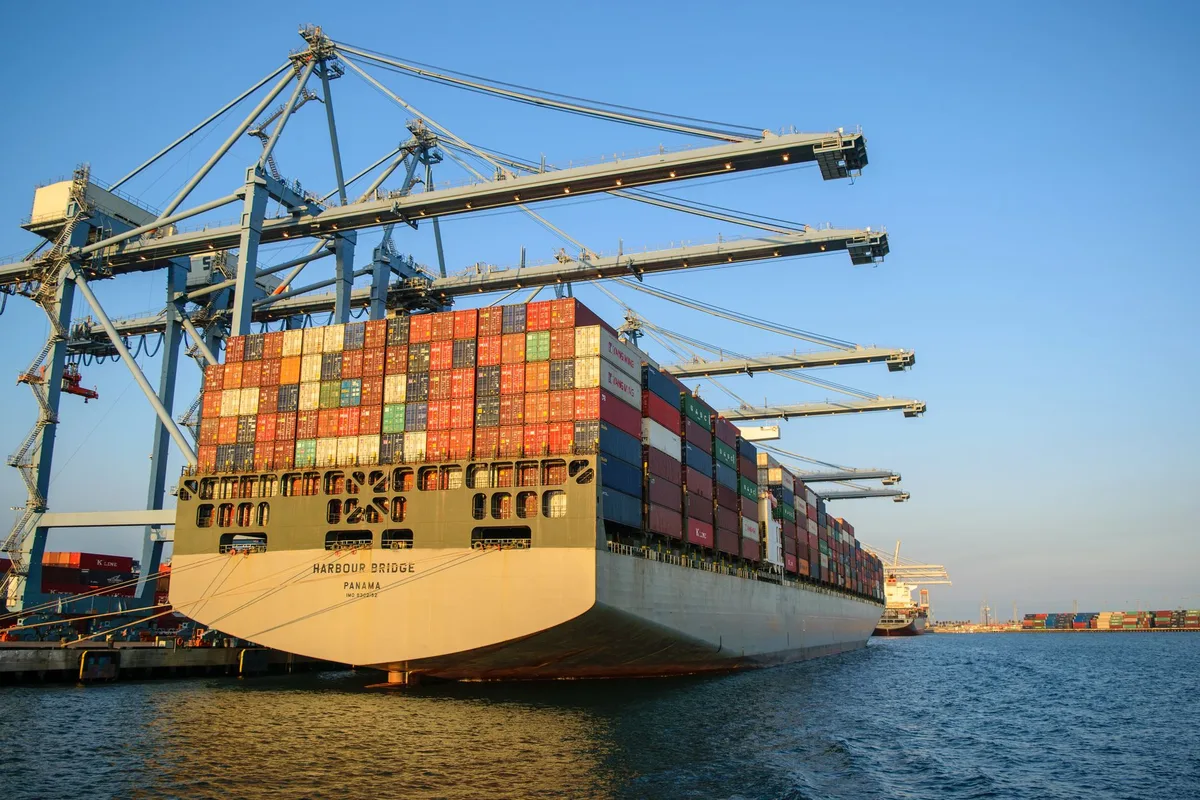
A trade marketplace connects buyers and sellers online. Here is how they work, what to check before joining one, and how Tawaf fits the Southeast Asian and cross-border trade landscape.
Sep 8, 2026
Trust is the currency of trade. Every international transaction requires a buyer to trust that a seller will deliver what was promised, and a seller to trust that a buyer will pay. When that trust is misplaced, the consequences are severe. The average SME fraud loss from unverified suppliers ranges
May 14, 2026