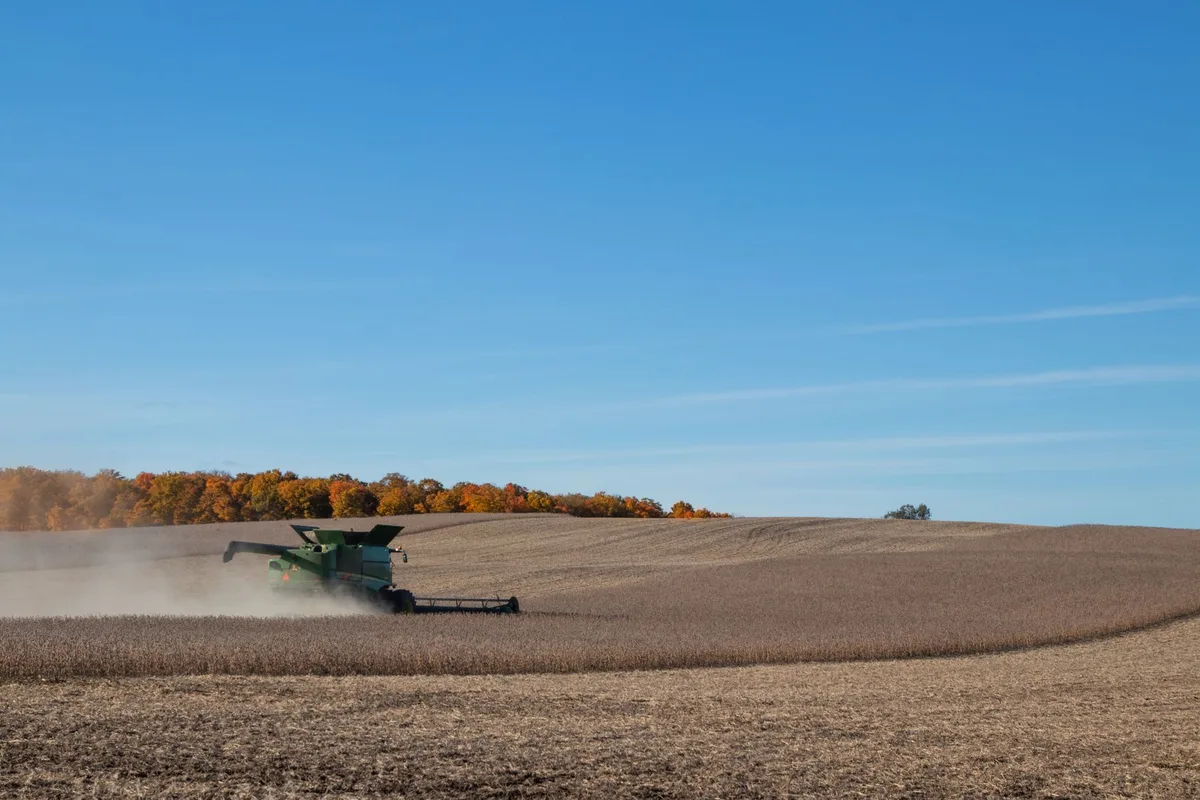
Brazil's Main Export: What It Is and What Buyers Can Source
What is Brazil's main export? A buyer's guide to Brazil's top exports in 2025, why sources rank them differently, who buys them, and how to source Brazilian goods safely.
Sep 26, 2026
Find verified suppliers on Tawaf
Create Free AccountTurkey dominates global marble. As the world's number one marble exporter by volume and the fourth-largest producer of natural stone overall, Turkey ships more marble to more countries than any other nation on Earth. For B2B buyers in construction, architecture, hospitality, and interior design, understanding the Turkish marble supply chain is a strategic advantage.
Marble suppliers in Turkey are quarry owners, processing factories, and export trading companies that extract, cut, polish, and ship natural stone products --- including marble, travertine, limestone, and onyx --- to international buyers for construction, flooring, cladding, and decorative applications.
Turkey's natural stone industry is enormous. The country holds an estimated 40% of the world's known marble reserves, spread across more than 1,500 active quarries. According to the Istanbul Mineral Exporters' Association (IMIB), Turkey exported over $2 billion worth of natural stone in 2025, with marble accounting for roughly 60% of that figure.
The Turkish marble supply chain typically involves three tiers of businesses:
Many of the largest Turkish marble companies are vertically integrated, operating their own quarries, processing plants, and export divisions. For B2B buyers, dealing with vertically integrated suppliers typically means better pricing, quality control, and lead times.
Turkey produces an extraordinary range of marble varieties including Afyon White, Afyon Sugar, Emperador (Light and Dark), Marmara White, Burdur Beige, Mugla White, and dozens of regional specialties, along with world-renowned Travertine and Limestone.
The diversity of Turkish marble is staggering. Here are the most commercially significant varieties:
| Marble Type | Color/Pattern | Primary Region | Price Range (USD/m2) | Common Applications |
|---|---|---|---|---|
| Afyon White | Pure white, minimal veining | Afyon | $35-$80 | Luxury interiors, bathrooms |
| Afyon Sugar | White with sugar-crystal texture | Afyon | $25-$55 | Flooring, wall cladding |
| Emperador Dark | Deep brown, white veining | Eskisehir, Elazig | $20-$50 | Hotel lobbies, countertops |
| Emperador Light | Light brown, cream veining | Burdur, Denizli | $15-$40 | Flooring, commercial spaces |
| Marmara White | Gray-white, dramatic veining | Marmara Island | $30-$65 | Feature walls, luxury projects |
| Burdur Beige | Warm beige, subtle veining | Burdur | $12-$30 | Large-scale flooring |
| Mugla White | Bright white, gray veining | Mugla | $20-$45 | Residential, commercial |
| Tundra Grey | Cool gray, linear veining | Afyon | $18-$40 | Modern interiors |
| Silver Shadow | Silver-gray, layered pattern | Burdur | $15-$35 | Contemporary design |
| Classic Travertine | Beige/walnut, natural holes | Denizli | $10-$30 | Exterior cladding, pools |
| Noce Travertine | Dark walnut brown | Denizli | $12-$35 | Paving, rustic interiors |
This is just a fraction of what Turkey offers. The Marble Institute of America (now Natural Stone Institute) recognizes over 200 distinct Turkish marble varieties in its global stone database.
Join Tawaf and connect with verified businesses across 47 countries. No middlemen, no commissions.
Join Tawaf FreeTurkey's marble production concentrates in five major regions: Afyon (white marbles), Denizli (travertine), Burdur (beige marbles), Bilecik/Eskisehir (emperador), and Mugla (white and colored marbles).
Each region has a distinct geological profile that determines the types of stone available:
Afyon Province: The undisputed capital of Turkish white marble. Afyon's quarries produce Afyon White, Afyon Sugar, Afyon Violet, and several other premium varieties. The region accounts for approximately 25% of Turkey's total marble production.
Denizli Province: World headquarters for travertine. Denizli produces the vast majority of the planet's travertine supply, in colors ranging from classic beige to walnut, silver, and gold. The Pamukkale area is particularly famous.
Burdur Province: Known for beige and cream marbles. Burdur Beige is one of the most widely used commercial marbles globally, valued for its consistency and competitive pricing.
Bilecik/Eskisehir: Home to Emperador Dark and various brown marbles. These regions produce stones that compete directly with Spanish Emperador varieties, often at lower price points.
Mugla Province: Produces a range of white, gray, and colored marbles. Mugla White has gained significant international recognition in the past decade.
For buyers sourcing through Tawaf's supplier directory, specifying your target stone type and region helps narrow the supplier search significantly.
Turkish marble pricing depends on the variety, finish, thickness, and dimensions, with polished slabs ranging from $10/m2 for common beiges to $80+/m2 for premium whites, and blocks priced at $150-$800+ per cubic meter.
Understanding the pricing structure is essential for budgeting:
Block Pricing (FOB Quarry/Factory):
| Stone Category | Price Range (USD/m3) | Key Factors |
|---|---|---|
| Premium White (Afyon, Marmara) | $400-$800+ | Purity, block size, veining |
| Standard White (Mugla, Milas) | $200-$450 | Consistency, availability |
| Beige (Burdur, Crema) | $150-$350 | Volume availability |
| Emperador/Brown | $180-$400 | Color depth, vein pattern |
| Travertine | $120-$300 | Color, fill/unfill, grade |
| Specialty/Exotic | $300-$1,000+ | Rarity, demand |
Processed Product Pricing (FOB Factory):
| Product Type | Price Range (USD/m2) | Notes |
|---|---|---|
| Polished Slabs (2cm) | $15-$80 | Variety dependent |
| Polished Slabs (3cm) | $20-$100 | 25-30% more than 2cm |
| Floor Tiles (60x60cm) | $10-$50 | Volume discounts available |
| Wall Tiles (30x60cm) | $8-$40 | Thinner cut, lower cost |
| Cut-to-Size | $12-$60 | Custom dimensions add 10-20% |
| Tumbled/Antiqued | $12-$45 | Popular for exterior |
| Honed Finish | $12-$55 | Matte, modern look |
Factors that significantly impact pricing:
Quality assurance involves requesting physical samples, checking CE marking, reviewing technical data sheets for water absorption and flexural strength, and arranging factory inspection before large orders.
Marble is a natural material, and no two slabs are identical. This makes quality control both critical and nuanced:
Key Quality Parameters:
| Test | Standard | Acceptable Range | Why It Matters |
|---|---|---|---|
| Water Absorption | EN 13755 | <0.5% (marble), <2% (travertine) | Freeze-thaw resistance, staining |
| Flexural Strength | EN 12372 | >10 MPa (marble) | Load-bearing capacity |
| Compressive Strength | EN 1926 | >50 MPa (marble) | Structural applications |
| Abrasion Resistance | EN 14157 | >18mm (marble) | High-traffic flooring |
| Apparent Density | EN 1936 | >2,600 kg/m3 (marble) | Material quality indicator |
Quality Control Best Practices:
Travertine is a natural limestone formed by mineral spring deposits, and Turkey --- specifically Denizli province --- produces an estimated 80% of the world's commercial travertine supply in varieties ranging from classic beige to walnut, silver, and gold.
Travertine deserves its own section because it represents one of Turkey's most distinctive stone exports. Unlike marble, travertine has a characteristic porous surface with natural holes that can be left open (unfilled) for a rustic aesthetic or filled with resin or cement for a smoother finish.
Popular travertine varieties from Turkey:
Travertine pricing is generally 20-40% lower than comparable marble, making it an excellent value proposition for large-scale projects like hotel exteriors, commercial plazas, and pool surrounds.
Ready to source Turkish marble for your next project? Create your free Tawaf account and connect directly with verified quarry owners and processing factories across Turkey. Get quotes, request samples, and negotiate terms --- all in one platform.
Turkish marble ships primarily through Izmir and Mersin ports in wooden crated containers, with transit times of 5-10 days to the Middle East, 12-18 days to Europe, and 25-35 days to North America.
Marble logistics require careful planning due to the material's weight and fragility:
Major Export Ports:
Transit times from Turkey to major markets:
| Destination | Transit Time | Typical Port |
|---|---|---|
| Dubai/Jeddah | 5-8 days | Mersin |
| Cairo/Alexandria | 3-5 days | Mersin |
| Rotterdam/Hamburg | 12-16 days | Izmir |
| New York/Houston | 25-35 days | Izmir |
| Mumbai/Chennai | 12-18 days | Mersin |
The most common mistakes are ordering based on small samples without seeing full slabs, underestimating shipping weight limits, not specifying finish and tolerance precisely, and failing to account for natural color variation between blocks.
Avoid these pitfalls:
Tawaf's B2B marketplace connects international buyers directly with verified Turkish marble quarry owners and factories, enabling sample requests, price negotiations, and secure communication without intermediary markups.
The traditional marble sourcing process involves trade shows (like Izmir Marble Fair), agent commissions, and multiple intermediaries. Tawaf streamlines this by providing:
Most factories have a minimum order of one container load, which translates to approximately 20-24 metric tonnes or 300-500 square meters of 2cm slabs depending on the stone type. Some suppliers on Tawaf offer consolidated shipments for smaller orders starting at 50-100 m2.
Production lead time is typically 2-4 weeks for standard tiles and slabs from available stock blocks. Custom cut-to-size orders may require 4-6 weeks. Add transit time based on your destination. Total order-to-delivery time is usually 6-10 weeks.
Yes, many Turkish marbles and especially travertines perform well outdoors. However, exterior applications require stone with low water absorption (<0.5%) and proven freeze-thaw resistance. Travertine, certain limestones, and dense marbles like Afyon White are commonly used for exterior cladding and paving. Always request test data specific to your climate conditions.
Turkish marble offers competitive quality at significantly lower price points, typically 30-50% less than comparable Italian varieties. Italy remains the benchmark for luxury varieties like Calacatta and Statuario, but Turkey excels in volume production, variety range, and price competitiveness. For mid to high-end commercial projects, Turkish marble delivers excellent value.
Most suppliers are FOB or CIF sellers and do not provide installation services. However, many can recommend experienced installation contractors in your market and provide technical guidance on substrate preparation, adhesive selection, and maintenance requirements.
Get Started
Create your free account and start connecting with verified suppliers and buyers worldwide.
Create Free Account
We help businesses navigate cross-border trade. Our team covers supplier verification, trade compliance, and B2B marketplace strategies to connect verified businesses worldwide.
What is Brazil's main export? A buyer's guide to Brazil's top exports in 2025, why sources rank them differently, who buys them, and how to source Brazilian goods safely.
Sep 26, 2026
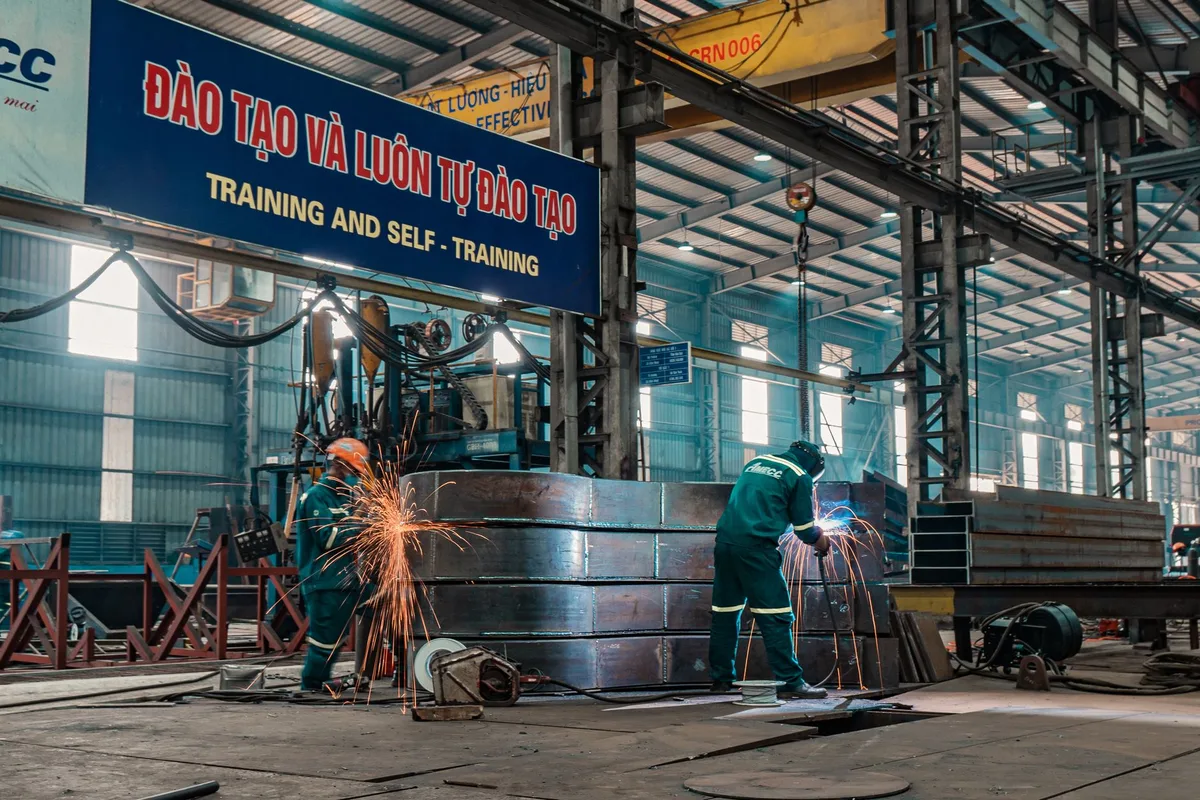
A buyer's guide to Made in Vietnam: what the label means, which products the country manufactures, and how to verify suppliers and origin claims before you order.
Sep 20, 2026
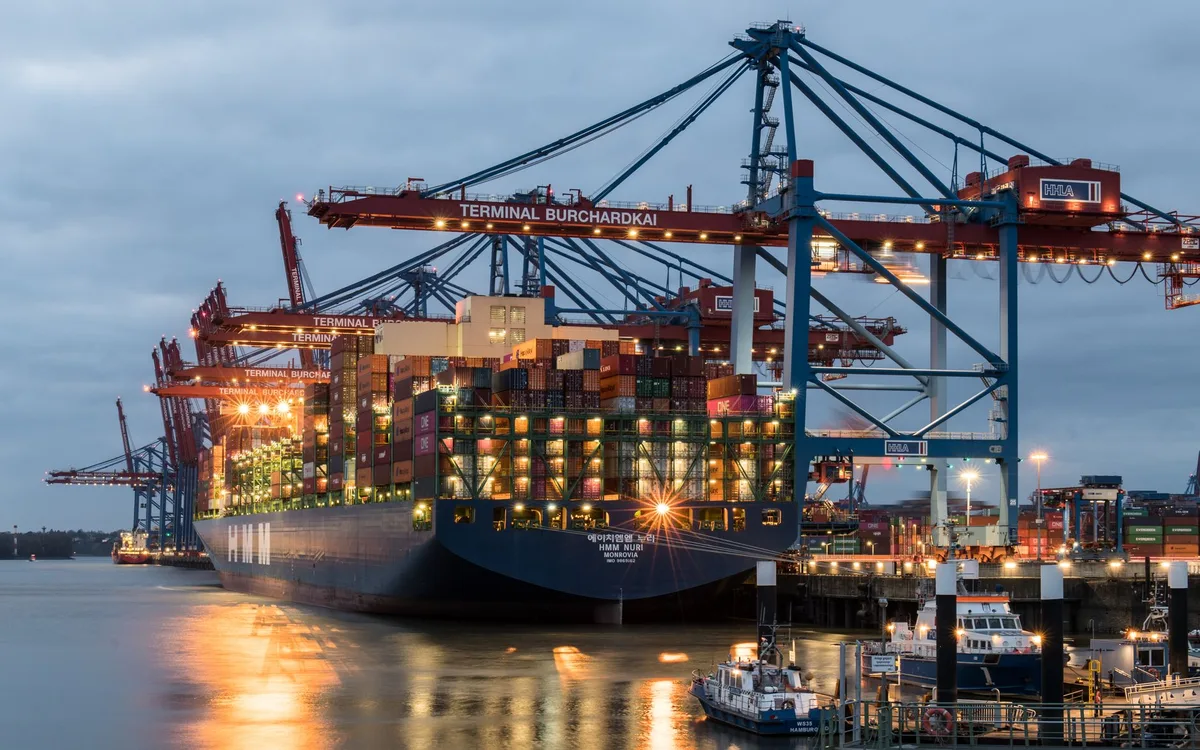
A practical guide to finding, vetting, and ordering from wholesale suppliers anywhere in the world, plus a region-by-region map of where to source what.
Sep 11, 2026