
Brazil's Main Export: What It Is and What Buyers Can Source
What is Brazil's main export? A buyer's guide to Brazil's top exports in 2025, why sources rank them differently, who buys them, and how to source Brazilian goods safely.
Sep 26, 2026
Find verified suppliers on Tawaf
Create Free AccountDubai Internet City changed everything. When it launched in 2000, sceptics questioned whether a free zone dedicated to technology could thrive in a region known for oil and trade. A quarter-century later, DIC hosts over 1,600 technology companies, employs tens of thousands of professionals, and has helped transform Dubai into one of the world's leading smart cities. Whether you are looking to partner with a tech firm, set up your own IT company, or understand Dubai's technology landscape, this guide covers what you need to know.
Dubai Internet City (DIC) is a technology-focused free zone established in 2000 as part of the TECOM Group (Dubai Holding), housing over 1,600 companies ranging from global giants like Microsoft, Google, and Oracle to regional startups, making it the Middle East's largest technology business community.
DIC was conceived as part of Sheikh Mohammed bin Rashid Al Maktoum's vision to diversify Dubai's economy beyond oil and traditional trade. The idea was simple but ambitious: create a world-class technology ecosystem by offering companies tax-free operations, modern infrastructure, and a talent-friendly environment.
Located along Sheikh Zayed Road in the Al Sufouh district, DIC occupies a prime stretch of Dubai real estate adjacent to Dubai Media City, Dubai Knowledge Park, and Dubai Design District, collectively forming the TECOM district -- a cluster of specialised free zones that together create a knowledge economy corridor.
For B2B businesses looking to source technology products or services, DIC represents a concentrated hub of potential partners. Companies listed on Tawaf's supplier directory include tech firms that operate from or work with DIC-based businesses.
Dubai Internet City hosts the regional headquarters of virtually every major global technology company, including Microsoft, Google, Oracle, IBM, Dell, HP, SAP, LinkedIn, Facebook (Meta), Cisco, Canon, Huawei, Samsung, and Sony, alongside hundreds of regional and local technology firms.
Here is a breakdown of the major companies by category:
| Category | Major Companies at DIC | Focus Area |
|---|---|---|
| Cloud & Enterprise Software | Microsoft, Oracle, SAP, Salesforce | Cloud services, ERP, CRM for MENA |
| Internet & Social Media | Google, Meta (Facebook), LinkedIn, Twitter | Regional advertising, content, recruitment |
| Hardware & Infrastructure | HP, Dell, Cisco, Lenovo, Canon | Device sales, networking, enterprise IT |
| Telecommunications | Nokia, Ericsson, Huawei | 5G infrastructure, telecom solutions |
| Consulting & Services | Accenture, IBM, Cognizant, Wipro, TCS | IT consulting, digital transformation |
| Electronics | Samsung, Sony, LG, Philips | Consumer and enterprise electronics |
| Cybersecurity | DarkMatter, various specialised firms | Regional cybersecurity services |
| Fintech | Various startups and scale-ups | Payment solutions, banking tech |
| AI & Data | Various startups | Machine learning, data analytics |
| E-commerce Tech | Various, including Noon's tech division | Online retail infrastructure |
According to TECOM Group, DIC's parent company, the free zone contributes significantly to Dubai's knowledge economy, which now represents a growing share of the emirate's GDP.
Join Tawaf and connect with verified businesses across 47 countries. No middlemen, no commissions.
Join Tawaf FreeSetting up a company in Dubai Internet City costs approximately $15,000-50,000 in the first year depending on company size and activity type, including the license fee, visa allocation, office space, and administrative costs, with annual renewal costs of $10,000-30,000 thereafter.
Here is a detailed cost breakdown:
| Cost Item | Freelancer License | SME (1-5 employees) | Medium (6-25 employees) | Enterprise (25+) |
|---|---|---|---|---|
| License fee | $3,000-5,000/year | $8,000-15,000/year | $15,000-25,000/year | $25,000+/year |
| Visa allocation | 1 visa | 3-6 visas | 6-25 visas | 25+ visas |
| Office space | Flexi-desk $3,000-6,000/year | Shared office $8,000-15,000/year | Private office $20,000-60,000/year | Custom $60,000+/year |
| Visa processing (per visa) | $1,000-1,500 | $1,000-1,500 each | $1,000-1,500 each | $1,000-1,500 each |
| Medical insurance (per person) | $500-2,000/year | $500-2,000/year each | $500-2,000/year each | $500-2,000/year each |
| Total Year 1 estimate | $8,000-15,000 | $20,000-40,000 | $40,000-100,000 | $100,000+ |
Key benefits that offset these costs:
The UAE's corporate tax introduced in 2023 at 9% does apply to mainland businesses, but free zone entities maintaining qualifying income status continue to benefit from the 0% rate. DIC companies should verify their status with a local tax adviser.
DIC companies offer the full spectrum of IT services including cloud computing, cybersecurity, software development, digital transformation consulting, AI and machine learning solutions, managed IT services, e-commerce platforms, mobile app development, data analytics, and IoT solutions tailored for MENA markets.
| Service Category | Typical Providers at DIC | Price Range (Annual) | Best For |
|---|---|---|---|
| Cloud migration & management | Microsoft, Oracle, AWS partners | $10,000-500,000+ | Enterprises moving to cloud |
| Cybersecurity | DarkMatter, Cisco partners, specialists | $5,000-200,000+ | All businesses with digital operations |
| Custom software development | IBM, Cognizant, Wipro, local studios | $20,000-1,000,000+ | Bespoke business applications |
| Digital transformation consulting | Accenture, IBM, Deloitte Digital | $50,000-5,000,000+ | Large-scale business modernisation |
| E-commerce solutions | Specialised agencies, platform providers | $10,000-200,000+ | Online retail launches |
| Mobile app development | Local studios, TCS, Infosys | $15,000-500,000+ | Consumer and enterprise apps |
| AI/ML solutions | Various startups and enterprise providers | $25,000-500,000+ | Automation, analytics, prediction |
| Managed IT services | HP, Dell, local MSPs | $2,000-50,000/month | Ongoing IT support and management |
| SAP/ERP implementation | SAP, Accenture, specialised partners | $100,000-5,000,000+ | Enterprise resource planning |
| IoT solutions | Cisco, Huawei, specialised firms | $20,000-500,000+ | Smart buildings, supply chain tracking |
For B2B businesses looking to digitise their trade operations, DIC-based tech companies offer solutions specifically adapted to the MENA market, including Arabic language support, regional compliance, and understanding of local business practices.
DIC is the Middle East's premier tech hub by company count and revenue, comparable to India's Bangalore in scale for the region. It differentiates through zero tax, geographical positioning between European and Asian markets, and a lifestyle proposition that attracts global talent who might not relocate to other emerging market tech centres.
| Tech Hub | Companies | Key Strength | Tax Environment | Cost of Living |
|---|---|---|---|---|
| Dubai Internet City | 1,600+ | MENA gateway, zero tax | 0% (free zone) | High |
| Silicon Valley, US | 30,000+ | Innovation, venture capital | ~25% corporate | Very High |
| Bangalore, India | 10,000+ | Talent pool, cost advantage | ~25% corporate | Low-Medium |
| Tel Aviv, Israel | 6,000+ | Deep tech, cybersecurity | ~23% corporate | High |
| Singapore | 4,000+ | Asia gateway, IP protection | 17% corporate | Very High |
| London Tech City | 5,000+ | Fintech, European access | 25% corporate | Very High |
| Abu Dhabi Hub71 | 200+ | AI focus, government backing | 0% (free zone) | High |
DIC's unique proposition is its combination of zero tax, world-class infrastructure, safety, and proximity to both the African and South Asian markets that many global tech companies want to serve. The Global Innovation Index 2025 consistently ranks the UAE among the top innovative nations in the Arab world.
DIC hosts a thriving startup ecosystem supported by incubators like in5 Tech, accelerators, venture capital firms, and a community of over 200 startups working across fintech, healthtech, edtech, proptech, and logistics technology, with several having achieved unicorn status or significant exits.
The startup scene at DIC is often overshadowed by the big-name tenants, but it is one of the most dynamic in the region:
in5 Tech: DIC's own innovation hub, providing startups with subsidised office space, mentorship, investor access, and community support. Since launch, in5 has supported hundreds of startups.
Notable DIC-area startups and scale-ups:
Investor presence:
For B2B businesses, partnering with DIC startups can provide access to innovative technology at a fraction of enterprise vendor costs. Many startups are actively looking for pilot customers and are willing to offer favourable terms to early adopters.
Partner with DIC companies through direct outreach via their websites and LinkedIn, attending GITEX Technology Week (the region's largest tech event), joining DIC's business community events, using B2B platforms like Tawaf for technology sourcing, and engaging with TECOM Group's partnership programmes.
Practical partnership strategies:
1. Attend GITEX. GITEX Global is the largest technology event in the Middle East, Africa, and South Asia, attracting 180,000+ visitors and 6,000+ companies. Nearly every DIC company exhibits or attends. It is the best single opportunity to meet potential tech partners face-to-face.
2. Use LinkedIn strategically. DIC professionals are active on LinkedIn. Search for companies by filtering location to "Dubai Internet City" and reach out to business development contacts. A well-crafted message explaining your specific need gets responses.
3. Join DIC community events. TECOM Group regularly organises networking events, workshops, and knowledge sessions for DIC tenants and their partners.
4. Leverage Tawaf. While primarily a trade marketplace, Tawaf's B2B marketplace increasingly lists technology service providers alongside product suppliers, reflecting the growing intersection of trade and technology.
5. Engage through trade finance and business channels. Many DIC companies work with the same banks and business service providers. Shared advisers can facilitate warm introductions.
| Partnership Type | Best Channel | Timeline | Typical Commitment |
|---|---|---|---|
| Technology vendor | Direct outreach, GITEX | 2-6 months | Annual contract |
| System integrator | Referral, RFP process | 3-9 months | Project-based |
| Startup pilot | in5 network, accelerator events | 1-3 months | Pilot agreement |
| Reseller/distributor | Direct outreach, LinkedIn | 3-6 months | Reseller agreement |
| Joint venture | Personal network, advisory firms | 6-18 months | JV agreement |
Key trends include the UAE's national AI strategy (aiming for 14% GDP contribution by 2031), 5G infrastructure rollout, the rise of Web3 and blockchain companies, increasing focus on cybersecurity after regional threats, the growth of Arabic-first technology products, and Dubai's push to become a global metaverse hub.
1. Artificial Intelligence. The UAE was the first country to appoint a Minister of Artificial Intelligence and has set a target for AI to contribute 14% of GDP by 2031. DIC is the natural home for AI companies targeting the MENA market.
2. Blockchain and Web3. Dubai's Virtual Assets Regulatory Authority (VARA) has created one of the world's clearest regulatory frameworks for crypto and blockchain businesses. Companies like Binance and Bybit have established significant presences.
3. Cybersecurity. With increasing digitalisation comes increasing threat. UAE organisations face sophisticated cyber threats, driving demand for DIC-based cybersecurity firms.
4. Arabic-first technology. The MENA region's 400+ million Arabic speakers are increasingly demanding technology products in their language. DIC startups focused on Arabic NLP, Arabic chatbots, and Arabic content platforms are growing rapidly.
5. Smart city technology. Dubai's Smart City initiative drives demand for IoT, sensor networks, data analytics, and urban technology -- all areas where DIC companies are active.
6. Sustainability tech. The UAE's Net Zero 2050 strategy is creating demand for cleantech, carbon tracking, and ESG reporting technology.
For businesses that want to stay competitive in the Africa-Asia trade corridor, technology adoption is increasingly critical. DIC companies offer solutions specifically designed for the challenges of emerging market trade.
International businesses should understand that DIC companies operate under free zone regulations (different from mainland UAE), contracts are typically governed by DIFC or UAE law, payment expectations may differ from Western norms, and the business culture blends Western corporate practices with Middle Eastern relationship values.
Legal considerations:
Practical considerations:
Pricing expectations:
When sourcing technology services alongside physical products, Tawaf users can explore supplier profiles that include both traditional traders and technology service providers.
DIC connects to Dubai's broader ecosystem through physical proximity to Dubai Media City and Knowledge Park, integration with Dubai's smart city infrastructure, access to DIFC's financial services, partnerships with Dubai's ports and logistics free zones, and TECOM Group's cross-sector networking programmes.
The TECOM district as a whole creates powerful synergies:
| Adjacent Free Zone | Focus | Distance from DIC | Synergy |
|---|---|---|---|
| Dubai Media City | Media, marketing, advertising | Adjacent | Content marketing, digital agencies |
| Dubai Knowledge Park | Education, training | Adjacent | Tech talent development, upskilling |
| Dubai Design District (d3) | Design, fashion, art | 15 min | UX/UI design, creative tech |
| DIFC | Financial services | 20 min | Fintech partnerships, trade finance |
| JAFZA | Logistics, trading | 30 min | Supply chain tech, logistics integration |
| Dubai Silicon Oasis | Electronics manufacturing | 25 min | Hardware prototyping, IoT devices |
This cluster effect means that a technology project requiring multiple disciplines -- say, an e-commerce platform needing software development (DIC), content creation (DMC), payment processing (DIFC), and logistics integration (JAFZA) -- can be assembled entirely within Dubai's free zone ecosystem.
Register on Tawaf to start connecting with Dubai-based businesses across both technology and trade sectors.
Yes. DIC allows 100% foreign ownership with no requirement for a local partner. Individuals can set up as freelancers (with limited scope) or establish a company. The process typically takes 2-4 weeks and requires a passport copy, business plan, and application form. TECOM Group handles the registration process.
DIC is primarily a services and software hub focused on IT services, internet companies, and digital business. Dubai Silicon Oasis (DSO) has a stronger focus on hardware, electronics, and semiconductor-related businesses, with integrated research and manufacturing facilities. Many companies have offices in both, but DIC is larger in terms of company count and employment.
Free zone companies, including those in DIC, can benefit from a 0% corporate tax rate on qualifying income under the UAE's corporate tax regime introduced in 2023. However, non-qualifying income may be subject to the standard 9% rate. Companies should consult with a local tax adviser to confirm their status, as rules are evolving.
Start by defining your requirements clearly, then search TECOM Group's company directory, attend GITEX or DIC networking events, post your requirements on Tawaf, and ask for referrals from other businesses in your industry. Shortlist 3-5 companies, request proposals, check references, and start with a small pilot project before committing to a larger engagement.
Absolutely. DIC's geographical positioning, diverse talent pool (including many African professionals), and connectivity make it an ideal base for technology companies targeting Africa. Several DIC-based companies already serve African markets in fintech, edtech, and enterprise software, and the UAE's extensive airline connections to African cities support business development travel.
Get Started
Create your free account and start connecting with verified suppliers and buyers worldwide.
Create Free Account
We help businesses navigate cross-border trade. Our team covers supplier verification, trade compliance, and B2B marketplace strategies to connect verified businesses worldwide.
What is Brazil's main export? A buyer's guide to Brazil's top exports in 2025, why sources rank them differently, who buys them, and how to source Brazilian goods safely.
Sep 26, 2026
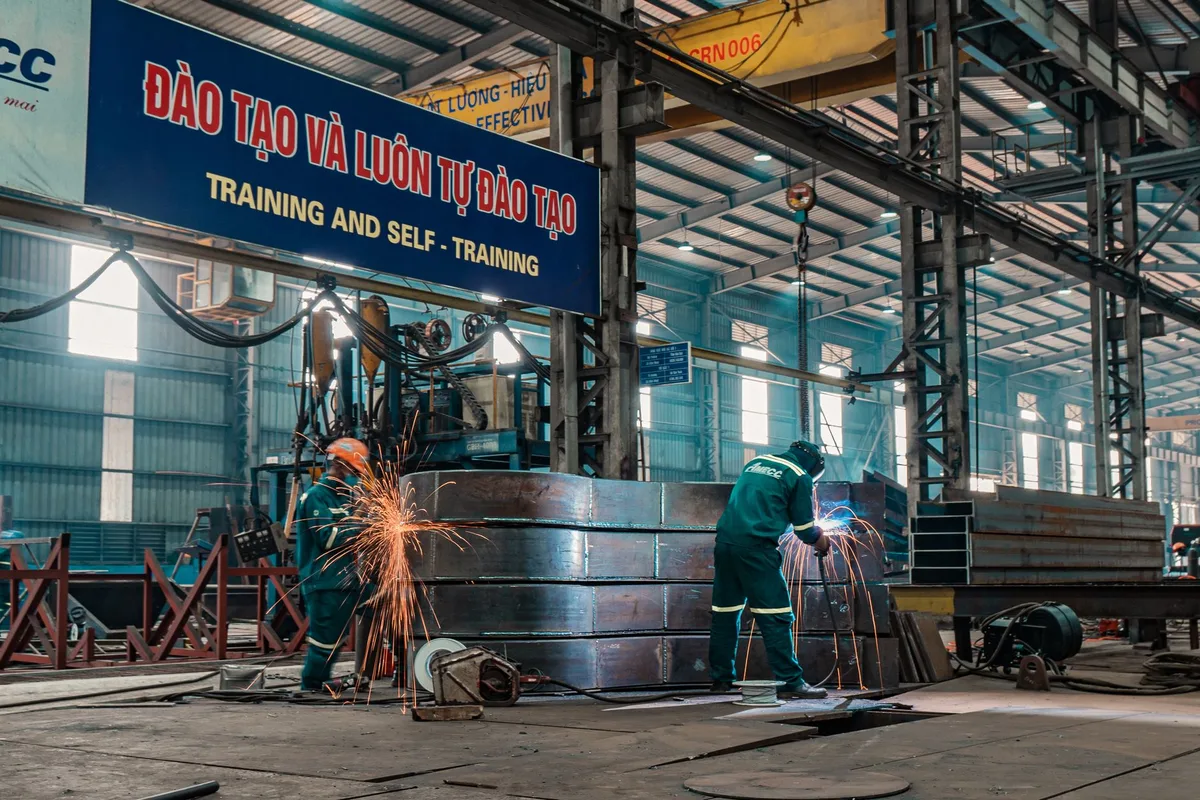
A buyer's guide to Made in Vietnam: what the label means, which products the country manufactures, and how to verify suppliers and origin claims before you order.
Sep 20, 2026
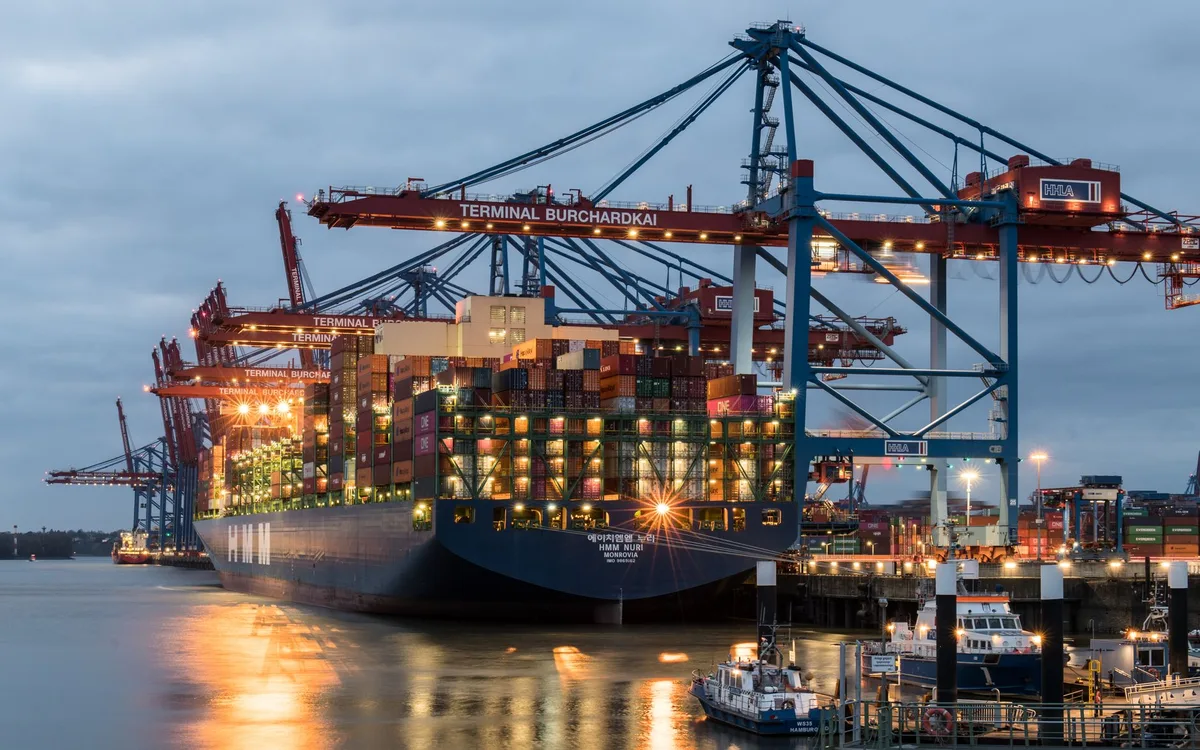
A practical guide to finding, vetting, and ordering from wholesale suppliers anywhere in the world, plus a region-by-region map of where to source what.
Sep 11, 2026