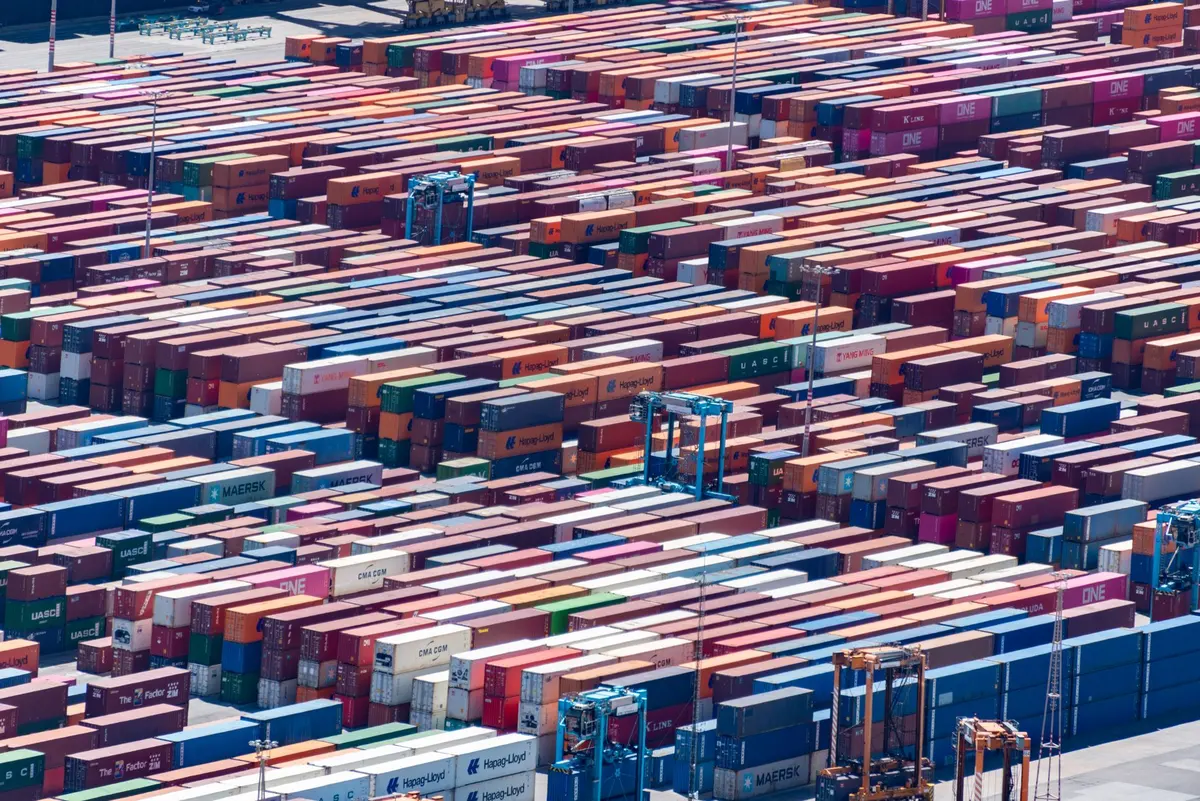
11 Best Sites Like Alibaba for B2B Sourcing in 2026
Alibaba is not always the right fit. Here are 11 alternative B2B marketplaces, ranked by sourcing region and use case, so you can find suppliers Alibaba's algorithm never surfaces.
Sep 30, 2026
Find verified suppliers on Tawaf
Create Free AccountInternational trade is complicated by design. Every border crossing adds layers of regulation, documentation, and risk that domestic transactions never have to deal with. The businesses that succeed in cross-border trade are not the ones who avoid these challenges -- they are the ones who plan for them systematically. This guide covers the ten biggest obstacles you will face and how to overcome each one.
Cross-border trade challenges are the logistical, financial, regulatory, cultural, and operational obstacles that businesses face when buying or selling goods and services across national borders, including currency risk, customs complexity, documentation requirements, and payment security.
The World Bank's Doing Business report historically measured cross-border trade ease across 190 economies, and the differences are staggering. Completing an export from Denmark takes 2 hours and costs $0 for border compliance. The same process in the Central African Republic takes 141 hours and costs $292. These disparities create real barriers for SMEs trying to go global.
But here is the opportunity: every challenge is a moat. Businesses that navigate these obstacles efficiently gain a competitive advantage over those that cannot. Let us walk through each one.
Currency risk (also called foreign exchange risk) is the potential for financial loss when the value of a transaction changes due to exchange rate fluctuations between the time a deal is agreed and when payment is made, and it can erode margins by 5-15% on a single transaction.
If you agree to buy goods for $100,000 when the USD/EUR rate is 1.10, and by the time you pay 60 days later the rate has moved to 1.15, your cost in euros has increased by approximately 4.3%. On thin margins, that wipes out your profit.
Hedging strategies for SMEs:
| Strategy | Cost | Complexity | Best For |
|---|---|---|---|
| Forward contracts | Low (built into rate) | Low | Known future payments |
| Currency options | Premium (1-3%) | Medium | Uncertain payment timing |
| Natural hedging | Free | Medium | Businesses with costs and revenues in same currency |
| Currency accounts | Account fees only | Low | Frequent transactions in a currency |
| Price adjustment clauses | Free | Low | Long-term contracts |
Practical tips:
When connecting with suppliers on Tawaf from different currency zones, agree on the invoicing currency upfront and factor exchange rate risk into your landed cost calculation.
Join Tawaf and connect with verified businesses across 47 countries. No middlemen, no commissions.
Join Tawaf FreeCustoms delays are caused by incorrect or incomplete documentation, misclassified goods, random inspections, prohibited or restricted items, missing permits or certificates, and congestion at ports. Prevention starts with getting your paperwork right the first time.
The top causes of customs delays and how to avoid each:
| Cause | Frequency | How to Prevent |
|---|---|---|
| Incorrect HS code classification | Very common | Use official tariff databases, consult customs broker |
| Missing or wrong documents | Very common | Use a document checklist for every shipment |
| Goods description mismatch | Common | Ensure consistency across all documents |
| Missing import permits/licenses | Common | Research requirements before ordering |
| Phytosanitary/health certificates missing | Common (food, agriculture) | Arrange in the origin country |
| Random inspection | Occasional | Cannot prevent, but complete paperwork speeds resolution |
| Country of origin disputes | Occasional | Ensure certificate of origin is accurate |
| Valuation disputes | Occasional | Keep consistent, justifiable pricing |
The HS Code is critical. The Harmonized System (HS) is a global classification system for traded goods. Every product has a 6-digit international code, and most countries add 2-4 additional digits for national specificity. Getting this wrong is the single most common cause of customs delays and can result in overpaying duties or having goods seized.
The World Customs Organization maintains the HS system, but interpretation varies by country. Always work with a customs broker in your destination country.
Every international shipment requires a minimum of five core documents: commercial invoice, packing list, bill of lading or airway bill, certificate of origin, and customs declaration. Additional documents may include inspection certificates, insurance certificates, import licenses, and phytosanitary certificates.
Here is the complete documentation matrix:
| Document | Who Prepares | Required For | Purpose |
|---|---|---|---|
| Commercial Invoice | Seller | All shipments | Declares goods value, terms of sale |
| Packing List | Seller | All shipments | Details contents of each package |
| Bill of Lading (B/L) | Carrier/Freight forwarder | Sea freight | Contract of carriage, receipt, title document |
| Airway Bill (AWB) | Airline/Agent | Air freight | Contract of carriage, receipt |
| Certificate of Origin | Seller/Chamber of Commerce | Most shipments | Declares country of manufacture |
| Customs Declaration | Customs broker | All shipments | Required for customs clearance |
| Insurance Certificate | Insurer | CIF/CIP shipments | Proves cargo insurance coverage |
| Inspection Certificate | QC agency | If buyer requires | Proves goods were inspected |
| Import License | Buyer | Restricted goods | Government permission to import |
| Phytosanitary Certificate | Origin country agriculture dept | Food, plants, wood | Proves goods are pest/disease free |
| Halal Certificate | Recognised halal body | Food/cosmetics to Islamic markets | Proves Shariah compliance |
Consistency across documents is critical. If the commercial invoice says "1,000 units" and the packing list says "998 units," customs will flag it. If the B/L says "cotton fabric" and the invoice says "textile material," that is a discrepancy. Every document must tell the same story.
For importers using Tawaf to find suppliers, request document samples from your supplier before the first order so you can verify their documentation quality.
Protect against payment fraud by using verified platforms, never paying 100% upfront to unknown suppliers, insisting on bank-intermediated payments for large orders, conducting due diligence on every new trading partner, and using escrow or letters of credit for first transactions.
Payment fraud in international trade is a serious and growing problem. The International Chamber of Commerce reports that trade-based money laundering and fraud cost businesses billions annually.
Common fraud scenarios:
Protection measures:
| Measure | Cost | Effectiveness | When to Use |
|---|---|---|---|
| Supplier verification on platforms | Free-low | High | Always |
| Bank letter of credit | 0.5-3% | Very high | Large first orders |
| Escrow services | 1-3% | High | Medium orders, new suppliers |
| Trade credit insurance | 0.3-1.5% | High | Ongoing relationships |
| Third-party inspection before payment | $300-500 | High | Every order |
| Video call with factory tour | Free | Medium | Before first order |
| Bank reference check | $50-100 | Medium | New suppliers |
Using verified suppliers on Tawaf reduces fraud risk significantly, but no platform eliminates it entirely. Always conduct your own due diligence on top of platform verification.
The biggest logistics challenges are port congestion, container availability, last-mile delivery in developing markets, cold chain maintenance for perishables, multi-modal coordination, and the gap between quoted and actual transit times.
The global logistics network is a complex system where disruptions in one area cascade across the supply chain. The Freightos Baltic Index tracks container shipping rates and shows how volatile freight costs can be -- rates from Asia to Europe tripled during the 2021-2022 supply chain crisis.
Logistics challenges by trade corridor:
| Corridor | Primary Challenge | Mitigation |
|---|---|---|
| Asia to Europe | Transit time (25-35 days by sea) | Plan inventory 8-12 weeks ahead |
| Asia to Africa | Port congestion, infrastructure | Use established ports, buffer lead times |
| Middle East hub routes | Transshipment delays | Book direct services when available |
| Intra-Africa | Poor road/rail infrastructure | Use coastal shipping where possible |
| Any to landlocked countries | Multiple border crossings | Work with specialised freight forwarders |
Practical logistics tips:
For businesses exploring the Africa-Asia trade corridor, logistics planning requires extra care due to infrastructure variability.
Language barriers increase miscommunication risk, slow down negotiations, cause specification errors, complicate dispute resolution, and create documentation mistakes. They are the most underestimated challenge in cross-border trade.
A Harvard Business Review study found that language barriers reduce international trade by 15-30% compared to trading partners who share a common language.
Common problems caused by language barriers:
Solutions:
When using Tawaf to connect with suppliers by country, the platform's messaging system keeps all communication documented, creating a clear record regardless of language differences.
Ready to navigate cross-border trade with verified partners? Register on Tawaf and connect with businesses that have been through the verification process.
Compliance challenges include product safety standards that differ by country, labelling requirements, import quotas and tariffs, sanctions and embargoes, environmental regulations, and data protection laws that affect digital trade documentation.
The regulatory landscape is a patchwork of national and regional rules:
| Area | EU | US | GCC | Africa (varies) |
|---|---|---|---|---|
| Product safety | CE marking | CPSC, FCC | GSO/SASO | SONCAP (Nigeria), KEBS (Kenya) |
| Food safety | EU Food Safety Regulation | FDA | GSO | Country-specific |
| Electronics | RoHS, WEEE | FCC, UL | ECAS (UAE) | Country-specific |
| Labelling | Language requirements, origin marking | FTC, FDA | Arabic required | Country-specific |
| Halal | Voluntary | Voluntary | Often mandatory for food | Varies |
| Data protection | GDPR | State laws (CCPA etc.) | Emerging | Emerging (POPIA in SA) |
How to stay compliant:
Political risk includes trade sanctions, sudden tariff changes, import bans, currency controls, nationalisation, civil unrest, and changes in government policy that can disrupt supply chains overnight without warning.
Political risk is the wild card in international trade. You can control your documentation, your quality, and your logistics, but you cannot control a government's decision to impose a 25% tariff overnight or sanction a trading partner.
Risk mitigation strategies:
Understanding trade finance options gives you financial tools to protect against political disruptions that pure logistics planning cannot address.
Technology solutions include B2B marketplaces for supplier discovery, blockchain for trade documentation, AI-powered customs classification, digital trade finance platforms, real-time cargo tracking, and translation APIs that reduce every major cross-border friction.
| Technology | Problem Solved | Maturity | Examples |
|---|---|---|---|
| B2B marketplaces | Supplier discovery, verification | Mature | Tawaf, Alibaba, TradeIndia |
| Blockchain trade docs | Document fraud, reconciliation | Growing | we.trade, Marco Polo, Contour |
| AI customs classification | HS code errors | Growing | Digicust, Eurora, Zonos |
| Digital trade finance | SME finance gap | Growing | Drip Capital, Stenn, TradeIX |
| Real-time tracking | Shipment visibility | Mature | project44, FourKites, Flexport |
| Translation tools | Language barriers | Mature | DeepL, Google Translate |
| E-documents | Paper-based processes | Growing | MLETR-compliant platforms |
Tawaf as a B2B marketplace addresses several of these challenges simultaneously: supplier discovery, verification, communication, and transaction management through a single platform.
SMEs compete by being more agile, specialising in niche markets, building deeper personal relationships with suppliers, leveraging technology platforms to access the same markets as large corporations, and using trade finance instruments historically reserved for big business.
Large corporations have advantages in scale, credit access, and logistics infrastructure. But SMEs have advantages too:
| SME Advantage | How to Leverage It |
|---|---|
| Speed | Make decisions in hours, not weeks of committee meetings |
| Relationships | Build personal trust that large procurement teams cannot |
| Niche expertise | Specialise in products or markets that big players ignore |
| Flexibility | Adapt to supplier requirements, accept smaller MOQs from new factories |
| Technology access | B2B platforms give you the same supplier pool as large buyers |
| Personal touch | Visit factories, attend trade shows, build genuine partnerships |
Platforms like Tawaf level the playing field by giving SMEs access to verified wholesale suppliers that they could never have found through traditional channels.
Payment security. New businesses lack established trading relationships, credit history, and the leverage to negotiate favourable payment terms. This makes them vulnerable to both fraud and cash flow problems. Start with small orders using secure payment methods (LCs or escrow) and scale up as trust develops.
Contact that country's customs authority website, hire a local customs broker, or use the ITC Market Access Map (macmap.org) which shows tariffs and non-tariff measures for any product-country combination. Many countries also have trade promotion agencies that provide guidance to potential importers.
Absolutely. FTAs can reduce or eliminate tariffs, but you need to meet rules of origin requirements to qualify. For example, RCEP, AfCFTA, and GCC-Singapore FTA can significantly reduce landed costs if your goods qualify. Work with a customs broker to determine eligibility.
Start with negotiation and mediation. If that fails, check if your contract specifies arbitration (ICC or SIAC are common). Court litigation across borders is expensive, slow, and often unenforceable. Prevention is better than cure -- clear contracts, quality inspections, and trade finance instruments reduce dispute probability significantly.
Start small, with one product and one supplier. Use a B2B marketplace to find verified suppliers, order samples, conduct a quality inspection, use secure payment terms, and handle your own customs clearance (with a broker's help) to learn the process. Scale up once you have one successful import cycle under your belt.
Get Started
Create your free account and start connecting with verified suppliers and buyers worldwide.
Create Free Account
We help businesses navigate cross-border trade. Our team covers supplier verification, trade compliance, and B2B marketplace strategies to connect verified businesses worldwide.
Alibaba is not always the right fit. Here are 11 alternative B2B marketplaces, ranked by sourcing region and use case, so you can find suppliers Alibaba's algorithm never surfaces.
Sep 30, 2026
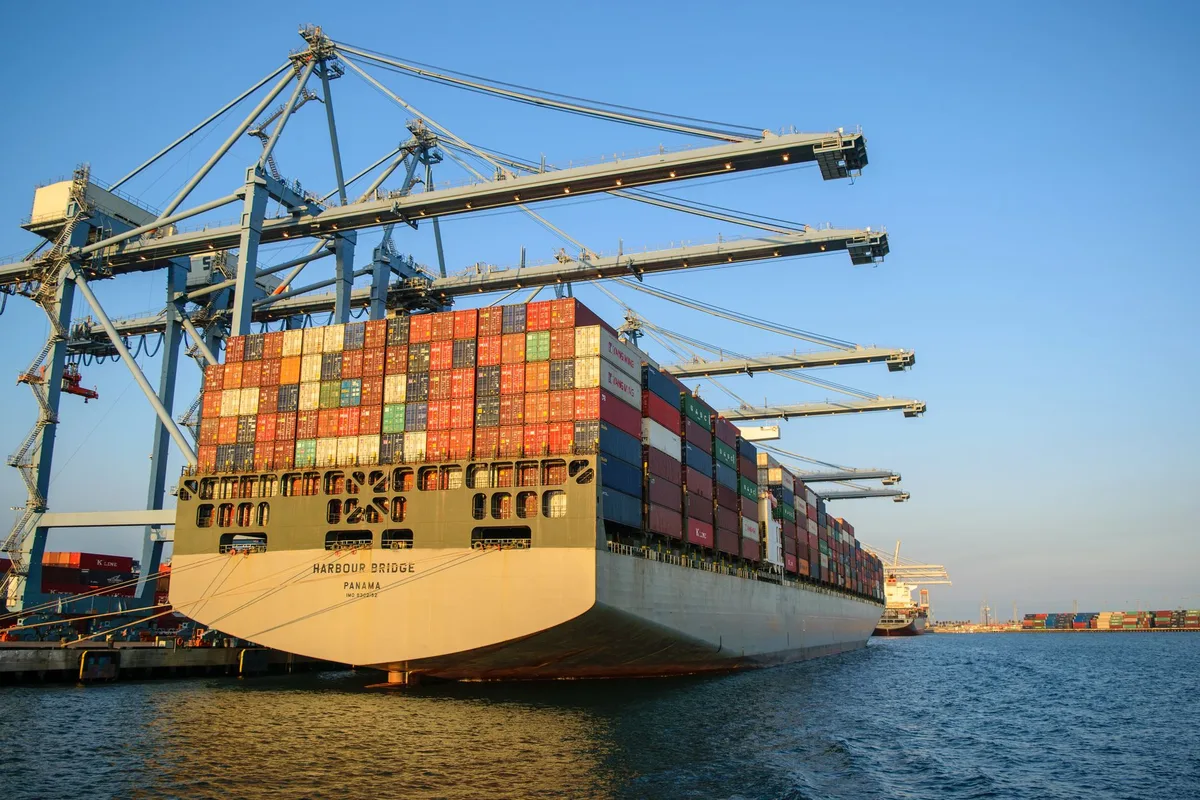
A trade marketplace connects buyers and sellers online. Here is how they work, what to check before joining one, and how Tawaf fits the Southeast Asian and cross-border trade landscape.
Sep 8, 2026
Trust is the currency of trade. Every international transaction requires a buyer to trust that a seller will deliver what was promised, and a seller to trust that a buyer will pay. When that trust is misplaced, the consequences are severe. The average SME fraud loss from unverified suppliers ranges
May 14, 2026