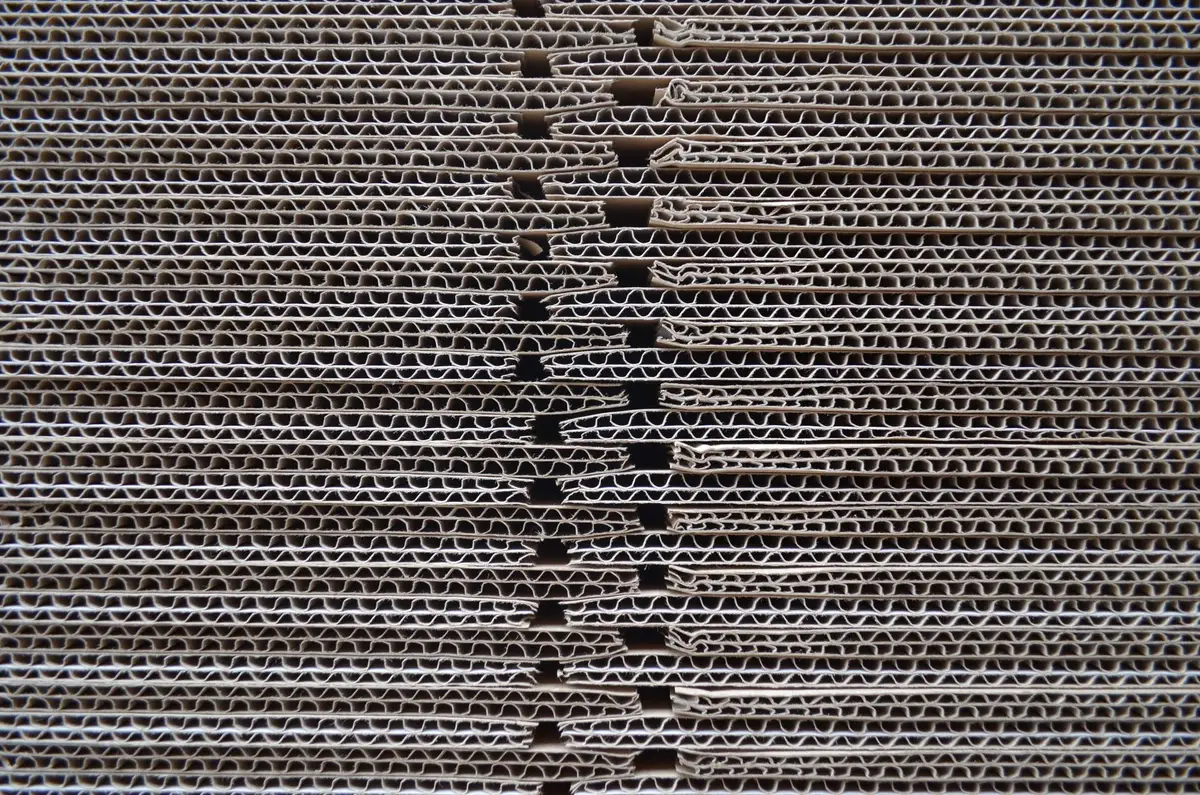
Corrugated Box Maker: How to Find and Vet the Right Supplier
A sourcing guide to corrugated box makers: how boxes are made, which flute type fits your product, pricing ranges, and how to verify a supplier before ordering.
Sep 23, 2026
Find verified suppliers on Tawaf
Create Free AccountIndia's leather industry employs over 4 million people. From the tanneries of Kanpur to the footwear factories of Chennai and the goods manufacturers of Kolkata, India has built one of the world's most complete leather supply chains. For international buyers looking to source leather products, India offers a combination of skilled craftsmanship, competitive pricing, large-scale production capacity, and an increasingly sophisticated approach to sustainability and compliance.
This guide walks you through everything you need to know about working with Indian leather manufacturers.
Leather manufacturers in India are companies that process raw hides and skins into finished leather (tanneries) or convert finished leather into end products like footwear, bags, garments, belts, wallets, and industrial leather goods, operating primarily in cluster-based manufacturing hubs across the country.
India's leather sector is the second-largest producer globally after China, contributing approximately $12 billion to GDP and accounting for about 13% of world leather production. The industry spans the entire value chain:
According to the Council for Leather Exports (CLE), India exported leather and leather products worth approximately $5.5 billion in 2024-25, with the US, Germany, UK, Italy, France, and Spain being the major destination markets.
The Indian government treats leather as a priority export sector and provides various incentives through schemes like the Indian Leather Development Programme (ILDP) and Mega Leather Cluster initiatives.
India's leather manufacturing is concentrated in five major hubs: Kanpur (tanning and saddlery), Chennai-Ambur-Vaniyambadi (footwear and finished leather), Kolkata (leather goods), Jalandhar (sports goods), and Agra (footwear), each specializing in different product categories and leather types.
Understanding which hub specializes in what product saves you enormous time when sourcing. Here is the detailed breakdown:
| Manufacturing Hub | State | Primary Products | Key Strengths | Approximate Factories |
|---|---|---|---|---|
| Kanpur | Uttar Pradesh | Finished leather, saddlery, harness | Largest tanning cluster, buffalo leather | 400+ tanneries, 2,000+ units |
| Chennai-Ambur-Vaniyambadi | Tamil Nadu | Footwear, finished leather, garments | Export-oriented, compliance standards | 600+ tanneries, 3,000+ units |
| Kolkata | West Bengal | Bags, wallets, small leather goods | Skilled craftsmanship, fashion-forward | 500+ manufacturing units |
| Agra | Uttar Pradesh | Footwear (mass market) | High volume, competitive pricing | 5,000+ small and medium units |
| Jalandhar | Punjab | Sports goods, gloves, accessories | Sports leather specialization | 1,000+ units |
| Hyderabad-Warangal | Telangana | Sheep and goat leather | Fine-grain leather production | 200+ units |
| Delhi NCR | Delhi | Design-led goods, export trading | Design studios, buying houses | 500+ units |
Tamil Nadu is the powerhouse, accounting for roughly 40% of India's leather exports. The Ambur-Vaniyambadi-Ranipet corridor alone has hundreds of tanneries and footwear factories, many of which produce for major European and American brands.
Kanpur has the largest concentration of tanneries in India, processing primarily buffalo hides. While historically focused on lower-end products, many Kanpur manufacturers have upgraded facilities and now produce export-quality finished leather.
Kolkata has carved a niche in fashion-oriented leather goods. The city's artisans are known for intricate stitching, creative designs, and the ability to produce small batches with high customization.
For buyers looking to source leather products, Tawaf's supplier directory includes verified leather manufacturers across these hubs.
Join Tawaf and connect with verified businesses across 47 countries. No middlemen, no commissions.
Join Tawaf FreeIndian manufacturers produce a full range of leather types including buffalo leather (India's specialty), goat and sheep leather, cow leather, exotic leather alternatives, and increasingly popular synthetic and vegan leather, with buffalo leather being the dominant raw material due to India's massive livestock population.
India's raw material base is unique. Unlike Europe or South America where cattle hides dominate, India's leather industry is built primarily on buffalo hides and goat and sheep skins. This is partly because of the large buffalo population and partly because cow slaughter restrictions in many Indian states limit the availability of cowhide.
Leather types and their characteristics:
| Leather Type | Source | Characteristics | Common Products | Price Range (per sq ft) |
|---|---|---|---|---|
| Buffalo leather | Water buffalo | Thick, durable, distinctive grain | Shoes, bags, belts, industrial | $1.50-4.00 |
| Goat leather | Goat | Soft, fine grain, lightweight | Garments, gloves, luxury goods | $2.50-6.00 |
| Sheep leather | Sheep | Very soft, thin, supple | Garments, linings, gloves | $2.00-5.00 |
| Cow leather | Cattle | Strong, smooth, versatile | All product types | $2.00-5.50 |
| Camel leather | Camel | Unique texture, durable | Specialty goods, accessories | $3.00-7.00 |
| Synthetic/PU leather | Petroleum-based | Consistent, animal-free | Mass market, vegan products | $0.50-2.00 |
Finishing categories:
Evaluate Indian leather quality through physical testing (tensile strength, tear resistance, colorfastness, flexibility), visual inspection (grain uniformity, finish consistency, edge quality), compliance certifications (LWG, ISO, REACH), and by requesting production samples from multiple manufacturers before committing to bulk orders.
Quality assessment is the most critical step in leather sourcing. Here is a systematic approach:
Physical quality indicators:
Visual quality checks:
Certifications to look for:
Browse Indian leather manufacturers on Tawaf and filter by certifications to find pre-qualified suppliers.
The typical sourcing process involves defining your product specifications, identifying 3-5 potential manufacturers, requesting and evaluating samples, negotiating pricing and MOQs, conducting factory audits, placing a trial order, and then scaling to production orders with clear quality benchmarks and delivery timelines.
Here is the step-by-step process experienced buyers follow:
Step 1: Define specifications. Before contacting any manufacturer, document your exact requirements: leather type, thickness, color, hardware, dimensions, stitching specifications, packaging, labeling, and compliance certifications needed. The more detailed your spec sheet, the more accurate your quotes will be.
Step 2: Identify manufacturers. Use B2B platforms, trade show contacts, buying house referrals, and the Council for Leather Exports directory to shortlist 3-5 manufacturers. Verify each has experience producing your specific product type.
Step 3: Request samples. Send your specifications and request samples from each shortlisted manufacturer. Expect to pay for samples (typically $50-200 per product depending on complexity). Sample production takes 2-4 weeks for standard items.
Step 4: Evaluate samples. Compare samples side by side against your specifications. Check stitching quality, leather feel, hardware function, dimensions, and overall finish. Send samples for lab testing if required.
Step 5: Factory visit or audit. For significant orders, visit the factory in person or commission a third-party audit. Evaluate their production capacity, quality control processes, worker conditions, and environmental compliance.
Step 6: Negotiate terms. Discuss unit pricing, minimum order quantities (MOQs typically range from 300-1,000 pieces for Indian manufacturers), payment terms, lead times, and quality guarantee provisions.
Step 7: Place trial order. Start with a smaller order (1-2x MOQ) to validate real production quality against sample quality. Monitor the entire process from order placement through delivery.
Step 8: Scale production. Once satisfied with the trial order, establish a regular production schedule with clear quality benchmarks, inspection points, and delivery timelines.
Looking for verified leather manufacturers in India? Create your free account on Tawaf to access our directory of pre-vetted leather manufacturers across Kanpur, Chennai, Kolkata, and other hubs. Request samples, compare quotes, and manage your sourcing process all in one place.
Indian leather product pricing depends on leather type and grade, labor complexity, hardware and accessories quality, order volume, compliance requirements, and export logistics, with India typically offering 20-40% cost savings compared to European manufacturers and 10-20% savings compared to Chinese leather goods.
Understanding pricing helps you negotiate effectively and budget accurately. Here are typical FOB (Free on Board) price ranges for common leather products from India:
| Product | Basic Grade (FOB) | Mid Grade (FOB) | Premium Grade (FOB) | European Comparable |
|---|---|---|---|---|
| Men's leather shoes | $12-18 | $20-35 | $40-65 | $50-120 |
| Women's leather handbag | $8-15 | $18-35 | $40-80 | $60-150 |
| Leather belt | $2-4 | $5-8 | $10-18 | $15-40 |
| Leather wallet | $3-5 | $6-12 | $15-25 | $20-50 |
| Leather jacket | $25-40 | $45-75 | $80-150 | $100-300 |
| Leather gloves (pair) | $2-4 | $5-8 | $10-20 | $15-45 |
Factors that increase pricing:
Factors that reduce pricing:
The biggest environmental challenges in Indian leather manufacturing are tannery effluent management, chromium pollution from chrome tanning, high water consumption, and ensuring compliance with REACH and other international chemical restrictions, though the industry has made significant progress through Common Effluent Treatment Plants and LWG certification.
The leather industry globally faces scrutiny over its environmental impact, and India is no exception. Here is what buyers need to know:
Chrome tanning. Most leather in India is chrome-tanned, which uses chromium III salts. While chromium III is not classified as hazardous, improper disposal can lead to conversion to chromium VI, which is carcinogenic. The European Chemicals Agency (ECHA) under the REACH regulation limits chromium VI in leather articles to 3 mg/kg.
Effluent treatment. India has invested heavily in Common Effluent Treatment Plants (CETPs) in major tanning clusters. Tamil Nadu, in particular, has made CETPs mandatory for all tanneries. However, compliance varies, and buyers should verify treatment practices during factory audits.
Water consumption. Traditional tanning consumes 30-40 liters of water per kilogram of raw hide. Modern processes have reduced this significantly, but water use remains a concern in drought-prone regions.
Solid waste. Tanning generates solid waste including trimmings, shavings, and sludge. Progressive manufacturers convert these into animal feed, fertilizer, or gelatin products.
Social compliance. The leather industry in India employs many workers from disadvantaged communities. Buyers should ensure manufacturers comply with Indian labor laws regarding minimum wages, working hours, child labor prohibition, and workplace safety.
Leather products from India are typically shipped via sea freight (4-6 weeks to Europe, 5-7 weeks to North America) from ports in Chennai, Kolkata, or Mumbai, with FOB or CIF terms, requiring fumigation certificates, phytosanitary compliance, and proper documentation including a GST invoice, shipping bill, and certificate of origin.
Logistics for leather exports from India are well-established:
Sea freight is the standard for bulk orders. Major leather manufacturing hubs are well-connected to ports:
Air freight is used for samples, urgent orders, and lightweight high-value items. Delhi, Chennai, and Mumbai international airports all have cargo terminals experienced in leather shipments.
Documentation required:
HS codes for common leather products:
Work with suppliers on Tawaf who handle export documentation as part of their service, reducing the burden on your procurement team.
Key trends reshaping India's leather sector include the rapid growth of vegan and synthetic leather alternatives, sustainable and waterless tanning technologies, direct-to-consumer brand building by manufacturers, Industry 4.0 adoption in factories, and a shift toward higher-value fashion products away from commoditized basics.
The Indian leather industry is evolving fast. Here is what matters for buyers:
Vegan leather boom. Indian manufacturers are rapidly adding synthetic, PU, and plant-based leather capabilities. Brands like Aulive and Phool are creating innovative alternatives from pineapple fiber, cactus, and flower waste. Traditional manufacturers are adding vegan lines to their catalogs.
Sustainable tanning. Vegetable tanning, which uses natural tannins instead of chrome, is growing in popularity for premium products. Some manufacturers are adopting waterless tanning technologies that reduce water consumption by up to 90%.
Factory digitization. Leading manufacturers are investing in Industry 4.0 technologies including laser cutting, CAD/CAM design, automated stitching, and IoT-enabled quality monitoring. This improves consistency and reduces lead times.
Design capabilities. Indian manufacturers are moving beyond contract manufacturing to offer design services. Many now have in-house design studios that can develop products from concept to production, reducing the buyer's need for separate design agencies.
Direct-to-consumer. Some Indian manufacturers are launching their own consumer brands, particularly in the domestic market. While this creates potential competition for buyers, it also means these manufacturers invest more in quality and design capabilities.
MOQs vary significantly by product type and manufacturer size. Large factories producing footwear for international brands typically require 500-1,000 pairs per style per color. Leather goods manufacturers in Kolkata may accept orders as low as 200-300 pieces. Small artisan workshops might work with even lower quantities but at higher unit prices. Negotiate based on your initial order being a trial that will lead to larger volumes.
Standard production timelines range from 45-90 days from order confirmation, depending on the product complexity and order size. This includes material sourcing (10-15 days), cutting and preparation (5-10 days), assembly and stitching (15-30 days), finishing and quality control (5-10 days), and packing (3-5 days). First-time orders often take longer because of the learning curve and additional quality checkpoints.
Indian leather quality has improved dramatically and is now competitive with Chinese leather across most categories. For buffalo leather specifically, India is world-class. Italian leather still holds a premium reputation for fine bovine leather, but the gap has narrowed. Many Indian tanneries use Italian machinery and techniques. The key is working with the right manufacturer — quality varies widely across India's fragmented industry.
Common payment structures include 30% advance on order confirmation and 70% before shipment (T/T), Letter of Credit at sight, and for established relationships, 30-60 day payment terms. Most manufacturers will not begin production without an advance payment. LCs are preferred for large orders as they provide security for both parties. Avoid manufacturers who insist on 100% advance for your first order.
Many Indian manufacturers now offer full-service capabilities from design to delivery. Larger companies have in-house design teams that can work from your concept sketches, reference images, or even just a verbal brief. Some manufacturers in Kolkata and Delhi specialize in design-led production for fashion brands. However, if you have very specific design requirements, providing detailed tech packs and reference samples will always give you better results.
Get Started
Create your free account and start connecting with verified suppliers and buyers worldwide.
Create Free Account
We help businesses navigate cross-border trade. Our team covers supplier verification, trade compliance, and B2B marketplace strategies to connect verified businesses worldwide.
A sourcing guide to corrugated box makers: how boxes are made, which flute type fits your product, pricing ranges, and how to verify a supplier before ordering.
Sep 23, 2026

A directory guide to product wholesalers by category: beauty, fashion, food, jewelry, and craft. Compare sourcing paths and connect with verified suppliers.
Sep 14, 2026
Organic is no longer a niche. The global organic products market has crossed $220 billion in annual sales and continues to grow at 8-12% year-over-year across most major economies. If you are a buyer, distributor, or brand owner searching for organic products exporters, you are entering a market wit
May 18, 2026