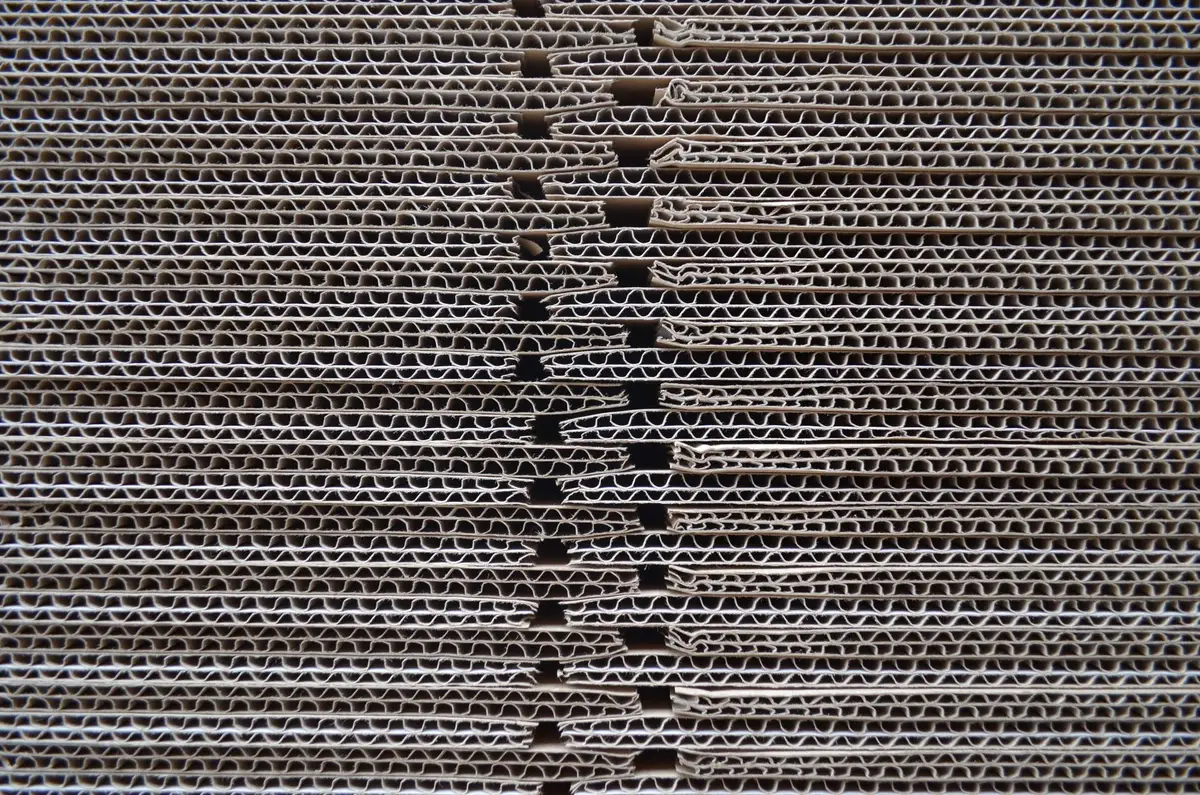
Corrugated Box Maker: How to Find and Vet the Right Supplier
A sourcing guide to corrugated box makers: how boxes are made, which flute type fits your product, pricing ranges, and how to verify a supplier before ordering.
Sep 23, 2026
Find verified suppliers on Tawaf
Create Free AccountHalal food is a global industry. Worth an estimated $2.3 trillion annually and growing at 6-8% per year, the halal food market spans every continent and every product category imaginable. For B2B buyers --- whether you are stocking supermarket shelves, supplying hotels and airlines, or distributing to food service operators --- finding reliable halal food suppliers is now a core business requirement, not a niche consideration.
Halal food suppliers are manufacturers, processors, distributors, and trading companies that produce or source food products compliant with Islamic dietary law (Sharia), verified through third-party certification from recognized bodies like JAKIM, IFANCA, HMC, or MUI.
The word "halal" means "permissible" in Arabic. In the food context, halal compliance requires that products meet specific criteria throughout the entire supply chain --- from ingredient sourcing to processing, packaging, storage, and transportation.
Halal food suppliers operate across every food category:
According to the State of the Global Islamic Economy Report, published by DinarStandard, Muslim consumers spent approximately $2.3 trillion on food and beverages in 2025, with the halal-certified segment growing faster than the overall food market.
The global halal food market is valued at approximately $2.3 trillion, with the largest consumer markets in Indonesia, Turkey, Saudi Arabia, Egypt, Bangladesh, Pakistan, Iran, Malaysia, the UAE, and Nigeria, and growing demand in non-Muslim-majority countries including the US, UK, France, and Germany.
The scale is massive and the growth trajectory is steep:
| Market | Halal Food Spend (USD Billion) | Muslim Population (Million) | Growth Rate |
|---|---|---|---|
| Indonesia | $185 | 230 | 7% |
| Turkey | $130 | 85 | 5% |
| Saudi Arabia | $65 | 35 | 6% |
| Egypt | $55 | 95 | 8% |
| Bangladesh | $50 | 155 | 9% |
| Pakistan | $48 | 230 | 7% |
| Iran | $45 | 85 | 4% |
| Malaysia | $28 | 22 | 6% |
| UAE | $22 | 8 | 8% |
| Nigeria | $20 | 100 | 10% |
| United Kingdom | $12 | 4 | 9% |
| France | $10 | 6 | 7% |
| United States | $8 | 4 | 11% |
| Germany | $7 | 5 | 8% |
What is particularly interesting for B2B suppliers is the growth in non-Muslim-majority countries. In the UK, France, and Germany, halal food sales are growing at 7-9% annually, driven by both Muslim consumer demand and non-Muslim consumers who associate halal with quality and ethical production.
Join Tawaf and connect with verified businesses across 47 countries. No middlemen, no commissions.
Join Tawaf FreeThe most internationally recognized halal certification bodies include JAKIM (Malaysia), MUI (Indonesia), SFDA-Halal (Saudi Arabia), IFANCA (USA), HMC (UK), ISNA (Canada), and SMIIC (international standardization), each with varying standards and market acceptance.
Not all halal certifications are created equal. Different importing countries recognize different certification bodies, and using the wrong certifier can result in cargo rejection at the border.
| Certification Body | Country | Recognition | Key Markets | Strictness Level |
|---|---|---|---|---|
| JAKIM | Malaysia | Gold standard globally | ASEAN, Middle East, global | Very High |
| MUI (LPPOM) | Indonesia | Widest consumer base | Indonesia, ASEAN | High |
| SFDA-Halal | Saudi Arabia | Mandatory for Saudi imports | Saudi Arabia, GCC | Very High |
| ESMA | UAE | Mandatory for UAE imports | UAE, GCC | High |
| IFANCA | USA | Americas, global | USA, Canada, Americas | High |
| HMC | UK | UK market leader | UK, EU | Very High (hand slaughter only) |
| ISNA | Canada | North American coverage | Canada, USA | High |
| HFA | UK | Major UK retailers | UK supermarkets | Medium-High |
| SMIIC/OIC | International | OIC member states | 57 OIC countries | Standard-setting |
| GCC Standardization | GCC | GSO standards | GCC bloc | High |
Critical Point: Malaysia's JAKIM is often considered the gold standard because its certification is recognized by the most countries. If you are a food manufacturer seeking maximum market access, JAKIM certification (or certification from a JAKIM-recognized body) is the most strategic choice.
For a deeper dive into the certification process itself, see our comprehensive halal certification guide.
The highest-demand halal food categories for B2B sourcing are frozen and fresh meat (especially poultry and beef), dairy products, confectionery and snacks, ready-to-eat meals, baby food, beverages, and halal ingredients/additives.
Category-by-category breakdown:
Meat and Poultry (Largest Category): Halal meat represents the biggest single segment of the halal food market. Brazil, Australia, India (buffalo), New Zealand, and Turkey are major exporters. Poultry (chicken) dominates by volume, with beef as the premium category.
Dairy Products: Halal dairy concerns primarily involve rennet sources and gelatin in yogurts/desserts. Major halal dairy exporters include New Zealand, Australia, Turkey, and several EU countries.
Snacks and Confectionery: This is one of the fastest-growing halal categories. Products must avoid pork-derived gelatin, alcohol-based flavorings, and certain emulsifiers. Turkey, Malaysia, Indonesia, and the UAE are major producers.
Beverages: Non-alcoholic beverages, flavored drinks, and juices. The key compliance issue is ensuring no alcohol is used in flavoring extracts. Some strict interpretations prohibit even trace amounts (0.01%) of alcohol.
Ingredients and Additives: B2B ingredient suppliers play a crucial role. Halal-certified gelatin (from bovine or fish sources), enzymes, emulsifiers, and flavor compounds are in high demand from food manufacturers worldwide.
Verify certification by requesting the original certificate (not a copy), checking the certificate number against the issuing body's online database, confirming the certificate covers the specific products you are purchasing, and verifying the expiry date.
Fraudulent halal certification is a real problem in global trade. Here is a verification checklist:
Suppliers listed on Tawaf's B2B marketplace display their certification status, and the platform facilitates document sharing for verification.
The largest halal food exporting countries are Brazil (meat), Australia (meat and dairy), Turkey (confectionery, dairy, meat), Malaysia (processed foods, ingredients), India (buffalo meat), New Zealand (dairy and lamb), and Indonesia (processed foods).
| Country | Primary Halal Exports | Estimated Halal Export Value (USD Billion) | Key Certification |
|---|---|---|---|
| Brazil | Chicken, beef | $8-10 | CDIAL, local bodies (JAKIM recognized) |
| Australia | Beef, lamb, dairy | $4-6 | AUS-QUAL, ICCV |
| Turkey | Confectionery, dairy, meat, grains | $3-5 | TSE, GIMDES |
| India | Buffalo meat, rice, spices | $3-4 | Jamiat Ulama-i-Hind, Halal India |
| Malaysia | Processed foods, palm oil, ingredients | $2-3 | JAKIM |
| New Zealand | Dairy, lamb | $2-3 | FIANZ |
| Indonesia | Processed foods, palm oil | $1-2 | MUI |
| Pakistan | Rice, meat, spices | $1-2 | SANHA Pakistan |
| France | Poultry, dairy, confectionery | $1-2 | Various (AVS, AFCAI) |
| Netherlands | Dairy, meat | $1-2 | HIC, various |
Searching for verified halal food suppliers? Register on Tawaf to access a curated directory of halal-certified food manufacturers and trading companies. Browse by product category, certification body, and country of origin.
Major challenges include fragmented certification standards across countries, supply chain contamination risk (cross-contact with haram products), certification fraud, varying interpretations of halal requirements (especially for stunning in meat), and complex logistics for maintaining halal integrity during transport.
Understanding these challenges helps buyers build more resilient supply chains:
Certification Fragmentation: There is no single, universally accepted halal standard. What is acceptable in one market may be rejected in another. For example, Malaysia requires JAKIM-recognized certification, while Saudi Arabia mandates its own SFDA approval.
Stunning Controversy: The question of whether animals can be stunned before halal slaughter divides the industry. HMC in the UK requires non-stunned slaughter, while many other bodies accept recoverable stunning. This affects which certifications are accepted in which markets.
Cross-Contamination: Halal products must not come into contact with haram products at any point in the supply chain. This means dedicated production lines, separate storage, and clean transport vehicles.
Ingredient Complexity: Modern processed foods contain dozens of ingredients and additives. A single non-halal ingredient (such as pork-derived gelatin in a candy coating) makes the entire product haram.
Traceability Gaps: In complex, multi-country supply chains, maintaining halal integrity from farm to fork is logistically challenging. Blockchain-based traceability solutions are emerging but not yet widespread.
The halal food industry is moving toward harmonized international standards (via SMIIC/OIC), blockchain-based traceability, plant-based halal products, halal-certified e-commerce, and deeper integration of halal compliance into mainstream food manufacturing.
Key trends for B2B buyers to watch:
Building a halal food supply chain requires defining your target market and its certification requirements, identifying certified suppliers for each product category, establishing halal-compliant storage and logistics, and maintaining documentation for audit and traceability.
Step-by-step approach:
A product can be halal (permissible) by nature --- for example, fresh fruits, vegetables, and grains are inherently halal. "Halal-certified" means a recognized third-party certification body has inspected the product, its ingredients, and its production process and formally confirmed compliance with halal standards. For B2B trade, certification is essential because it provides documented proof that buyers and regulators require.
Certification costs vary by certification body, facility size, and product complexity. Typical ranges are $2,000-$15,000 for initial certification and $1,500-$8,000 for annual renewal. Our halal certification guide provides a detailed breakdown of costs and timelines.
Yes, absolutely. Halal certification is based on compliance with standards, not the religious identity of the company owner. Major halal-certified food producers include Nestle (Switzerland), BRF (Brazil), Cargill (USA), and many other non-Muslim-owned multinationals. The requirement is that the production process, ingredients, and (for meat) slaughter practices comply with halal standards.
There is significant overlap, but they are not identical. Both prohibit pork and require specific slaughter methods, but the details differ. Kosher slaughter (shechita) does not require invoking God's name in the same manner as halal (dhabiha). Kosher permits alcohol, while halal does not. Some halal authorities accept kosher-certified gelatin or dairy, but this is not universal. Each certification should be evaluated independently.
If halal products are contaminated through contact with haram products during transport (for example, sharing a container with pork products), the shipment may be deemed non-halal and rejected by the buyer or importing authority. This is why dedicated halal logistics --- including clean containers, dedicated warehouse zones, and separate handling equipment --- is increasingly required by strict markets like Malaysia and Saudi Arabia.
Get Started
Create your free account and start connecting with verified suppliers and buyers worldwide.
Create Free Account
We help businesses navigate cross-border trade. Our team covers supplier verification, trade compliance, and B2B marketplace strategies to connect verified businesses worldwide.
A sourcing guide to corrugated box makers: how boxes are made, which flute type fits your product, pricing ranges, and how to verify a supplier before ordering.
Sep 23, 2026

A directory guide to product wholesalers by category: beauty, fashion, food, jewelry, and craft. Compare sourcing paths and connect with verified suppliers.
Sep 14, 2026
Organic is no longer a niche. The global organic products market has crossed $220 billion in annual sales and continues to grow at 8-12% year-over-year across most major economies. If you are a buyer, distributor, or brand owner searching for organic products exporters, you are entering a market wit
May 18, 2026