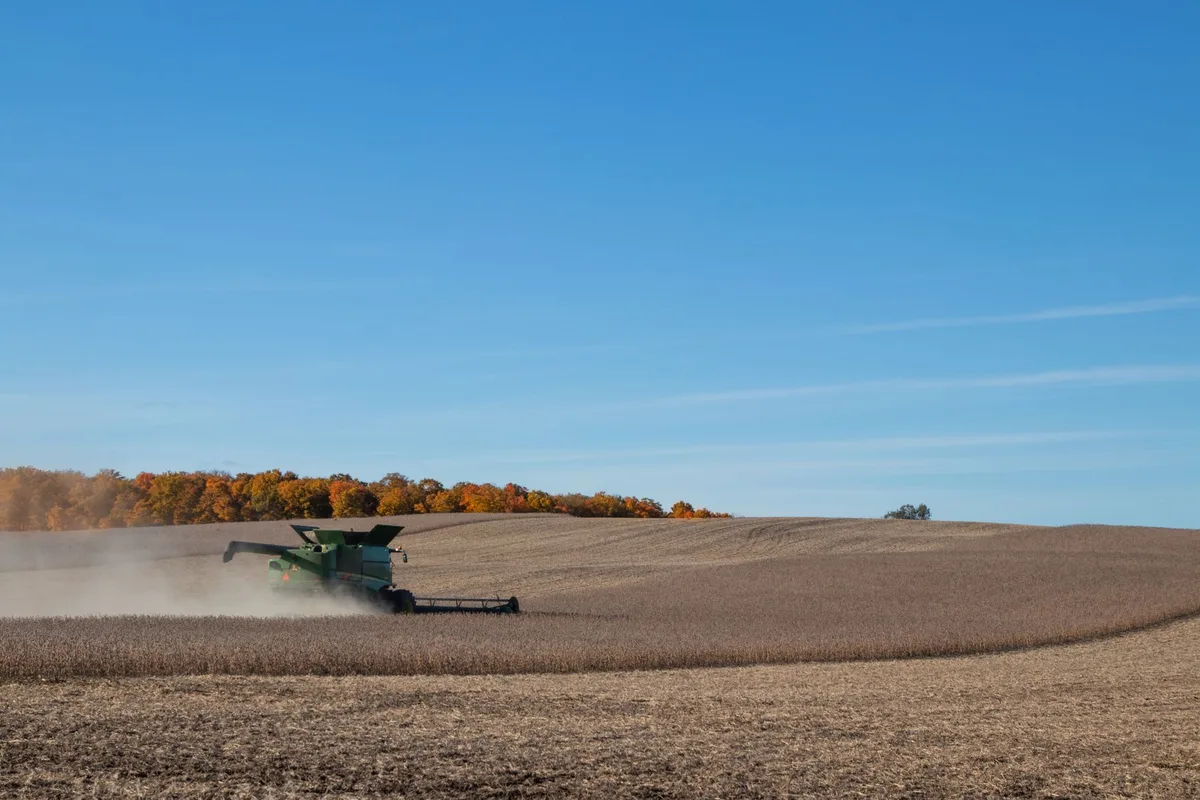
Brazil's Main Export: What It Is and What Buyers Can Source
What is Brazil's main export? A buyer's guide to Brazil's top exports in 2025, why sources rank them differently, who buys them, and how to source Brazilian goods safely.
Sep 26, 2026
Find verified suppliers on Tawaf
Create Free AccountRiyadh is the epicenter. While Saudi Arabia's mega-projects span the Kingdom from coast to coast, the capital city alone accounts for over 40% of the country's total construction activity by value. Finding verified construction companies in Riyadh is the starting point for anyone — contractor, developer, or material supplier — looking to participate in what may be the largest urban transformation project in modern history.
Riyadh's construction market is a concentrated ecosystem where residential mega-communities, commercial towers, cultural districts, metro infrastructure, and entertainment venues are all under construction simultaneously. The city is expanding from 7.5 million to a targeted 15-17 million residents, creating demand across every construction discipline and driving an estimated SAR 400+ billion in active and planned projects.
Riyadh is not just growing. It is being fundamentally reimagined. The city that was home to roughly 7.5 million people in 2023 has a target population of 15-17 million by 2030, according to the Royal Commission for Riyadh City (RCRC). Doubling a capital city's population in under a decade demands construction activity at a scale that has no modern precedent.
The numbers behind this transformation are immense. Over SAR 400 billion (approximately $107 billion) in projects are either under construction or in advanced planning stages within the Riyadh metropolitan area alone. This does not include the dozens of smaller private-sector developments that collectively add billions more to the total.
Several forces are converging to drive this construction surge:
For construction companies, Riyadh is where the work is. The rest of Saudi Arabia offers significant opportunities, but the sheer concentration of projects in the capital makes it the primary market for contractors of all sizes and specialties.
Riyadh's defining projects include Diriyah Gate ($20 billion cultural and hospitality district), King Salman Park ($23 billion urban park and cultural complex), New Murabba ($50 billion mixed-use district anchored by The Mukaab), Qiddiya ($8 billion entertainment city), the Riyadh Metro ($23 billion transit system), and ROSHN residential communities ($18 billion). Each project generates thousands of subcontracting opportunities.
Understanding the major projects is essential for positioning your construction business in Riyadh. Each project has a distinct character, procurement approach, and subcontracting ecosystem.
| Project | Estimated Value | Developer | Scope | Construction Status (2026) |
|---|---|---|---|---|
| New Murabba / The Mukaab | $50B | New Murabba Development | Mixed-use, 19 sq km district | Early construction |
| King Salman Park | $23B | RCRC | Urban park, cultural hub | Active construction |
| Riyadh Metro | $23B | RCRC / Arriyadh Dev. Auth. | 6 metro lines, 85 stations | Lines 1-2 operational |
| Diriyah Gate | $20B+ | Diriyah Gate Dev. Auth. | Heritage, hospitality, retail | Active construction |
| ROSHN Communities | $18B+ | ROSHN (PIF subsidiary) | Residential communities | Multiple phases active |
| Qiddiya | $8B+ | Qiddiya Investment Co. | Entertainment, sports, nature | Active construction |
| King Abdullah Financial District | $10B+ | KAFD Development | Financial, commercial hub | Nearing completion |
| Sports Boulevard | $5B+ | RCRC | 135 km linear park | Active construction |
New Murabba deserves special attention because of its sheer scale. Anchored by The Mukaab — a 400-meter cubic structure that will be one of the largest enclosed buildings ever constructed — the project covers 19 square kilometers and will include over 100,000 residential units, 9,000 hotel rooms, and 980,000 square meters of retail and entertainment space. The construction workforce for this single project will rival small cities.
Diriyah Gate is transforming the birthplace of the Saudi state into a cultural and hospitality destination. The project includes heritage restoration of the UNESCO-listed At-Turaif district, luxury hotels, museums, retail, and residential components. The mix of delicate heritage restoration alongside new construction creates demand for both specialized craftsmen and conventional contractors.
The Riyadh Metro, one of the world's largest urban rail projects, has its first lines operational with remaining lines in final construction phases. While the heavy civil works are largely complete, station fit-out, system integration, and surrounding transit-oriented development continue to generate contractor opportunities.
Join Tawaf and connect with verified businesses across 47 countries. No middlemen, no commissions.
Join Tawaf FreeRiyadh's construction companies fall into five practical categories: major general contractors handling billion-riyal projects, mid-market contractors specializing in commercial and residential buildings, trade subcontractors focused on specific disciplines like MEP or finishing, construction material suppliers serving the local market, and engineering consultancies providing design and project management services.
The Riyadh construction ecosystem is layered, and knowing which layer you need to engage with saves time and prevents mismatched expectations.
Major general contractors based in Riyadh include Saudi Binladin Group, Al Bawani Company, Almabani General Contractors, El Seif Engineering, and Nesma & Partners. These firms manage primary contracts on mega-projects and large commercial developments. They maintain thousands of employees, heavy equipment fleets, and bonding capacity in the hundreds of millions of riyals. If you are a developer seeking a general contractor for a project exceeding SAR 100 million, these are your initial shortlist candidates.
Mid-market contractors handle projects ranging from SAR 10 million to SAR 100 million — commercial buildings, residential complexes, warehouse facilities, fit-out projects, and renovation work. This segment is crowded in Riyadh, with hundreds of firms competing for a large volume of work. Differentiation comes from specialization, reliability, and established relationships with consultants and developers.
Trade subcontractors are the specialists who execute specific scopes within a project. Structural concrete, mechanical systems, electrical installations, plumbing, fire protection, facade systems, interior finishing, landscaping, and waterproofing each have dedicated subcontractor communities in Riyadh. A mid-size commercial project might engage 15-25 different subcontractors, each handling their specialty.
Material suppliers in Riyadh range from major distributors of steel, cement, and aggregate to niche suppliers of finishing materials, hardware, and specialized products. The concentration of construction activity in Riyadh makes it the most competitive material supply market in the Kingdom. Browse construction material suppliers on Tawaf to compare options.
Engineering consultancies provide the design and project management services that precede and oversee construction. Firms like Dar Al-Handasah, Zuhair Fayez Partnership, and international practices with Riyadh offices handle everything from architectural design to construction supervision.
Construction companies in Riyadh require a MOMRAH contractor classification (Grades 1-5), a valid commercial registration from the Ministry of Commerce, Saudization compliance under the Nitaqat system, and often prequalification with specific clients or government entities. The classification grade determines your maximum project value, making it the single most important credential for any Riyadh-based contractor.
Licensing and classification are the gatekeepers of the Riyadh construction market. Without proper credentials, you cannot bid on formal tenders, and most private developers will not consider you either.
MOMRAH classification grades contractors from Grade 1 (unlimited project value) to Grade 5 (small works only). The grading criteria include:
Moving up classification grades takes time and documented project completions. A new company entering Riyadh starts at Grade 5 and must build a portfolio of successfully delivered projects to qualify for higher grades. This is one reason joint ventures with established Riyadh contractors are popular — the Saudi partner brings the classification, the international partner brings technical expertise.
Saudization in Riyadh is monitored more closely than in some other Saudi cities because the concentration of companies makes enforcement more efficient. The Ministry of Human Resources and Social Development conducts regular audits. Companies in the "green" or "platinum" Nitaqat bands enjoy faster visa processing and government tender eligibility. Those in "yellow" or "red" face visa freezes and potential fines.
Municipal permits from the Riyadh municipality (Amanah) are required before starting any construction work. Building permits, demolition permits, road closure permits, and crane permits all go through the Amanah system. Processing times have improved significantly through the Balady digital platform, but complex projects still require careful permit management.
Verify Riyadh contractors through MOMRAH's online classification database, the Ministry of Commerce's commercial registration portal, the Nitaqat compliance checker, project references from completed work in the city, and B2B sourcing platforms that aggregate verified company profiles. Always cross-reference at least three verification sources before engaging a contractor for significant work.
Finding contractors in Riyadh is easy. Finding good ones who will actually deliver is the challenge. The city's construction boom has attracted thousands of companies, and quality varies enormously.
Start with official databases. MOMRAH maintains an online searchable database of classified contractors. You can verify a company's grade, authorized scope of work, and classification expiry date. The Ministry of Commerce portal lets you confirm that a company's commercial registration is active and covers construction activities.
Check project references. Ask any prospective contractor for references from at least three completed projects in Riyadh. Call those references. Ask about quality of work, adherence to schedule, payment claim accuracy, and how the contractor handled problems. A contractor who cannot provide local Riyadh references should be treated with caution, regardless of their portfolio elsewhere.
Use B2B platforms. Tawaf's construction directory aggregates verified construction company profiles across Riyadh, allowing you to search by specialty, project experience, and company size. You can also post a Looking For request describing your specific project needs and receive proposals from qualified contractors.
Engage consultants. If you are undertaking a significant project, hiring a project management consultant or quantity surveyor with Riyadh market knowledge is a worthwhile investment. These firms maintain databases of vetted contractors and can manage the tender process on your behalf. Their relationships often unlock access to better contractors than you would find through cold outreach.
Attend Riyadh events. The Saudi Build Expo, Future Build KSA, and HVAC R Expo all take place in Riyadh and attract local contractors actively seeking new clients. Face-to-face interactions at these events provide signals about company professionalism that no database can capture.
Register on Tawaf to connect with verified construction companies in Riyadh and post your project requirements.
The highest-demand construction specialties in Riyadh right now are MEP (mechanical, electrical, and plumbing) contractors, facade and curtain wall installers, interior fit-out specialists, landscape contractors, smart building systems integrators, and sustainable construction consultants. These specialties command premium pricing because demand from mega-projects outpaces the supply of qualified firms.
Not all construction work in Riyadh is created equal. Some specialties are in such high demand that qualified contractors can negotiate favorable terms, while commodity trades face intense price competition.
| Specialty | Demand Level (2026) | Supply Status | Margin Profile |
|---|---|---|---|
| MEP Contracting | Very High | Significant shortage | Above average |
| Facade / Curtain Wall | Very High | Moderate shortage | High |
| Interior Fit-Out | High | Adequate supply | Average to above |
| Landscape & Hardscape | High | Moderate shortage | Above average |
| Smart Building Systems | Very High | Significant shortage | High |
| Structural Concrete | High | Adequate supply | Average |
| Waterproofing | Moderate-High | Adequate supply | Average |
| Painting & Decorating | Moderate | Oversupply | Below average |
MEP contractors are the most sought-after specialty in Riyadh. The complexity of modern buildings — with their HVAC, fire suppression, plumbing, electrical, low-voltage, and building management systems — creates enormous demand for competent MEP firms. The shortage of qualified MEP contractors is so acute that project delays attributable to MEP subcontractor performance are common across the city.
Facade and curtain wall installation is another premium specialty. Riyadh's skyline is defined by glass and metal facades, and the technical skill required for high-rise curtain wall installation limits the number of firms that can do this work. International facade specialists partnering with local labor providers can command strong margins.
Smart building systems — including BMS, IoT integration, energy management, and security systems — represent a growing specialty driven by the Kingdom's push for sustainable and technologically advanced buildings. Contractors with genuine expertise in smart building technologies are rare in Riyadh, creating opportunity for firms that can demonstrate completed smart building projects.
Cash flow in Riyadh construction follows a pattern of monthly progress claims certified by the project consultant, paid by the client within 30-90 days after certification. Retentions of 5-10% are withheld until project completion. Advance payments of 10-20% against bank guarantees are common on larger projects. The cash conversion cycle typically runs 60-90 days, requiring significant working capital.
Cash flow is the number one operational challenge for construction companies in Riyadh. The time gap between spending money on labor and materials and receiving payment for completed work creates a working capital requirement that many contractors underestimate.
Typical payment cycle: You complete a month's work, submit a progress claim by the 25th of the month, the project consultant reviews and certifies the claim (14-28 days), and the client pays within 30-60 days of certification. Total elapsed time from work execution to payment receipt: 45-90 days. If you are spending SAR 3 million per month on a project, you need SAR 4.5-9 million in working capital just for that single project.
Government-backed projects — including those funded by the Public Investment Fund (PIF) and its subsidiaries — generally have the best payment records in Riyadh. Government entities face increasing pressure to pay contractors on time, and the recent introduction of the Etimad government procurement platform has improved payment transparency.
Private sector projects in Riyadh present more variable payment experiences. Established developers with strong reputations generally pay within terms. Newer developers or those with aggressive capital structures may stretch payments beyond contractual terms. Due diligence on a private developer's payment history should be standard practice before signing a contract.
Subcontractor payment follows a cascading pattern — the main contractor receives payment from the client and then pays subcontractors. This adds another layer of delay to the cash flow cycle for subcontractors. The best subcontracting agreements include "pay-when-certified" clauses rather than "pay-when-paid" clauses, giving you a contractual right to payment even if the main contractor has not received funds from the client.
Bank financing options for construction companies in Riyadh include project finance facilities, invoice discounting, and bonding lines. Local banks like Saudi National Bank, Al Rajhi Bank, and Riyad Bank all have construction lending desks familiar with the industry's cash flow patterns.
International construction companies entering Riyadh should understand five realities: the business culture operates on personal relationships built over time, Saudization requirements mandate hiring Saudi nationals at specified ratios, summer heat restricts outdoor work from June through September, visa and labor regulations change frequently and require dedicated compliance resources, and the competitive landscape includes both well-established Saudi firms and international contractors from Korea, China, Turkey, and Europe.
Riyadh is welcoming to international construction companies, but it operates differently from Dubai, Singapore, or London. Understanding the local business culture prevents costly missteps.
Relationships matter more than proposals. Saudi business culture prioritizes trust and personal connection. A well-crafted technical proposal will not win a contract if the decision-maker has no relationship with your company. Invest time in building genuine connections before expecting commercial outcomes. Attend industry events, accept meeting invitations, and be patient with the pace of relationship development.
Climate impacts operations significantly. Riyadh's summer temperatures regularly exceed 48 degrees Celsius. The Kingdom's outdoor work ban during peak afternoon hours from June through September reduces productive outdoor working time by 30-40%. Savvy contractors front-load exterior work into the cooler months (October through March) and schedule interior and underground work during summer.
The talent market is competitive. Riyadh's construction boom means that experienced project managers, quantity surveyors, safety officers, and skilled tradespeople are in high demand. Salary expectations for qualified construction professionals in Riyadh have increased 20-30% over the past three years. Factor competitive compensation packages into your pricing, or you will lose key staff to rivals.
Visa and labor regulations require active management. The rules governing foreign worker visas, labor quotas, wage protection, and end-of-service benefits change with some regularity. Maintain a relationship with a reputable Saudi labor law firm and budget for dedicated HR compliance staff.
For international firms looking to enter Riyadh, Tawaf's supplier directory can help you find potential Saudi partners, subcontractors, and material suppliers to support your market entry strategy.
Riyadh's construction market will continue growing through at least 2030, with an expected compound annual growth rate of 8-12%. The profile will shift from heavy civil works toward building completion, fit-out, and technology integration as mega-projects progress from foundation stages to finishing phases. Demand for sustainable construction practices and green building certifications will increase as the Kingdom pursues its net-zero carbon targets.
The construction pipeline in Riyadh is not a temporary spike. The volume of planned projects, combined with the inevitable cost overruns and timeline extensions inherent in construction of this scale, means that Riyadh will remain one of the world's busiest construction markets through at least the end of this decade.
Several trends will shape the market's evolution:
Fit-out and finishing demand will surge. As mega-projects progress from structural phases into interior completion, demand will shift from concrete and steel contractors toward MEP, interior fit-out, landscape, and systems integration specialists. Companies that position themselves in these downstream trades will find growing opportunity even as some heavy civil work tapers.
Sustainable construction will become mandatory. Saudi Arabia has committed to net-zero carbon by 2060, and Riyadh's building sector will face increasing requirements for energy efficiency, sustainable materials, and green certifications. Contractors with demonstrated expertise in green building — LEED, BREEAM, or Mostadam (Saudi Arabia's sustainability rating system) — will have a competitive advantage.
Technology adoption will accelerate. BIM (Building Information Modeling), drone surveying, prefabricated construction, and modular building methods are gaining traction in Riyadh. The Saudi government's push for construction efficiency and quality will drive increased adoption of these technologies, benefiting firms that invest in them early.
Material costs will remain elevated. The volume of construction in Riyadh creates persistent pressure on material supply chains. Steel, aluminum, glass, and specialty materials will likely remain above historical average prices through the end of the decade. Contractors who lock in material supply agreements early and maintain strong supplier relationships will protect their margins.
How many construction companies are registered in Riyadh? Over 5,000 companies hold active MOMRAH contractor classifications in the Riyadh region, ranging from Grade 1 major contractors to Grade 5 small works firms. This number does not include the thousands of unclassified material suppliers, equipment companies, and specialist service providers operating in the city.
What is the average construction cost per square meter in Riyadh? For commercial office buildings, construction costs range from SAR 3,500-6,000 per square meter depending on specification level. Residential construction runs SAR 2,500-4,500 per square meter. Luxury hospitality projects can exceed SAR 8,000 per square meter. These figures represent construction cost only, excluding land, design fees, and financing.
Can a foreign company bid on government construction tenders in Riyadh? Yes, provided the company holds valid MISA licensing, MOMRAH classification, and meets Saudization requirements. Government tenders above certain thresholds are published on the Etimad procurement platform. Some tenders are restricted to Saudi-owned companies or require joint ventures with Saudi firms.
What insurance is required for construction companies in Riyadh? At minimum, contractors need Contractor All Risks (CAR) insurance, third-party liability insurance, worker compensation insurance (mandatory under Saudi labor law), and professional indemnity insurance for design-build contracts. Many project owners also require specific policy limits and named insurer ratings.
How long does it take to get a building permit in Riyadh? Standard building permits through the Balady platform take 2-4 weeks for straightforward residential projects and 4-8 weeks for commercial buildings. Complex projects requiring coordination across multiple government entities can take 3-6 months. The RCRC is actively working to reduce permitting timelines.
Get Started
Create your free account and start connecting with verified suppliers and buyers worldwide.
Create Free Account
We help businesses navigate cross-border trade. Our team covers supplier verification, trade compliance, and B2B marketplace strategies to connect verified businesses worldwide.
What is Brazil's main export? A buyer's guide to Brazil's top exports in 2025, why sources rank them differently, who buys them, and how to source Brazilian goods safely.
Sep 26, 2026
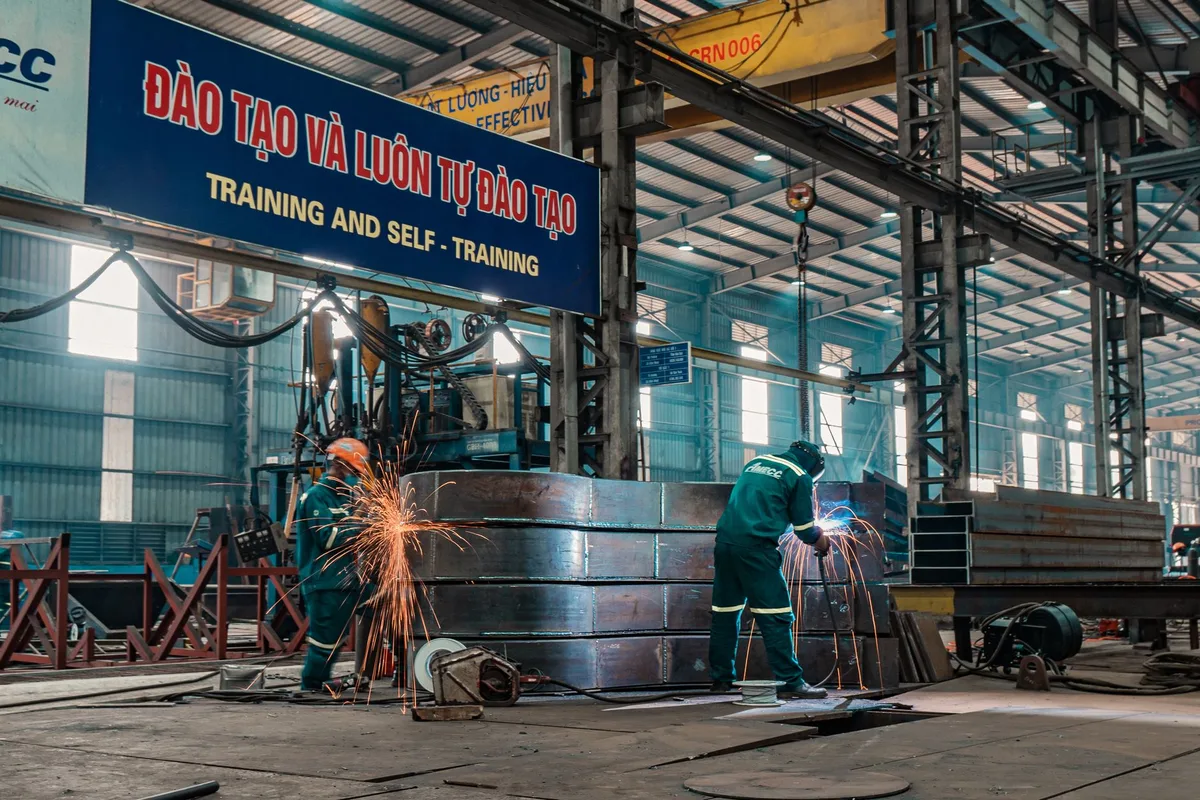
A buyer's guide to Made in Vietnam: what the label means, which products the country manufactures, and how to verify suppliers and origin claims before you order.
Sep 20, 2026
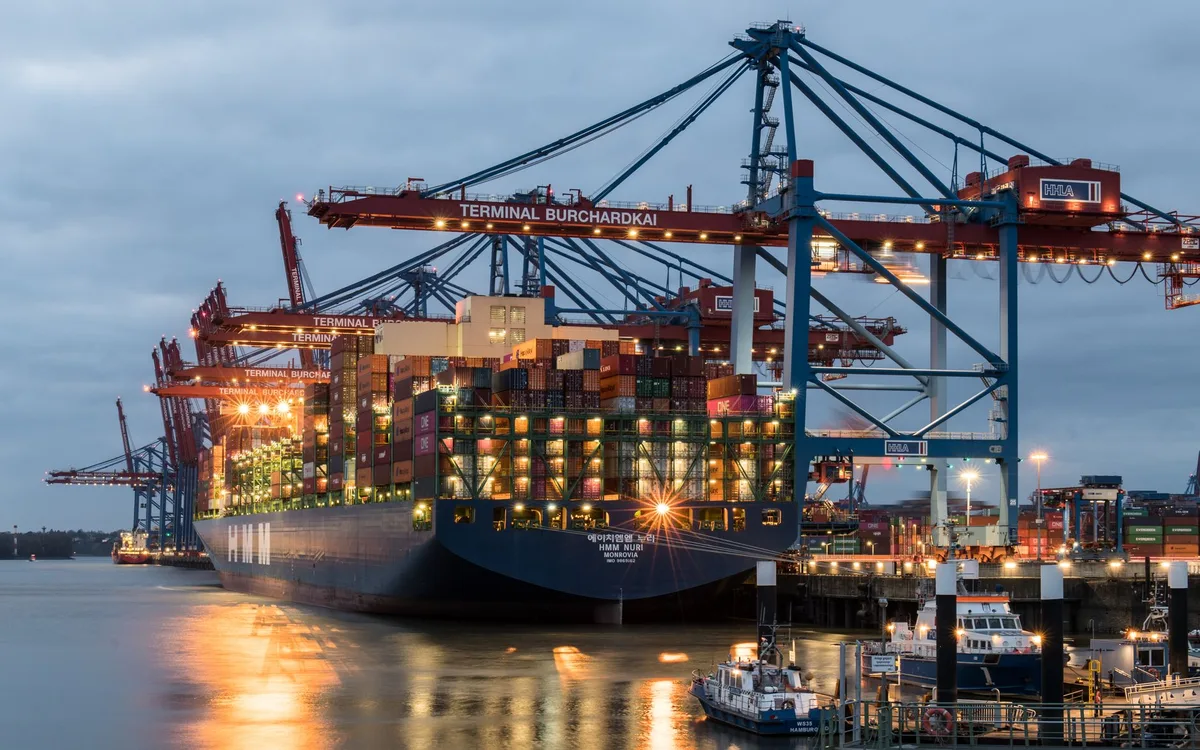
A practical guide to finding, vetting, and ordering from wholesale suppliers anywhere in the world, plus a region-by-region map of where to source what.
Sep 11, 2026