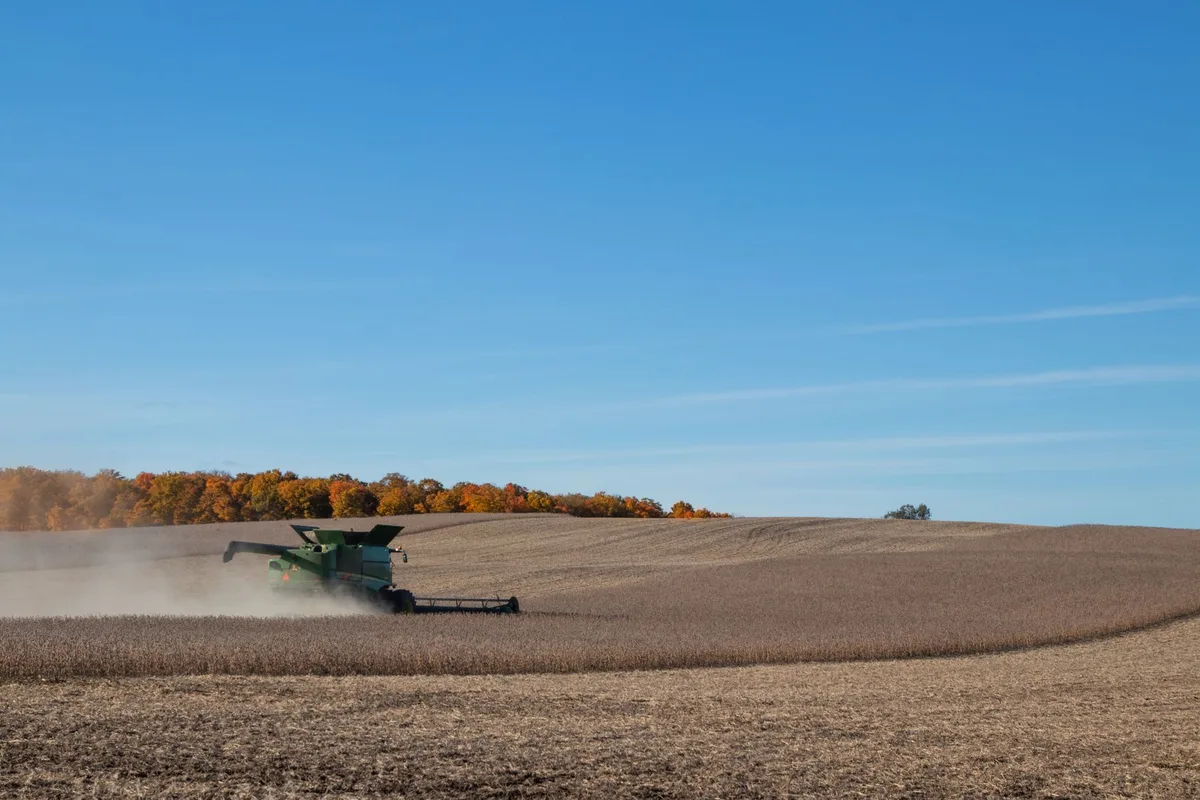
Brazil's Main Export: What It Is and What Buyers Can Source
What is Brazil's main export? A buyer's guide to Brazil's top exports in 2025, why sources rank them differently, who buys them, and how to source Brazilian goods safely.
Sep 26, 2026
Find verified suppliers on Tawaf
Create Free AccountIndia is a global organic powerhouse. With over $1.5 billion in organic food exports and climbing, the country has become one of the most important sources for certified organic products in the world. If you are a buyer, distributor, or retailer looking for reliable organic food exporters in India, you have come to the right place.
This guide breaks down everything you need to know, from certification standards to product categories, pricing benchmarks, and how to actually find and vet the right export partner. Whether you are sourcing organic basmati rice for a European supermarket chain or specialty spices for a North American health food brand, India has the supply chain depth to deliver.
Organic food exporters in India are businesses certified under the National Programme for Organic Production (NPOP) that grow, process, and ship organic agricultural products to international markets under standards recognized by the EU, USDA, and other global bodies.
The phrase covers a broad ecosystem. India has more than 4.4 million organic farmers, the highest number in any country on Earth. These farmers produce everything from grains and pulses to spices, tea, coffee, honey, and oilseeds. The exporters are the link between these farms and your warehouse.
India's organic certification infrastructure is managed by the Agricultural and Processed Food Products Export Development Authority, commonly known as APEDA. APEDA accredits certification bodies that audit farms and processing units. Once certified, exporters receive a transaction certificate for each shipment, which your customs authority will require on the importing side.
The NPOP standard has equivalence agreements with the European Union and Switzerland. This means products certified under NPOP are accepted as organic in those markets without additional certification. For the United States, exporters typically obtain USDA NOP certification through an accredited certifier like OneCert or Control Union.
India combines the world's largest organic farmer base with competitive pricing, diverse product range, and internationally recognized certification equivalence, making it the most cost-effective source for bulk organic commodities.
Several factors are driving this trend:
For buyers, this means a deeper supplier pool and more competition among exporters, which keeps quality high and prices reasonable.
Join Tawaf and connect with verified businesses across 47 countries. No middlemen, no commissions.
Join Tawaf FreeThe leading organic exports from India include basmati and non-basmati rice, spices (turmeric, black pepper, cumin), tea, honey, oilseeds (sesame, flaxseed), and pulses, with rice and spices accounting for the largest share by value.
Here is a breakdown of the major product categories and their export dynamics:
| Product Category | Key Items | Major Markets | Estimated Export Value (2025) | Typical MOQ |
|---|---|---|---|---|
| Rice | Basmati, Sona Masoori, Brown Rice | EU, USA, Middle East | $420M+ | 1 FCL (18-22 MT) |
| Spices | Turmeric, Black Pepper, Cumin, Cardamom | EU, USA, Japan | $310M+ | 500 kg - 5 MT |
| Tea | Darjeeling, Assam, Green Tea | EU, Japan, USA | $180M+ | 100 kg - 1 MT |
| Honey | Multi-flora, Mustard, Eucalyptus | USA, EU, Middle East | $85M+ | 1 MT |
| Oilseeds | Sesame, Flaxseed, Castor | Japan, South Korea, EU | $140M+ | 5 MT |
| Pulses & Lentils | Chickpeas, Red Lentils, Mung Beans | EU, Middle East | $95M+ | 5 MT |
| Sugar | Jaggery, Cane Sugar | EU, USA | $75M+ | 10 MT |
| Fruits & Vegetables | Mango pulp, Moringa, Amla | USA, EU, UAE | $60M+ | 500 kg |
Rice dominates. India is the world's largest exporter of organic rice, and much of it flows through APEDA-certified exporters based in Punjab, Haryana, and Madhya Pradesh. Spices come next, with turmeric from Erode and Nizamabad, black pepper from Kerala, and cumin from Rajasthan leading the pack.
For tea, Darjeeling and Assam produce some of the world's most sought-after organic teas. The "Darjeeling" name is a protected geographical indication under World Intellectual Property Organization (WIPO) rules, which adds a premium for certified lots.
NPOP is India's national organic standard, administered by APEDA, which accredits third-party certification bodies to audit farms and processing units. Products certified under NPOP are automatically recognized as organic in the EU and Switzerland.
Understanding the certification chain is critical for buyers. Here is how it works step by step:
The EU equivalence is a game-changer. Products certified under NPOP can enter EU markets as organic without requiring separate EU organic certification. This saves exporters time and money, and those savings often get passed on to buyers as better pricing.
For the US market, exporters need USDA NOP certification, which is a separate process. Many Indian exporters hold both NPOP and NOP certifications. When evaluating a supplier, always ask for copies of both the scope certificate and a recent transaction certificate.
Indian organic exports typically carry a 15-40% premium over conventional equivalents, but remain 20-50% cheaper than organic products sourced from Europe, the US, or Australia, making India the best value proposition for bulk organic sourcing.
Pricing varies significantly by product, season, and order volume. Here are some benchmark ranges:
| Product | Conventional Price (FOB/kg) | Organic Price (FOB/kg) | Organic Premium |
|---|---|---|---|
| Basmati Rice | $0.80 - $1.10 | $1.10 - $1.60 | 30-45% |
| Turmeric Powder | $1.50 - $2.00 | $2.20 - $3.50 | 40-75% |
| Black Pepper | $4.00 - $5.50 | $5.50 - $7.50 | 35-40% |
| Darjeeling Tea | $8.00 - $15.00 | $12.00 - $25.00 | 50-70% |
| Sesame Seeds | $1.20 - $1.80 | $1.80 - $2.60 | 40-50% |
| Honey | $2.00 - $2.50 | $2.80 - $3.80 | 35-50% |
These are indicative FOB India prices. Actual pricing depends on the specific grade, processing level, packaging requirements, and your negotiation skills. Larger orders and long-term contracts typically secure better rates.
The best approach combines APEDA's official exporter directory, B2B marketplace platforms like Tawaf, trade show attendance, and direct verification through factory audits and sample orders.
Finding exporters is easy. Finding the right ones takes more effort. Here are the most effective channels:
APEDA Exporter Directory: APEDA maintains a public database of registered organic exporters. This is your starting point for any search.
B2B Marketplaces: Platforms like Tawaf connect you with pre-vetted suppliers who have verified business profiles and certifications. You can filter by product category, certification type, and export experience. This saves weeks of manual research.
Trade Shows: Events like BioFach (Nuremberg, Germany) and India International Trade Fair feature dedicated organic pavilions where Indian exporters showcase their products.
Industry associations: Bodies like the International Competence Centre for Organic Agriculture (ICCOA) and the Organic Farming Association of India (OFAI) can provide referrals.
Once you have a shortlist, the real work begins. Before placing a large order, always request product samples, verify certification documents independently with the certification body, and if possible, arrange a factory audit. We cover this process in detail in our guide on how to verify suppliers.
Ready to connect with verified organic food exporters from India? Create your free Tawaf account and start browsing certified suppliers today. Post your requirements and let exporters come to you.
The biggest challenges include certificate fraud, inconsistent quality between batches, logistics delays, and navigating the paperwork required for organic import clearance in destination countries.
Let us be upfront about the difficulties. Organic sourcing from India is not without risk:
Working with experienced exporters who have a track record of shipping to your target market mitigates most of these risks. Ask for references from existing buyers in your country.
A solid contract should specify product specifications, certification requirements, testing parameters, payment terms, shipping terms (Incoterms), dispute resolution mechanism, and penalties for non-compliance.
Key contract elements to include:
For more on structuring international payments safely, see our guide on international payment methods for trade.
The top organic production states in India are Madhya Pradesh, Rajasthan, Maharashtra, Karnataka, Uttarakhand, and Sikkim (India's first fully organic state), each specializing in different product categories.
Geography matters when sourcing. Here is where the key products come from:
| State | Key Organic Products | Notable Advantage |
|---|---|---|
| Madhya Pradesh | Soybean, Wheat, Pulses | Largest organic acreage in India |
| Rajasthan | Cumin, Coriander, Fenugreek, Isabgol | Arid climate ideal for spice cultivation |
| Karnataka | Coffee, Pepper, Cashew | Tropical plantation crops |
| Uttarakhand | Basmati Rice, Lentils, Herbs | Himalayan terroir, premium positioning |
| Sikkim | Cardamom, Ginger, Turmeric | 100% organic state since 2016 |
| Kerala | Black Pepper, Coconut, Tea | Spice capital of India |
| Assam & Darjeeling | Tea | World-renowned organic tea gardens |
| Punjab & Haryana | Basmati Rice | Major rice export infrastructure |
Knowing the origin helps you assess quality claims. If an exporter claims to sell organic Darjeeling tea but is based in Gujarat with no connection to Darjeeling gardens, that is a red flag.
India's organic food export market is projected to grow 15-20% annually through 2030, driven by rising global demand, expanding certified acreage, government incentives, and growing EU/US market access.
The trajectory is clear. Global organic food demand is growing faster than supply, and India is scaling up to fill the gap. Several developments are worth watching:
For B2B buyers, this means the range of available products and the quality of supply chain infrastructure will only improve. Getting established with Indian organic exporters now positions you ahead of competitors who will be scrambling to source later.
No, NPOP does not have direct equivalence with USDA NOP. Indian exporters targeting the US market need separate USDA NOP certification from an accredited certifier. However, many exporters hold both certifications, so this is not usually a barrier. Always verify the specific certification before placing an order.
MOQs vary by product and exporter. For bulk commodities like rice or oilseeds, expect a minimum of one full container load (FCL), which is typically 18-22 metric tons for a 20-foot container. For higher-value products like spices or tea, some exporters accept orders as low as 500 kg to 1 metric ton, especially for initial trial orders.
Sea freight from major Indian ports (Nhava Sheva, Chennai, Mundra) to European ports takes approximately 18-25 days. To US East Coast ports, expect 25-35 days. To US West Coast, 20-28 days. Add 5-10 days for customs clearance and inland transport at both ends.
Yes, and it is highly recommended for large-volume buyers. Most reputable exporters welcome buyer visits. Plan your visit during the growing or harvest season for the products you are interested in. APEDA and some state agriculture departments also organize buyer-seller meets and farm tours.
For first orders, the most common arrangement is 30% advance via wire transfer with the balance of 70% payable against shipping documents (bill of lading, certificate of origin, phytosanitary certificate, and organic transaction certificate). After establishing trust over 2-3 successful shipments, many exporters offer open account terms of 30-60 days.
Get Started
Create your free account and start connecting with verified suppliers and buyers worldwide.
Create Free Account
We help businesses navigate cross-border trade. Our team covers supplier verification, trade compliance, and B2B marketplace strategies to connect verified businesses worldwide.
What is Brazil's main export? A buyer's guide to Brazil's top exports in 2025, why sources rank them differently, who buys them, and how to source Brazilian goods safely.
Sep 26, 2026
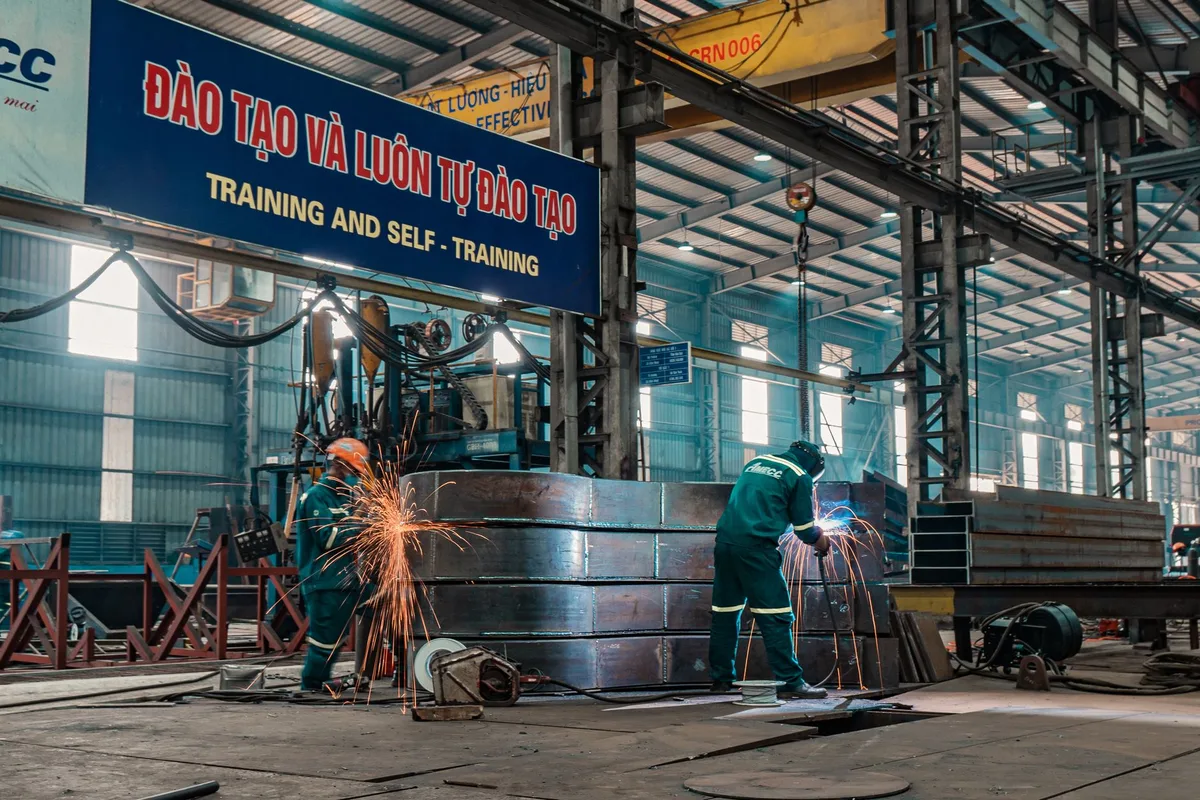
A buyer's guide to Made in Vietnam: what the label means, which products the country manufactures, and how to verify suppliers and origin claims before you order.
Sep 20, 2026
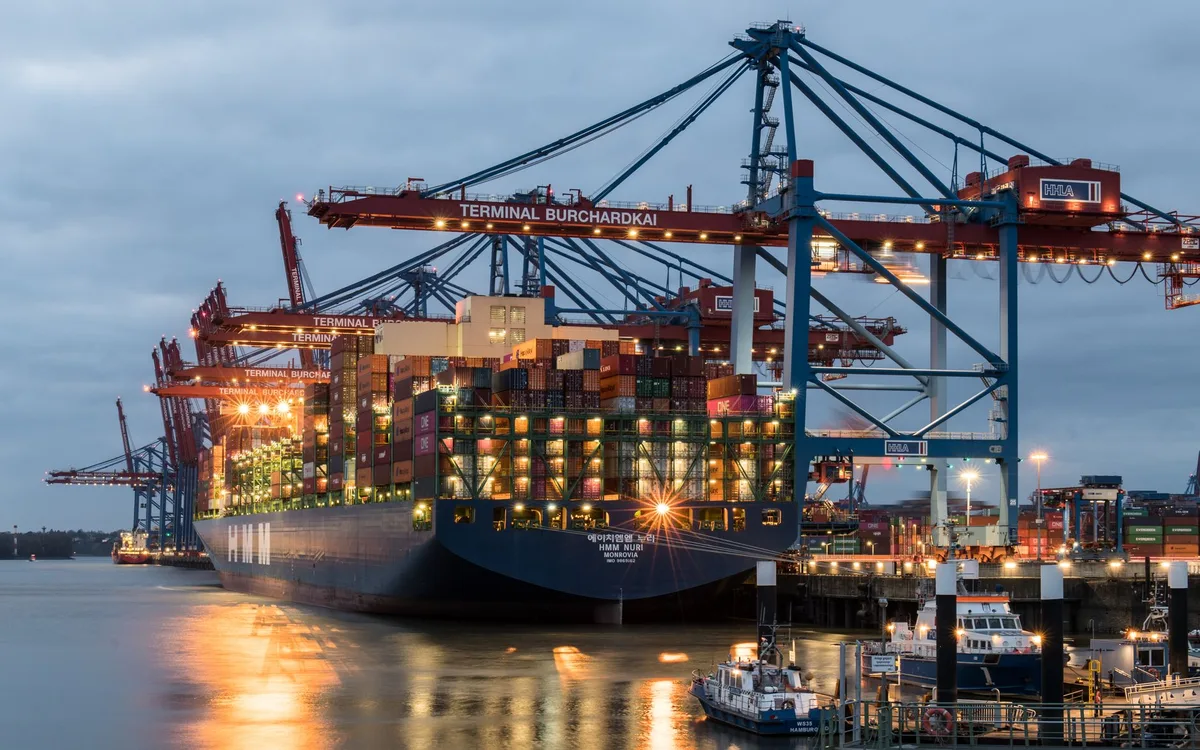
A practical guide to finding, vetting, and ordering from wholesale suppliers anywhere in the world, plus a region-by-region map of where to source what.
Sep 11, 2026