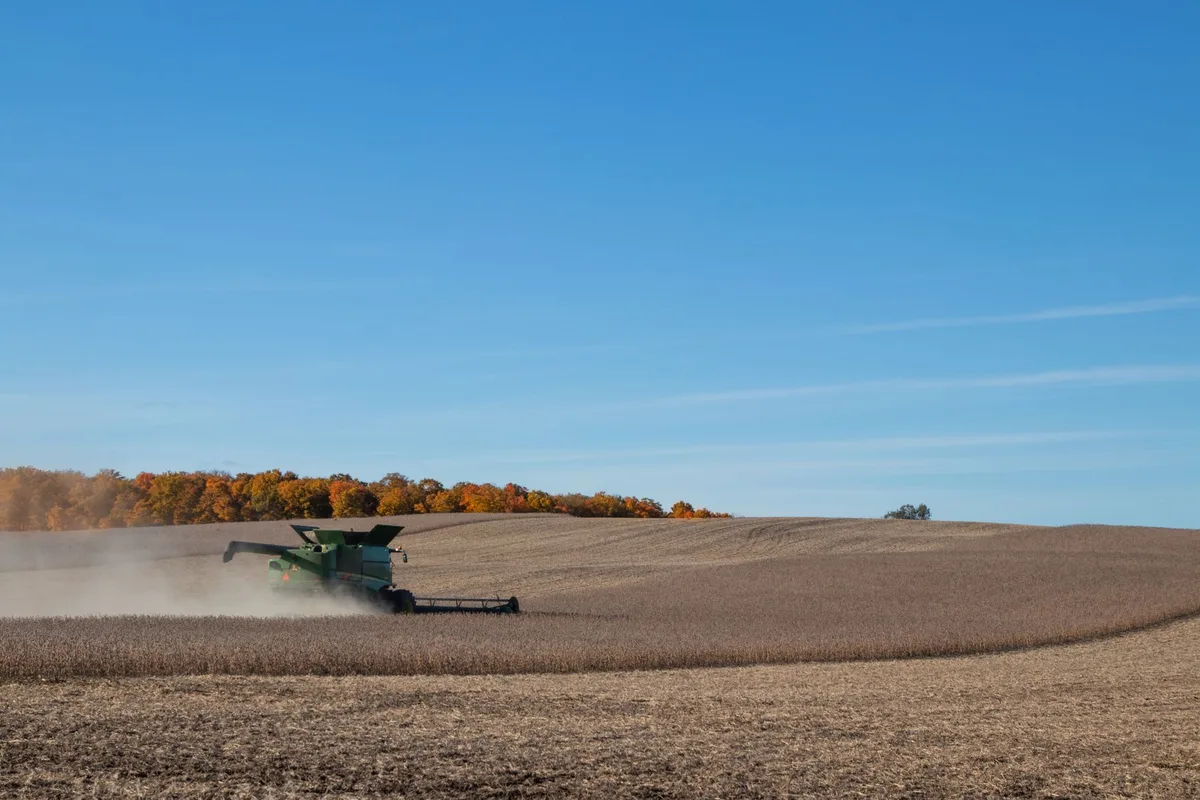
Brazil's Main Export: What It Is and What Buyers Can Source
What is Brazil's main export? A buyer's guide to Brazil's top exports in 2025, why sources rank them differently, who buys them, and how to source Brazilian goods safely.
Sep 26, 2026
Find verified suppliers on Tawaf
Create Free AccountFabric sourcing starts in Bur Dubai.
The textile wholesale market in Bur Dubai is a dense corridor of 300+ fabric shops concentrated in the Al Fahidi and Meena Bazaar districts along the Dubai Creek. Established in the 1970s, it is the Middle East's largest over-the-counter fabric wholesale zone, supplying retailers, fashion designers, event planners, and export traders across the GCC and Africa.
The market sits within walking distance of Al Fahidi metro station on the Green Line. It runs along the creek from the Al Fahidi Historical Neighbourhood southward through Meena Bazaar, covering roughly 1.5 kilometres of continuous textile retail and wholesale frontage. The area is sometimes called the "textile souk" or "fabric souk," but unlike Dubai's Gold Souk, it is not a single enclosed market. It is an open network of standalone shops, multi-story wholesale buildings, and narrow alleyways packed with bolts of fabric stacked floor to ceiling.
The merchants here are overwhelmingly South Asian — Indian, Pakistani, and Bangladeshi traders who built this market over five decades. Many shops have been family-run for two or three generations. Hindi, Urdu, and Arabic are the primary languages of commerce, though English works in most shops.
What makes this market relevant to international buyers is its pricing structure. Shops sell both retail (by the metre) and wholesale (by the bolt or bale). Walk-in buyers pay retail prices, but anyone purchasing 50+ metres of a single fabric gets wholesale rates that are 30–60% lower. For serious bulk orders (500+ metres), many shops act as intermediaries connecting buyers with their mill contacts in India, China, and Pakistan.
This physical market operates alongside a growing digital trade ecosystem. Platforms like Tawaf connect Bur Dubai textile traders with international buyers who cannot visit in person, extending the souk's reach beyond foot traffic.
Bur Dubai's textile market stocks everything from basic cotton shirting to hand-embroidered silk wedding fabric. The dominant categories are cotton (plain and printed), polyester blends, chiffon, georgette, silk (raw and processed), lace, embroidered panels, jersey knit, linen, wool suiting, denim, and readymade garment blanks. Specialty shops carry African print wax fabric, abaya material, and bridal couture textiles.
The product range breaks down into distinct zones within the market. Meena Bazaar is strongest for Indian-origin fabrics — raw silk, chanderi, banarasi, and embroidered materials popular in South Asian fashion. The shops along Al Fahidi Street lean heavier on general-purpose wholesale fabrics — cotton rolls, polyester linings, and synthetic blends used in commercial garment manufacturing.
Here is a breakdown of what the market carries and typical pricing:
| Fabric Type | Retail Price (AED/metre) | Wholesale Price (AED/metre) | Minimum Wholesale Order | Primary Origin |
|---|---|---|---|---|
| Plain cotton | 8–15 | 4–9 | 50 metres | India, Pakistan |
| Printed cotton | 12–25 | 7–14 | 50 metres | India, China |
| Polyester blend | 10–20 | 5–12 | 100 metres | China, Taiwan |
| Chiffon | 15–35 | 8–20 | 50 metres | China, India |
| Georgette | 18–40 | 10–22 | 50 metres | India, South Korea |
| Raw silk | 45–120 | 25–70 | 30 metres | India, China |
| Lace (machine) | 20–50 | 12–30 | 50 metres | China, Turkey |
| Lace (handmade) | 80–300 | 50–180 | 20 metres | India, France |
| Embroidered panels | 60–250 | 35–150 | 20 pieces | India, Pakistan |
| African wax print | 25–55 | 15–32 | 6-yard bundles (50+) | China, Netherlands |
| Jersey knit | 12–25 | 6–14 | 100 metres | China, Bangladesh |
| Denim | 18–40 | 10–24 | 100 metres | Pakistan, Turkey |
| Abaya crepe | 15–35 | 8–20 | 50 metres | South Korea, Japan |
| Bridal tulle | 30–80 | 18–48 | 30 metres | China, India |
Prices fluctuate seasonally. The weeks before Ramadan and Diwali see peak demand for embroidered silks and occasion fabrics, which pushes retail prices up 10–20%. Buying during off-peak months (May through August) gets you better wholesale rates and more bargaining flexibility.
Several shops specialize in a single niche. For example, shops on the upper floors of the Cosmos Lane buildings carry nothing but lace. Shops near the Al Fahidi roundabout focus on suiting and shirting fabrics for menswear manufacturers. The ground-floor shops facing the main road stock the broadest range because they cater to walk-in tourists and one-off buyers.
Join Tawaf and connect with verified businesses across 47 countries. No middlemen, no commissions.
Join Tawaf FreeThe textile wholesale market spans two connected commercial districts in Old Dubai: Al Fahidi (formerly Bastakiya) and Meena Bazaar. The main stretch runs along Ali Bin Abi Taleb Street and spills into side streets off Khalid Bin Al Waleed Road. The nearest metro station is Al Fahidi (Green Line), and the market is a 5-minute walk from the Dubai Creek abra crossing to Deira.
The market has no single entrance or boundary — it bleeds into the surrounding streets. But here are the key zones:
Al Fahidi Street — The main artery. This road runs parallel to the creek and hosts the largest concentration of textile wholesale buildings. Multi-story commercial centres here include Dubai Textile City, Al Fahidi Plaza, and Cosmos Lane buildings. These are where serious wholesale buyers shop.
Meena Bazaar — South of Al Fahidi Street, this grid of narrow streets is the retail-heavy zone. Smaller shops, more foot traffic, and higher prices. This area is more "souk-like" in feel, with shopkeepers calling out to passersby. Good for sampling fabrics and small orders, less ideal for container-quantity purchasing.
Khalid Bin Al Waleed Road (Computer Street) — The southern boundary. While this road is known for electronics, the textile market's wholesale buildings sit just off it. Several fabric warehouses with loading bays are accessible from side streets here.
For international buyers flying in specifically for textile sourcing, the market is 15 minutes by taxi from Dubai International Airport (DXB) and 45 minutes from Al Maktoum International Airport (DWC).
Bargaining is expected and follows predictable patterns: the marked or first-quoted price is typically 30–50% above the final transaction price. Effective strategies include asking for the "best price" upfront, comparing quotes across three or four shops, buying multiple fabrics from one vendor for combined discounts, and walking away — most shopkeepers will call you back with a lower offer within 30 seconds.
The textile souk operates on relationship-based pricing. First-time buyers pay more. Repeat buyers who build a relationship with specific shopkeepers get better rates over time. Here are the mechanics:
Step 1: Never accept the first price. When you ask "How much?" the quoted price is the ceiling. Respond with "What's your best price?" and the shopkeeper drops it 15–20% immediately.
Step 2: State your quantity early. Shopkeepers calibrate pricing based on volume. Saying "I need 200 metres" before asking for a price gets you a fundamentally different starting point than asking about one metre.
Step 3: Walk the market first. Before committing to any shop, walk through at least 10 shops and ask for prices on the same fabric type. You will quickly learn the floor price. The shops know their neighbours' pricing, and if you mention "The shop downstairs quoted me AED 8," they will either match it or explain why their product justifies a higher price.
Step 4: Bundle purchases. Buying cotton, lining, and buttons from the same shop gets you 10–15% off the already-bargained price. Shopkeepers prefer to sell more items per transaction.
Step 5: Pay cash. Card payments cost shopkeepers 2–3% in processing fees. Cash gets you an extra discount. Many wholesale transactions above AED 5,000 are cash-only.
Step 6: Negotiate shipping separately. Some shops include local delivery, others charge extra. For international shipping, handle logistics independently — shop-arranged shipping is always more expensive than using your own freight forwarder.
The best time for wholesale purchasing is Saturday through Wednesday, 9:00 AM to 1:00 PM, during the cooler months of October through March. Thursday afternoons and Fridays are the busiest retail periods — good for browsing, bad for negotiating bulk deals. The market closes during Friday prayer (12:00–2:00 PM) and some shops close entirely on Friday.
Timing affects both pricing and the quality of attention you receive from shopkeepers:
| Day/Time | Crowd Level | Best For | Bargaining Power |
|---|---|---|---|
| Saturday–Wednesday AM (9–1 PM) | Low–Medium | Wholesale buying, sampling | Highest |
| Saturday–Wednesday PM (4–9 PM) | Medium | Retail, repeat visits | Medium |
| Thursday AM | Medium | Last-minute wholesale | Medium |
| Thursday PM–Friday | High (peak retail) | Browsing only | Lowest |
| Ramadan evenings (after iftar) | Very high | Cultural experience | Low |
| Summer weekdays (June–August) | Very low | Deep discounts | Highest |
Serious wholesale buyers visiting from outside the UAE should plan a 3-day sourcing trip: Day 1 for walking the market and collecting samples, Day 2 for comparing prices and narrowing down suppliers, Day 3 for placing orders and negotiating final terms.
Online B2B platforms solve the three biggest limitations of the physical souk: geographic access, product discovery at scale, and verified supplier credentials. A buyer in Lagos or Lahore cannot walk Meena Bazaar every month, but they can browse, compare, and contact textile suppliers through platforms like Tawaf — then visit in person only when they are ready to finalize large orders.
The Bur Dubai textile market built its reputation through in-person relationships. That model works brilliantly for local buyers and regional traders who can visit regularly. It fails for the growing segment of international buyers who discover Dubai textile suppliers online first.
Here is what digital platforms add to the physical souk experience:
Pre-visit qualification. Before spending AED 3,000 on flights and hotels, a buyer can browse supplier profiles, check product catalogues, and communicate through the platform to confirm the supplier carries what they need. This eliminates wasted trips.
Post-visit reordering. After establishing a relationship in person, buyers can place repeat orders through the platform without flying back. The trust is built in person; the transactions continue online.
Supplier verification. In the physical souk, anyone can rent a shop. Online platforms with verification processes — trade license checks, product photo validation, review systems — give buyers a layer of due diligence that the souk itself does not provide.
Price transparency. The souk's pricing model relies on information asymmetry (shopkeepers know the market price, buyers often do not). Online platforms display indicative pricing, reducing the advantage of experienced bargainers over newcomers.
If you source textiles from the UAE regularly, browse verified UAE textile suppliers on Tawaf to build a shortlist before your next visit.
Ready to connect with textile suppliers in Dubai and beyond? Create your free Tawaf account to browse verified suppliers, compare products, and send enquiries — no commitment, no fees for buyers.
Bur Dubai sits between China's Keqiao textile market (the world's largest by volume) and Turkey's Merter/Osmanbey district (Europe's gateway). Dubai's advantage is geographic centrality — equidistant from Asian manufacturers and African/Middle Eastern retail markets — plus zero import duty for goods in transit through free zones like JAFZA and Dubai Textile City.
Here is how Bur Dubai stacks up against the world's other major fabric wholesale markets:
| Feature | Bur Dubai, UAE | Keqiao, China | Merter, Turkey | Surat, India | Guangzhou, China |
|---|---|---|---|---|---|
| Estimated annual trade volume | $2.5B | $30B+ | $5B | $8B | $15B+ |
| Number of shops/stalls | 300+ | 30,000+ | 5,000+ | 65,000+ | 10,000+ |
| Strength | Re-export, GCC access | Manufacturing scale | Europe/MENA gateway | Indian domestic + export | Manufacturing variety |
| Average quality tier | Mid to high | Low to mid | Mid to high | Low to mid | Low to mid |
| Language barriers | Low (English common) | High (Mandarin dominant) | Medium (Turkish dominant) | Medium (Hindi/Gujarati) | High (Mandarin dominant) |
| Visa accessibility | Easy (visa on arrival for 70+ countries) | Moderate | Easy | Moderate | Moderate |
| Transit/re-export advantage | Very high (free zones) | Low | Medium | Low | Medium |
Dubai's position as a re-export hub is the real competitive edge. Fabric enters Dubai duty-free through free zones, gets inspected, consolidated with other goods, and re-exported to Africa, the Levant, or Central Asia. The physical souk in Bur Dubai is the sampling and relationship-building front end of this larger re-export operation.
For retail purchases (under AED 3,000), you need nothing — just cash or card. For wholesale purchases intended for export, you need a trade license from your home country, a commercial invoice from the seller, a packing list, a certificate of origin (if required by your destination country), and shipping documentation. UAE-based buyers need their UAE trade license to open a wholesale account with most large textile shops.
Small-quantity buyers face no paperwork hurdles. The complication starts when you want to ship fabric out of the UAE commercially.
For export orders, the process typically follows this sequence:
Many shops in the souk have long-standing relationships with local freight forwarders who specialize in textile shipments to specific regions — West Africa, East Africa, Pakistan, Bangladesh. Ask your shopkeeper for recommendations, but always get an independent quote as well.
Adoption is uneven but accelerating. An estimated 30% of Bur Dubai textile shops now maintain WhatsApp catalogues, 15% list products on B2B platforms, and a handful operate standalone e-commerce sites. The majority still rely on in-person sales and phone reorders from established customers, but the COVID-19 disruption permanently shifted buyer expectations toward digital access.
The digital transition in the Bur Dubai textile market looks different from e-commerce in other industries. These are not consumer products with standardized specifications. Fabric purchasing is tactile — buyers want to feel the weight, drape, and texture. Colour accuracy on screens is unreliable. This creates a natural resistance to fully digital transactions.
What is working:
What is not working:
The souk's future likely combines physical showrooming (buyers visit to see and touch) with digital reordering (repeat purchases happen online). B2B marketplaces that understand this hybrid model will capture the opportunity.
The primary risks are fabric quality inconsistency between samples and bulk orders, inaccurate fabric composition labeling (polyester sold as silk blend), colour variations between batches, and unreliable delivery timelines for large orders sourced from overseas mills. Mitigate these by ordering test runs, requiring composition certificates, and inspecting goods before final payment.
This is a trust-based market with minimal formal consumer protection. The Dubai Department of Economy and Tourism (DET) handles commercial disputes, but the process is slow and most small-ticket textile transactions fall below the threshold for practical legal action.
Practical protections:
Explore the Tawaf supplier directory to find verified textile suppliers who have passed platform-level due diligence checks — adding a layer of trust that the physical souk cannot provide on its own.
Yes. Every shop in the market sells to retail customers buying as little as one metre. You do not need a trade license to purchase fabric for personal use. Wholesale pricing kicks in at 50+ metres for most shops, but some will negotiate bulk rates starting at 20 metres if you are buying multiple fabric types.
Yes, but you need a freight forwarder. Most shops do not handle international shipping themselves. They will prepare the goods, issue a commercial invoice, and hand the shipment to your chosen logistics company. Several freight forwarders operate offices within the textile market area, specializing in shipments to Africa, South Asia, and Southeast Asia.
It varies by shop and fabric type, but the general threshold is 50 metres of a single fabric. For embroidered panels and specialty fabrics, the minimum may drop to 20 pieces. For commodity fabrics like plain cotton or polyester, some shops require 100+ metres for their best wholesale rate.
The physical souk gives you the advantage of touching and inspecting fabric before buying. Online platforms show photos that may not capture texture or exact colour. The best approach is hybrid — discover suppliers online through platforms like Tawaf, request samples by mail, then visit in person for your first large order.
The souk stays open during Ramadan, but hours shift. Most shops open later (10:00–11:00 AM instead of 9:00 AM) and close during the afternoon. Evening hours extend after iftar, with some shops staying open until 11:00 PM. According to the Dubai Chamber of Commerce, retail activity during Ramadan evening hours often exceeds normal daytime volume. The World Bank's UAE trade profile confirms that seasonal demand patterns significantly influence wholesale textile pricing in GCC markets.
Get Started
Create your free account and start connecting with verified suppliers and buyers worldwide.
Create Free Account
We help businesses navigate cross-border trade. Our team covers supplier verification, trade compliance, and B2B marketplace strategies to connect verified businesses worldwide.
What is Brazil's main export? A buyer's guide to Brazil's top exports in 2025, why sources rank them differently, who buys them, and how to source Brazilian goods safely.
Sep 26, 2026
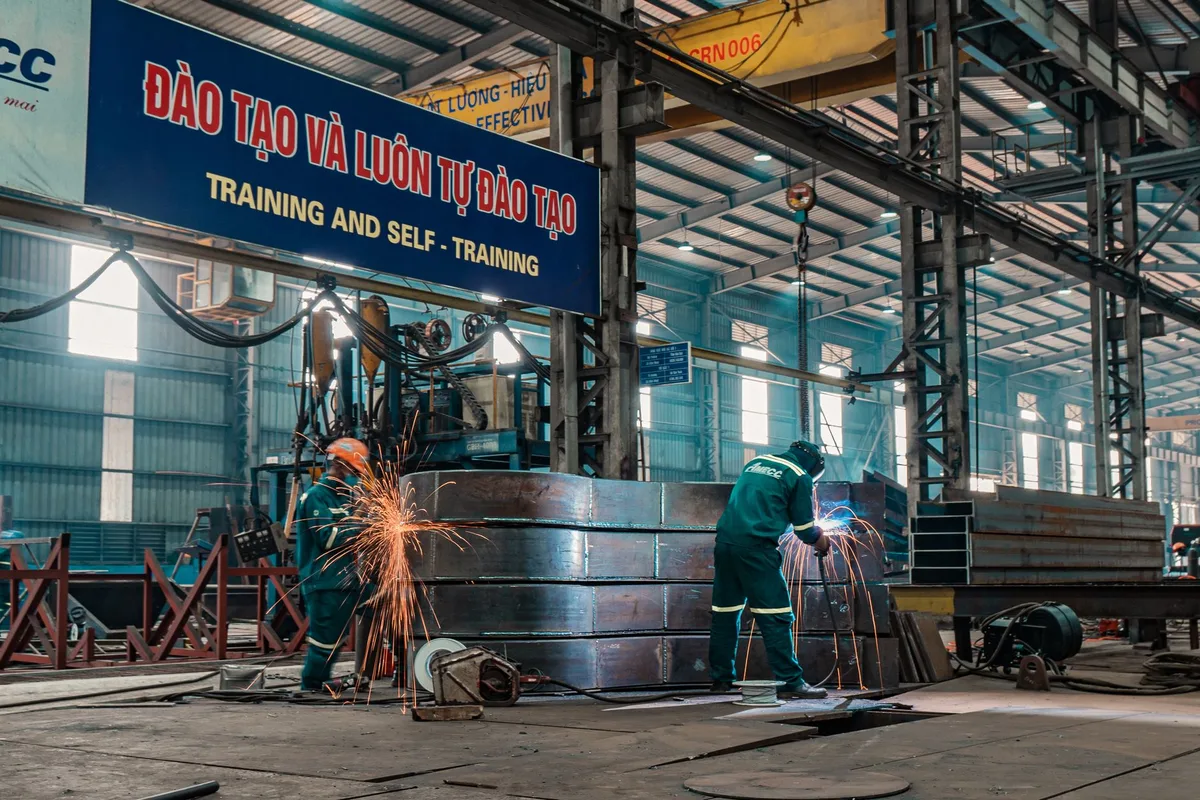
A buyer's guide to Made in Vietnam: what the label means, which products the country manufactures, and how to verify suppliers and origin claims before you order.
Sep 20, 2026
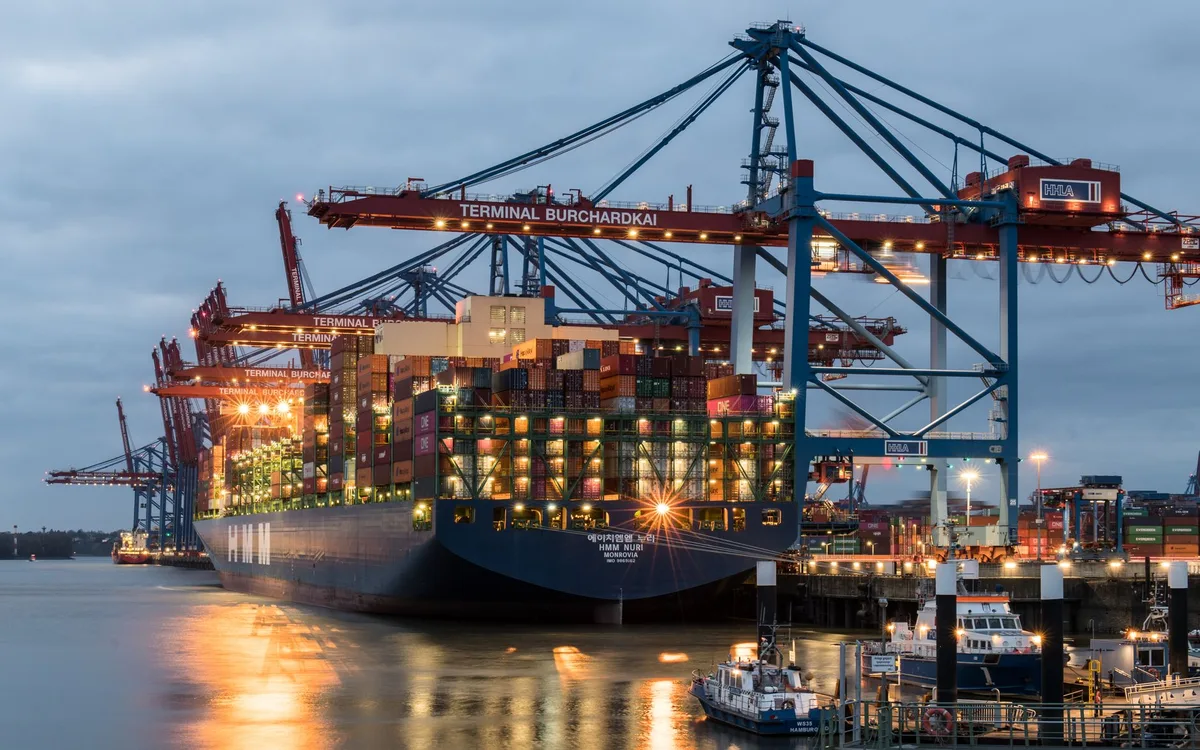
A practical guide to finding, vetting, and ordering from wholesale suppliers anywhere in the world, plus a region-by-region map of where to source what.
Sep 11, 2026