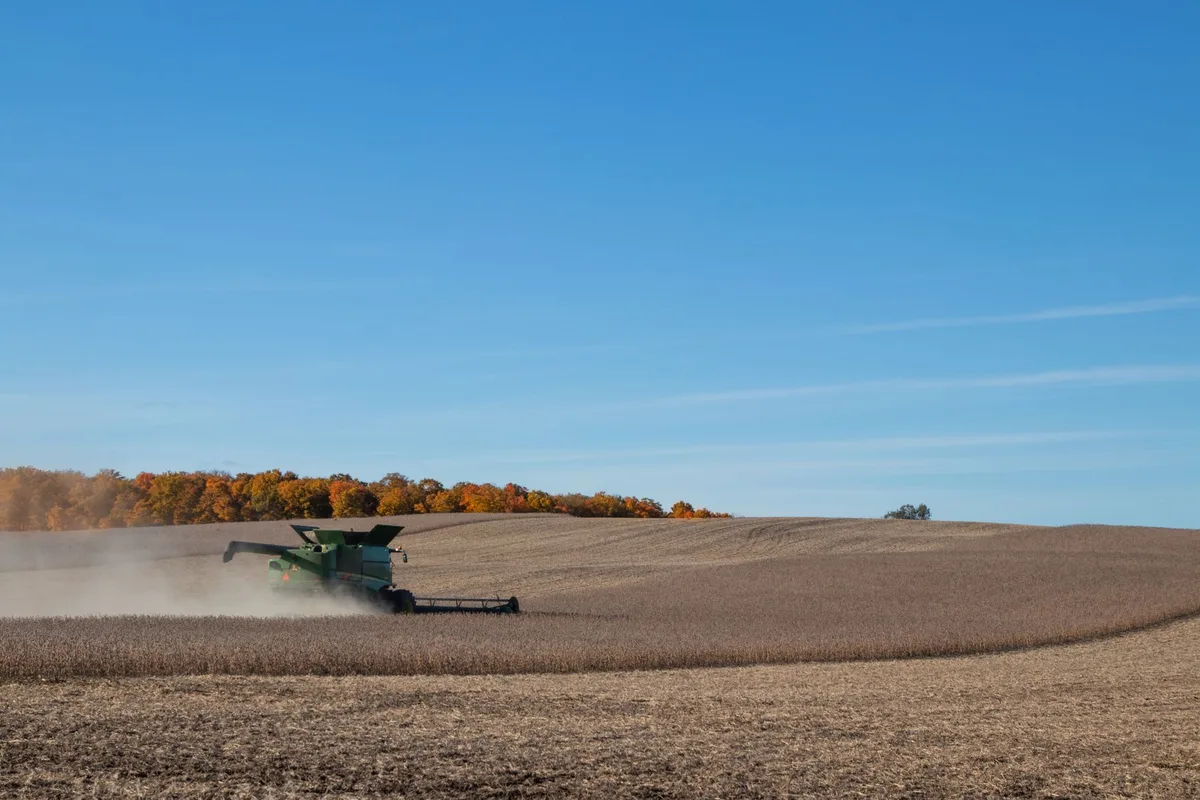
Brazil's Main Export: What It Is and What Buyers Can Source
What is Brazil's main export? A buyer's guide to Brazil's top exports in 2025, why sources rank them differently, who buys them, and how to source Brazilian goods safely.
Sep 26, 2026
Find verified suppliers on Tawaf
Create Free AccountNigeria is Africa's largest charcoal exporter. The country's vast tropical hardwood resources, competitive labor costs, and proximity to major shipping routes have made it a primary source for hardwood charcoal destined for Europe, the Middle East, and Asia. For international buyers seeking high-quality lump charcoal, briquettes, or industrial-grade charcoal, Nigerian suppliers offer compelling value, though navigating quality standards, logistics, and sustainability requirements demands careful preparation.
This guide covers everything you need to know about sourcing charcoal from Nigeria.
Nigeria's charcoal export industry is a multi-billion-naira sector where producers convert tropical hardwood species into lump charcoal and briquettes for international markets, with exports primarily destined for Europe, the Middle East, and North Africa, regulated by the Nigerian Export Promotion Council (NEPC) and subject to forestry management requirements.
Charcoal production in Nigeria has deep historical roots but has grown significantly as an export commodity over the past two decades. The industry employs hundreds of thousands of people across the supply chain, from rural wood harvesters and kiln operators to processors, packers, and logistics providers.
Key facts about Nigerian charcoal exports:
The charcoal export value chain in Nigeria typically flows from rural producers who manage kiln operations, through aggregators who collect and sort charcoal from multiple producers, to exporters who handle grading, packaging, quality control, and shipping logistics.
Nigeria exports primarily hardwood lump charcoal from species like Ayin (Anogeissus leiocarpus), Apa (Afzelia africana), and tropical hardwoods, along with charcoal briquettes made from compressed charcoal dust, with each product serving different end markets from BBQ retail to industrial applications.
Understanding the product types helps you specify exactly what you need:
| Charcoal Type | Description | Primary Markets | Typical Buyers | Price Range (FOB per MT) |
|---|---|---|---|---|
| Hardwood lump charcoal | Large, irregular pieces from whole wood carbonization | Europe, Middle East, Asia | BBQ retailers, restaurants | $350-550 |
| Restaurant-grade lump | Screened large pieces, low dust | Europe, USA, UAE | Restaurants, caterers, premium retail | $450-650 |
| Charcoal briquettes | Compressed charcoal dust with binder | Middle East, Africa, Asia | Consumer retail, outdoor cooking | $250-400 |
| Shisha/hookah charcoal | Specialized briquettes for waterpipe use | Middle East, Europe | Shisha lounges, specialty retail | $500-800 |
| Industrial charcoal | Various grades for metallurgical and chemical use | Global | Steel mills, silicon manufacturers | $200-350 |
| Activated charcoal (raw material) | Base material for activated carbon production | Global | Water treatment, pharmaceutical | $400-700 |
Wood species matter. The species of hardwood used directly affects charcoal quality:
The best Nigerian charcoal producers can specify the wood species used and maintain consistency across shipments.
Join Tawaf and connect with verified businesses across 47 countries. No middlemen, no commissions.
Join Tawaf FreeAssess Nigerian charcoal quality through laboratory testing of fixed carbon content (should exceed 75%), volatile matter, ash content, moisture level, and calorific value, combined with physical inspection of lump size distribution, structural integrity, and absence of foreign materials like soil, bark, or partially carbonized wood.
Quality assessment for charcoal involves both chemical analysis and physical inspection:
Chemical quality parameters:
| Parameter | Premium Grade | Standard Grade | Reject Level | Test Method |
|---|---|---|---|---|
| Fixed carbon | > 80% | 75-80% | < 70% | ASTM D3172 |
| Volatile matter | < 15% | 15-20% | > 25% | ASTM D3175 |
| Ash content | < 3% | 3-5% | > 8% | ASTM D3174 |
| Moisture | < 5% | 5-8% | > 10% | ASTM D3173 |
| Calorific value | > 7,500 kcal/kg | 7,000-7,500 kcal/kg | < 6,500 kcal/kg | ASTM D5865 |
Physical quality checks:
Pre-shipment inspection by a third-party such as SGS, Bureau Veritas, or Intertek is strongly recommended for Nigerian charcoal exports. These companies have offices in Lagos and can conduct both chemical testing and physical inspection at the loading point.
Browse Nigerian suppliers on Tawaf who have been verified and can provide lab test reports with their quotations.
Find reliable Nigerian charcoal exporters through the Nigerian Export Promotion Council's exporter directory, B2B trade platforms, Lagos Chamber of Commerce referrals, Nigerian embassies' trade desks in your country, and through pre-shipment inspection companies who can recommend exporters they have verified.
Sourcing from Nigeria requires more due diligence than established export markets because the industry has many small operators alongside professional exporters. Here is how to identify the professionals:
Verification channels:
NEPC registration. All legitimate Nigerian exporters should be registered with the Nigerian Export Promotion Council. This provides basic verification of the company's existence and export capacity.
CAC registration. Verify the company through the Corporate Affairs Commission (CAC), Nigeria's business registration authority. Request the company's RC (Registration Certificate) number and verify it.
B2B marketplace profiles. Platforms like Tawaf vet suppliers before listing them, providing an additional layer of verification. Look for exporters with completed profile information, product images, and transaction history.
Pre-shipment inspection companies. SGS, Bureau Veritas, and Intertek all have offices in Lagos. They can inspect the charcoal, test quality, verify quantities, and supervise loading. This costs $800-2,000 per container but is essential insurance for new supplier relationships.
Trade references. Ask potential suppliers for references from existing international buyers. Contact those references directly to verify volume, quality consistency, and reliability.
Red flags to avoid:
Nigerian charcoal is typically exported in polypropylene bags (15-25 kg for retail, 30-50 kg for wholesale) packed into 20-foot or 40-foot containers, with each 40-foot container holding approximately 26-30 metric tonnes depending on charcoal density and packaging method.
Packaging significantly affects both quality preservation and customer satisfaction:
Packaging options:
| Packaging Type | Weight | Target Market | Advantages | Disadvantages |
|---|---|---|---|---|
| PP bags (inner lined) | 15-25 kg | Retail distribution | Easy handling, retail-ready | Higher packaging cost per MT |
| PP jumbo bags | 500-1000 kg | Industrial/wholesale | Efficient loading, lower cost | Requires equipment to handle |
| Kraft paper bags | 3-10 kg | Premium retail | Attractive appearance | More expensive, less durable |
| Cardboard boxes | 5-15 kg | Premium retail, EU market | Best presentation | Highest packaging cost |
| Bulk (inner bags in container) | Full container | Industrial | Lowest cost | Manual unloading required |
Container loading:
Shipping routes from Nigeria:
Looking to source hardwood charcoal from Nigeria? Register on Tawaf to connect with verified Nigerian charcoal exporters. Request samples, compare quality specifications, and arrange pre-shipment inspections through our platform.
Exporting charcoal from Nigeria requires NEPC registration, NXP (Nigerian Export Proceeds) form from a licensed bank, Nigeria Customs Service clearance, phytosanitary certificate from NAFDAC/quarantine services, certificate of origin from the Nigerian Chamber of Commerce, and compliance with the importing country's timber and charcoal import regulations.
The documentation chain for Nigerian charcoal exports includes:
Required documents:
Regulatory considerations:
The European Union Deforestation Regulation (EUDR) now requires importers of certain commodities (including wood products) into the EU to demonstrate that products have not contributed to deforestation. While charcoal is not explicitly listed as a primary commodity, it falls under wood products and may require due diligence documentation showing the wood was legally harvested and did not come from deforested land.
This regulation is reshaping the Nigerian charcoal export industry, with forward-thinking exporters establishing traceability systems, forest management plans, and documentation to satisfy EU requirements.
The primary sustainability concerns around Nigerian charcoal are deforestation from unsustainable harvesting, low-efficiency traditional kilns that waste wood and emit pollutants, and lack of replanting programs, though progressive exporters are addressing these through managed woodlots, improved kiln technology, and certification programs.
Sustainability is the elephant in the room for Nigerian charcoal exports. Buyers need to understand the challenges and the solutions:
The challenges:
What responsible exporters are doing:
For buyers, asking the right questions demonstrates your commitment and helps identify responsible suppliers:
Responsible sourcing is increasingly a business requirement, not just an ethical preference. Find verified Nigerian exporters on Tawaf who can document their supply chain.
Nigerian hardwood lump charcoal FOB Lagos prices typically range from $350-650 per metric tonne depending on wood species, quality grade, lump size distribution, and packaging, with premium species like Ayin commanding the highest prices and mixed hardwood blends at the lower end.
Here is a detailed pricing breakdown:
| Product | Species | Grade | FOB Lagos (per MT) | Notes |
|---|---|---|---|---|
| Hardwood lump (Ayin) | Anogeissus leiocarpus | Premium | $500-650 | Highest demand from EU |
| Hardwood lump (Apa) | Afzelia africana | Premium | $450-600 | Popular in Middle East |
| Hardwood lump (mixed) | Various tropical | Standard | $350-450 | Most common export grade |
| Charcoal briquettes | Mixed dust + binder | Standard | $250-400 | Price depends on binder quality |
| Shisha charcoal | Coconut shell + hardwood | Premium | $500-800 | Specialized product |
| Restaurant grade | Selected species | Large lump only | $550-700 | 80%+ pieces > 50mm |
Additional costs to budget for:
Payment terms commonly accepted:
Charcoal shipping from Nigeria requires careful coordination between the exporter, freight forwarder, and customs broker to navigate Apapa Port congestion, ensure proper container fumigation, manage customs documentation through the Nigeria Customs Service NICIS II system, and secure competitive freight rates from Lagos to your destination port.
Logistics from Nigeria can be challenging, but experienced exporters handle it routinely:
Port operations. Apapa Port and Tin Can Island Port in Lagos handle the vast majority of Nigerian charcoal exports. Port congestion has been a historic challenge, though improvements in recent years have reduced delays. Allow 7-14 days for port processing.
Customs clearance. The Nigeria Customs Service uses the NICIS II (Nigeria Customs Information and Communication Infrastructure System) for export processing. Your exporter or their customs broker handles this, but ensure all documentation is prepared in advance.
Freight considerations. Charcoal is classified as a non-hazardous commodity for shipping purposes, but some shipping lines charge a surcharge for carbon products. Compare rates from multiple shipping lines and freight forwarders.
Insurance. Cargo insurance is essential. Nigerian charcoal exports should be covered by marine cargo insurance at a minimum of 110% of invoice value. Institute Cargo Clauses (A) provide the broadest coverage.
Working with suppliers on the Tawaf marketplace who have established export experience ensures smoother logistics and reduces the risk of port delays.
Yes, charcoal export is legal in Nigeria and is encouraged by the government through the NEPC as a non-oil export commodity. However, exporters must comply with forestry regulations, obtain proper permits, and ensure the wood is legally sourced. Some states have restrictions on logging of specific tree species, which exporters must navigate.
Most exporters require a minimum order of one 20-foot container (16-20 MT) or one 40-foot container (26-32 MT). Some exporters will arrange LCL (less than container load) shipments for first-time buyers, typically with a minimum of 5 MT, though the per-tonne cost will be higher due to LCL surcharges and handling.
Use verified B2B platforms, always conduct a pre-shipment inspection through an international agency (SGS, Bureau Veritas), never pay 100% in advance, verify the company through CAC and NEPC records, request video calls showing their production facility and stock, and start with a smaller trial order before committing to large volumes. Escrow services add protection for first transactions.
Look for exporters who can provide laboratory test certificates from accredited labs (NAFDAC-approved or international labs with ISO 17025 accreditation). For EU markets, EUDR compliance documentation is increasingly important. FSC or PEFC certification for sustainable sourcing adds significant value. ISO 9001 quality management certification indicates a professional operation.
Yes, Nigerian hardwood charcoal is used as a raw material for activated carbon production. The high fixed carbon content (75-85%) and low ash content of premium Nigerian hardwood charcoal make it suitable for activation. However, activated carbon production requires specific charcoal specifications (particle size, carbon content, porosity), so discuss requirements in detail with your supplier.
Get Started
Create your free account and start connecting with verified suppliers and buyers worldwide.
Create Free Account
We help businesses navigate cross-border trade. Our team covers supplier verification, trade compliance, and B2B marketplace strategies to connect verified businesses worldwide.
What is Brazil's main export? A buyer's guide to Brazil's top exports in 2025, why sources rank them differently, who buys them, and how to source Brazilian goods safely.
Sep 26, 2026
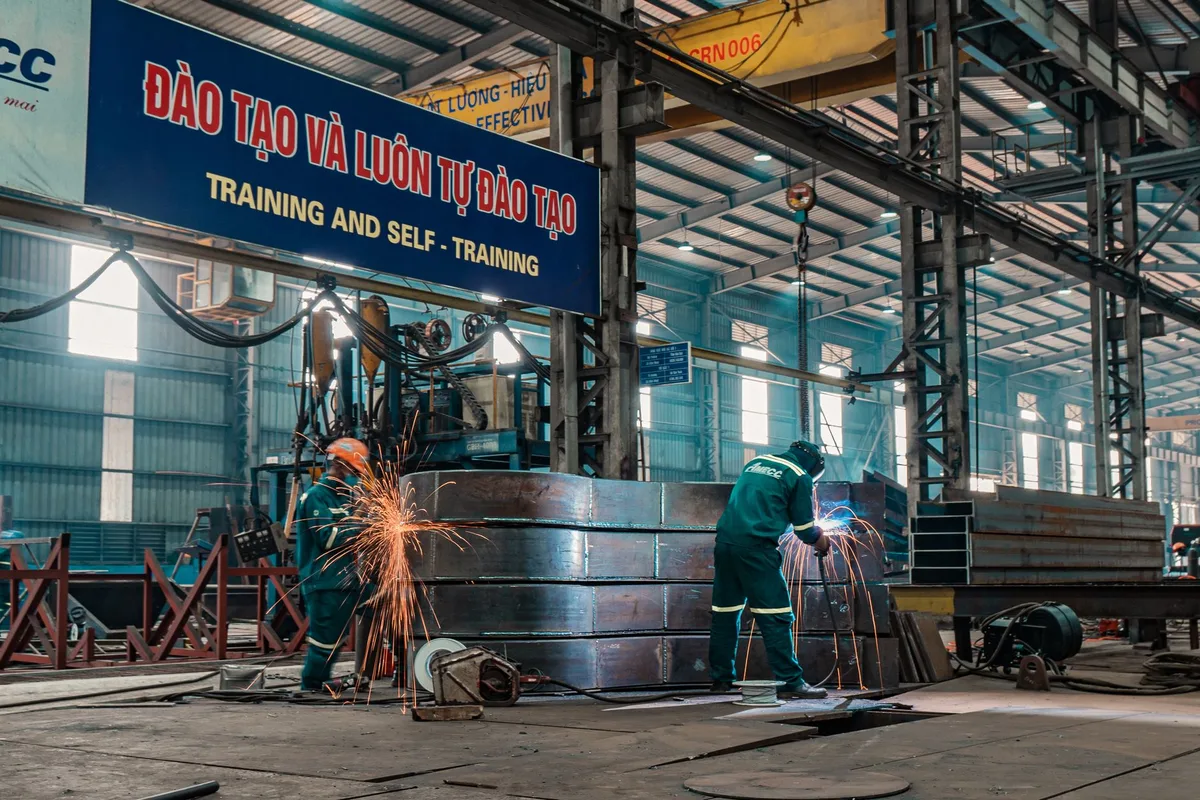
A buyer's guide to Made in Vietnam: what the label means, which products the country manufactures, and how to verify suppliers and origin claims before you order.
Sep 20, 2026
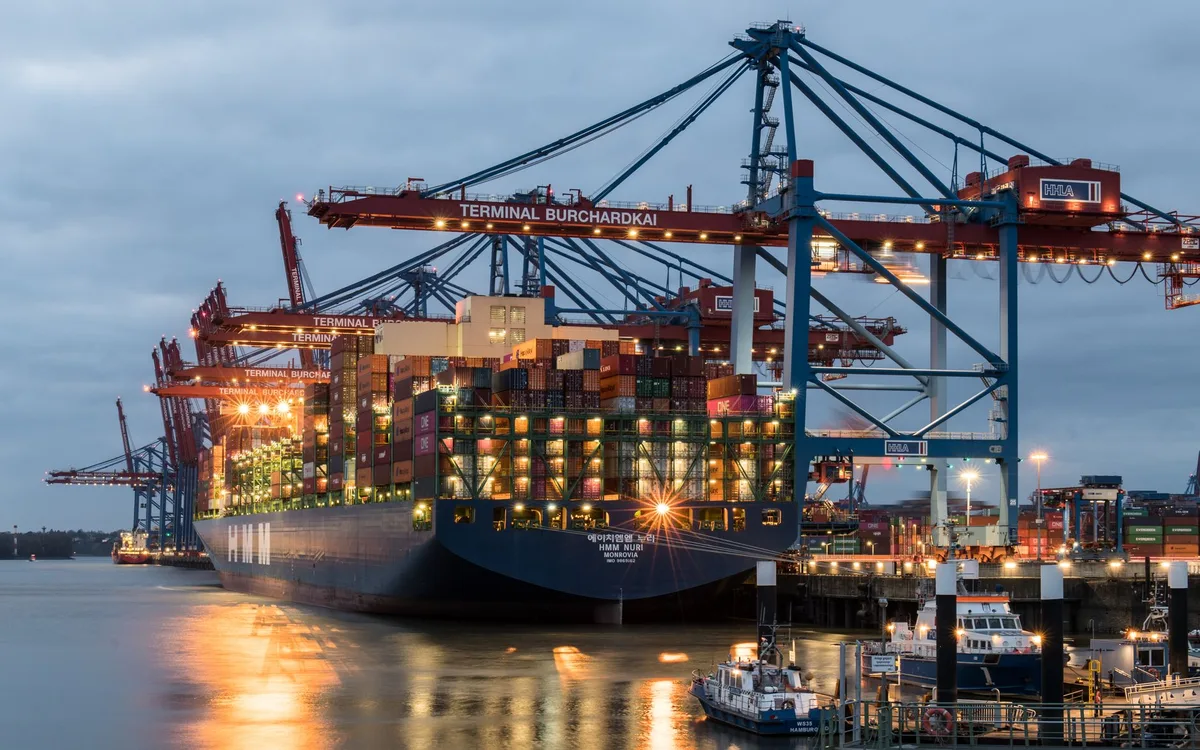
A practical guide to finding, vetting, and ordering from wholesale suppliers anywhere in the world, plus a region-by-region map of where to source what.
Sep 11, 2026