
Brazil's Main Export: What It Is and What Buyers Can Source
What is Brazil's main export? A buyer's guide to Brazil's top exports in 2025, why sources rank them differently, who buys them, and how to source Brazilian goods safely.
Sep 26, 2026
Find verified suppliers on Tawaf
Create Free AccountPakistan trades over $70 billion annually. With a population exceeding 240 million, a strategic location bridging South Asia and the Middle East, and a manufacturing base that spans textiles, surgical instruments, sports goods, and agricultural products, Pakistan is a market that international businesses cannot afford to ignore. Yet navigating its trade landscape requires understanding a unique mix of opportunity and regulation.
This guide breaks down Pakistan's import and export ecosystem, from the products driving trade to the State Bank of Pakistan (SBP) regulations that govern it. Whether you are looking to source from Pakistani manufacturers, sell into the Pakistani market, or establish a trading partnership, this is your roadmap.
Import export Pakistan refers to the complete ecosystem of goods flowing in and out of the country, governed by the State Bank of Pakistan (SBP), Federal Board of Revenue (FBR), and the Ministry of Commerce. Pakistan exported approximately $31 billion and imported roughly $42 billion in goods during fiscal year 2025, making it the 43rd largest trading nation by volume.
Pakistan's trade profile is distinctive. The country is a net importer, meaning it buys more from the world than it sells. This trade deficit, while a macroeconomic challenge, represents opportunity for international suppliers. At the same time, Pakistan's export sectors -- particularly textiles, rice, and surgical instruments -- are globally competitive and represent sourcing opportunities for international buyers.
The trade ecosystem involves several key institutions:
For international businesses, the primary entry points are Karachi (handling approximately 60% of all trade), Port Qasim (25%), and Lahore's dry port and airports for air freight.
Pakistan's top exports are textiles and apparel ($16.5B), rice ($3.5B), leather goods ($800M), surgical instruments ($600M), sports goods ($500M), and seafood ($450M). The largest export destinations are the United States, EU countries, China, the UAE, and the United Kingdom.
Here is a breakdown of Pakistan's major export sectors:
| Export Category | Annual Value (USD) | Key Products | Top Destinations |
|---|---|---|---|
| Textiles & Apparel | $16.5 billion | Yarn, fabric, garments, bed linen, towels | USA, EU, UK, UAE |
| Rice | $3.5 billion | Basmati, IRRI-6, broken rice | China, UAE, Kenya, Indonesia |
| Leather & Leather Goods | $800 million | Finished leather, gloves, footwear, garments | Italy, Germany, USA |
| Surgical Instruments | $600 million | Forceps, scissors, retractors, dental tools | USA, Germany, UK, Japan |
| Sports Goods | $500 million | Footballs, gloves, sportswear, equipment | USA, EU, Australia |
| Seafood | $450 million | Shrimp, fish, crab | China, Thailand, Vietnam |
| Chemicals & Pharma | $400 million | Pharmaceuticals, dyes, chemicals | Afghanistan, Africa, Central Asia |
| Fruits & Vegetables | $350 million | Mangoes, dates, citrus, onions | UAE, UK, Afghanistan, Saudi Arabia |
| Cement | $300 million | Portland cement, clinker | Afghanistan, Africa, Sri Lanka |
| IT Services | $2.8 billion | Software development, BPO, digital services | USA, EU, UAE |
Textiles are Pakistan's crown jewel. The country is the world's fourth-largest cotton producer and has a fully integrated textile value chain from raw cotton to finished garments. Pakistani bed linen, towels, and denim are found in homes and stores worldwide.
Sialkot deserves special mention. This single city in Punjab produces approximately 70% of the world's hand-stitched footballs, a significant share of global surgical instrument output, and is a major center for leather goods and sports equipment.
For businesses looking to source Pakistani products, the Tawaf supplier directory includes verified Pakistani manufacturers across these categories.
Join Tawaf and connect with verified businesses across 47 countries. No middlemen, no commissions.
Join Tawaf FreePakistan's top imports are petroleum products ($15B), machinery and electrical equipment ($8B), iron and steel ($3.5B), edible oils ($3B), chemicals ($2.8B), and vehicles ($2B). China is the largest source at 28% of imports, followed by the UAE, Saudi Arabia, Indonesia, and the USA.
Pakistan's import structure reflects its development stage and resource endowments:
| Import Category | Annual Value (USD) | Key Products | Major Sources |
|---|---|---|---|
| Petroleum & Energy | $15 billion | Crude oil, LNG, diesel, furnace oil | UAE, Saudi Arabia, Kuwait |
| Machinery & Equipment | $8 billion | Power generation, textile machinery, construction equipment | China, Japan, Germany |
| Iron & Steel | $3.5 billion | Steel scrap, billets, coils, plates | China, Russia, Ukraine |
| Edible Oils | $3 billion | Palm oil, soybean oil | Indonesia, Malaysia |
| Chemicals | $2.8 billion | Plastics, fertilizers, pharmaceuticals | China, Saudi Arabia, UAE |
| Vehicles & Parts | $2 billion | Cars, trucks, buses, auto parts | Japan, China, South Korea |
| Food Products | $1.5 billion | Pulses, tea, spices, dry fruits | Australia, Kenya, Tanzania |
| Electronics & Telecom | $1.5 billion | Mobile phones, computers, telecom equipment | China, South Korea, Vietnam |
| Textiles (raw materials) | $1 billion | Synthetic fiber, polyester, dyes | China, India, Germany |
| Paper & Paperboard | $500 million | Printing paper, packaging | China, Indonesia, Finland |
The China-Pakistan Economic Corridor (CPEC) has significantly increased Chinese goods flowing into Pakistan, particularly in machinery, infrastructure materials, and consumer electronics. The CPEC investment portfolio, valued at over $60 billion, has created massive demand for construction materials, power generation equipment, and related imports.
The State Bank of Pakistan (SBP) regulates all foreign exchange transactions related to trade. Key regulations include mandatory use of the banking channel for payments above $10,000, LC margin requirements, import financing restrictions, export proceeds repatriation deadlines, and foreign exchange controls that affect pricing and payment terms.
Understanding SBP regulations is critical for anyone trading with Pakistan:
For Imports:
For Exports:
Payment Methods Ranked by Prevalence:
| Payment Method | Frequency | Risk Level (for Supplier) | Typical Use |
|---|---|---|---|
| Letter of Credit (LC) | Most common for imports | Low | Large orders, new relationships |
| Documents Against Payment (DA/DP) | Common | Medium | Established relationships |
| Telegraphic Transfer (advance) | Growing | Very low | Smaller orders, trusted suppliers |
| Open Account | Less common | High | Long-term partnerships |
| LC at Sight | Common for exports | Low | Standard export transactions |
International suppliers should note that Pakistan's foreign exchange situation can affect payment speed. During periods of low foreign reserves, the SBP may slow down outward remittances, causing delays in payment processing.
Pakistan has free trade agreements (FTAs) with China, Malaysia, Sri Lanka, and Indonesia. It has preferential trade agreements (PTAs) with Iran, Mauritius, and several other countries. Pakistan is also a member of SAFTA (South Asian Free Trade Area) and the ECO Trade Agreement covering Central Asian nations.
These agreements significantly affect duty rates and competitive positioning:
China-Pakistan FTA (Phase II): The most impactful trade agreement. China eliminated or reduced tariffs on approximately 75% of Pakistani exports. Pakistan reciprocated on Chinese goods. This agreement, combined with CPEC, has made China Pakistan's dominant trade partner.
SAFTA: The South Asian Free Trade Area includes India, Bangladesh, Sri Lanka, Nepal, Bhutan, and the Maldives. However, India-Pakistan trade under SAFTA has been limited by bilateral political tensions. Pakistan suspended trade with India in 2019, though indirect trade continues through the UAE and other intermediaries.
Pakistan-Malaysia FTA: Covers palm oil imports (critical for Pakistan) and Malaysian market access for Pakistani goods.
GSP Plus (EU): Pakistan benefits from the EU's Generalized Scheme of Preferences Plus, which provides duty-free or reduced-duty access to the EU for approximately 66% of all tariff lines. This is particularly important for textile exports, which would otherwise face duties of 8-12%.
For suppliers looking to sell to Pakistani importers, understanding these agreements helps with competitive pricing. If your country has a trade agreement with Pakistan, your goods may face lower duties than competitors from non-agreement countries.
Browse Pakistani suppliers and buyers on the Tawaf suppliers-by-country page to find verified trade partners.
Want to connect with Pakistani importers or exporters? Sign up on Tawaf to access verified business profiles, post trade requirements, and start building partnerships with Pakistani companies today.
High-growth import opportunities include renewable energy equipment, agricultural machinery, healthcare and medical devices, IT infrastructure, food processing equipment, and automotive components -- driven by population growth, urbanization, and government development programs.
Pakistan's market of 240+ million people with a median age of 22 creates enormous demand across sectors:
Renewable Energy: Pakistan aims to generate 60% of electricity from renewable sources by 2030. Solar panel imports have surged, and wind turbine components are in high demand. The Quaid-e-Azam Solar Park in Punjab and wind corridors in Sindh represent major ongoing procurement.
Agricultural Modernization: With agriculture employing 37% of the workforce but contributing only 22% of GDP, modernization is a national priority. Demand for tractors, harvesters, irrigation equipment, and food processing machinery is growing rapidly.
Healthcare: Pakistan's healthcare spending is growing at 8-10% annually. Medical device imports, pharmaceutical ingredients, hospital equipment, and diagnostic systems are all in high demand.
Construction Materials: Urbanization and CPEC-related infrastructure projects drive demand for steel, cement additives, glass, elevators, HVAC systems, and building materials.
Consumer Electronics: A young, increasingly digital population drives demand for smartphones, computers, and related accessories, though periodic import restrictions can create uncertainty.
The most effective channels for finding Pakistani trade partners include B2B platforms like Tawaf, TDAP (Trade Development Authority of Pakistan) exhibitions, Karachi and Lahore Chambers of Commerce, industry associations like the All Pakistan Textile Mills Association (APTMA), and direct referrals from embassy trade sections.
Practical approaches to partner discovery:
B2B Platforms: Digital marketplaces have become the primary channel for international buyer-supplier matching. Tawaf's platform allows you to search for Pakistani suppliers by product category, verify their credentials, and initiate direct communication. For a broader overview of how these platforms work, see the Tawaf B2B marketplace page.
TDAP Exhibitions: TDAP organizes and sponsors Pakistani participation in international trade fairs. They also host events like TEXPO (textiles), IDEAS (defense), and various sector-specific exhibitions in Karachi and Lahore.
Industry Associations:
Chamber Networks: The Federation of Pakistan Chambers of Commerce and Industry (FPCCI) and its regional chapters can facilitate introductions and provide market intelligence.
Embassy Trade Offices: Pakistan's commercial sections in embassies abroad actively facilitate trade connections, and the Pakistan Board of Investment provides resources for foreign businesses entering the market.
Primary challenges include foreign exchange volatility and controls, complex regulatory requirements, inconsistent policy enforcement, logistics bottlenecks at Karachi port, political and security risk perceptions, and energy shortages that affect manufacturing reliability.
Honest assessment of challenges helps you plan:
Foreign Exchange: The Pakistani rupee has been volatile, depreciating significantly in recent years. This creates both risk and opportunity -- your goods become more expensive for Pakistani importers when the rupee weakens, but Pakistani exports become cheaper for you to source. Hedging strategies and USD-denominated contracts are common.
Regulatory Complexity: Multiple agencies with overlapping jurisdictions can create delays and uncertainty. The Single Window initiative (Pakistan Customs) is improving clearance times but implementation is ongoing.
Logistics: Karachi port handles approximately 60% of all trade but faces chronic congestion. Average container dwell times of 7-10 days are common, with periodic spikes during peak seasons.
Energy: While improving, Pakistan still faces energy shortages that can affect manufacturing output. Reliable Pakistani manufacturers have invested in backup generation (often natural gas or solar), but this adds to production costs.
Banking: Corresponding banking relationships between Pakistani banks and international banks have been affected by compliance concerns. This can slow down payment processing, particularly for first-time transactions.
According to the World Trade Organization, Pakistan has made significant progress in trade facilitation reforms, reducing average clearance times by 35% between 2020 and 2025.
Standard payment instruments include Letters of Credit (preferred by SBP), Documents Against Payment/Acceptance, advance TT payments, and export factoring. The SBP mandates banking channel use for all transactions above $10,000 and requires export proceeds repatriation within 120-180 days.
Payment structuring for Pakistan trade:
| Scenario | Recommended Payment Method | Notes |
|---|---|---|
| First import from Pakistan | LC at Sight | Protects both parties |
| Established import relationship | DA/DP or TT | Reduces banking costs |
| First export to Pakistan | TT advance (30-50%) + LC balance | Mitigates FX risk |
| Large project supplies | Deferred LC (90-180 days) | Align with project cash flows |
| Ongoing supply contracts | Open account with credit insurance | Only for trusted partners |
Practical Tips:
Technically, no -- a foreign company can directly supply goods to a Pakistani importer who handles customs clearance. However, having a local clearing agent (customs broker) is practically essential for navigating FBR procedures. For ongoing business, appointing a local distributor or establishing a liaison office provides better market access and relationship management.
Pakistan uses a multi-tiered tariff structure. Rates range from 0% (essential raw materials, medical equipment) to 30% (finished consumer goods). Additional taxes include regulatory duty (0-45% on selected items), sales tax (18% standard rate), withholding tax (various rates), and federal excise duty (on specific products). The total landed cost including all taxes can add 40-70% to the FOB price for consumer goods.
Green channel (compliant, low-risk shipments): 3-5 business days. Standard clearance: 7-10 business days. Red channel (requiring physical inspection): 10-15 business days or more. Using a reputable clearing agent and ensuring all documentation is complete before arrival significantly reduces clearance time.
Pakistan is a significant trading nation with well-established commercial banking infrastructure. Millions of trade transactions are completed successfully every year. The key is to use proper banking instruments (LCs for new relationships), work with verified trade partners, and understand the regulatory framework. Platforms like Tawaf help mitigate risk by connecting you with verified businesses.
Business visas are readily available for most nationalities. Karachi and Lahore are the primary business cities. Direct flights from Dubai, Istanbul, London, and many Asian cities are frequent. Business culture values personal relationships -- an in-person visit, especially to manufacturing facilities, significantly strengthens partnerships. TDAP and local chambers can help arrange factory visits and meetings.
Get Started
Create your free account and start connecting with verified suppliers and buyers worldwide.
Create Free Account
We help businesses navigate cross-border trade. Our team covers supplier verification, trade compliance, and B2B marketplace strategies to connect verified businesses worldwide.
What is Brazil's main export? A buyer's guide to Brazil's top exports in 2025, why sources rank them differently, who buys them, and how to source Brazilian goods safely.
Sep 26, 2026
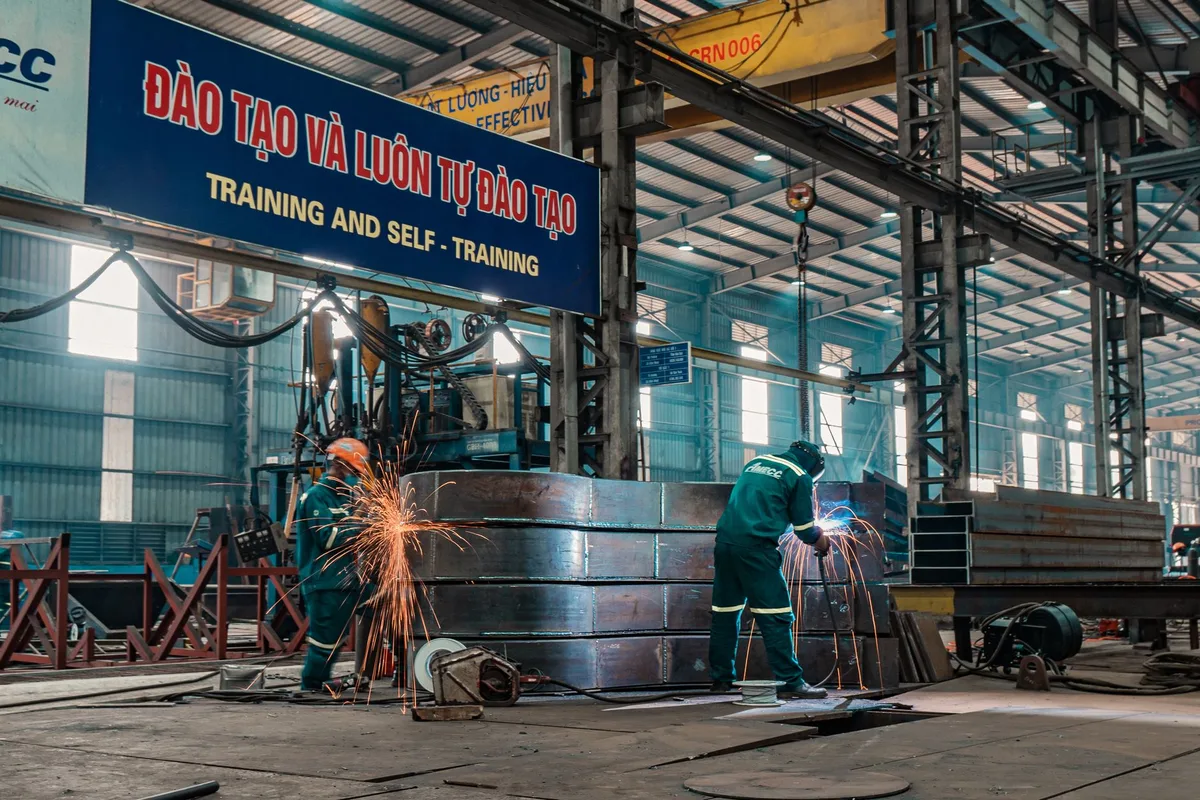
A buyer's guide to Made in Vietnam: what the label means, which products the country manufactures, and how to verify suppliers and origin claims before you order.
Sep 20, 2026
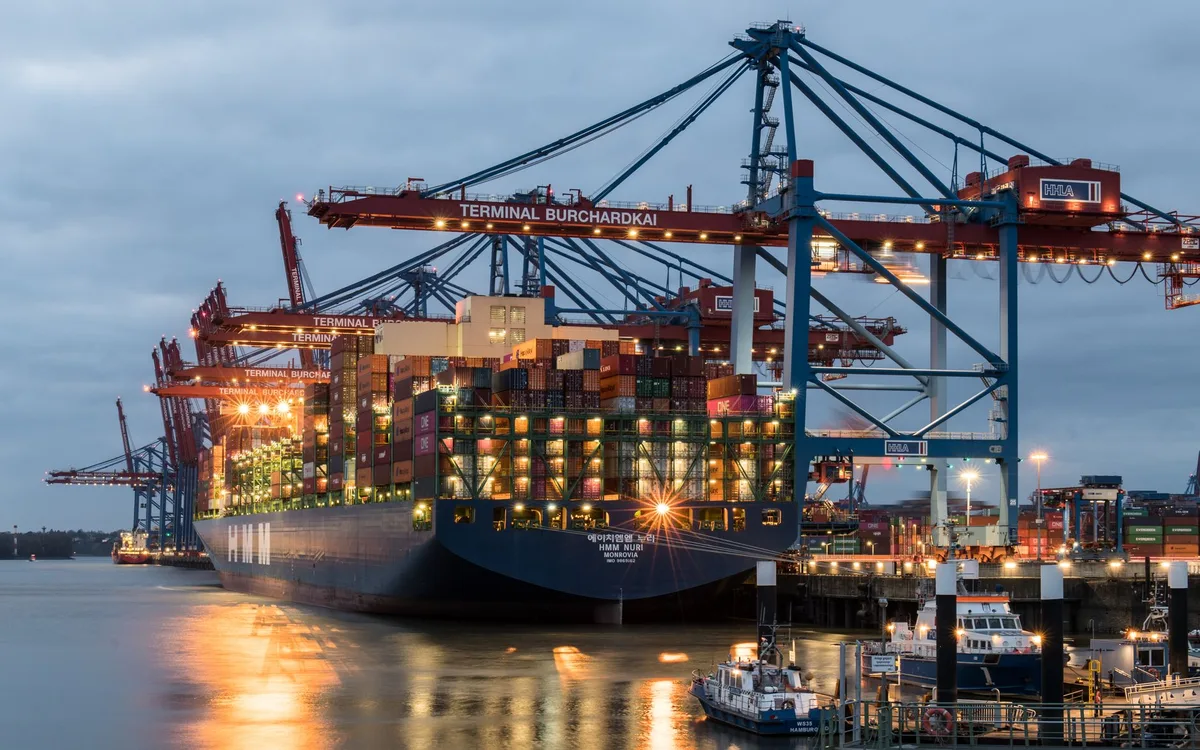
A practical guide to finding, vetting, and ordering from wholesale suppliers anywhere in the world, plus a region-by-region map of where to source what.
Sep 11, 2026