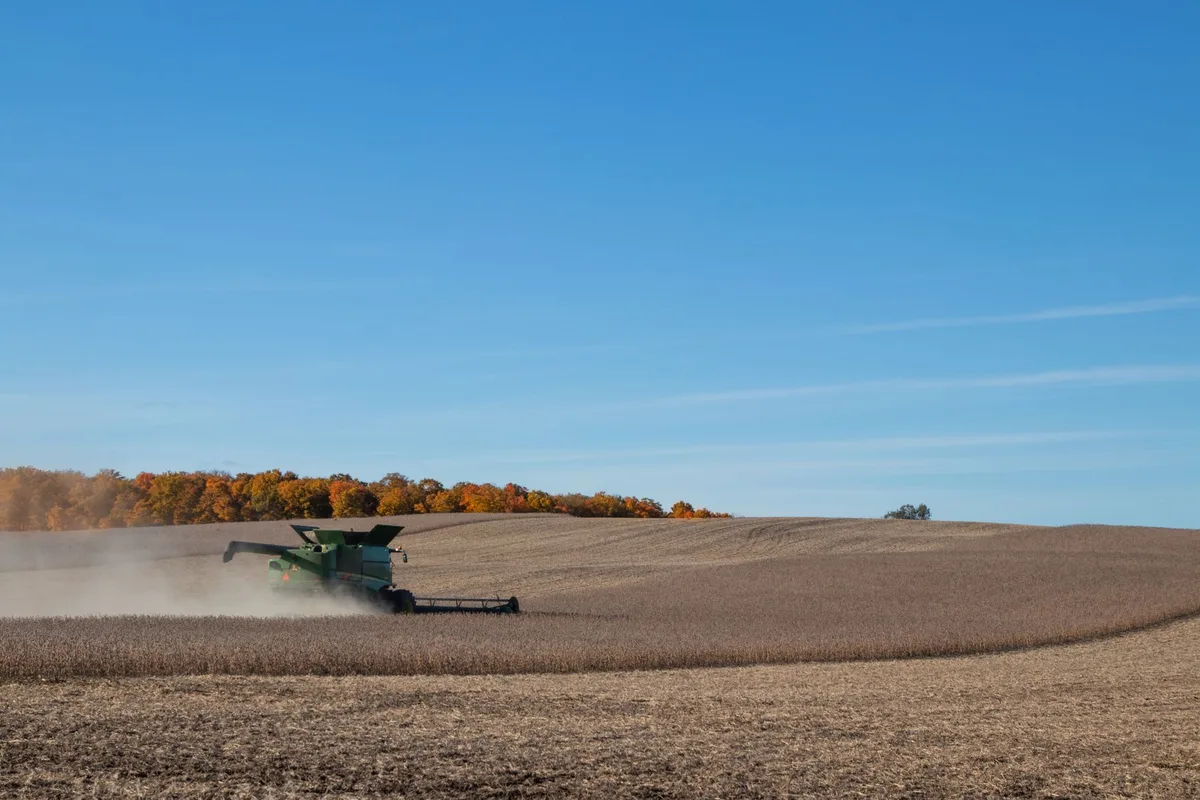
Brazil's Main Export: What It Is and What Buyers Can Source
What is Brazil's main export? A buyer's guide to Brazil's top exports in 2025, why sources rank them differently, who buys them, and how to source Brazilian goods safely.
Sep 26, 2026
Find verified suppliers on Tawaf
Create Free AccountIndia dresses the world. The country's textile and apparel industry generates over $150 billion in domestic market value and exports approximately $40 billion annually, making India the world's second-largest textile exporter after China. Behind these numbers lies a vast network of apparel wholesalers operating from bustling market districts in Surat, Tirupur, Delhi, and Mumbai -- each with its own specializations, price points, and sourcing advantages.
For international buyers, Indian apparel wholesale offers a compelling proposition: enormous variety, competitive pricing, flexible order quantities (especially compared to Chinese minimums), and a manufacturing base that spans every garment category from basic cotton t-shirts to embellished bridal wear. The challenge is navigating this fragmented, relationship-driven market efficiently.
This guide maps India's major apparel wholesale hubs, explains how each market works, and gives you practical strategies for sourcing effectively.
Apparel wholesalers in India are businesses that sell clothing and fashion products in bulk quantities to retailers, e-commerce sellers, exporters, and institutional buyers. They range from large manufacturer-wholesalers with their own production facilities to trading companies that aggregate products from multiple small manufacturers, to market-based wholesalers operating from shops in India's famous garment market districts.
India's apparel wholesale ecosystem is layered and complex:
Manufacturer-Wholesalers: These are garment factories that also sell directly to bulk buyers. They offer the best pricing because there is no middleman, but typically require larger MOQs (500-5,000 pieces per style) and longer lead times. Concentrated in manufacturing hubs like Tirupur (knitwear), Ludhiana (woolens), and Noida (wovens).
Market-Based Wholesalers: Operating from shops in famous market districts (Surat's textile markets, Delhi's Karol Bagh and Gandhi Nagar, Mumbai's Crawford Market), these wholesalers stock finished garments from dozens of manufacturers. They offer lower MOQs (often 50-200 pieces), immediate availability, and enormous variety. Pricing is higher than factory direct but still very competitive.
Export Houses: Licensed export companies that handle international orders end-to-end: sourcing, manufacturing, quality control, compliance, and shipping. They add a layer of cost (15-25% margin) but provide international-standard communication, documentation, and quality assurance.
Online Wholesalers: A growing segment of Indian apparel wholesalers now operate through B2B platforms, offering online catalogs, digital ordering, and shipping services. This makes Indian wholesale accessible to international buyers who cannot visit markets in person.
| Wholesaler Type | Typical MOQ | Price Level | Lead Time | Best For |
|---|---|---|---|---|
| Manufacturer-Wholesaler | 500 - 5,000 pcs | Lowest | 3-6 weeks | Large bulk orders, custom manufacturing |
| Market Wholesaler | 50 - 200 pcs | Low-Medium | Immediate - 1 week | Variety, small retailers, testing styles |
| Export House | 300 - 3,000 pcs | Medium | 4-8 weeks | International orders with compliance |
| Online B2B Platform | Varies | Medium | 1-3 weeks | Remote sourcing, first-time buyers |
For a broad view of Indian suppliers across all industries, the Tawaf supplier directory lets you search by product category and location.
India's top four apparel wholesale hubs are Surat (sarees, dress materials, synthetic fabrics), Tirupur (knitwear and cotton garments), Delhi (Karol Bagh for women's fashion, Gandhi Nagar for all categories), and Mumbai (Crawford Market and Mangaldas Market for mixed apparel). Each hub specializes in different product categories and serves different buyer profiles.
Let us explore each hub:
Surat is India's textile capital and the undisputed center of the saree and dress material market. Key facts:
Surat is unique because it is both a manufacturing center and a wholesale market. Many wholesalers own or are directly linked to weaving and processing units, which cuts out middlemen and keeps pricing sharp.
Tirupur produces approximately 50% of India's total knitwear exports. Key facts:
Tirupur is less of a walk-in wholesale market and more of a manufacturing hub. International buyers typically work with Tirupur's export houses, which handle everything from sampling to shipment.
Delhi's garment markets are the most diverse in India. Key areas:
Delhi's advantage is variety. You can source traditional Indian wear, Western fashion, children's clothing, sportswear, and uniforms -- all within a few square kilometers.
Mumbai's wholesale garment markets serve western India and have strong connections to international trade. Key areas:
Join Tawaf and connect with verified businesses across 47 countries. No middlemen, no commissions.
Join Tawaf FreeIndia's wholesale apparel range is among the broadest globally, covering ethnic wear (sarees, kurtis, salwar kameez, lehengas), Western wear (t-shirts, jeans, dresses, jackets), knitwear (all cotton and blended products), denim, workwear and uniforms, children's clothing, activewear, innerwear, and accessories. India is particularly competitive in cotton-based garments and embellished/embroidered fashion.
Product category breakdown:
| Category | Key Products | Best Sourcing Hub | Price Range (FOB per unit) | MOQ |
|---|---|---|---|---|
| Women's Ethnic Wear | Sarees, kurtis, suits, lehengas | Surat, Delhi, Jaipur | $3 - $50 | 50 - 500 |
| Men's Ethnic Wear | Kurtas, sherwanis, nehru jackets | Delhi, Kolkata | $5 - $40 | 100 - 500 |
| T-shirts & Polo Shirts | Cotton, polyester, blended | Tirupur, Ludhiana | $1.50 - $6 | 300 - 3,000 |
| Denim & Jeans | Men's, women's, children's | Delhi NCR, Mumbai, Ahmedabad | $4 - $12 | 300 - 2,000 |
| Dresses & Tops | Casual, formal, party wear | Delhi, Mumbai, Bangalore | $3 - $20 | 200 - 1,000 |
| Children's Clothing | All categories | Tirupur, Kolkata, Delhi | $1 - $5 | 300 - 2,000 |
| Knitwear (sweaters, woolens) | Sweaters, cardigans, shawls | Ludhiana, Delhi | $3 - $15 | 300 - 1,500 |
| Activewear & Sportswear | Leggings, shorts, jerseys | Tirupur, Delhi | $2 - $8 | 500 - 3,000 |
| Uniforms & Workwear | Industrial, hospital, school | Delhi NCR, Bangalore | $3 - $15 | 500 - 5,000 |
| Innerwear & Socks | Underwear, bras, socks | Tirupur, Kolkata | $0.50 - $4 | 500 - 5,000 |
India's Competitive Advantages by Category:
The process involves research and shortlisting, direct market visits or remote sourcing through B2B platforms, sample evaluation, price negotiation (expect 10-30% discount from initial quotes for bulk orders), quality inspection, and logistics arrangement. Payment is typically by bank transfer for export orders, with 30% advance and 70% against shipment being standard terms.
Step-by-step buying process:
Step 1: Define Your Requirements Before approaching wholesalers, clearly define:
Step 2: Identify and Contact Suppliers Options include:
Step 3: Request and Evaluate Samples
Step 4: Negotiate and Place Order
Step 5: Quality Control
Looking for Indian apparel wholesalers? Create your free Tawaf account and connect with verified garment manufacturers and wholesalers across India's major production hubs. Post your requirements and receive competitive quotes.
Export-quality Indian apparel must meet destination market requirements including fiber content labeling, care labeling (ASTM D5489 for US, ISO 3758 for EU), colorfastness testing (ISO 105), dimensional stability (shrinkage within tolerance), flammability standards (US CPSA for children's wear), and chemical safety standards (REACH for EU, CPSIA for US). Many buyers also require social compliance audits (BSCI, WRAP, Sedex).
Quality checklist for international buyers:
| Standard | Requirement | Market | Test Method |
|---|---|---|---|
| Fiber Content | Accurate labeling of textile composition | All | ISO 1833, AATCC 20A |
| Colorfastness (washing) | Grade 3-4 minimum | All | ISO 105-C06 |
| Colorfastness (rubbing) | Grade 3-4 minimum | All | ISO 105-X12 |
| Dimensional Stability | Max 3-5% shrinkage after washing | All | ISO 5077 |
| Pilling Resistance | Grade 3-4 minimum | All | ISO 12945 |
| Tensile Strength | Product-specific minimums | All | ISO 13934 |
| Flammability | Children's wear requirements | USA, EU | 16 CFR 1610, EN 14878 |
| AZO Dyes | Banned (carcinogenic) | EU, many markets | ISO 14362 |
| Formaldehyde | Below 75 ppm (adult), 20 ppm (baby) | EU, many markets | ISO 14184 |
| Nickel Release | Below 0.5 ug/cm2/week (accessories) | EU | EN 1811 |
| REACH Compliance | No restricted substances above limits | EU | Various |
| CPSIA Compliance | Lead content below 100 ppm (children's) | USA | CPSC-CH-E1001 |
Social Compliance: Many international retailers require social compliance audits of their Indian suppliers:
Indian export houses catering to major brands typically maintain multiple certifications. Market-based wholesalers may have limited formal compliance -- factor this into your sourcing decision based on your market requirements.
Indian apparel wholesale pricing is determined by fabric cost (40-55% of garment cost), labor (15-25%), trims and accessories (5-10%), overhead and margin (15-25%). India is competitive globally due to domestic cotton availability, lower labor costs than China, and a full vertical supply chain. Typical FOB prices range from $1.50 for basic t-shirts to $50+ for embellished ethnic wear.
Understanding cost structure helps you negotiate effectively:
Fabric Cost Drivers:
Labor Cost Context: India's garment worker wages average $200-$350 per month depending on region and skill level. This is lower than China ($500-$800) but higher than Bangladesh ($120-$200) and Ethiopia ($60-$100). India compensates with higher productivity and skill levels, particularly for complex and embellished garments.
Negotiation Tips:
For exploring wholesale options across different product categories, check Tawaf's wholesale products section.
Key challenges include lead time management (4-8 weeks production plus 3-6 weeks shipping), quality consistency across large orders, customs documentation complexity, size and fit variations between Indian and Western sizing standards, and the need for clear labeling and packaging specifications that meet destination market requirements.
Practical logistics guidance:
Shipping Options:
Documentation: Standard export documentation includes:
Common Pitfalls:
Working with an experienced freight forwarder who handles Indian garment exports regularly can prevent most logistics issues.
Key trends include rapid digitization of wholesale (B2B platforms replacing physical market visits), rising demand for sustainable and organic fashion, growth of athleisure and casual wear segments, increasing compliance requirements from international buyers, and the shift of orders from China to India as global brands diversify their supply chains (China+1 strategy).
The market is changing fast:
China+1 Strategy: Global brands are actively diversifying away from China-dependent supply chains. India is a primary beneficiary of this shift, with apparel export orders growing 15-20% annually from brands previously manufacturing exclusively in China. This is increasing capacity utilization, investment in new facilities, and quality improvements across India's garment sector.
Digital Wholesale: Traditional Indian wholesale required physical market visits. Increasingly, B2B platforms enable remote sourcing. Tawaf and similar B2B marketplace platforms allow international buyers to discover, compare, and order from Indian wholesalers without traveling to Surat or Tirupur.
Sustainability: India has more GOTS-certified organic textile facilities than any other country. Demand for organic cotton, recycled polyester, natural dyes, and sustainable production practices is growing from European and North American buyers. Indian manufacturers are responding with dedicated sustainable production lines.
Technical Textiles: India's government is investing heavily in technical textiles (protective clothing, medical textiles, sportswear fabrics) through the National Technical Textiles Mission. This is expanding India's capabilities beyond traditional fashion into performance wear and specialized apparel.
Yes, increasingly so. B2B platforms like Tawaf allow you to browse supplier profiles, view product catalogs, and place inquiries online. Many market wholesalers now have WhatsApp catalogs and social media presence. However, for first-time sourcing, especially for fashion-sensitive products, an in-person visit (or engaging a trusted local sourcing agent) is strongly recommended to evaluate fabric hand-feel, color accuracy, and overall quality.
Market wholesalers: 50-200 pieces per style (sometimes per color). Manufacturer-wholesalers: 300-1,000 pieces per style. Export houses: 500-5,000 pieces per style. Tirupur knitwear factories: 300-3,000 pieces per style. Custom manufacturing with your own designs: 500-2,000 pieces per style (higher for complex garments). MOQs are generally more flexible in India than in China, especially for embellished and ethnic wear.
Always provide your exact size specifications (measurements in cm/inches) rather than relying on generic sizes. Create a detailed tech pack with measurements, tolerances, and fit notes. Request a pre-production size set (one of each size) for approval before bulk production. Common issues: Indian manufacturers may use different grading rules between sizes, and body fit assumptions may differ. A good tech pack prevents most sizing problems.
For domestic purchases in markets: cash or bank transfer (NEFT/RTGS/UPI). For export orders: bank transfer (TT/wire) is most common, with 30% advance and 70% before shipment. Letters of credit are used for large orders ($25,000+). PayPal and other digital payment methods are accepted by some online wholesalers. Always get a proforma invoice before making any payment and ensure the bank account matches the company name on the invoice.
Prevention is better than cure: invest in clear specifications, sample approval, and pre-shipment inspection. For issues that arise, contact the supplier immediately with photos and documentation. Most reputable suppliers will offer partial refunds, credits, or replacements. For ongoing relationships, establish a quality agreement that defines acceptable defect rates (typically 2-3% AQL), inspection procedures, and resolution mechanisms. Third-party inspection before shipment is the most effective way to catch issues before they become problems.
Get Started
Create your free account and start connecting with verified suppliers and buyers worldwide.
Create Free Account
We help businesses navigate cross-border trade. Our team covers supplier verification, trade compliance, and B2B marketplace strategies to connect verified businesses worldwide.
What is Brazil's main export? A buyer's guide to Brazil's top exports in 2025, why sources rank them differently, who buys them, and how to source Brazilian goods safely.
Sep 26, 2026
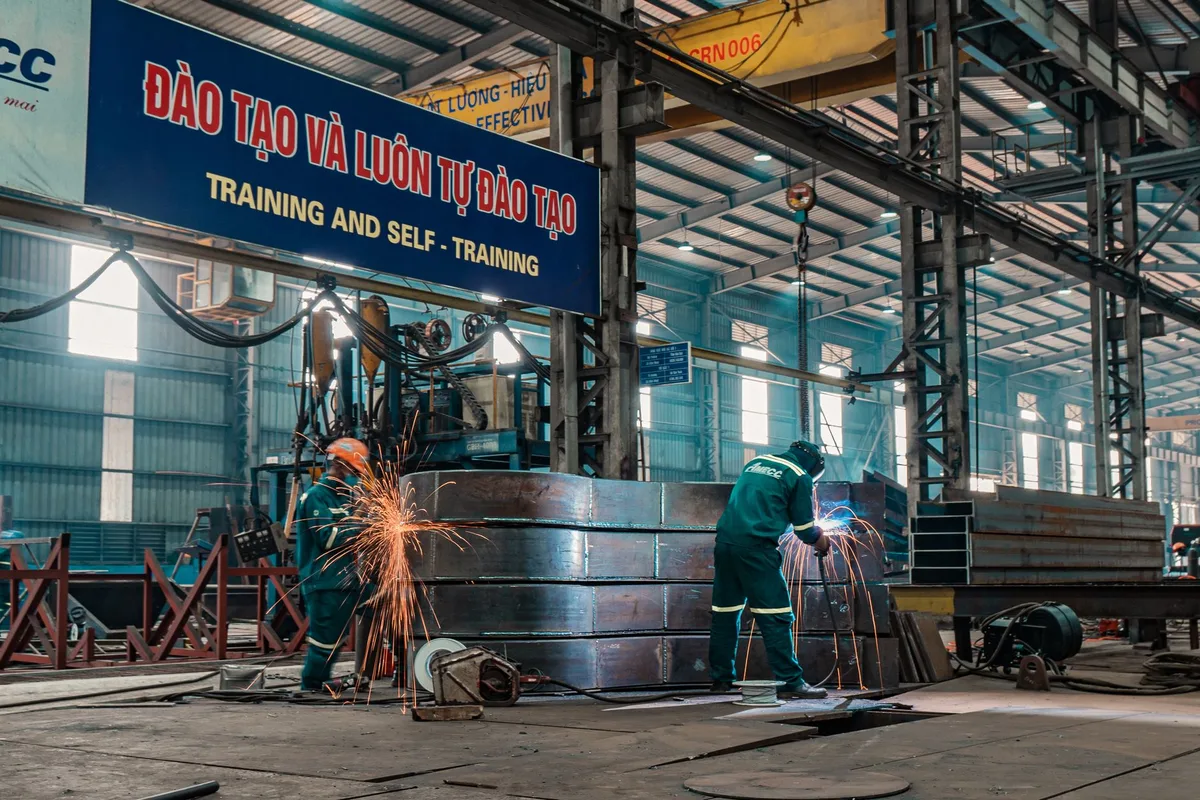
A buyer's guide to Made in Vietnam: what the label means, which products the country manufactures, and how to verify suppliers and origin claims before you order.
Sep 20, 2026
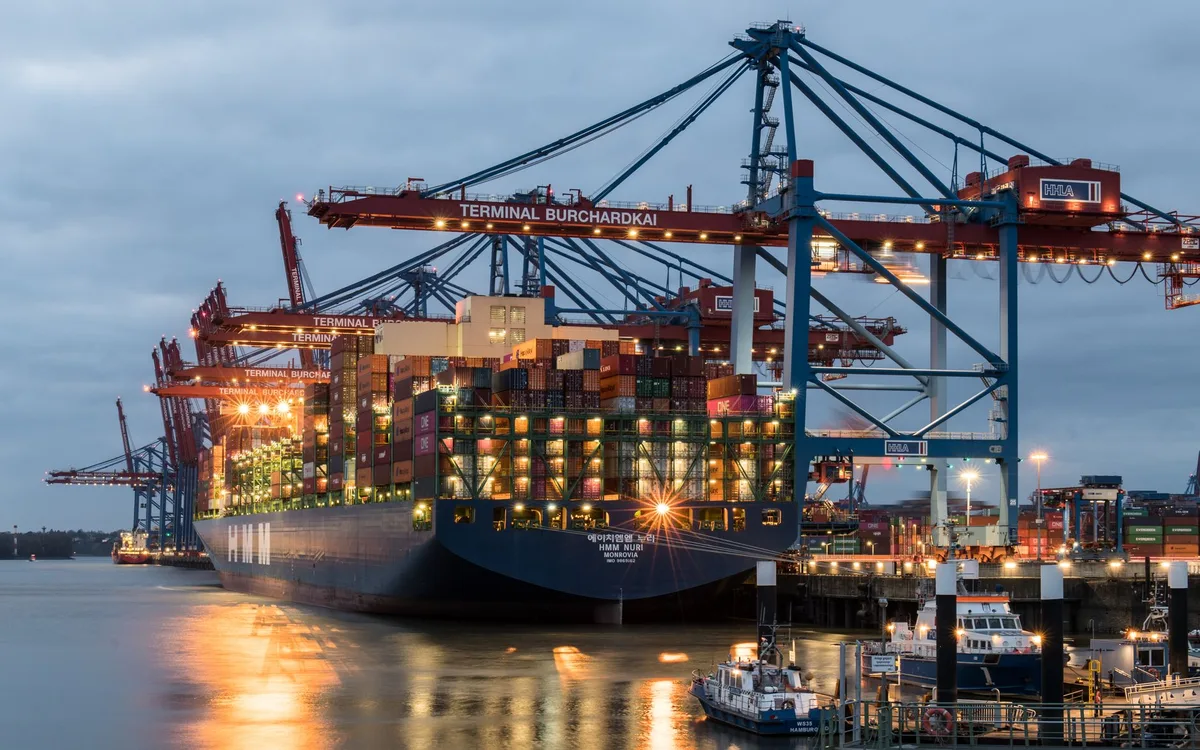
A practical guide to finding, vetting, and ordering from wholesale suppliers anywhere in the world, plus a region-by-region map of where to source what.
Sep 11, 2026