
Brazil's Main Export: What It Is and What Buyers Can Source
What is Brazil's main export? A buyer's guide to Brazil's top exports in 2025, why sources rank them differently, who buys them, and how to source Brazilian goods safely.
Sep 26, 2026
Find verified suppliers on Tawaf
Create Free AccountDubai Internet City is not just an address. It is the nerve center of the Middle East's technology economy, home to over 1,600 companies ranging from global giants like Google, Microsoft, and Meta to fast-growing regional startups building products for the Arab world and South Asia.
Launched in 1999 as a bold bet by Sheikh Mohammed bin Rashid Al Maktoum, DIC was the first technology free zone in the region. Twenty-seven years later, it remains the default destination for tech companies entering the Gulf market. This guide covers who operates there, what it costs, how to set up, and why it matters for B2B technology sourcing.
Dubai Internet City (DIC) is a technology-focused free zone in Dubai that provides 100% foreign ownership, zero income tax, and a purpose-built ecosystem for IT, software, telecom, and digital media companies.
DIC sits within the larger TECOM Group, which also manages Dubai Media City, Dubai Studio City, and Dubai Knowledge Park. Together these zones form a cluster along Sheikh Zayed Road between the Mall of the Emirates and Dubai Marina — one of the most accessible commercial corridors in the city.
The zone spans over 140 buildings across a campus-style layout with office towers, co-working spaces, food courts, and dedicated parking structures. It connects directly to the Dubai Metro via the DIC/Dubai Marina station, making it practical for companies that want employees commuting from across the city.
From a regulatory standpoint, DIC is governed by TECOM Group's licensing authority. Companies registered in DIC receive a technology or media license that allows them to operate within the free zone and conduct international business. Access to the UAE mainland market requires a dual license or a separate mainland entity.
DIC hosts the regional headquarters of Google, Microsoft, Meta (Facebook), LinkedIn, Oracle, IBM, SAP, Dell Technologies, HP, Canon, Cisco, and dozens of other Fortune 500 tech firms, alongside 1,400+ smaller companies and startups.
Here is a directory of notable companies by category:
| Category | Companies |
|---|---|
| Search & Advertising | Google, Meta (Facebook/Instagram), Twitter (X), Snap Inc. |
| Enterprise Software | Microsoft, Oracle, SAP, Salesforce, ServiceNow |
| Hardware & Infrastructure | Dell Technologies, HP Inc., Canon, Epson, Lenovo |
| Networking & Telecom | Cisco, Nokia, Ericsson, Huawei, du (EITC) |
| Consulting & Services | IBM, Accenture, Cognizant, Wipro, Infosys |
| Cybersecurity | Kaspersky, Trend Micro, Fortinet, Palo Alto Networks |
| Cloud & Hosting | AWS (liaison), Alibaba Cloud, Rackspace |
| Regional Tech Leaders | Careem, Souq (Amazon MENA), Noon, Talabat |
| Startups & Scale-ups | 500+ active startups across SaaS, fintech, edtech, healthtech |
This concentration creates a unique advantage. If you are a B2B technology provider looking for enterprise customers in the Gulf, DIC puts you within walking distance of decision-makers at hundreds of potential clients. Similarly, if you are sourcing technology products or services, browsing UAE-based suppliers on Tawaf will surface many DIC-registered companies.
Join Tawaf and connect with verified businesses across 47 countries. No middlemen, no commissions.
Join Tawaf FreeAs of early 2026, Dubai Internet City houses approximately 1,650 registered companies employing an estimated 30,000 to 35,000 professionals across technology, media, and digital services.
The numbers have grown steadily since DIC's founding:
| Year | Registered Companies | Estimated Employees |
|---|---|---|
| 2000 | 100 | 1,500 |
| 2005 | 550 | 8,000 |
| 2010 | 900 | 15,000 |
| 2015 | 1,200 | 22,000 |
| 2020 | 1,400 | 26,000 |
| 2023 | 1,550 | 31,000 |
| 2026 | 1,650 | 34,000 |
Growth slowed during 2020 due to the pandemic but rebounded strongly through 2022-2026 as Dubai positioned itself as a remote-work-friendly destination and several major tech firms expanded their regional presence.
The startup ecosystem within DIC has been particularly dynamic. Programs like in5 Tech (TECOM's incubator), AstroLabs, and the Dubai Future Accelerators regularly feed new companies into the zone.
A basic DIC license starts at around AED 20,000 per year for a flexi-desk arrangement, while a small private office setup with one visa runs approximately AED 50,000 to AED 80,000 in total first-year costs.
Here is the detailed cost breakdown:
| Component | Cost (AED) | Notes |
|---|---|---|
| License Fee (1 activity) | 15,000 – 20,000 | Technology, consulting, or media |
| Additional Activity | 5,000 each | Most companies add 1-2 extra activities |
| Registration Fee | 3,000 – 5,000 | One-time |
| Flexi-Desk (shared) | 15,000 – 22,000/yr | 1-3 visa allocations |
| Private Office (small) | 40,000 – 80,000/yr | 3-6 visa allocations |
| Private Office (mid) | 80,000 – 200,000/yr | 6-15 visa allocations |
| Visa (per person) | 4,000 – 6,000 | Including medical, Emirates ID |
| Health Insurance (per person) | 2,000 – 5,000/yr | Mandatory |
| Establishment Card | 2,000 | Required for visa processing |
Compared to other technology free zones, DIC sits in the mid-to-premium range. Dubai Silicon Oasis offers similar licenses at roughly 60% of the cost but lacks DIC's central location and prestige. IFZA and Meydan offer ultra-budget technology licenses starting at AED 9,500, but these zones do not provide the same tech ecosystem density.
For a comprehensive comparison of all free zones, see our free zone Dubai guide.
DIC issues three main license types: Technology, Media, and Commerce. Each covers specific business activities, and companies can combine multiple activities on a single license for additional fees.
Technology License covers software development, IT consulting, systems integration, SaaS, cloud services, cybersecurity, data analytics, AI/ML, blockchain, IoT, and hardware sales.
Media License covers digital marketing, advertising, PR, content creation, publishing, film production, and design services.
Commerce License covers trading in technology products, distribution, and e-commerce.
Most B2B technology companies opt for a Technology License with one or two activity codes. If your business involves both software services and hardware distribution, you will need activities from both the Technology and Commerce categories.
The licensing process is straightforward:
DIC offers three advantages other zones cannot match: a critical mass of technology companies that creates networking and recruitment synergies, a central Dubai location with metro access, and TECOM's established relationships with government digital transformation programs.
The network effect is real and measurable. When Google, Microsoft, and Oracle all have offices in DIC, their vendors, partners, and integrators naturally follow. This clustering creates a self-reinforcing ecosystem. A cybersecurity startup in DIC can walk down the hall to pitch a prospect at Cisco. An IT staffing agency can recruit from a campus of 34,000 tech professionals.
Government relationships matter in the Gulf. TECOM Group is a subsidiary of Dubai Holding, which is owned by the ruler of Dubai. This gives DIC-registered companies perceived proximity to government digital transformation projects — the biggest source of IT spending in the region.
Recruitment is easier from DIC because tech professionals actively seek roles in the zone. Job listings tagged "Dubai Internet City" consistently outperform listings in other locations on platforms like LinkedIn and Bayt.
Looking for technology suppliers in the UAE and beyond? Register on Tawaf to browse verified B2B technology providers, submit sourcing requests, and connect directly with decision-makers.
Notable startups that launched or scaled from DIC include Careem (acquired by Uber for $3.1 billion), Souq.com (acquired by Amazon), Fetchr, Kitopi, and dozens of active scale-ups in SaaS, fintech, and logistics technology.
The DIC startup ecosystem benefits from several accelerator and incubator programs:
in5 Tech is TECOM's own incubator, offering subsidized office space, mentorship, and investor access. Since its founding in 2013, in5 has supported over 500 startups.
AstroLabs operates a co-working and soft-landing program within DIC, specifically targeting international startups entering the MENA market.
Microsoft for Startups runs its regional hub from DIC, providing Azure credits, technical mentorship, and enterprise customer introductions.
Turn8 and Flat6Labs have also housed portfolio companies in DIC before those startups graduated to larger offices.
The startup-to-enterprise pipeline within DIC is one of the zone's underappreciated strengths. A startup can begin with a flexi-desk, grow into a small office, and eventually lease a full floor — all within the same campus, without changing their license or address.
DIC is better for services companies that need a central location and enterprise networking, while Dubai Silicon Oasis (DSO) is better for hardware companies, manufacturers, and businesses that prioritize lower rents over location prestige.
| Feature | Dubai Internet City | Dubai Silicon Oasis |
|---|---|---|
| Location | Central Dubai (Sheikh Zayed Road) | Eastern Dubai (Academic City area) |
| Metro Access | Yes (Red Line) | No (bus only) |
| License Cost | AED 15,000 – 20,000 | AED 10,000 – 15,000 |
| Office Rent | AED 40,000 – 200,000 | AED 25,000 – 100,000 |
| Manufacturing | No | Yes (light manufacturing) |
| Warehousing | Limited | Available |
| Tech Ecosystem | Very strong | Moderate |
| Government Proximity | High (Dubai Holding) | Moderate |
| Target Tenants | Software, SaaS, consulting | Hardware, embedded systems, R&D |
If you are a software company targeting enterprise clients, DIC is worth the premium. If you are manufacturing IoT devices or need lab space, DSO gives you capabilities DIC cannot.
The main challenges are higher costs compared to other free zones, limited parking during peak hours, restrictions on selling directly to the UAE mainland market, and increasing competition for talent within the zone itself.
Cost is the biggest barrier. A private office for a team of five will run AED 100,000 to AED 150,000 per year in rent alone, before license fees and visa costs. For bootstrapped startups, this can be prohibitive.
Parking is a genuine day-to-day frustration. DIC was designed in the early 2000s when the zone had 500 companies. It now has over 1,600. The parking infrastructure has not kept pace, though the metro connection has helped.
Mainland access requires additional licensing. If your business model involves selling directly to UAE-based consumers or bidding on government tenders, you will need a dual license or a mainland branch. This adds AED 15,000 to AED 30,000 in annual costs.
Talent competition is intense. With 34,000 professionals in the zone, it sounds like a deep talent pool. But when Google, Microsoft, and Cisco are all recruiting from the same pool, salary expectations are high and turnover can be significant.
DIC serves as the anchor of a technology corridor that also includes Dubai Media City, Dubai Knowledge Park, and Dubai Studio City — together forming the TECOM district, which accounts for a significant share of the UAE's non-oil technology GDP.
The TECOM district as a whole employs over 95,000 people across 5,800 companies. DIC is the largest component, but the interplay between zones creates synergies. A DIC software company can partner with a DMC marketing agency and a DKP training provider, all within a 5-minute drive.
Dubai's broader technology ambitions — captured in initiatives like the Dubai Metaverse Strategy, the AI Strategy 2031, and the Paperless Government program — create consistent demand for the services that DIC companies provide. Government IT spending in the UAE exceeds AED 20 billion annually, and a significant portion flows through DIC-registered firms.
For B2B companies sourcing technology solutions, DIC is the starting point. Browse technology suppliers on Tawaf to find registered companies across the Gulf, or post a "Looking For" request if you need a specific technology product or service.
Technically, DIC licenses are restricted to technology, media, and related activities. You cannot get a general trading license for physical goods like textiles or food. However, if your business has a technology component — such as an e-commerce platform that sells physical goods — you may qualify for a Commerce license within DIC. Consult TECOM's licensing team for borderline cases.
The standard timeline is 5 to 10 business days from application submission to license issuance. However, bank account opening adds another 3 to 8 weeks, and visa processing takes 2 to 3 weeks per person. Realistically, plan for 6 to 10 weeks from initial application to being fully operational with a bank account and employee visas.
DIC offers flexi-desk arrangements that provide a registered address and limited physical access. This works for solo founders and small teams that do not need a permanent office. However, you must maintain economic substance in the UAE if your license involves "relevant activities" under ESR regulations. A purely virtual presence may not satisfy these requirements.
DIC is approximately 25 kilometers from Dubai International Airport (DXB), which translates to 20 to 40 minutes by car depending on traffic. The new Al Maktoum International Airport (DWC) in Dubai South is roughly 35 kilometers away. Both airports are accessible via Sheikh Zayed Road.
Not directly. Government contracts in the UAE are awarded through formal procurement processes managed by each entity. However, DIC's proximity to government decision-makers and TECOM's relationship with Dubai Holding can facilitate introductions and awareness. Many government entities host technology events and hackathons within the DIC campus.
Get Started
Create your free account and start connecting with verified suppliers and buyers worldwide.
Create Free Account
We help businesses navigate cross-border trade. Our team covers supplier verification, trade compliance, and B2B marketplace strategies to connect verified businesses worldwide.
What is Brazil's main export? A buyer's guide to Brazil's top exports in 2025, why sources rank them differently, who buys them, and how to source Brazilian goods safely.
Sep 26, 2026
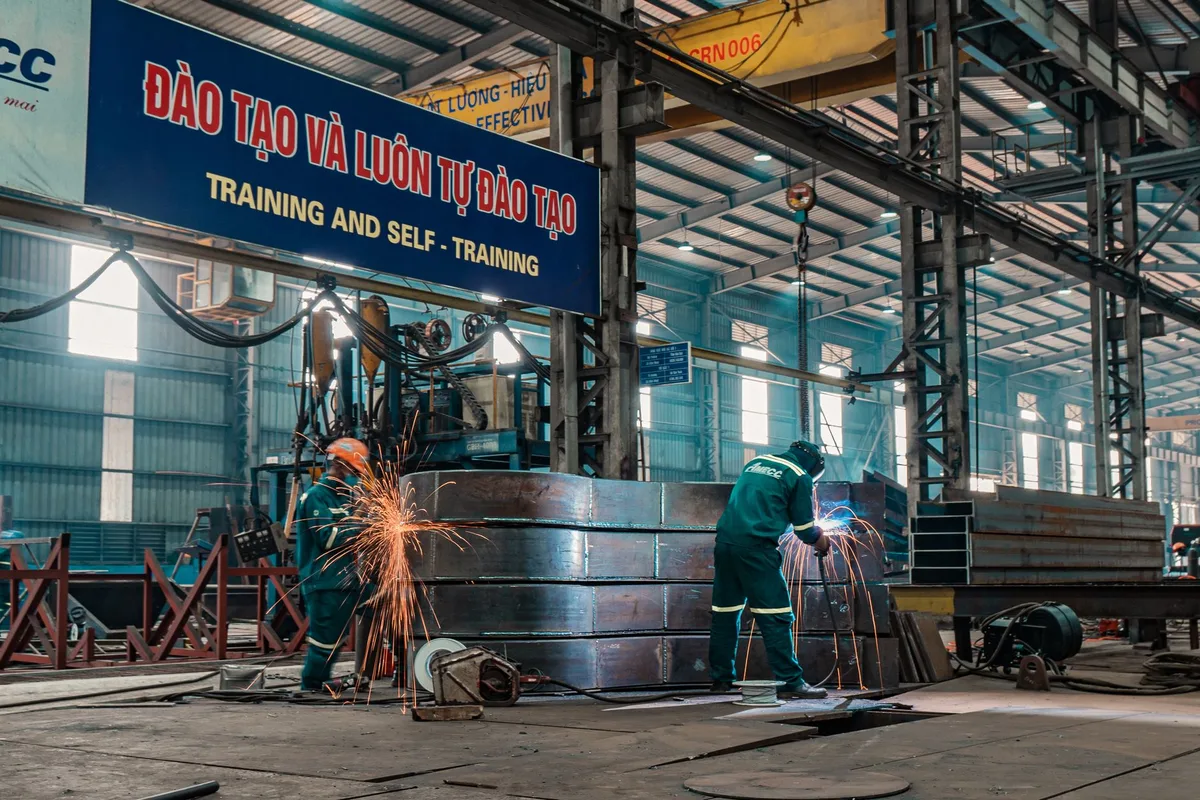
A buyer's guide to Made in Vietnam: what the label means, which products the country manufactures, and how to verify suppliers and origin claims before you order.
Sep 20, 2026
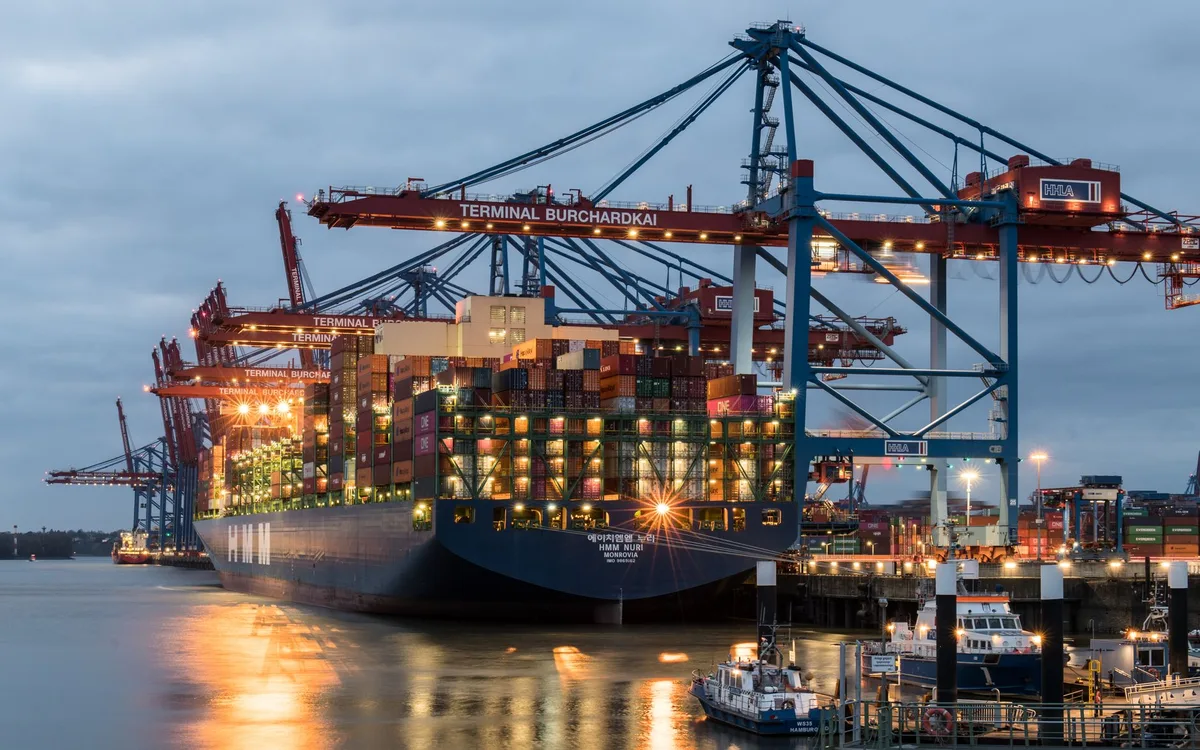
A practical guide to finding, vetting, and ordering from wholesale suppliers anywhere in the world, plus a region-by-region map of where to source what.
Sep 11, 2026