
Brazil's Main Export: What It Is and What Buyers Can Source
What is Brazil's main export? A buyer's guide to Brazil's top exports in 2025, why sources rank them differently, who buys them, and how to source Brazilian goods safely.
Sep 26, 2026
Find verified suppliers on Tawaf
Create Free AccountFree zones changed Dubai forever. What started as a single experiment in Jebel Ali back in 1985 has grown into a sprawling ecosystem of over 30 specialized economic zones, each designed to attract foreign investment and simplify cross-border trade. Whether you are a tech founder eyeing Dubai Internet City or a commodity trader exploring DMCC, picking the right free zone can make or break your first year in the UAE.
This guide walks you through every major free zone in Dubai, breaks down the real costs, compares licensing structures, and helps you figure out which zone fits your business model.
A free zone (or freezone) in Dubai is a designated economic area where foreign investors can own 100% of their company, pay zero corporate tax on qualifying income, and import or export goods without standard customs duties.
Free zones operate under their own regulatory authorities, separate from the UAE mainland's Department of Economic Development (DED). Each zone has its own licensing rules, office requirements, and fee structures. Think of them as micro-economies within the larger Dubai ecosystem.
The concept is straightforward. The UAE government carves out a geographic area, assigns it a sector focus (technology, media, logistics, commodities, healthcare), and offers incentives that would be difficult or impossible under mainland rules. In return, businesses set up shop, hire staff, and generate economic activity.
As of 2026, Dubai hosts more than 30 active free zones, collectively housing over 60,000 registered companies and employing hundreds of thousands of workers. The model has been so successful that other Gulf states, including Saudi Arabia and Qatar, have adopted similar frameworks.
For B2B companies looking to source products or find verified suppliers in the UAE, free zones are where many of the most established trading firms operate.
Dubai currently has 34 active free zones, each specializing in different industries ranging from logistics and commodities to media, technology, healthcare, and finance.
Here is a breakdown of the most prominent ones:
| Free Zone | Year Est. | Sector Focus | Min. Cost (AED/yr) | 100% Ownership | Office Required |
|---|---|---|---|---|---|
| JAFZA (Jebel Ali) | 1985 | Logistics, Trading | 15,000 | Yes | Yes |
| DMCC | 2002 | Commodities, Trading | 11,750 | Yes | Flexi-desk OK |
| DAFZA (Airport) | 1996 | Aviation, Trading | 12,000 | Yes | Yes |
| Dubai Internet City (DIC) | 1999 | Technology | 20,000 | Yes | Yes |
| Dubai Media City (DMC) | 2001 | Media, Publishing | 20,000 | Yes | Yes |
| IFZA | 2017 | Multi-sector | 9,500 | Yes | Virtual OK |
| Dubai Silicon Oasis (DSO) | 2004 | Tech, Manufacturing | 12,000 | Yes | Yes |
| Dubai Healthcare City | 2002 | Healthcare, Pharma | 30,000 | Yes | Yes |
| DIFC | 2004 | Finance, Fintech | 50,000 | Yes | Yes |
| Dubai South | 2006 | Aviation, Logistics | 10,500 | Yes | Flexi-desk OK |
| Dubai Knowledge Park | 2003 | Education, Training | 18,000 | Yes | Yes |
| Gold & Diamond Park | 2001 | Jewellery, Precious Metals | 25,000 | Yes | Yes |
| International Humanitarian City | 2003 | Logistics, Aid | 15,000 | Yes | Yes |
| Dubai Textile City | 2004 | Textiles, Fashion | 11,000 | Yes | Yes |
| Meydan Free Zone | 2009 | Multi-sector | 7,500 | Yes | Virtual OK |
Costs shown are approximate starting points for a single-activity general trading license. Actual fees depend on the number of visa allocations, office size, and activity type.
Join Tawaf and connect with verified businesses across 47 countries. No middlemen, no commissions.
Join Tawaf FreeThe primary advantages are 100% foreign ownership, zero personal income tax, customs duty exemptions, easy profit repatriation, and simplified regulatory compliance — all of which reduce the friction of doing business across borders.
Let us be specific about each benefit:
Full foreign ownership. On the mainland, certain business activities historically required a local Emirati sponsor holding 51% of shares. Free zones eliminated this requirement entirely. Even though the UAE mainland relaxed ownership rules in 2020, free zones still offer cleaner corporate structures with no ambiguity.
Tax efficiency. Qualifying free zone businesses pay 0% corporate tax on qualifying income under the UAE Corporate Tax Law introduced in 2023. The standard mainland rate is 9%. Personal income tax remains zero across the entire UAE.
Customs advantages. Goods can be imported into a free zone, stored, processed, and re-exported without paying customs duties. This is a massive advantage for trading companies that buy from Indian manufacturers or Chinese factories and re-export to Africa or Central Asia.
Speed of setup. Most free zones can issue a trade license within 3 to 5 business days. Mainland setup typically takes 2 to 4 weeks.
Profit repatriation. There are no restrictions on moving profits out of the country. This is particularly important for international holding companies.
Total first-year costs range from AED 20,000 (roughly USD 5,450) for a basic virtual license in budget zones like IFZA or Meydan, to AED 100,000+ (USD 27,000+) for a physical office in premium zones like DIFC or Dubai Healthcare City.
Here is a realistic cost breakdown for a mid-tier free zone setup:
| Cost Component | Budget Zone (AED) | Mid-Tier Zone (AED) | Premium Zone (AED) |
|---|---|---|---|
| License Fee | 7,500 – 11,000 | 12,000 – 25,000 | 30,000 – 75,000 |
| Registration Fee | 1,000 – 2,000 | 2,000 – 5,000 | 5,000 – 15,000 |
| Office / Desk | 0 – 6,000 (virtual) | 15,000 – 40,000 | 50,000 – 200,000 |
| Visa (per person) | 3,500 – 5,000 | 4,000 – 6,000 | 5,000 – 8,000 |
| Insurance (per person) | 1,500 – 3,000 | 1,500 – 3,000 | 1,500 – 3,000 |
| Total (1 visa) | 13,500 – 27,000 | 34,500 – 79,000 | 91,500 – 301,000 |
The biggest variable is office space. Virtual office packages start around AED 5,000 per year, while a dedicated desk in a shared space runs AED 12,000 to AED 20,000. A private office in a prime zone can easily exceed AED 100,000 annually.
Do not forget renewal costs. Most free zone licenses renew annually, and the fees are roughly 70% to 90% of the initial setup cost once you remove one-time registration charges.
DMCC, JAFZA, and DAFZA are the top three choices for trading companies, with DMCC offering the lowest barrier to entry, JAFZA providing the best logistics infrastructure, and DAFZA excelling in re-export operations.
DMCC is the world's largest free zone by number of registered members, with over 24,000 companies. It dominates commodities trading — gold, diamonds, tea, coffee, and agricultural products. The Jumeirah Lakes Towers location puts you in the heart of new Dubai, surrounded by other trading firms. DMCC also runs the Dubai Gold & Commodities Exchange (DGCX).
JAFZA is the original and remains unmatched for companies that need warehousing and logistics. Located next to Jebel Ali Port (the largest port in the Middle East), JAFZA is where you go if you are physically moving containers of goods. Over 9,000 companies operate here, including many of the Fortune 500.
DAFZA sits adjacent to Dubai International Airport, making it ideal for air-freight businesses, perishable goods, and high-value shipments.
If your business connects buyers and sellers across borders — which is exactly what platforms like Tawaf's B2B marketplace facilitate — any of these three zones will give you the infrastructure and credibility you need.
Ready to connect with verified suppliers across the Gulf and beyond? Create your free Tawaf account and start sourcing from pre-vetted businesses in the UAE, Saudi Arabia, India, and 40+ other markets.
Match your primary business activity to the zone's specialization, then compare costs, visa quotas, and office flexibility. A mismatched zone can limit your ability to get the right license or connect with industry peers.
Here is a quick decision matrix:
Technology and SaaS: Dubai Internet City or Dubai Silicon Oasis. DIC has brand recognition and a tech ecosystem; DSO offers cheaper rents and light manufacturing capability.
E-commerce and retail trade: IFZA or Dubai CommerCity. IFZA is budget-friendly; CommerCity is specifically built for e-commerce logistics.
Finance and fintech: DIFC is the only real choice for regulated financial activities. It operates under its own legal system (common law) with its own courts.
Media and creative: Dubai Media City or Dubai Studio City. DMC for publishing, advertising, and PR; Studio City for film and broadcast production.
Manufacturing: JAFZA, Dubai Industrial City, or Dubai South. These zones offer industrial land and warehouse facilities suitable for light to medium manufacturing.
Healthcare: Dubai Healthcare City is the dedicated zone, with its own regulatory authority (DHCR) that issues clinical and non-clinical licenses.
The standard setup process involves five steps: choose a zone, select your business activity, submit documents, pay fees, and receive your license — typically completed in 3 to 10 business days.
Step 1: Choose your free zone. Use the criteria above to narrow your options. Visit at least two zones in person if possible.
Step 2: Select your business activity. Each zone publishes a list of permitted activities. General trading is the most common, but you may need specific activity codes for consulting, manufacturing, or technology services. Some zones allow multiple activities on a single license; others charge extra.
Step 3: Prepare documents. The standard requirements include:
Step 4: Submit application and pay fees. This is done online through the free zone's portal or in person at their service center. Most zones accept credit card payments. You will receive an approval in principle within 1 to 3 business days.
Step 5: Receive your license. Once payment clears and documents are verified, the zone issues your trade license. You can then proceed with visa applications, bank account opening, and office setup.
Bank accounts deserve special mention because this is where many new businesses hit delays. UAE banks have strict KYC requirements, and opening a corporate bank account can take 2 to 8 weeks. Start the banking process immediately after receiving your license.
Key 2026 updates include expanded dual-licensing options (operate in both free zone and mainland), new green energy incentives in Dubai South, and tighter economic substance requirements across all zones.
The UAE government has been pushing to harmonize free zone and mainland regulations. The most significant change is the Dual License program, now available in DMCC, JAFZA, DAFZA, and IFZA. This allows free zone companies to conduct business on the mainland without setting up a separate mainland entity — a major shift that reduces costs for companies that need to sell directly to UAE consumers.
Economic substance regulations (ESR) continue to tighten. If your free zone company earns income from certain "relevant activities" (banking, insurance, fund management, shipping, intellectual property, distribution, or service centers), you must demonstrate adequate substance in the UAE. This means real employees, real office space, and real decision-making happening locally. Shell companies are increasingly scrutinized.
Green incentives in Dubai South and Dubai Industrial City now offer reduced license fees and fast-tracked permits for companies in renewable energy, electric vehicle supply chains, and sustainable manufacturing.
Yes, but with limitations. A Dubai free zone license allows you to do business internationally and within your zone, but selling directly to the UAE mainland market requires either a dual license, a mainland branch, or working through a local distributor.
This is one of the most misunderstood aspects of free zone setup. Your free zone entity can:
Your free zone entity cannot:
The dual licensing option mentioned above is solving this problem for many companies. If cross-border trade is your focus, platforms like Tawaf that connect suppliers by country can help you find buyers and sellers regardless of which zone you are registered in.
The three most common mistakes are choosing the cheapest zone without considering industry fit, underestimating renewal costs, and failing to plan for banking delays.
Mistake 1: Chasing the cheapest license. Budget zones like IFZA and Meydan are excellent for freelancers and micro-businesses, but they may not have the credibility or infrastructure that larger trading firms need. If you are sourcing wholesale products worth millions of dollars annually, your clients and banks will take you more seriously if you are in DMCC or JAFZA.
Mistake 2: Ignoring renewal costs. That AED 9,500 first-year license sounds great until you realize the renewal is AED 8,000 and your visa renewal adds another AED 4,000. Always calculate a 3-year total cost of ownership before committing.
Mistake 3: Not planning for banking. Some free zones have banking partners that offer faster account opening. DMCC, for example, has partnerships with several banks that can open accounts in 2 to 3 weeks. Other zones may leave you waiting months.
Mistake 4: Overlooking visa quotas. Each free zone allocates a certain number of visas based on your office size. A flexi-desk might give you 1 to 3 visas. If you plan to hire 10 employees, you need a physical office large enough to justify that visa allocation.
Mistake 5: Skipping legal review. Free zone regulations change frequently. What was true 18 months ago may not apply today. Spend AED 2,000 to AED 5,000 on a consultation with a UAE corporate lawyer before signing anything.
Yes. Most free zone licenses allow you to sponsor yourself and your employees for UAE residence visas. The visa is typically valid for 2 or 3 years and is tied to your company's license. Some premium zones like DIFC can sponsor 5-year and 10-year visas under the UAE's Golden Visa program.
It depends on the zone. Some zones (IFZA, Meydan, Dubai South) offer virtual office packages where no physical presence is required. Others (DIC, DAFZA, JAFZA) require at least a flexi-desk. If you need employee visas, most zones require a minimum physical space proportional to the number of visas requested.
Yes, but it takes longer than you might expect. UAE banks conduct thorough KYC checks, and free zone companies sometimes face additional scrutiny because they are perceived as higher risk for money laundering. Choose a zone with banking partnerships, prepare all documents in advance, and budget 3 to 8 weeks for the process.
A free zone company can conduct active business operations, hire employees, and obtain visas. An offshore company (available through zones like JAFZA Offshore and RAK ICC) is a holding structure used primarily for asset protection, invoicing, and international trade — it does not come with visa allocations or physical office space.
No. Free zones allow 100% foreign ownership without any local sponsor or service agent. This has been the case since free zones were first established and remains one of their primary advantages over mainland setup.
Get Started
Create your free account and start connecting with verified suppliers and buyers worldwide.
Create Free Account
We help businesses navigate cross-border trade. Our team covers supplier verification, trade compliance, and B2B marketplace strategies to connect verified businesses worldwide.
What is Brazil's main export? A buyer's guide to Brazil's top exports in 2025, why sources rank them differently, who buys them, and how to source Brazilian goods safely.
Sep 26, 2026
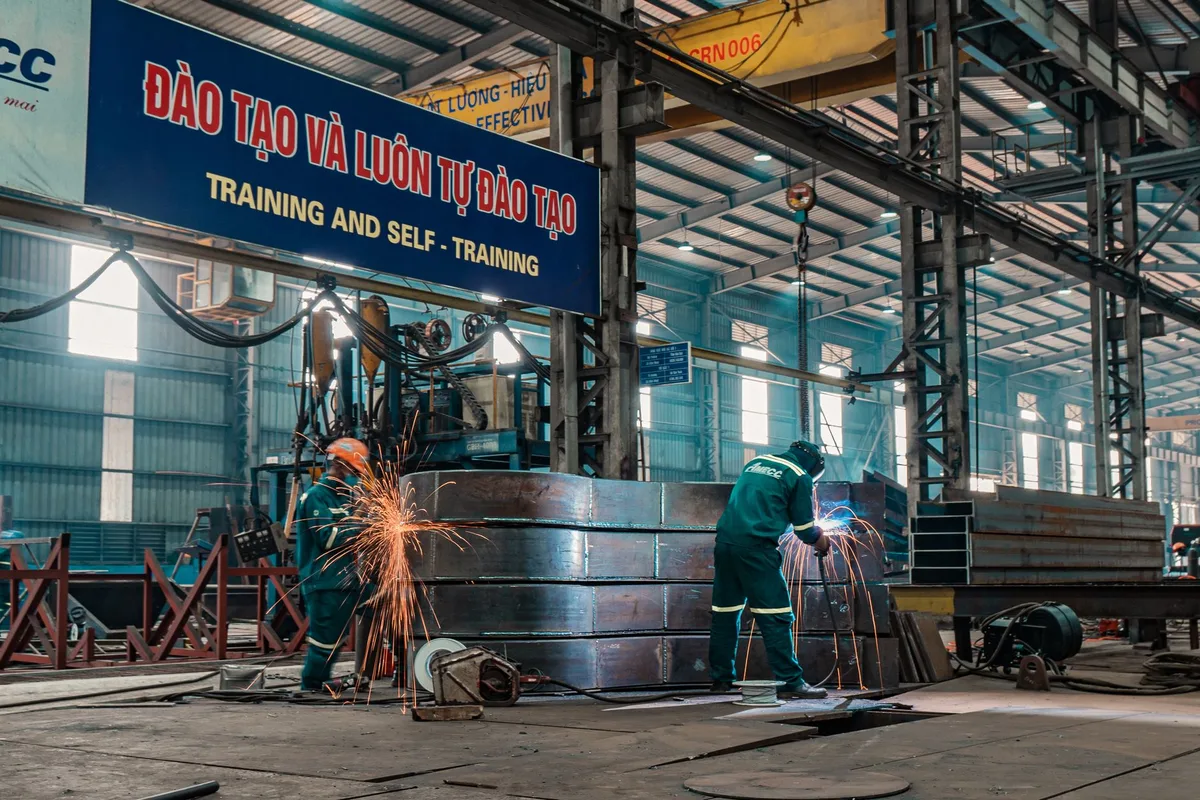
A buyer's guide to Made in Vietnam: what the label means, which products the country manufactures, and how to verify suppliers and origin claims before you order.
Sep 20, 2026
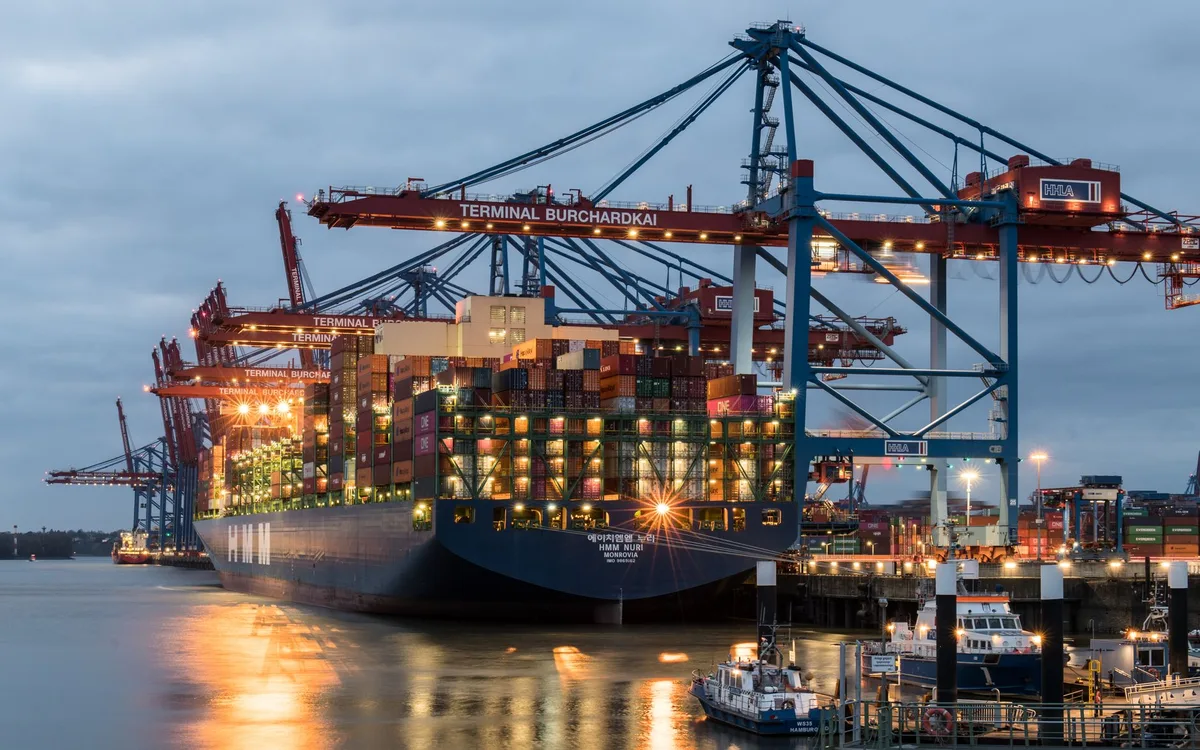
A practical guide to finding, vetting, and ordering from wholesale suppliers anywhere in the world, plus a region-by-region map of where to source what.
Sep 11, 2026