
Brazil's Main Export: What It Is and What Buyers Can Source
What is Brazil's main export? A buyer's guide to Brazil's top exports in 2025, why sources rank them differently, who buys them, and how to source Brazilian goods safely.
Sep 26, 2026
Find verified suppliers on Tawaf
Create Free AccountIndia exports over USD 450 billion worth of merchandise annually. From refined petroleum and polished diamonds to generic medicines and Basmati rice, the country's export basket is remarkably diverse, spanning natural resources, manufactured goods, agricultural commodities, and increasingly, technology products.
This guide lists the top 50 products exported from India with HS codes, actual trade values, year-over-year growth, and the primary destination markets for each product. Whether you are an importer looking to source from India or a market researcher tracking trade flows, this data is your starting point.
India's top exports by value are refined petroleum products (USD 83 billion), polished diamonds and gems (USD 23 billion), pharmaceutical products (USD 27 billion), iron and steel (USD 15 billion), and rice (USD 10 billion). These five categories alone account for roughly 35% of India's total merchandise exports.
Here is the complete top 50 list:
| Rank | Product | HS Code | Export Value (USD B) | YoY Growth | Top Destinations |
|---|---|---|---|---|---|
| 1 | Refined Petroleum Products | 2710 | 83.2 | +4.5% | USA, Netherlands, Singapore |
| 2 | Pharmaceutical Products | 3004 | 27.4 | +12.1% | USA, UK, South Africa |
| 3 | Polished Diamonds | 7102 | 23.1 | -3.2% | USA, Hong Kong, Belgium |
| 4 | Gold Jewellery | 7113 | 14.8 | +8.7% | UAE, USA, Hong Kong |
| 5 | Iron & Steel Products | 7208-7229 | 15.2 | +6.3% | Italy, Vietnam, UAE |
| 6 | Organic Chemicals | 2901-2942 | 13.5 | +5.1% | USA, China, Germany |
| 7 | Automobile Parts | 8708 | 12.8 | +14.2% | USA, Germany, Thailand |
| 8 | Electrical Machinery | 8501-8548 | 12.1 | +18.5% | USA, UAE, Germany |
| 9 | Rice (all varieties) | 1006 | 10.4 | +7.8% | Saudi Arabia, Iraq, Benin |
| 10 | Cotton Textiles | 5208-5212 | 9.8 | -1.5% | Bangladesh, China, USA |
| 11 | Smartphones & Telecom Equipment | 8517 | 9.5 | +42.3% | USA, Netherlands, UAE |
| 12 | Aluminum & Articles | 7601-7616 | 8.2 | +9.1% | USA, South Korea, Italy |
| 13 | Readymade Garments (cotton) | 6109-6115 | 7.9 | +3.4% | USA, UAE, UK |
| 14 | Marine Products (shrimp, fish) | 0306, 0307 | 7.6 | +5.5% | USA, China, Japan |
| 15 | Plastic & Articles | 3901-3926 | 7.3 | +4.8% | USA, China, UAE |
| 16 | Machinery & Mechanical Appliances | 8401-8487 | 7.1 | +11.3% | USA, UAE, Germany |
| 17 | Spices | 0904-0910 | 4.2 | +6.9% | USA, China, UAE |
| 18 | Buffalo Meat | 0202 | 3.8 | +2.1% | Vietnam, Malaysia, Iraq |
| 19 | Cotton Yarn | 5205-5207 | 3.5 | -4.2% | China, Bangladesh, Pakistan |
| 20 | Sugar | 1701 | 3.2 | +15.3% | Indonesia, Bangladesh, Somalia |
| 21 | Man-Made Textiles | 5402-5408 | 3.0 | +5.7% | USA, UAE, Bangladesh |
| 22 | Footwear | 6401-6405 | 2.9 | +8.3% | USA, UK, Germany |
| 23 | Ceramic Products | 6901-6914 | 2.8 | +7.1% | USA, Saudi Arabia, UK |
| 24 | Processed Foods | 2005-2008 | 2.7 | +9.4% | USA, Netherlands, UK |
| 25 | Dyes & Intermediates | 3204-3212 | 2.6 | +3.8% | China, Turkey, Bangladesh |
| 26 | Tea | 0902 | 2.5 | +11.2% | Russia, Iran, UAE |
| 27 | Carpets & Rugs | 5701-5705 | 2.4 | +1.9% | USA, UK, Germany |
| 28 | Granite & Natural Stone | 6802 | 2.3 | +5.4% | USA, China, Japan |
| 29 | Leather Goods | 4202-4205 | 2.2 | +4.6% | USA, Germany, UK |
| 30 | Tobacco | 2401 | 2.1 | +6.8% | Belgium, South Korea, UAE |
| Rank | Product | HS Code | Export Value (USD B) | YoY Growth | Top Destinations |
|---|---|---|---|---|---|
| 31 | Vegetable Oils (castor, sesame) | 1515 | 2.0 | +8.5% | China, EU, Japan |
| 32 | Glass & Glassware | 7001-7020 | 1.9 | +12.3% | USA, UAE, UK |
| 33 | Paper & Paperboard | 4801-4823 | 1.8 | +3.2% | UAE, Bangladesh, Nigeria |
| 34 | Copper & Articles | 7401-7419 | 1.7 | +7.9% | China, USA, UAE |
| 35 | Essential Oils & Perfumes | 3301-3307 | 1.6 | +9.1% | USA, UAE, UK |
| 36 | Synthetic Rubber | 4002 | 1.5 | +4.3% | China, Turkey, Brazil |
| 37 | Bicycles & Parts | 8712 | 1.4 | +6.2% | EU, UK, USA |
| 38 | Hand Tools & Cutlery | 8201-8215 | 1.3 | +5.8% | USA, Germany, UK |
| 39 | Cashew Nuts | 0801 | 1.2 | -2.1% | USA, UAE, Japan |
| 40 | Pesticides & Agrochemicals | 3808 | 1.1 | +7.4% | Brazil, USA, Bangladesh |
| 41 | Paints & Pigments | 3208-3214 | 1.0 | +5.6% | UAE, Nepal, USA |
| 42 | Jute Products | 5307-5310 | 0.9 | +3.1% | USA, UK, Belgium |
| 43 | Herbs & Medical Plants | 1211 | 0.9 | +14.5% | USA, China, Germany |
| 44 | Cement & Clinker | 2523 | 0.8 | +18.2% | Bangladesh, Nepal, Sri Lanka |
| 45 | Fruit & Vegetables (fresh) | 0804-0810 | 0.8 | +6.7% | UAE, Netherlands, UK |
| 46 | Transformers & Electrical Equipment | 8504 | 0.7 | +22.1% | USA, UAE, Saudi Arabia |
| 47 | Sports Goods | 9506 | 0.7 | +9.8% | USA, UK, Australia |
| 48 | Surgical Instruments | 9018 | 0.6 | +11.5% | USA, Germany, UK |
| 49 | Animal Feed | 2309 | 0.6 | +8.3% | Vietnam, Bangladesh, South Korea |
| 50 | Handicrafts & Art Ware | 4420, 9703 | 0.5 | +4.1% | USA, UK, Germany |
Data source: DGCI&S (Directorate General of Commercial Intelligence and Statistics), DGFT, and UN Comtrade, 2025/2026 fiscal year estimates.
India's fastest-growing export sectors are smartphones and telecom equipment (+42.3%), transformers and electrical equipment (+22.1%), cement (+18.2%), electrical machinery (+18.5%), and pharmaceutical products (+12.1%) — reflecting India's industrial upgrading from raw materials toward higher-value manufactured goods.
The smartphone story is particularly dramatic. Just five years ago, India barely featured on the global smartphone export map. Today, driven by Apple's decision to shift iPhone production to India through Foxconn and Tata Electronics, smartphone exports have surged past USD 9 billion annually and are projected to hit USD 20 billion by 2028.
This shift matters for B2B buyers because it signals that India's manufacturing capabilities are upgrading rapidly. Sectors that were previously dominated by low-value, labor-intensive goods (textiles, handicrafts) are being complemented by precision manufacturing, pharmaceuticals, and technology products.
Sectors in decline deserve attention too. Cotton textiles (-1.5%), cotton yarn (-4.2%), and polished diamonds (-3.2%) are facing headwinds from global demand slowdowns and competition from synthetic alternatives (lab-grown diamonds, synthetic fibers).
For importers tracking India's evolving export profile, Tawaf's Indian supplier directory is updated continuously as new manufacturers and exporters join the platform.
Join Tawaf and connect with verified businesses across 47 countries. No middlemen, no commissions.
Join Tawaf FreeIndia's top export destinations are the United States (USD 80+ billion), the UAE (USD 35+ billion), the Netherlands (USD 18 billion), China (USD 16 billion), and Bangladesh (USD 14 billion). The USA alone absorbs roughly 18% of India's total merchandise exports.
| Rank | Destination | Export Value (USD B) | Share of Total | Key Products |
|---|---|---|---|---|
| 1 | United States | 82.5 | 18.1% | Pharma, diamonds, IT services, shrimp |
| 2 | UAE | 35.8 | 7.9% | Petroleum, gold jewellery, rice, textiles |
| 3 | Netherlands | 18.2 | 4.0% | Petroleum, machinery, chemicals |
| 4 | China | 16.4 | 3.6% | Iron ore, cotton, organic chemicals |
| 5 | Bangladesh | 14.1 | 3.1% | Cotton, yarn, machinery, petroleum |
| 6 | Saudi Arabia | 12.3 | 2.7% | Rice, meat, petroleum, auto parts |
| 7 | UK | 11.8 | 2.6% | Pharma, garments, gems, engineering |
| 8 | Singapore | 11.2 | 2.5% | Petroleum, electronics, chemicals |
| 9 | Germany | 10.5 | 2.3% | Auto parts, pharma, leather, textiles |
| 10 | Hong Kong | 9.8 | 2.2% | Diamonds, gold, electronics |
The Middle East is a critical market for Indian exports. The UAE, Saudi Arabia, Iraq, Qatar, Kuwait, Oman, and Bahrain collectively purchase over USD 65 billion of Indian goods annually. For businesses in these markets, sourcing from India through platforms like Tawaf provides access to a deep supplier base at competitive prices.
The Harmonized System (HS) code is a 6-digit international product classification used by customs authorities worldwide. India extends this to 8 digits (ITC-HS codes) for more granular classification. Every product exported from India must be classified under an HS code, which determines customs duties, export incentives, and trade agreement eligibility.
Understanding HS codes is essential for importers because:
Here are HS code examples for India's top exports:
| Product | HS Code | Description |
|---|---|---|
| Basmati Rice | 1006.30.20 | Semi-milled or wholly milled Basmati |
| Non-Basmati Rice | 1006.30.90 | Other semi-milled or wholly milled rice |
| Paracetamol | 2924.29.40 | Pharmaceutical dosage form |
| Cotton T-Shirts | 6109.10.00 | T-shirts, knitted, of cotton |
| Polished Diamonds | 7102.39.00 | Non-industrial diamonds, worked |
| Auto Parts | 8708.99.00 | Other parts and accessories of vehicles |
| Iron/Steel Rebar | 7214.20.00 | Bars and rods with deformations |
| Shrimp (frozen) | 0306.17.00 | Frozen shrimps and prawns |
Ready to source directly from Indian exporters? Sign up on Tawaf and get instant access to verified manufacturers and exporters across all 50 product categories listed above.
India's top five export ports by volume are Nhava Sheva (JNPT, Mumbai), Mundra (Gujarat), Pipavav (Gujarat), Chennai, and Kolkata/Haldia. Nhava Sheva alone handles approximately 40% of India's containerized cargo.
| Port | State | Container Volume (TEUs/yr) | Specialization |
|---|---|---|---|
| Nhava Sheva (JNPT) | Maharashtra | 5.5 million | General, chemicals, electronics |
| Mundra | Gujarat | 6.5 million | Dry bulk, containers, oil |
| Chennai | Tamil Nadu | 1.7 million | Auto, electronics, garments |
| Pipavav | Gujarat | 1.2 million | Containers, bulk cargo |
| Kolkata/Haldia | West Bengal | 0.9 million | Tea, jute, iron ore |
| Cochin | Kerala | 0.7 million | Spices, seafood, rubber |
| Vizag | Andhra Pradesh | 0.6 million | Steel, coal, petroleum |
| Tuticorin | Tamil Nadu | 0.6 million | Cotton, textiles, salt |
Mundra has overtaken JNPT as India's largest port by total throughput (including bulk cargo), but JNPT remains the primary port for containerized manufactured goods. Shipping lines from JNPT to Dubai and the UAE run daily, with transit times of 4 to 5 days.
India has active Free Trade Agreements (FTAs) with ASEAN (10 countries), South Korea, Japan, and Sri Lanka, plus Preferential Trade Agreements with MERCOSUR, Chile, and Afghanistan. The India-UAE CEPA (signed 2022) is the most impactful recent agreement, reducing duties on 80% of products traded between the two countries.
The India-UAE Comprehensive Economic Partnership Agreement (CEPA) is particularly relevant for Tawaf users. Under CEPA, Indian exports to the UAE receive preferential duty rates on over 97% of tariff lines, including:
For businesses using Tawaf to connect Indian suppliers with UAE buyers, CEPA makes the cost equation even more favorable.
India is also negotiating FTAs with the EU, UK, Canada, and the Gulf Cooperation Council (GCC). A GCC-wide FTA would extend CEPA-like benefits to Saudi Arabia, Qatar, Kuwait, Bahrain, and Oman — a transformative development for the USD 65+ billion India-Gulf trade corridor.
Standard export documentation from India includes a commercial invoice, packing list, bill of lading or airway bill, certificate of origin (for FTA benefits), phytosanitary certificate (for food products), FSSAI registration (for food), drug manufacturing license (for pharma), and a shipping bill filed through the Indian Customs ICEGATE portal.
The Indian government has significantly digitized export documentation through ICEGATE (Indian Customs Electronic Gateway). Most documents are now processed electronically, reducing clearance times from days to hours.
Key certificates that international buyers should request:
| Document | Required For | Issued By |
|---|---|---|
| Certificate of Origin | FTA duty benefits | Export Inspection Council, chambers of commerce |
| Phytosanitary Certificate | Agricultural products | Plant Quarantine Authority |
| Health Certificate | Food products | FSSAI / EIC |
| Drug Manufacturing License | Pharmaceuticals | CDSCO / State FDA |
| BIS Certificate | Electrical, electronics | Bureau of Indian Standards |
| APEDA Registration | Processed foods, Basmati | APEDA |
| RCMC (Registration-Cum-Membership Certificate) | All exports | Relevant Export Promotion Council |
| IEC (Import Export Code) | All exports | DGFT |
Indian exporters benefit from RoDTEP (refund of embedded taxes, 0.5-4.3% of FOB value), Advance Authorization (duty-free import of raw materials for export production), EPCG scheme (concessional duty on capital goods), and Export Credit Guarantee Corporation (ECGC) insurance against buyer default.
These incentives effectively reduce the cost of Indian goods by 3% to 8%, depending on the product category and scheme utilization. Savvy importers negotiate with Indian exporters based on the understanding that these benefits exist — meaning the exporter's effective cost is lower than the sticker price suggests.
Margins vary by market, but historically, Indian spices (30-50% markup at destination), generic pharmaceuticals (25-40%), handmade carpets and textiles (40-60%), and processed foods (20-35%) offer attractive margins for importers. Commodity products like rice, steel, and chemicals operate on thinner margins (5-15%) but higher volumes.
Delivery reliability has improved significantly since India's port modernization programs. Major ports now operate 24/7, and container dwell times at JNPT and Mundra have dropped below 3 days. However, inland logistics can add variability — factories in central India may need 3-5 days to move goods to port. Build a 7-10 day buffer into your delivery planning compared to Chinese lead times.
Absolutely. India's MSME-heavy manufacturing sector is well-suited to smaller orders. Many Indian exporters accept orders starting at USD 5,000 to USD 10,000 for manufactured goods and even lower for agricultural commodities. Platforms like Tawaf are specifically designed to connect small and medium B2B buyers with Indian suppliers.
Full container load (FCL) sea freight from Indian ports to the Middle East costs approximately USD 800 to USD 1,200 per 20-foot container (rates fluctuate). LCL (less than container load) rates are USD 40-60 per cubic meter. Air freight from India averages USD 2.50-4.00 per kilogram for commercial cargo. For small B2B orders, consolidated LCL shipments through freight forwarders in Mumbai or Delhi offer the best value.
Pre-shipment inspection is mandatory for certain product categories (food, pharmaceuticals, chemicals) and optional for others. The Export Inspection Council of India (EIC) oversees mandatory inspections. For non-mandatory products, buyers can request voluntary inspections through agencies like SGS, Bureau Veritas, or Intertek at the buyer's cost (typically USD 200-500 per inspection).
Get Started
Create your free account and start connecting with verified suppliers and buyers worldwide.
Create Free Account
We help businesses navigate cross-border trade. Our team covers supplier verification, trade compliance, and B2B marketplace strategies to connect verified businesses worldwide.
What is Brazil's main export? A buyer's guide to Brazil's top exports in 2025, why sources rank them differently, who buys them, and how to source Brazilian goods safely.
Sep 26, 2026
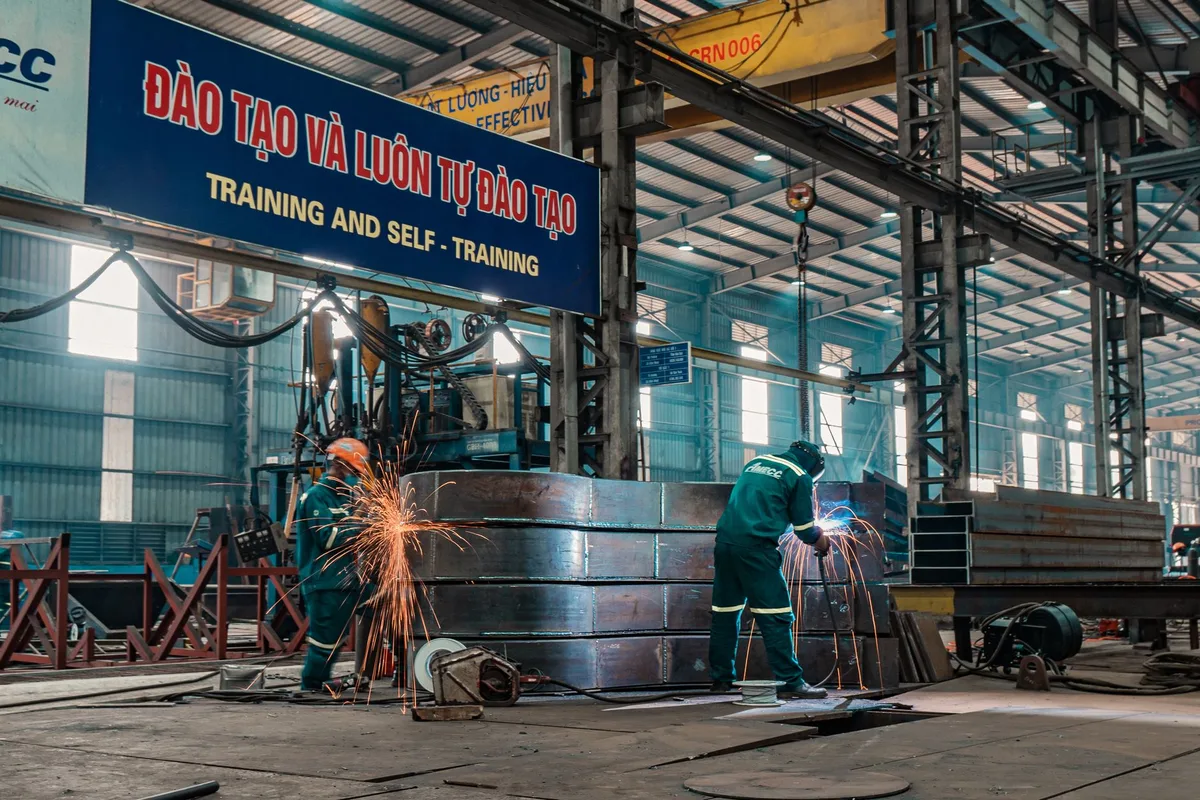
A buyer's guide to Made in Vietnam: what the label means, which products the country manufactures, and how to verify suppliers and origin claims before you order.
Sep 20, 2026
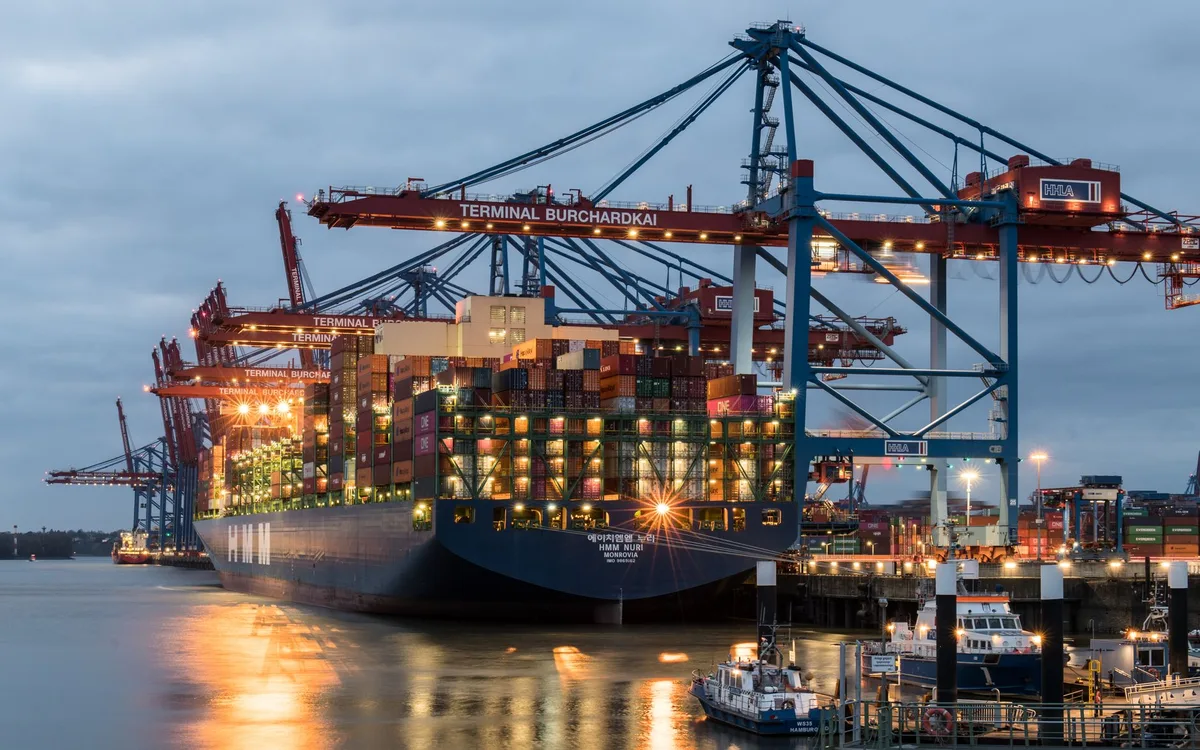
A practical guide to finding, vetting, and ordering from wholesale suppliers anywhere in the world, plus a region-by-region map of where to source what.
Sep 11, 2026