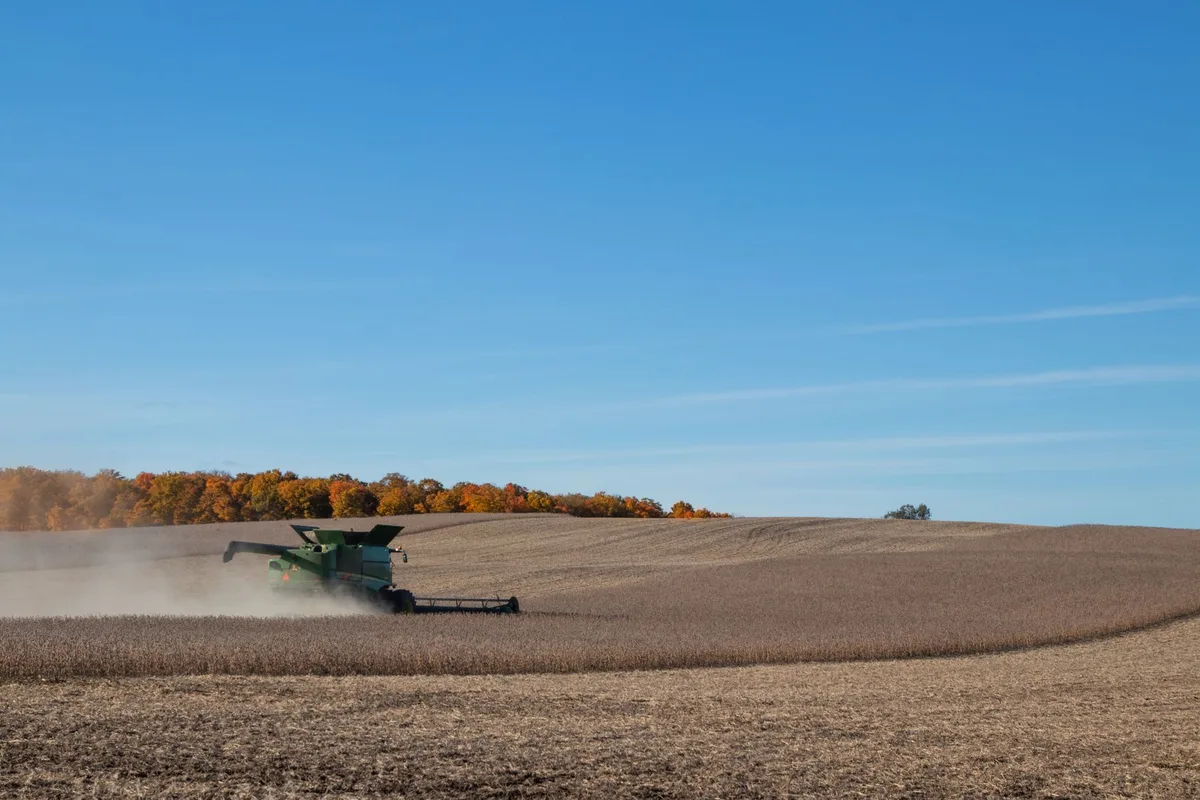
Brazil's Main Export: What It Is and What Buyers Can Source
What is Brazil's main export? A buyer's guide to Brazil's top exports in 2025, why sources rank them differently, who buys them, and how to source Brazilian goods safely.
Sep 26, 2026
Find verified suppliers on Tawaf
Create Free AccountIndia manufactures almost everything. From the steel girders holding up skyscrapers in Dubai to the generic medicines stocked in African pharmacies, Indian manufacturing touches virtually every industry on the planet. The country is now the world's fifth-largest manufacturing economy by output, and its trajectory under the "Make in India" initiative points toward third place by 2030.
This directory organizes India's manufacturing landscape by sector, profiles the major companies in each, and offers practical guidance for international buyers looking to source from Indian manufacturers.
India's manufacturing sector contributes approximately USD 450 billion to GDP annually (about 17% of total GDP), employs over 60 million workers directly, and is targeted to reach USD 1 trillion by 2030 under the government's Production-Linked Incentive (PLI) schemes.
India's manufacturing story is one of breadth rather than depth in any single category. Unlike China, which dominates electronics assembly, or Germany, which leads in precision engineering, India competes across an unusually wide range of sectors — from low-tech textiles to high-tech space components.
| Metric | Value | Global Rank |
|---|---|---|
| Manufacturing GDP (2025) | USD 450 billion | 5th |
| Manufacturing Employment | 62 million | 2nd |
| Share of Global Manufacturing | ~3.1% | 5th |
| Manufacturing Growth Rate (2025) | 7.2% | 1st (major economies) |
| Number of Registered Factories | 350,000+ | — |
| MSMEs in Manufacturing | 12+ million | — |
| PLI Scheme Budget (2021-2030) | USD 26 billion | — |
The real power of Indian manufacturing lies in its MSME (Micro, Small, and Medium Enterprise) segment. Over 12 million MSMEs operate in manufacturing, producing everything from hand tools to auto components. These firms are often the actual suppliers behind the larger brand names listed below.
For international buyers, the challenge is discovery. How do you find the right manufacturer in a country with 350,000 registered factories? Platforms like Tawaf's supplier directory help by aggregating verified Indian manufacturers across sectors.
India's manufacturing leaders span automobiles (Tata Motors, Mahindra), steel (Tata Steel, JSW), pharmaceuticals (Sun Pharma, Dr. Reddy's), chemicals (Reliance, UPL), textiles (Arvind, Raymond), electronics (Dixon, Foxconn India), and food processing (ITC, Amul) — with hundreds of mid-sized firms in each sector.
India is the world's third-largest automobile market and fourth-largest manufacturer. The sector produces over 5 million vehicles annually.
| Company | Headquarters | Revenue (USD B) | Products |
|---|---|---|---|
| Tata Motors | Mumbai | 44.0 | Cars, trucks, buses, EVs (owns Jaguar Land Rover) |
| Mahindra & Mahindra | Mumbai | 15.5 | SUVs, tractors, farm equipment |
| Maruti Suzuki | Gurugram | 14.8 | Passenger cars (50%+ market share) |
| Bajaj Auto | Pune | 5.2 | Motorcycles, three-wheelers, EVs |
| TVS Motor | Chennai | 4.1 | Two-wheelers, electric scooters |
| Ashok Leyland | Chennai | 4.5 | Trucks, buses, defense vehicles |
| Hero MotoCorp | Delhi | 4.8 | World's largest two-wheeler manufacturer |
| Eicher Motors | Delhi | 2.0 | Royal Enfield motorcycles, Volvo trucks (JV) |
The auto components sector is equally significant, with firms like Bharat Forge, Motherson Sumi, Sundram Fasteners, and Bosch India supplying both domestic OEMs and global automakers.
India is the world's second-largest steel producer, after China. Annual crude steel output exceeds 140 million tonnes.
| Company | Output (MT/yr) | Products |
|---|---|---|
| Tata Steel | 34 | Flat, long products, coated steel |
| JSW Steel | 28 | HR/CR coils, galvanized, color-coated |
| Steel Authority of India (SAIL) | 20 | Structural steel, rails, plates |
| Hindalco (Aditya Birla) | — | Aluminum, copper, specialty alloys |
| Vedanta Resources | — | Zinc, aluminum, copper, iron ore |
| Jindal Stainless | 2.5 | Stainless steel (India's largest) |
For construction companies in Jeddah and other Gulf markets, Indian steel mills are primary suppliers of structural steel, rebar, and specialty products.
India produces over 60% of the world's vaccines and roughly 20% of all generic medicines by volume. The pharmaceutical sector is worth approximately USD 50 billion.
| Company | Revenue (USD B) | Specialization |
|---|---|---|
| Sun Pharmaceutical | 5.8 | Specialty, generics, dermatology |
| Dr. Reddy's Laboratories | 3.2 | Generics, biosimilars, API |
| Cipla | 3.0 | Respiratory, anti-infectives, oncology |
| Lupin | 2.1 | Cardiovascular, diabetology, generics |
| Aurobindo Pharma | 3.3 | Generics, API (largest by volume) |
| Divi's Laboratories | 1.2 | API, custom synthesis |
| Biocon | 1.5 | Biosimilars, insulins, oncology |
| Serum Institute of India | 2.0+ | Vaccines (world's largest by volume) |
India is the world's second-largest textile manufacturer and exporter, after China. The sector employs over 45 million people.
| Company | Specialization | Key Products |
|---|---|---|
| Arvind Limited | Denim, fabrics | World's 3rd largest denim manufacturer |
| Raymond | Worsted fabrics, apparel | Premium suiting, shirting |
| Welspun India | Home textiles | Towels, bedsheets (world's 2nd largest) |
| Trident Group | Yarn, home textiles | Terry towels, paper, chemicals |
| Vardhman Textiles | Yarn, fabrics | Cotton, polyester, blended yarn |
| Page Industries | Innerwear, athleisure | Jockey brand licensee in India |
| Indo Count Industries | Bedsheets, home textiles | Exports to 54 countries |
India's textile hubs are geographically specialized. Surat dominates silk and polyester, Tirupur leads in cotton knitwear, Ludhiana produces woolens, and Bhilwara is the center of synthetic textiles. For a deeper dive, see our guide on fabric wholesalers in India.
Electronics manufacturing is India's fastest-growing sector, expanding at 20%+ annually, driven by PLI incentives and the Apple/Samsung supply chain shifting to India.
| Company | Type | Products |
|---|---|---|
| Dixon Technologies | Contract manufacturer | TVs, washing machines, smartphones, LED lights |
| Foxconn (India) | Contract manufacturer | iPhones, electronics |
| Samsung India (Noida) | OEM | Smartphones, appliances, displays |
| Bharat Electronics (BEL) | Defense/govt | Radar, defense electronics, solar |
| Havells India | OEM | Switches, cables, lighting, appliances |
| Amber Enterprises | Contract manufacturer | AC components, electronics |
| Kaynes Technology | Contract manufacturer | PCB assembly, IoT, automotive electronics |
Sourcing from India? Register on Tawaf to connect with verified Indian manufacturers, request quotes, and manage supplier relationships across textiles, steel, chemicals, food, and more.
India is the world's sixth-largest chemicals producer, with output valued at approximately USD 180 billion.
| Company | Revenue (USD B) | Specialization |
|---|---|---|
| Reliance Industries | 100+ (conglomerate) | Petrochemicals, polymers, fiber |
| UPL Limited | 6.0 | Agrochemicals, crop protection |
| Pidilite Industries | 1.8 | Adhesives (Fevicol), construction chemicals |
| SRF Limited | 1.5 | Fluorochemicals, packaging films |
| Aarti Industries | 0.9 | Specialty chemicals, benzene-based |
| Clean Science & Technology | 0.3 | Performance chemicals, MEHQ, BHA |
| Gujarat Fluorochemicals | 0.6 | Refrigerant gases, fluoropolymers |
India's food processing industry is worth approximately USD 500 billion and growing at 8% annually. The country is the world's largest producer of milk, second-largest of fruits and vegetables, and a top-three producer of rice, wheat, and sugar.
| Company | Products |
|---|---|
| ITC Limited | Packaged foods, biscuits, noodles, spices |
| Amul (GCMMF) | Dairy products, milk, butter, cheese |
| Britannia Industries | Biscuits, bread, dairy |
| Nestle India | Dairy, noodles, coffee, baby food |
| Godrej Consumer Products | Edible oils, personal care |
| Parle Products | Biscuits (Parle-G is world's best-selling biscuit) |
| Haldiram's | Snacks, sweets, frozen foods |
For international buyers looking for Indian food products, particularly rice and sugar, India's export infrastructure is well-developed with dedicated food processing zones and cold chain facilities at major ports.
Join Tawaf and connect with verified businesses across 47 countries. No middlemen, no commissions.
Join Tawaf FreeIndia's manufacturing is concentrated in clusters: Maharashtra (automotive, chemicals), Gujarat (textiles, chemicals, pharmaceuticals), Tamil Nadu (automotive, electronics), Karnataka (aerospace, IT hardware), Haryana-Punjab (auto components, textiles), and Telangana (pharmaceuticals, defense).
| Hub | State | Primary Sectors | Key Cities |
|---|---|---|---|
| Mumbai-Pune Corridor | Maharashtra | Auto, chemicals, engineering | Mumbai, Pune, Nashik |
| Gujarat Industrial Belt | Gujarat | Textiles, chemicals, pharma, ceramics | Ahmedabad, Surat, Vadodara, Morbi |
| Chennai-Hosur Corridor | Tamil Nadu | Auto, electronics, leather | Chennai, Hosur, Coimbatore |
| Bengaluru-Mysuru | Karnataka | Aerospace, defense, electronics | Bengaluru, Mysuru |
| Delhi-NCR / Gurugram | Haryana | Auto, electronics, garments | Gurugram, Manesar, Noida |
| Hyderabad-Vizag | Telangana / AP | Pharma, defense, steel | Hyderabad, Visakhapatnam |
| Ludhiana-Jalandhar | Punjab | Textiles, bicycle, hand tools | Ludhiana, Jalandhar |
| Tirupur-Coimbatore | Tamil Nadu | Cotton knitwear, pumps, motors | Tirupur, Coimbatore |
International buyers can source from India through direct factory contact, trading intermediaries, government-backed export portals (like DGFT and India TradePortal), B2B marketplaces like Tawaf, and by attending trade shows such as India International Trade Fair (IITF) and sector-specific exhibitions.
Here is a step-by-step approach:
Step 1: Identify the product and cluster. Use the hub table above to narrow your geographic search. If you need cotton knitwear, focus on Tirupur. If you need auto components, start with Pune.
Step 2: Verify the manufacturer. Check for Udyam Registration (India's MSME registration), ISO certifications, BIS (Bureau of Indian Standards) marks, and export licenses. Request factory audit reports or arrange a third-party inspection through SGS, Bureau Veritas, or TUV.
Step 3: Request samples and negotiate. Indian manufacturers are generally responsive to sample requests. Expect 2 to 4 weeks for sample delivery internationally. Payment terms for new buyers are typically 30% advance, 70% against BL (Bill of Lading) or Letter of Credit.
Step 4: Manage logistics. India's major export ports are Nhava Sheva (Mumbai), Mundra (Gujarat), Chennai, and Kolkata. Shipping time to the UAE is 4 to 7 days; to East Africa, 10 to 14 days; to Europe, 18 to 25 days.
Step 5: Build long-term relationships. Indian business culture values relationships. Visiting your supplier in person at least once significantly improves quality consistency and communication.
For a streamlined approach, Tawaf's B2B marketplace connects you directly with verified Indian manufacturers and handles the discovery phase so you can focus on negotiation and quality control.
The Indian government's PLI (Production-Linked Incentive) schemes offer USD 26 billion in incentives across 14 sectors, complemented by SEZ (Special Economic Zone) tax benefits, Sagarmala port modernization, and dedicated manufacturing corridors with plug-and-play infrastructure.
| PLI Sector | Incentive (INR Cr) | Target Outcome |
|---|---|---|
| Electronics & IT Hardware | 17,000 | Local smartphone and laptop production |
| Automobiles & Components | 25,938 | EV manufacturing, global exports |
| Pharmaceuticals | 15,000 | Reduce API import dependence |
| Textiles (MMF/Technical) | 10,683 | Scale up man-made fiber production |
| Food Processing | 10,900 | Value-added food exports |
| Solar PV Modules | 24,000 | Domestic solar manufacturing |
| Advanced Chemistry Cells | 18,100 | Battery manufacturing |
| Specialty Steel | 6,322 | High-grade steel self-sufficiency |
| White Goods (AC, LED) | 6,238 | Local manufacturing of appliances |
| Telecom Equipment | 12,195 | 5G equipment, core network gear |
These incentives are directly relevant to international buyers because they are expanding India's manufacturing capacity in sectors that previously had limited output. For example, the electronics PLI has attracted Foxconn, Pegatron, and Wistron to set up massive factories producing iPhones, laptops, and servers in India — products that were previously manufactured almost exclusively in China and Vietnam.
The main challenges include inconsistent quality in the MSME segment, infrastructure bottlenecks (power and roads), complex regulatory compliance, language barriers outside major cities, and longer lead times compared to Chinese manufacturers.
Quality variance is the most common complaint from international buyers. Large companies like Tata, JSW, and Sun Pharma maintain world-class quality systems. But the MSME segment — where much of the actual production happens — varies significantly. Third-party quality inspections are not optional; they are essential.
Infrastructure has improved dramatically under the Sagarmala and Bharatmala programs, but inland logistics (factory to port) remain slower and more expensive than in China. A factory in central India may be 500+ kilometers from the nearest major port.
Compliance with international standards (CE, FDA, REACH) is available from top-tier manufacturers but not universal. Always confirm certifications before placing orders.
Lead times are typically 30% to 50% longer than Chinese equivalents for the same product. Indian factories tend to operate with less automation and more manual processes, which adds time but can reduce costs for certain products.
Payment risk exists with smaller manufacturers. Use Letters of Credit or escrow services for initial orders. Tawaf's supplier verification helps mitigate this risk by pre-screening manufacturers before listing them on the platform.
MOQs vary enormously by sector. Textile manufacturers often accept orders as low as 500 pieces for garments or 1,000 meters for fabric. Steel and metals typically have MOQs of 20 to 50 tonnes. Pharmaceutical APIs may start at 25 to 100 kilograms. Electronics contract manufacturers usually require 1,000+ units. Always negotiate — many Indian manufacturers are flexible on MOQs for first orders to win long-term business.
India is generally 10% to 20% cheaper for labor-intensive products (textiles, leather goods, handicrafts) and comparable for commodities (steel, chemicals). China remains cheaper for electronics, precision components, and products requiring heavy automation. The gap is narrowing as Chinese wages rise and India's PLI incentives reduce production costs.
For established companies with verifiable track records, yes. For new or unverified manufacturers, use Letters of Credit through your bank or escrow services. Never send 100% advance payment to a manufacturer you have not visited or verified through a trusted third party. Platforms like Tawaf provide supplier verification that adds a layer of trust.
The key exhibitions include India International Trade Fair (IITF, November, Delhi), Auto Expo (biennial, Delhi), ITMACH (textiles, Ahmedabad), CPhI India (pharmaceuticals, Delhi), and ELECRAMA (electrical equipment, biennial). For construction materials, The Big 5 Construct India and Acetech are the primary shows. Sector-specific shows are usually more productive than general trade fairs.
Yes, but capacity varies. Top-tier manufacturers like Tata Steel, Arvind Limited, and Sun Pharma handle multi-billion-dollar export volumes. Mid-tier firms can typically manage orders in the USD 100,000 to USD 5 million range. For very large orders, consider splitting across multiple suppliers in the same cluster (e.g., multiple Tirupur factories for a large knitwear order) to reduce single-source risk.
Get Started
Create your free account and start connecting with verified suppliers and buyers worldwide.
Create Free Account
We help businesses navigate cross-border trade. Our team covers supplier verification, trade compliance, and B2B marketplace strategies to connect verified businesses worldwide.
What is Brazil's main export? A buyer's guide to Brazil's top exports in 2025, why sources rank them differently, who buys them, and how to source Brazilian goods safely.
Sep 26, 2026
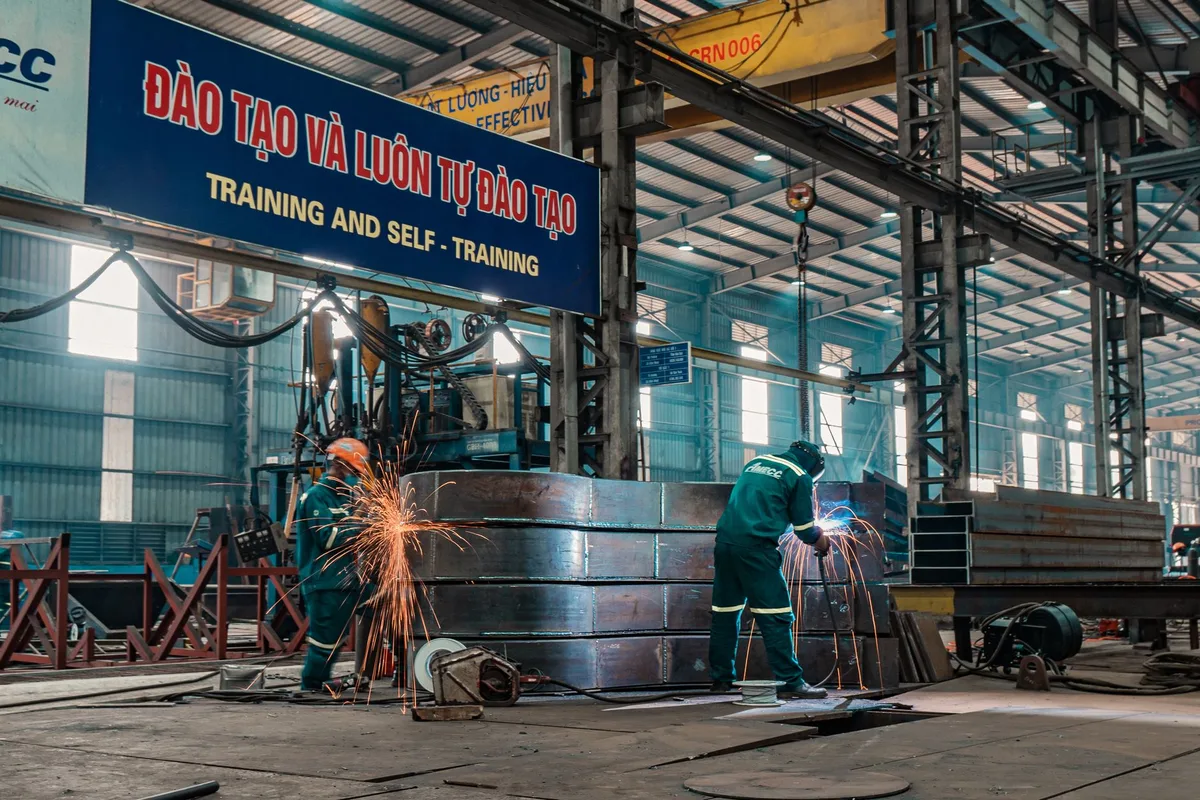
A buyer's guide to Made in Vietnam: what the label means, which products the country manufactures, and how to verify suppliers and origin claims before you order.
Sep 20, 2026
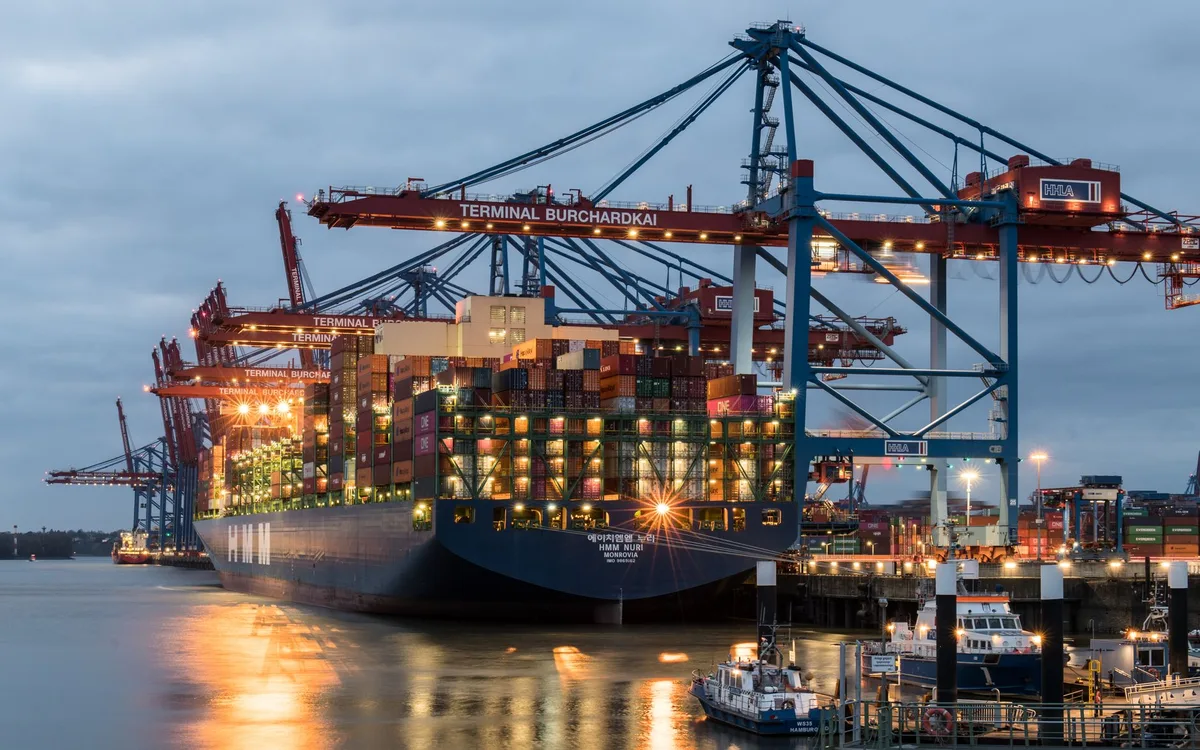
A practical guide to finding, vetting, and ordering from wholesale suppliers anywhere in the world, plus a region-by-region map of where to source what.
Sep 11, 2026