
Brazil's Main Export: What It Is and What Buyers Can Source
What is Brazil's main export? A buyer's guide to Brazil's top exports in 2025, why sources rank them differently, who buys them, and how to source Brazilian goods safely.
Sep 26, 2026
Find verified suppliers on Tawaf
Create Free AccountDMCC is the world's top-ranked free zone.
DMCC (Dubai Multi Commodities Centre) is a government-established free zone in Dubai's Jumeirah Lakes Towers (JLT) district, hosting 22,000+ member companies across commodities trading, precious metals, diamonds, coffee, tea, technology, and professional services. Ranked the world's number one free zone for nine consecutive years by fDi Magazine, DMCC provides trade licenses, business infrastructure, and a regulated marketplace that facilitates over $50 billion in annual commodity flows.
DMCC was established in 2002 by the Government of Dubai with a specific mandate: make Dubai the center of global commodities trade. Twenty-four years later, that mission has delivered results. The free zone sits in JLT, a cluster of 80+ towers near Dubai Marina, and it has grown from a few hundred members to over 22,000 registered companies.
The free zone's strength is its focus on commodities — physical goods that move through global supply chains. Gold, diamonds, tea, coffee, cotton, metals, and energy products all flow through DMCC member companies. The zone provides the infrastructure, regulation, and marketplace that makes these flows efficient: bonded warehouses, precious metals vaulting, the Dubai Diamond Exchange, and the DMCC Tea Centre.
For B2B traders, a DMCC company on the other end of a transaction signals a certain level of legitimacy. DMCC's compliance requirements are stricter than many other free zones, and the zone actively monitors member activity. This does not guarantee every DMCC company is a perfect trade partner, but it does mean they have cleared a baseline verification threshold.
To explore UAE-based businesses beyond DMCC, visit UAE suppliers on Tawaf. For a comprehensive look at all Dubai free zones, read our free zone companies in Dubai guide.
DMCC offers three primary trade license types: Trading License (for buying and selling physical goods — the most common license for commodities companies), Service License (for consulting, professional services, and technology companies), and Industrial License (for light manufacturing and assembly within DMCC facilities). Each license specifies permitted activities, and companies can add multiple activity codes to a single license for AED 2,000-5,000 per additional activity.
The license type determines what a DMCC company can legally do. Here is the detailed breakdown:
| License Type | Permitted Activities | Best For | Annual Cost (AED) | % of DMCC Members |
|---|---|---|---|---|
| Trading License | Import, export, re-export, distribution of physical goods | Commodities traders, distributors, wholesalers | 50,000+ | ~65% |
| Service License | Consulting, technology, marketing, professional services | Service companies, tech firms, consultants | 50,000+ | ~30% |
| Industrial License | Light manufacturing, assembly, processing | Manufacturers, processors, assemblers | 60,000+ | ~5% |
The DMCC Trading License is the most popular option and the one relevant to B2B commodity trade. It permits:
Activity codes on the trading license specify what you can trade. DMCC has hundreds of activity codes covering every commodity category. Some common ones:
A company can hold multiple activity codes on a single license. Adding activities costs AED 2,000-5,000 per code. This flexibility allows DMCC companies to diversify their trading activities without registering separate entities.
Service licenses cover non-physical-goods businesses. Technology companies, management consultancies, accounting firms, and marketing agencies that want a DMCC address and free zone benefits choose this route. The cost structure is similar to the trading license, but the compliance requirements are lighter since there is no physical goods movement.
The rarest DMCC license type. Industrial licenses permit light manufacturing within DMCC facilities. Given DMCC's JLT location (primarily office towers), heavy manufacturing is not feasible. This license suits assembly operations, packaging, labeling, and light processing activities.
Join Tawaf and connect with verified businesses across 47 countries. No middlemen, no commissions.
Join Tawaf FreeSetting up a DMCC company costs between AED 18,900 ($5,150) for a basic flexi-desk package and AED 100,000+ ($27,200+) for a full office setup with multiple visas. The standard setup for a trading company with one visa and a flexi-desk runs approximately AED 50,000-65,000 ($13,600-$17,700) in the first year, including registration, license, establishment card, visa, and office space. Annual renewal costs are typically 60-75% of first-year costs.
Here is the full cost breakdown for a DMCC company setup:
| Cost Component | Amount (AED) | Amount (USD) | Notes |
|---|---|---|---|
| DMCC registration fee | 8,400 | 2,290 | One-time |
| Trade license fee | 12,000–50,000 | 3,270–13,600 | Annual, varies by activity |
| Establishment card (Ejari) | 2,000 | 545 | Annual |
| Flexi-desk (virtual office) | 10,000–20,000 | 2,720–5,450 | Annual |
| Physical office (per sq ft) | 80–150/sq ft | 22–41/sq ft | Annual lease |
| Shareholder registration | 2,000 | 545 | Per shareholder |
| Visa allocation | 5,000–8,000 | 1,360–2,180 | Per visa, includes medical and Emirates ID |
| Bank account opening | 0–5,000 | 0–1,360 | Some banks charge; minimum balance varies |
| Amendment/addition fees | 2,000–5,000 | 545–1,360 | Per activity addition |
Total first-year cost (typical trading company):
Annual renewal cost: AED 30,000–50,000 for flexi-desk setup; AED 70,000–110,000 for physical office setup.
DMCC regularly offers promotional packages. The "Business Setup" package periodically bundles registration, license, and flexi-desk at a discount. Check the DMCC official website for current offers.
Hidden costs to budget for:
DMCC companies trade primarily in gold and precious metals (Dubai handles 25% of global gold trade), diamonds (the Dubai Diamond Exchange is a top-five global exchange), coffee and tea (DMCC operates dedicated trading centers for both), base metals (copper, aluminum, steel), energy products (petroleum, LNG), agricultural commodities, and increasingly technology products and cryptocurrencies through DMCC's Crypto Centre.
DMCC's commodity specialization is its defining characteristic:
Dubai's reputation as the "City of Gold" is built on DMCC's infrastructure. The free zone hosts the Dubai Gold and Commodities Exchange (DGCX), the DMCC Tradeflow platform for commodity ownership transfers, and multiple precious metals vaulting facilities. Key facts:
The Dubai Diamond Exchange (DDE), operated within DMCC, is one of the world's top diamond trading platforms. It provides:
DMCC operates the DMCC Coffee Centre — a 50,000 sq ft facility in Jebel Ali with coffee storage, sampling, and grading capabilities. The DMCC Tea Centre provides similar infrastructure for the global tea trade. Dubai's geographic position between African coffee origins and Asian consumer markets makes it a natural trading hub.
| Commodity | DMCC Members (Est.) | Annual Trade Volume | Key Trading Routes |
|---|---|---|---|
| Gold | 500+ | 2,500+ tonnes | Africa/Asia → Dubai → India/China/Europe |
| Diamonds | 500+ | $25B+ | Africa/Russia → Dubai → India/USA/EU |
| Coffee | 200+ | 400,000+ tonnes | Africa/Brazil → Dubai → EU/Asia |
| Tea | 150+ | 200,000+ tonnes | India/Kenya → Dubai → CIS/Middle East |
| Base metals | 300+ | Varies | Global → Dubai → Regional |
| Energy | 200+ | Varies | Middle East → Global |
DMCC launched the Crypto Centre in 2022, creating a regulated environment for cryptocurrency and blockchain companies. Over 500 crypto firms have registered, making DMCC one of the world's most active crypto business zones. The free zone also actively recruits technology companies, fintech firms, and professional services — broadening beyond its commodities core.
Find DMCC companies through the DMCC Member Directory (searchable at dmcc.ae/members), B2B trade platforms like Tawaf that list verified UAE businesses, the Dubai Chamber of Commerce database, commodity-specific exchanges (DDE for diamonds, DGCX for gold), and industry trade shows in Dubai. Verify companies by checking their DMCC trade license number, reviewing their activity codes, and confirming their physical presence in JLT.
DMCC provides a searchable member directory on its website. This is the first verification step for any company claiming DMCC registration. The directory confirms:
Beyond the directory, here is a systematic approach to finding and verifying DMCC trade partners:
Step 1: Identify potential partners. Use the DMCC member directory filtered by activity code. Cross-reference with B2B platforms — Tawaf lists UAE businesses that include DMCC-registered companies with verified product catalogs and business documentation.
Step 2: Check license status. An active license does not mean a company is actively trading. Some companies maintain licenses for holding purposes. Ask for recent trade documentation (bills of lading, commercial invoices from the past 6 months) to confirm active trade operations.
Step 3: Verify physical presence. Visit the company's JLT office if possible, or request a video call showing their workspace. Flexi-desk registrations are legitimate but indicate a smaller operation. A dedicated office with staff suggests a more established business.
Step 4: Check compliance records. DMCC monitors member compliance with anti-money laundering (AML) and know-your-customer (KYC) regulations. While individual compliance records are not public, a company that has maintained its DMCC license for multiple consecutive years has passed ongoing compliance reviews.
Step 5: Request trade references. Ask for references from existing trade partners, banks, and freight forwarders. A DMCC company with established banking relationships (especially with major UAE banks like Emirates NBD, Mashreq, or ADCB) has undergone bank-level due diligence.
Ready to connect with UAE-based B2B suppliers? Create your free Tawaf account to browse verified businesses across the UAE, including DMCC-registered companies. Send inquiries directly and start trading.
Trading with DMCC companies gives you access to businesses operating within the world's top-ranked free zone with strict compliance standards, zero customs duty within the zone, direct connections to global commodity exchanges and vaulting facilities, geographic proximity to major shipping routes between Asia, Africa, and Europe, and a regulatory framework governed by DMCC Authority and UAE federal law — providing stronger legal protections than many alternative trading locations.
The specific benefits for international B2B buyers:
Regulatory oversight. DMCC regulates its members more actively than many free zones. Companies must comply with AML/KYC regulations, file annual returns, and maintain minimum substance requirements. This regulation creates a higher baseline trust level.
Infrastructure access. DMCC companies can use bonded warehouses, the DMCC Tradeflow platform (for digital commodity ownership transfers), precious metals vaults, and commodity testing/grading facilities. This infrastructure reduces transaction friction and enables faster trade execution.
Geographic advantage. Dubai sits at the intersection of three continents. A DMCC company can receive goods from Africa in the morning and ship them to China by evening (air freight). For commodities that move between producing regions (Africa, South America, South Asia) and consuming markets (Europe, East Asia), Dubai's location saves time and money.
Banking ecosystem. UAE banks in DMCC/JLT specialize in trade finance. Letters of credit, trade guarantees, and commodity financing are standard products. This banking expertise enables larger transactions and more flexible payment terms than you might find with suppliers in less developed financial markets.
Legal framework. Commercial disputes with DMCC companies can be resolved through the DMCC Arbitration Centre or Dubai courts. The UAE's legal framework for commercial transactions is well-established and accessible to international parties. This is a significant advantage over trading with suppliers in jurisdictions with weaker commercial law enforcement.
DMCC leads in commodities trading and member count (22,000+ versus JAFZA's 10,000+), but JAFZA dominates logistics and manufacturing with direct port access. DAFZ excels in aviation and air cargo-linked businesses. DMCC offers the most competitive startup costs for trading companies, the strongest commodities infrastructure, and the most active business community — but it lacks the warehousing and manufacturing capacity that JAFZA and Dubai South provide.
A direct comparison for B2B traders choosing between zones:
| Factor | DMCC | JAFZA | DAFZ | Dubai South |
|---|---|---|---|---|
| Member companies | 22,000+ | 10,000+ | 2,000+ | 4,000+ |
| Primary strength | Commodities trading | Logistics, manufacturing | Aviation, air cargo | Logistics, e-commerce |
| Location | JLT (city center) | Jebel Ali (port) | Airport area | Al Maktoum Airport area |
| Warehouse facilities | Limited | Extensive | Moderate | Extensive |
| Port access | Indirect | Direct (Jebel Ali Port) | Indirect | Direct (Al Maktoum) |
| Airport access | Moderate | Moderate | Direct (DXB) | Direct (DWC) |
| Startup cost | AED 18,900+ | AED 25,000+ | AED 20,000+ | AED 15,000+ |
| Best for | Trading, services | Manufacturing, logistics | Air cargo, pharma | E-commerce, logistics |
| fDi Ranking | #1 globally | Top 5 globally | Not ranked | Not ranked |
Choose DMCC if your business involves commodity trading, professional services, or technology — and you do not need large warehouse space or direct port/airport access.
Choose JAFZA if you import/export physical goods in volume and need warehousing, manufacturing space, and direct access to Jebel Ali Port.
Choose DAFZ if your products move by air freight and you need proximity to Dubai International Airport.
For the complete comparison, read our free zone companies in Dubai guide.
Three major changes are reshaping DMCC operations in 2026: the UAE corporate tax regime now requires all DMCC companies to file annual tax returns (qualifying free zone companies retain a 0% rate on qualifying income), increased Economic Substance Regulations (ESR) enforcement requiring demonstrable operational presence, and DMCC's expansion of its Crypto Centre and AI Hub attracting a new wave of technology-focused member companies.
Corporate Tax Compliance Since June 2023, all UAE businesses — including DMCC companies — are subject to a 9% corporate tax on taxable income above AED 375,000. DMCC companies that qualify as "qualifying free zone persons" can still benefit from a 0% rate on "qualifying income" (income from transactions with other free zone entities or from foreign sources). But they must file returns, maintain transfer pricing documentation, and prove they meet substance requirements.
This is a significant operational change. Before 2023, DMCC companies had minimal tax filing obligations. Now, every company needs an accountant, proper books, and annual tax filings with the Federal Tax Authority (FTA). According to the UAE Federal Tax Authority, qualifying free zone businesses must meet specific conditions including maintaining adequate substance in the UAE.
ESR Enforcement Economic Substance Regulations require DMCC companies performing "relevant activities" to demonstrate adequate substance: physical presence, qualified employees, and operating expenditure in the UAE. Companies that fail substance requirements face penalties ranging from AED 50,000 for first offense to AED 400,000 for repeated violations, plus potential license revocation.
DMCC Expansion Areas DMCC is actively diversifying beyond traditional commodities. The Crypto Centre has attracted 500+ firms. The DMCC Gaming Centre targets the $200B global gaming industry. These expansions change the profile of DMCC membership — the free zone is no longer purely a commodities hub.
International buyers connect with DMCC and other UAE businesses through Tawaf by browsing the verified UAE supplier directory, filtering by industry and product category, sending direct inquiries through the platform, and using the "Looking For" feature to post sourcing requests that UAE-based suppliers can respond to. Tawaf currently lists 26 verified UAE businesses across multiple industries and free zones.
Tawaf simplifies the process of finding and connecting with UAE-based businesses, including those registered in DMCC. The platform's verification process confirms business registration before listing, giving international buyers a pre-screened starting point.
How to use Tawaf for DMCC sourcing:
The suppliers by country hub gives you access to businesses beyond the UAE. If you are sourcing commodities that flow through DMCC — coffee from East Africa, rice from India, metals from South America — you can find origin-country suppliers on Tawaf and DMCC-based trading companies on the same platform.
For B2B marketplace features and capabilities, explore the Tawaf B2B marketplace.
A DMCC company can sell to mainland UAE businesses, but the transaction is treated as an import into the mainland. This means the mainland buyer pays 5% customs duty on the goods and handles import documentation. Many DMCC companies establish a mainland branch or appoint a mainland distributor to simplify this process. For international trade (export from DMCC to another country), there are no customs duties or restrictions.
DMCC company registration takes 5-10 business days for standard applications once all documents are submitted. Document preparation typically takes 1-2 weeks. Visa processing adds 2-4 weeks. Bank account opening can take 2-6 weeks depending on the bank and the complexity of your business structure. Total timeline from initial decision to fully operational company: 6-10 weeks in most cases.
DMCC Tradeflow is a digital platform for registering ownership of commodities stored in DMCC-approved warehouses. It enables commodity owners to transfer ownership electronically without physically moving goods. This reduces transaction costs, speeds up trade execution, and provides a transparent ownership record. Tradeflow is used primarily for precious metals, agricultural commodities, and base metals stored in bonded DMCC warehouses.
Yes. All DMCC companies must submit audited financial statements annually as part of their license renewal process. The audit must be conducted by a DMCC-approved auditor. Audit costs range from AED 5,000 for small companies to AED 25,000+ for larger operations with complex transactions. This requirement has been in place since DMCC's founding and is stricter than some other free zones that only require audits above certain revenue thresholds.
Yes, DMCC allows fully remote company registration. The registration process, document submission, and initial approvals can all be completed online. However, you must visit Dubai for Emirates ID biometrics if you are applying for a residence visa. Some entrepreneurs register the company remotely and visit later for visa processing. Third-party PRO service providers can handle most in-person requirements on your behalf for an additional fee of AED 2,000-5,000.
Get Started
Create your free account and start connecting with verified suppliers and buyers worldwide.
Create Free Account
We help businesses navigate cross-border trade. Our team covers supplier verification, trade compliance, and B2B marketplace strategies to connect verified businesses worldwide.
What is Brazil's main export? A buyer's guide to Brazil's top exports in 2025, why sources rank them differently, who buys them, and how to source Brazilian goods safely.
Sep 26, 2026
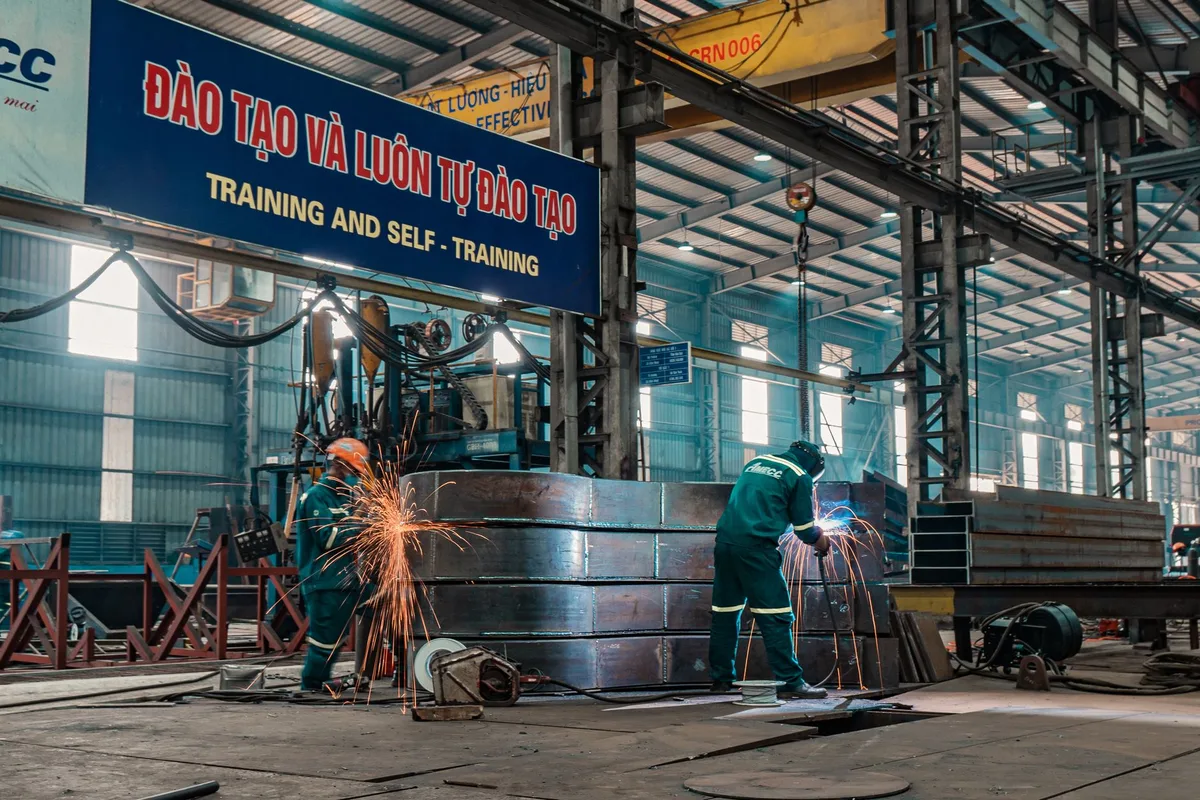
A buyer's guide to Made in Vietnam: what the label means, which products the country manufactures, and how to verify suppliers and origin claims before you order.
Sep 20, 2026
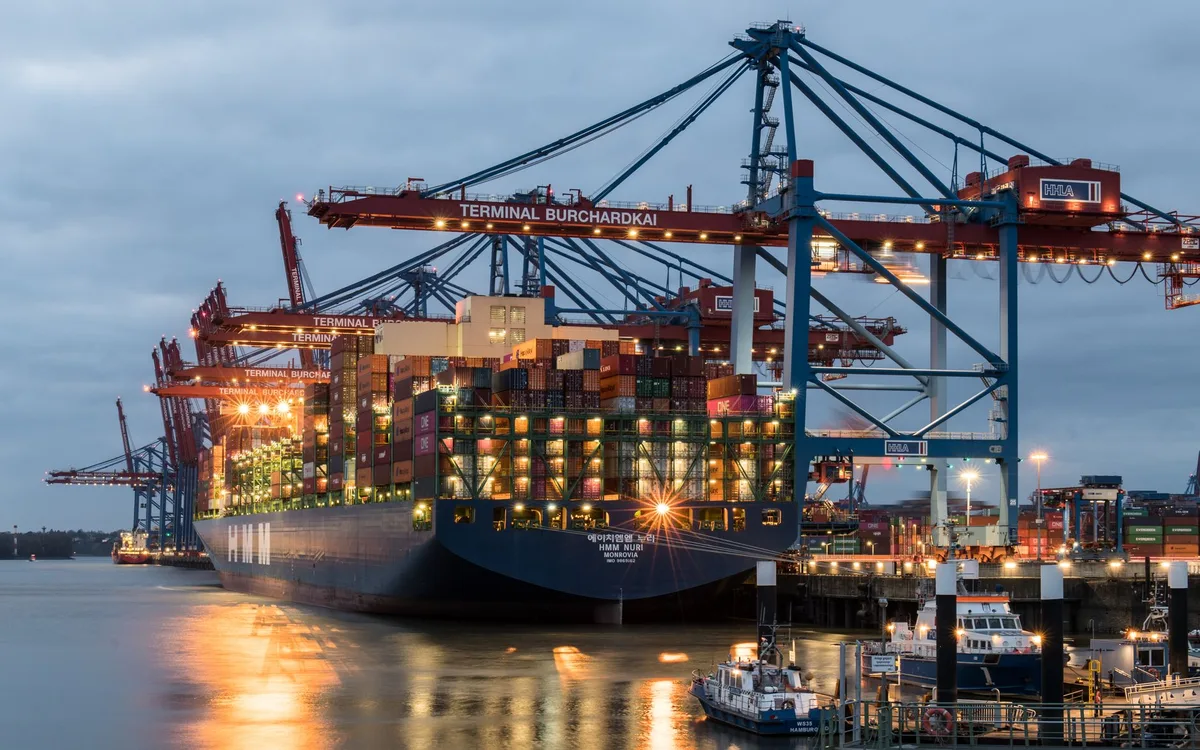
A practical guide to finding, vetting, and ordering from wholesale suppliers anywhere in the world, plus a region-by-region map of where to source what.
Sep 11, 2026