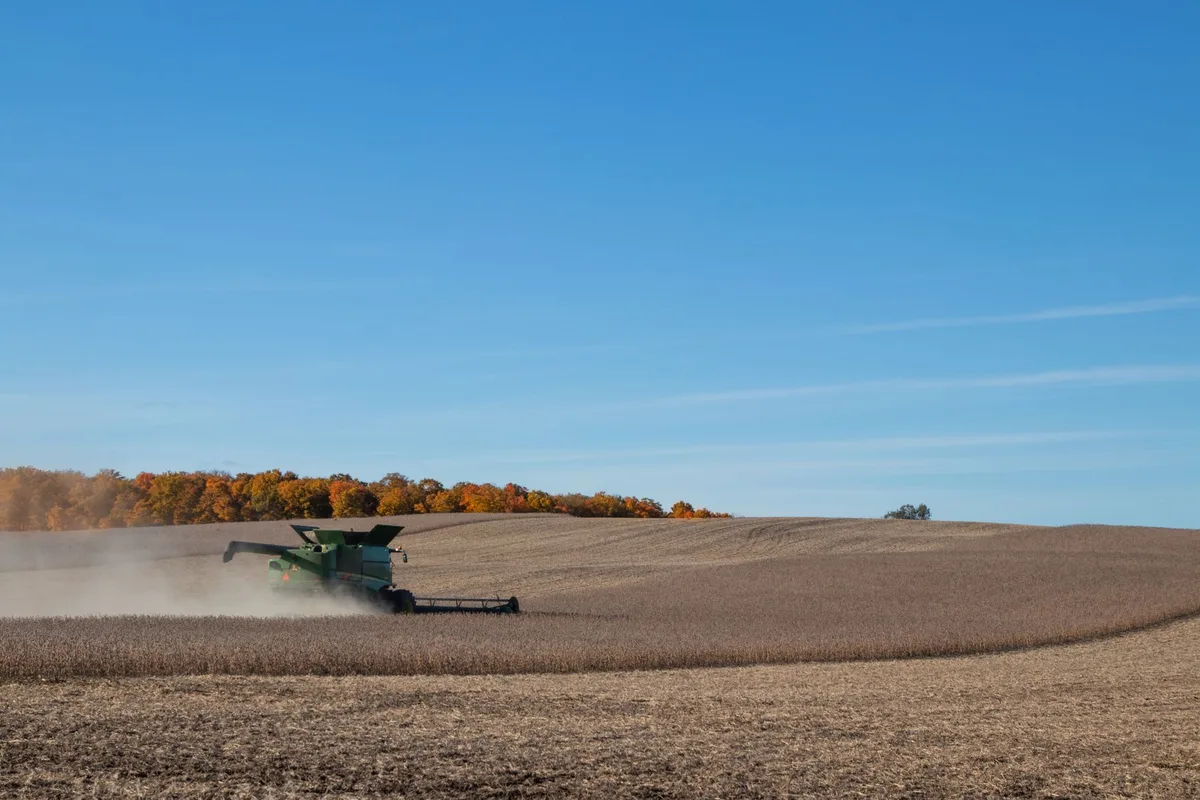
Brazil's Main Export: What It Is and What Buyers Can Source
What is Brazil's main export? A buyer's guide to Brazil's top exports in 2025, why sources rank them differently, who buys them, and how to source Brazilian goods safely.
Sep 26, 2026
Find verified suppliers on Tawaf
Create Free AccountIndia grows 75 different spice varieties. No other country on earth comes close to that breadth of spice production, and India has leveraged this natural advantage into a global export powerhouse worth over $4 billion annually. From the turmeric fields of Erode to the cardamom hills of Kerala and the chili farms of Guntur, Indian spices reach kitchens, food manufacturers, pharmaceutical companies, and cosmetic makers in more than 180 countries.
If you are looking to source spices from India, this guide covers everything from finding the right exporters to understanding quality grades, certifications, and pricing.
Spice exporters in India are companies registered with the Spices Board India that source, process, grade, and ship spice products to international buyers, operating under strict quality standards and export regulations set by the Indian government.
India is the world's largest producer, consumer, and exporter of spices. The Spices Board India, a body under the Ministry of Commerce and Industry, is the apex organization for the development and worldwide promotion of Indian spices. Every legitimate spice exporter must be registered with the Spices Board, which provides a crucial verification layer for international buyers.
The spice export ecosystem in India includes:
India exported spices worth approximately $4.4 billion in the 2024-25 fiscal year, with the US, China, UAE, Vietnam, and the UK as the top destination markets. The volume of exports exceeded 1.9 million tonnes.
India's top spice exports by volume are chili, cumin, turmeric, coriander, and pepper, while by value the leaders are chili, cumin, turmeric, cardamom, and spice oils and oleoresins.
Here is a comprehensive breakdown of India's major export spices:
| Spice | Annual Export Volume | Key Growing Regions | Major Export Markets | Avg. FOB Price (per kg) |
|---|---|---|---|---|
| Chili/Red pepper | ~550,000 MT | Guntur (AP), Khammam (Telangana), Rajasthan | China, Thailand, USA, Sri Lanka | $1.50-4.00 |
| Cumin | ~250,000 MT | Gujarat, Rajasthan | China, USA, UAE, Bangladesh | $2.50-5.00 |
| Turmeric | ~200,000 MT | Erode (TN), Nizamabad (Telangana), Maharashtra | USA, UAE, Bangladesh, UK | $1.50-4.50 |
| Coriander | ~80,000 MT | Rajasthan, MP, Gujarat | China, Malaysia, USA, UAE | $1.00-2.50 |
| Black pepper | ~30,000 MT | Kerala, Karnataka, Tamil Nadu | USA, UK, Germany, UAE | $5.00-9.00 |
| Cardamom (small) | ~5,000 MT | Kerala, Tamil Nadu, Karnataka | Saudi Arabia, UAE, USA, Japan | $20.00-50.00 |
| Ginger | ~60,000 MT | Kerala, Karnataka, Assam, Meghalaya | USA, UAE, UK, Netherlands | $1.50-3.50 |
| Fennel | ~40,000 MT | Gujarat, Rajasthan | China, UAE, USA, Malaysia | $2.00-4.00 |
| Fenugreek | ~45,000 MT | Rajasthan, Gujarat, MP | USA, UAE, Saudi Arabia, Japan | $1.00-2.50 |
| Spice oils & oleoresins | ~15,000 MT | Kerala, Karnataka | USA, Germany, UK, Japan | $15.00-80.00 |
India's dominance in certain spices is extraordinary. The country produces about 75% of the world's turmeric, 70% of global chili production, and is the largest cumin producer by a significant margin.
Join Tawaf and connect with verified businesses across 47 countries. No middlemen, no commissions.
Join Tawaf FreeFind reliable Indian spice exporters through the Spices Board India's registered exporter directory, B2B marketplaces like Tawaf, major spice trade shows like ASTA and India International Spice Conference, and through direct sourcing visits to processing hubs in Gujarat, Kerala, and Andhra Pradesh.
The quality of your spice exporter determines everything from food safety compliance to delivery reliability. Here are the best sourcing channels:
Spices Board India maintains a directory of registered exporters that you can access through their website. Registration with the Spices Board requires the exporter to meet specific quality and infrastructure standards, providing a baseline assurance.
B2B platforms like Tawaf's marketplace let you browse verified spice exporters, compare product offerings, and initiate conversations directly. This is especially useful when you need to source multiple spices from potentially different specialists.
Trade shows and conferences are invaluable for meeting exporters. The India International Spice Conference (organized by the Spice Exporters Forum), the ASTA Spice Conference, and Anuga (Cologne) are the premier events where Indian exporters showcase their products.
Direct sourcing visits to India's spice hubs give you firsthand insight into processing capabilities and quality standards. Key destinations include:
Indian spice exports must comply with Spices Board quality standards, FSSAI regulations, AGMARK grading, and importing country requirements including USFDA standards, EU maximum residue limits (MRLs), ASTA cleanliness specifications, and pathogen testing for Salmonella, E. coli, and aflatoxin levels.
Quality is the battleground in the international spice trade. A single contaminated shipment can destroy a supplier relationship and trigger costly recalls. Here is what buyers should verify:
Indian regulatory standards:
International standards to verify:
| Parameter | US (FDA) | EU | General Good Practice |
|---|---|---|---|
| Aflatoxin B1 | < 20 ppb (total) | < 5 ppb (B1), < 10 ppb (total) | Test every lot |
| Salmonella | Absent in 25g | Absent in 25g | Test every lot |
| E. coli | < 100 CFU/g | < 100 CFU/g | Test every lot |
| Pesticide residues | EPA tolerance levels | EU MRLs (very strict) | Request residue certificates |
| Sudan dyes (chili) | Not permitted | Not permitted | Test chili products specifically |
| Lead | < 10 ppm | < 0.60-3.00 ppm | EU limits are stricter |
| Moisture | Varies by spice | Varies by spice | Critical for shelf life |
| ASTA color value (chili/paprika) | Per contract | Per contract | Higher = better color intensity |
Certifications that add credibility:
When sourcing from Indian suppliers through Tawaf, ask for recent lab test reports and verify certifications independently before placing orders.
Indian turmeric is graded based on curcumin content (the active compound), color intensity, moisture level, origin region, and processing method, with Erode and Nizamabad producing the most sought-after varieties, and prices fluctuating between $1,200-4,500 per metric tonne depending on grade and market conditions.
Turmeric deserves special attention because India dominates global supply and the product has seen explosive demand growth driven by the health and wellness trend.
Key turmeric varieties from India:
Grading parameters:
Ready to source Indian spices directly from verified exporters? Register on Tawaf to access our network of Spices Board-registered exporters across India. Compare quotes, request samples, and manage orders from a single platform.
Exporting spices from India involves Spices Board registration, pre-shipment quality testing at approved laboratories, fumigation and phytosanitary certification, customs clearance through ICEGATE, and compliance with the importing country's food safety requirements, typically taking 2-4 weeks from order confirmation to vessel loading.
The export process is well-defined and heavily regulated to protect India's reputation as a quality spice origin:
Step 1: Order confirmation and procurement. The exporter sources raw spices from mandis (agricultural markets), direct farmer contracts, or their own cultivation. Raw spices are brought to the processing facility.
Step 2: Processing. Raw spices undergo cleaning, sorting, grading, drying (if needed), and packaging. Depending on the buyer's requirements, this may include grinding, sterilization, or extraction.
Step 3: Quality testing. Samples are sent to Spices Board-approved laboratories for testing against the buyer's specifications and importing country requirements. Test parameters include microbiology, pesticide residues, heavy metals, aflatoxins, and physical parameters.
Step 4: Pre-shipment inspection. For certain spice products and destinations, the Spices Board may require pre-shipment inspection and certification.
Step 5: Fumigation. Spices must be fumigated to meet phytosanitary requirements. The Plant Quarantine authority issues the phytosanitary certificate.
Step 6: Documentation and customs. The exporter files the Shipping Bill through ICEGATE, obtains customs clearance, and loads the shipment. Required documents include commercial invoice, packing list, bill of lading, certificate of origin, phytosanitary certificate, health certificate, and lab test reports.
Step 7: Shipment. Spices are typically shipped in 20-foot containers from ports in Cochin, Mumbai (JNPT), Chennai, or Tuticorin. A 20-foot container holds approximately 18-22 metric tonnes of ground spices or 12-16 metric tonnes of whole spices, depending on density.
India is the world's largest organic spice producer with over 1.5 million hectares under organic certification, and organic spice exports are growing at 20-25% annually as global demand for clean-label, pesticide-free spices from traceable supply chains continues to accelerate.
The organic spice segment represents the fastest-growing opportunity in India's spice trade:
Why India for organic spices:
Key organic spice exports:
Price premiums for organic vs. conventional:
| Spice | Conventional FOB/kg | Organic FOB/kg | Premium |
|---|---|---|---|
| Turmeric powder | $1.80-2.50 | $3.50-5.50 | 70-120% |
| Black pepper | $5.00-7.00 | $8.00-13.00 | 60-85% |
| Ginger | $1.50-2.50 | $3.00-5.00 | 80-100% |
| Cumin | $2.50-3.50 | $4.50-7.00 | 80-100% |
| Cardamom | $25.00-40.00 | $40.00-65.00 | 55-65% |
For organic certification validity, ensure your Indian exporter holds both NPOP certification (required in India) and the relevant importing country certification (USDA NOP for the US, EU Organic for Europe). The US Department of Agriculture's NOP maintains a database of certified organic operations that you can verify against.
Effective pricing negotiation with Indian spice exporters requires understanding seasonal price cycles, mandi (market) rates, quality-price relationships, volume commitment benefits, and whether you are buying at spot prices or locking in forward contracts for future delivery.
Spice prices in India are volatile. Turmeric prices, for instance, can swing 50-100% within a single year based on crop size, speculation, and demand. Here is how to navigate pricing:
Understand the seasonal cycle. Each spice has a harvest season that typically brings the lowest prices:
Monitor mandi rates. India's agricultural market prices are publicly available through the AGMARKNET portal. These give you a baseline for raw material costs, which typically represent 60-70% of the export price.
Negotiate based on volume. Indian exporters offer meaningful price breaks for larger orders. A 20-foot container (18-22 MT) will always be priced better per kilogram than a 5 MT trial order. Multi-container or annual volume commitments can yield 5-15% savings.
Consider forward contracts. If you have predictable demand, lock in prices for future delivery during low-price seasons. Many Indian exporters offer 3-6 month forward contracts that protect both parties from volatility.
Payment terms affect pricing. Advance payment (T/T before shipment) typically gets you the best price. LC at sight is standard. Deferred payment terms will be reflected in higher unit prices.
Explore spice suppliers on Tawaf to compare quotes across multiple exporters and identify the best value for your requirements.
Common challenges include pesticide residue compliance failures (especially for EU-bound shipments), aflatoxin contamination in storage, adulteration of ground spices, shipping delays during monsoon season, price volatility linked to crop cycles, and navigating India's complex agricultural export documentation.
Forewarned is forearmed. Here are the pitfalls and how to avoid them:
Pesticide residues. The EU has some of the strictest maximum residue limits globally, and Indian spices have faced increased scrutiny and border rejections. Always request pesticide residue test reports from EU-accredited laboratories and specify EU MRL compliance in your purchase contracts.
Aflatoxin contamination. Improper drying and storage of spices can lead to aflatoxin levels exceeding import limits. This is particularly common with chili, nutmeg, and ginger. Ensure your exporter has proper drying facilities and climate-controlled storage.
Adulteration. Ground spices are more susceptible to adulteration than whole spices. Sudan dyes in chili powder, starch in turmeric, and foreign matter in cumin have all been documented issues. Request whole spices when possible, and always source from HACCP/BRC-certified processors.
Monsoon disruptions. India's monsoon season (June-September) can cause port congestion, shipping delays, and quality issues if spices are not stored properly. Plan your orders to avoid peak monsoon months or build buffer time into your supply chain.
Documentation complexity. India's agricultural export process involves multiple agencies (APEDA, Spices Board, Plant Quarantine, Customs). Working with experienced exporters who handle this routinely eliminates most documentation headaches.
Most established Indian spice exporters have a minimum order quantity of 1-5 metric tonnes, though some will accept smaller orders of 500 kg-1 MT for first-time buyers at slightly higher prices. For a full container load (FCL), plan for 16-22 MT depending on the spice density. LCL (less than container load) shipments are possible but increase per-kg logistics costs.
From order confirmation to delivery, expect 4-8 weeks total. This includes 1-2 weeks for processing and quality testing, 1 week for documentation and loading, and 2-4 weeks for sea transit (depending on destination). Air freight can reduce transit to 3-5 days but costs 5-8 times more than sea freight.
Yes, many Indian spice exporters offer private-label and contract packaging services. They can pack in consumer retail formats (pouches, jars, tins) with your branding, or in bulk packaging (25 kg bags, fiber drums) for food manufacturers. Discuss packaging specifications and minimum runs during the quotation stage, as packaging MOQs may differ from product MOQs.
Indian spices are graded based on physical characteristics (size, color, cleanliness), chemical parameters (volatile oil content, curcumin content for turmeric, piperine content for pepper), and origin. For example, Indian black pepper comes in TGEB (Tellicherry Garbled Extra Bold), TG (Tellicherry Garbled), MG (Malabar Garbled), and UG (Ungarbled) grades, with TGEB being the largest and most premium berries.
Most countries allow spice imports without specific licensing requirements, but all food imports must meet the importing country's food safety standards. The EU and Japan have enhanced border controls on certain Indian spices (particularly chili and curry leaves) due to past pesticide residue issues. Check with your country's food safety authority for current import alert levels on Indian spice products.
Get Started
Create your free account and start connecting with verified suppliers and buyers worldwide.
Create Free Account
We help businesses navigate cross-border trade. Our team covers supplier verification, trade compliance, and B2B marketplace strategies to connect verified businesses worldwide.
What is Brazil's main export? A buyer's guide to Brazil's top exports in 2025, why sources rank them differently, who buys them, and how to source Brazilian goods safely.
Sep 26, 2026
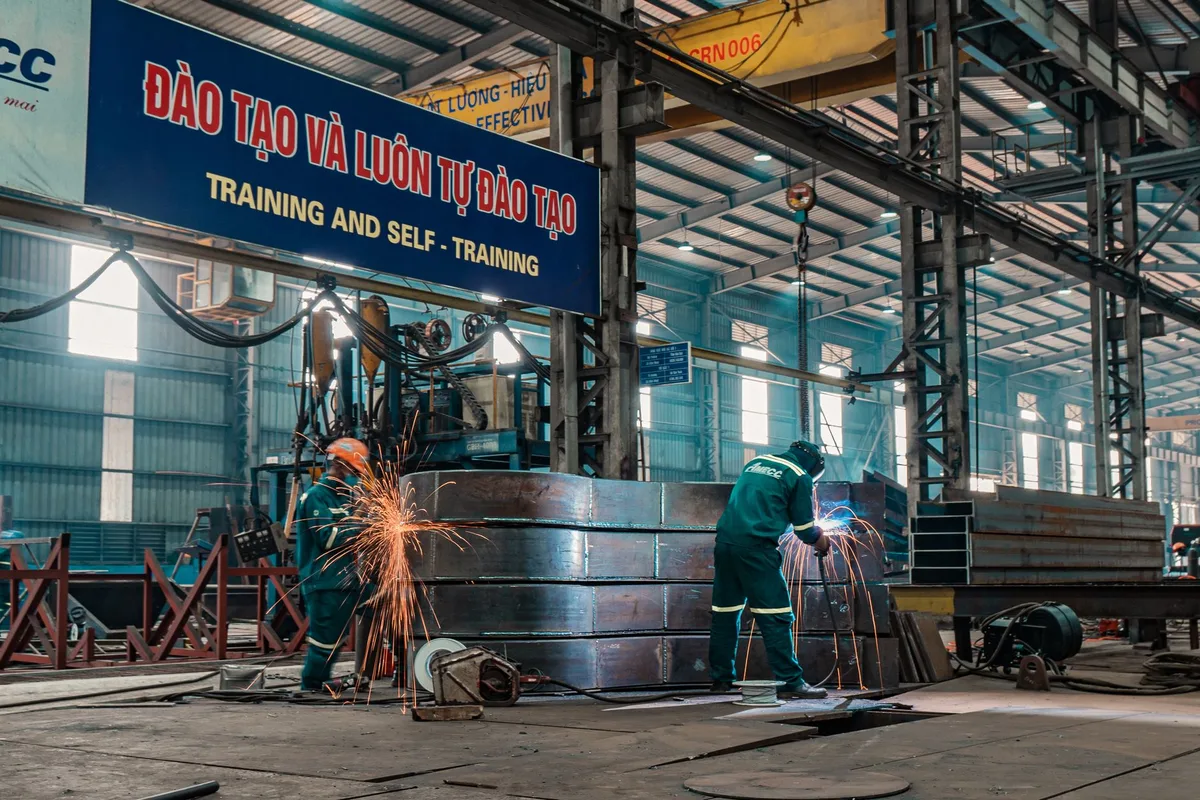
A buyer's guide to Made in Vietnam: what the label means, which products the country manufactures, and how to verify suppliers and origin claims before you order.
Sep 20, 2026

A practical guide to finding, vetting, and ordering from wholesale suppliers anywhere in the world, plus a region-by-region map of where to source what.
Sep 11, 2026