
11 Best Sites Like Alibaba for B2B Sourcing in 2026
Alibaba is not always the right fit. Here are 11 alternative B2B marketplaces, ranked by sourcing region and use case, so you can find suppliers Alibaba's algorithm never surfaces.
Sep 30, 2026
Find verified suppliers on Tawaf
Create Free AccounteBay dropshipping is alive and profitable. Despite rumors that eBay has cracked down on all dropshipping, the platform still allows it under specific conditions. The key difference between the sellers who build sustainable businesses and those who get their accounts restricted comes down to one factor: choosing the right suppliers who understand eBay's rules and can deliver consistently.
This guide walks you through everything you need to know about finding, vetting, and working with eBay dropshipping suppliers in 2026.
eBay dropshipping suppliers are wholesale distributors or manufacturers who fulfill orders on behalf of eBay sellers, shipping products directly to buyers without the seller handling inventory, while complying with eBay's dropshipping policy.
Here is the critical distinction that trips up most new eBay sellers. eBay permits dropshipping when you source from a wholesale supplier or manufacturer. eBay explicitly prohibits purchasing items from another retail marketplace or retailer and having them shipped directly to your buyer. That means buying from Amazon, Walmart, or Home Depot and listing on eBay is a policy violation that will eventually get your account suspended.
The legitimate model works like this:
According to eBay's official dropshipping policy, you must ensure that the item is delivered within the timeframe stated in your listing, your contact information appears as the seller on all documentation, and you are responsible for the safe delivery and customer satisfaction.
This policy framework means your supplier must be reliable, fast, and willing to work within eBay's requirements.
eBay requires wholesale-based dropshipping because retail arbitrage creates poor buyer experiences through inconsistent packaging, longer shipping times, and inability to control product quality or availability.
eBay learned hard lessons during the 2018-2020 retail arbitrage boom. Thousands of sellers were listing products from Amazon and Walmart on eBay, often at higher prices. When those retail sources ran out of stock or changed prices, eBay buyers were left with canceled orders, delayed shipments, and confusion about where their purchase actually came from.
The platform's reputation suffered, and eBay responded with stricter enforcement. The results speak for themselves: sellers who work with legitimate wholesale suppliers consistently outperform those who try to game the system.
The benefits of working with proper wholesale suppliers on eBay include:
Join Tawaf and connect with verified businesses across 47 countries. No middlemen, no commissions.
Join Tawaf FreeFind eBay-compliant suppliers through B2B marketplaces, wholesale directories, manufacturer outreach, trade shows, and by joining eBay seller communities where experienced sellers share vetted sources.
Let me walk you through each channel in detail.
B2B marketplaces are your fastest path to vetted suppliers. Platforms like Tawaf connect you with manufacturers and wholesalers who already understand the dropshipping model. You can filter by product category, shipping location, and fulfillment capabilities. Many suppliers on these platforms have experience working with eBay sellers specifically.
Wholesale directories like SaleHoo, Worldwide Brands, and Inventory Source maintain lists of pre-vetted dropshipping suppliers. SaleHoo, for example, verifies that every supplier in their directory is a legitimate business with proper registration. The annual membership fee pays for itself if it helps you avoid even one scam supplier.
Direct manufacturer contact is underrated. Identify products you want to sell on eBay, find who manufactures them, and reach out directly. Many manufacturers have programs for online retailers but do not advertise them publicly. A professional inquiry explaining your eBay store, current sales volume, and growth plans can open doors.
Industry trade shows like ASD Market Week in Las Vegas or the National Hardware Show give you face time with hundreds of potential suppliers. You can inspect products, negotiate terms, and establish relationships in person. These events are investments, but the supplier relationships you build there are often your most profitable.
eBay seller communities on Facebook, Reddit (r/eBayDropShipping), and dedicated forums are goldmines for supplier recommendations. Experienced sellers often share which suppliers have worked well for them, though you should always do your own due diligence.
The best-selling eBay dropshipping products are typically in the $20-100 price range, lightweight, not fragile, have consistent demand year-round, and are not dominated by major brand storefronts.
Product research for eBay requires a different approach than Amazon or Shopify. eBay's search algorithm, Cassini, weighs different factors, and the buyer demographic skews differently.
Here are the product categories that consistently perform well for eBay dropshippers:
| Category | Avg. Price Range | Margin Potential | Competition Level | Shipping Complexity |
|---|---|---|---|---|
| Auto parts & accessories | $15-80 | 25-40% | Medium | Low-medium |
| Home improvement tools | $20-60 | 20-35% | Medium | Low |
| Phone & tablet accessories | $5-30 | 35-50% | High | Very low |
| Kitchen gadgets | $10-45 | 25-40% | Medium | Low |
| Garden & outdoor tools | $15-70 | 20-35% | Low-medium | Medium |
| Pet supplies | $10-40 | 30-45% | Medium | Low |
| Office supplies | $8-50 | 20-30% | Low | Low |
| Craft & hobby supplies | $5-35 | 30-45% | Low-medium | Low |
Product research methodology for eBay:
Browse wholesale products across categories to find items with strong eBay potential from verified suppliers.
Proper supplier vetting for eBay involves placing test orders, verifying 2-3 day processing times, confirming plain packaging capabilities, testing their inventory feed accuracy, and reviewing their defect rate history.
eBay's seller performance standards are strict. Your account health depends directly on your supplier's performance. Here is the vetting checklist that protects your eBay account:
Step 1: Place test orders. Order at least three different products and ship them to yourself. Time every stage from order placement to delivery. Note packaging quality, product condition, and whether any third-party branding is included.
Step 2: Verify processing times. eBay penalizes late shipments heavily. Your supplier must be able to process and ship orders within 1-2 business days. Ask specifically about their average processing time and whether they provide tracking numbers promptly.
Step 3: Confirm packaging. The package that arrives at your customer's door must not contain any supplier branding, invoices with wholesale pricing, or marketing materials from another company. Ask suppliers directly if they offer blind shipping or white-label packaging.
Step 4: Test inventory feeds. The worst thing on eBay is selling something that is out of stock. Ask potential suppliers how they communicate inventory changes. The best suppliers offer real-time inventory feeds via API, CSV, or integration with tools like Inventory Source or AutoDS.
Step 5: Check return policies. Understand exactly what happens when an eBay buyer wants to return an item. Will your supplier accept returns? Who pays return shipping? How quickly do they process refunds? eBay's money-back guarantee means you are on the hook regardless, so your supplier's cooperation matters.
Step 6: Verify business credentials. Request their business registration, tax ID, and physical address. For US suppliers, check them against the Better Business Bureau directory. For international suppliers, verify their export licenses and any relevant certifications.
Your suppliers directly impact four critical eBay metrics: late shipment rate, tracking upload rate, item not as described rate, and transaction defect rate, all of which determine your seller level and search visibility.
eBay operates a tiered seller system: Below Standard, Above Standard, and Top Rated. Your tier affects your search placement, fees, and even whether you can continue selling. Here is how supplier performance maps to eBay metrics:
| eBay Metric | Target for Top Rated | How Supplier Affects It | Mitigation Strategy |
|---|---|---|---|
| Late shipment rate | < 3% | Slow processing, delayed tracking | Require same-day or next-day processing |
| Tracking upload rate | > 95% | Missing or delayed tracking numbers | Automated tracking integration |
| Item not as described | < 0.3% | Quality inconsistency, wrong items | Regular sample orders, clear specs |
| Transaction defect rate | < 0.5% | Stock-outs, cancellations | Real-time inventory feeds |
| Cases closed without resolution | < 0.3% | Poor return handling | Pre-negotiated return process |
Maintaining Top Rated Seller status gives you a 10% discount on final value fees and a Top Rated Plus badge on your listings, which significantly boosts buyer confidence and conversion rates.
Want to connect with suppliers who already understand eBay's requirements? Create your free buyer account on Tawaf and access verified wholesale suppliers across dozens of product categories. Filter specifically for suppliers offering dropshipping fulfillment with eBay-compatible packaging and processing times.
The most effective eBay dropshipping automation tools handle listing creation, order routing, price monitoring, inventory sync, and tracking updates, with AutoDS, DSM Tool, and Inventory Source leading the market.
Manual dropshipping on eBay stops being viable around 50-100 orders per week. Beyond that volume, you need automation to maintain quality and your sanity.
Listing tools pull product data from your suppliers and create eBay listings automatically. They handle title optimization, image formatting, category selection, and item specifics. Good tools also monitor your listings for policy compliance and flag potential issues.
Order routing automatically forwards orders from eBay to the correct supplier. When a buyer purchases from your store, the tool places the order with your supplier, enters the shipping address, and retrieves the tracking number without you lifting a finger.
Price monitoring watches your suppliers' prices and adjusts your eBay prices accordingly to maintain your target margin. If a supplier raises their wholesale price, your eBay price updates automatically.
Inventory synchronization is arguably the most important feature. When a supplier runs out of a product, your eBay listing should either go out of stock or switch to a backup supplier automatically. Stock-outs that result in order cancellations are the fastest way to destroy your seller metrics.
| Tool | Monthly Cost | Key Strength | Best For |
|---|---|---|---|
| AutoDS | $26-56 | All-in-one automation | Beginners to intermediate |
| DSM Tool | $24-48 | Price optimization | Price-competitive niches |
| Inventory Source | $99-150 | Supplier integration | Scaling operations |
| SaleFreaks | $24-40 | Product research | Finding winning products |
| Easync | $29-55 | Multi-channel | Sellers on multiple platforms |
Effective eBay dropshipping customer service requires proactive communication, pre-written response templates for common issues, a clear escalation process with suppliers, and a returns budget to resolve disputes quickly.
On eBay, your customer service quality directly affects your seller metrics and search ranking. Buyers do not know or care that you are using a dropshipping model. They expect fast, helpful responses.
Response time matters. eBay tracks how quickly you respond to buyer messages. Aim to reply within 4 hours during business hours and always within 24 hours. Set up automated responses for common questions (shipping status, return policy, product specifications) so buyers get instant acknowledgment.
Shipping updates are essential. Send a personalized message when the order ships, including the tracking number and estimated delivery date. If there is any delay, notify the buyer before they have to ask. Proactive communication prevents the majority of negative feedback and cases.
Handle disputes generously. For items under $30-40, it is often cheaper and better for your metrics to issue a refund or send a replacement without requiring a return. The cost of a negative feedback or eBay case far exceeds the cost of eating a small loss on an individual order.
Build a returns budget. Allocate 3-5% of your revenue to cover returns, replacements, and customer goodwill gestures. This is a cost of doing business with dropshipping, and the sellers who budget for it operate with much less stress.
Finding reliable suppliers on Tawaf who have experience with ecommerce fulfillment reduces your customer service burden significantly because their error rates tend to be lower.
eBay dropshippers must obtain a sales tax permit, collect sales tax in nexus states, register their business entity, maintain proper records, and ensure product compliance with consumer safety regulations.
The legal side of eBay dropshipping is often overlooked until it becomes a problem. Here is what you need to have in order:
Business registration. Register an LLC or equivalent business entity in your state or country. This protects your personal assets and gives you a tax ID number that suppliers require to open wholesale accounts.
Sales tax compliance. In the US, eBay now collects and remits sales tax in most states through their marketplace facilitator program. However, you still need a sales tax permit to purchase from wholesale suppliers without paying sales tax on your inventory (a resale certificate).
Product compliance. If you sell electronics, children's products, cosmetics, or food items, there are specific regulatory requirements. The Consumer Product Safety Commission (CPSC) outlines requirements for products sold in the US market. Your supplier should be able to provide necessary certifications.
Import duties. If your supplier ships from overseas, you or your supplier may need to handle customs duties and import taxes. Understand the landed cost of your products including all duties before setting your eBay prices.
Record keeping. Maintain records of all transactions, supplier agreements, and product certifications. This protects you during tax audits and any disputes with eBay or buyers.
Scaling eBay dropshipping requires diversifying suppliers, expanding to multiple eBay accounts (with permission), adding sales channels, building a team, and transitioning top sellers to bulk inventory models for better margins.
Once your first eBay store is profitable and running smoothly, here is the typical growth path:
Phase 1: Optimize (0-100 sales/month). Focus on finding winning products and reliable suppliers. Dial in your listing optimization, pricing strategy, and customer service processes. Goal: achieve Top Rated Seller status.
Phase 2: Automate (100-500 sales/month). Implement automation tools for listing, ordering, and inventory management. Start building SOPs (Standard Operating Procedures) for every repeatable task. Goal: your time should focus on strategy, not operations.
Phase 3: Diversify (500-2000 sales/month). Add new product categories and suppliers. Explore suppliers by country to find unique products that differentiate your store. Consider opening additional eBay accounts (eBay allows this with separate business entities and bank accounts). Goal: multiple revenue streams.
Phase 4: Expand (2000+ sales/month). Add Shopify, Amazon, or other channels. Begin transitioning your best-selling products from pure dropshipping to a hybrid model where you hold small quantities of top performers for faster shipping. Consider private labeling your most popular items.
Phase 5: Build the team. Hire virtual assistants for customer service and order management. Bring on a product researcher. At significant scale, consider a warehouse for your top-selling inventory.
The most successful eBay dropshippers we see on Tawaf's marketplace eventually build genuine brand businesses that started with dropshipping as the low-risk entry point.
Yes. eBay's policy explicitly allows dropshipping when you source from wholesale suppliers or manufacturers. What is not allowed is purchasing from other retailers (Amazon, Walmart, etc.) and having them ship to your eBay buyers. The key requirement is that you must be the seller of record and ensure timely delivery.
Earnings vary widely. A part-time eBay dropshipper with 50-100 sales per month might net $500-1,500 after all expenses. Full-time operators with optimized stores doing 500+ sales monthly often earn $3,000-10,000 per month in profit. The top performers who scale to multiple stores and channels can exceed $30,000 monthly, though this requires significant time and capital investment.
Auto parts and accessories remain one of the most profitable eBay dropshipping niches due to high demand, good margins, and the need for specific part numbers (which reduces price-only competition). Home improvement, garden tools, and specialty kitchen items also perform well. Avoid overly saturated categories like generic phone cases or trendy items with short lifecycles.
New eBay accounts start with selling limits (typically 10 items or $500/month). These increase automatically as you build positive sales history. You can also call eBay to request limit increases. Start with higher-priced items to maximize revenue within your limits, and focus obsessively on customer satisfaction to accelerate limit increases.
Yes, many wholesale suppliers serve sellers across multiple platforms. However, you may need to confirm that the supplier can meet Amazon's stricter packaging and branding requirements separately from your eBay operations. Some sellers use the same supplier but different fulfillment instructions for each channel.
Get Started
Create your free account and start connecting with verified suppliers and buyers worldwide.
Create Free Account
We help businesses navigate cross-border trade. Our team covers supplier verification, trade compliance, and B2B marketplace strategies to connect verified businesses worldwide.
Alibaba is not always the right fit. Here are 11 alternative B2B marketplaces, ranked by sourcing region and use case, so you can find suppliers Alibaba's algorithm never surfaces.
Sep 30, 2026
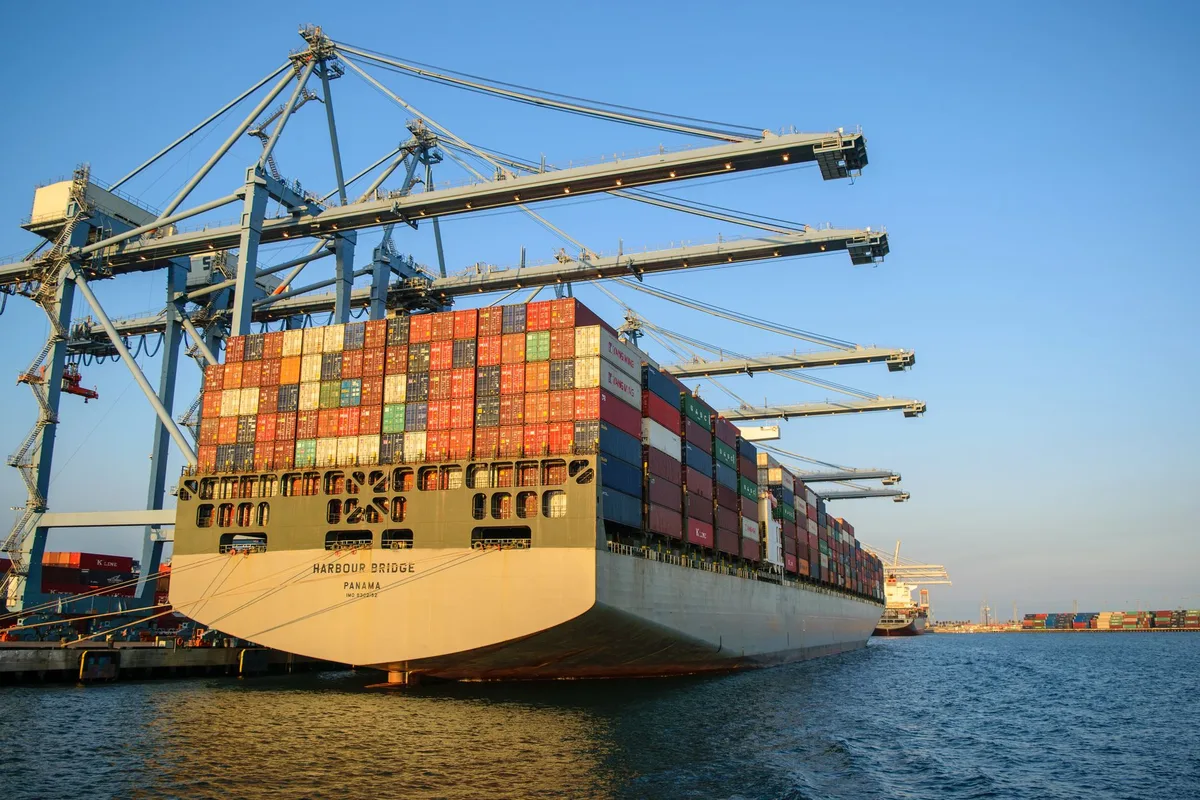
A trade marketplace connects buyers and sellers online. Here is how they work, what to check before joining one, and how Tawaf fits the Southeast Asian and cross-border trade landscape.
Sep 8, 2026
Trust is the currency of trade. Every international transaction requires a buyer to trust that a seller will deliver what was promised, and a seller to trust that a buyer will pay. When that trust is misplaced, the consequences are severe. The average SME fraud loss from unverified suppliers ranges
May 14, 2026