11 Best Sites Like Alibaba for B2B Sourcing in 2026
Alibaba is not always the right fit. Here are 11 alternative B2B marketplaces, ranked by sourcing region and use case, so you can find suppliers Alibaba's algorithm never surfaces.
Sep 30, 2026
Find verified suppliers on Tawaf
Create Free AccountEvery supply chain starts with a search.
Twenty years ago, that search meant trade fairs, cold calls, and a rolodex of contacts built over decades. Today, it increasingly starts on a trade marketplace: a website where businesses list what they sell, describe what they need, and find each other without a middleman. This guide covers what a trade marketplace actually is, how the buying and selling process works end to end, what separates a trustworthy platform from a risky one, and where a platform like Tawaf fits if your trade runs through Southeast Asia, the Middle East, or South Asia.

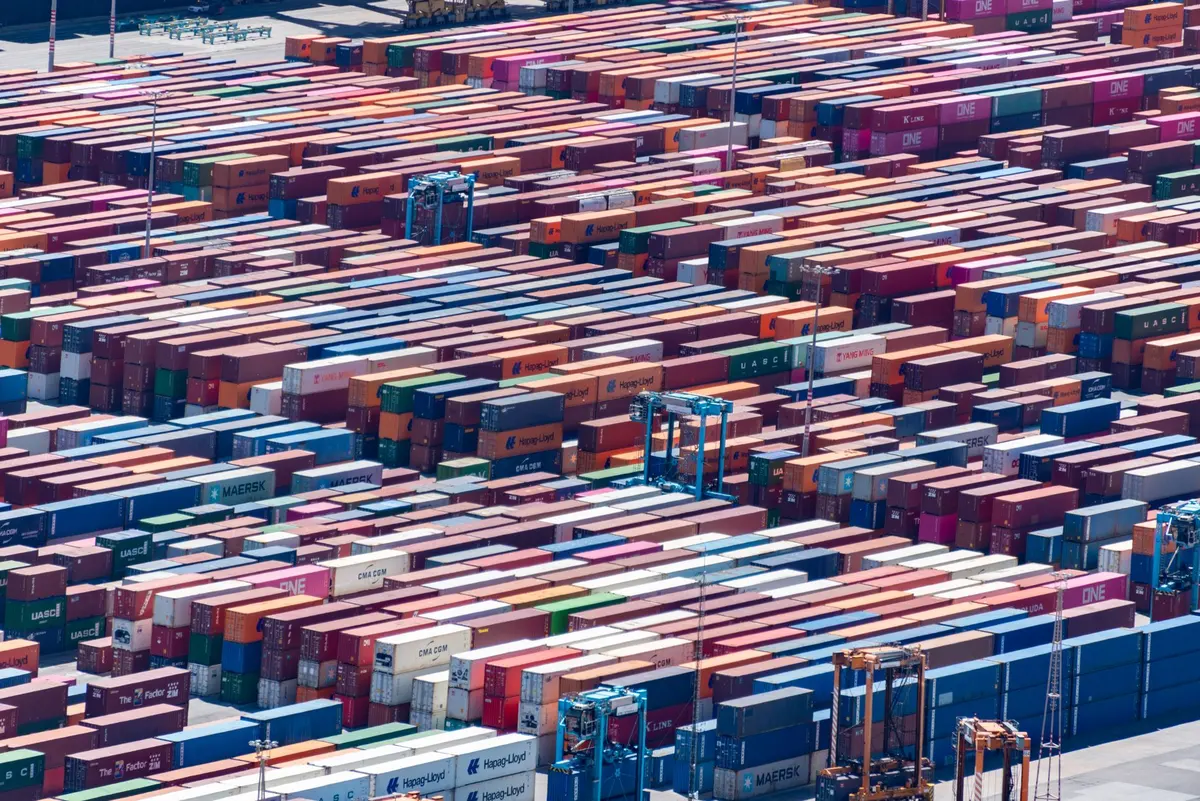
A trade marketplace is an online platform where businesses buy from and sell to other businesses, rather than individual consumers. It replaces phone calls, trade fairs, and cold outreach with searchable company profiles, product listings, and structured inquiries. The World Trade Organization has tracked global merchandise trade in the tens of trillions of dollars for years, and a growing share of that trade now starts with an online search instead of an in-person introduction.
The term covers a wide range of platforms. Some are broad, horizontal marketplaces that list almost anything, like Alibaba or IndiaMART. Others are vertical, focused on one industry such as textiles or industrial parts. Some are regional, built around trade corridors between specific countries. What they share is a basic function: helping a buyer find a seller (or the reverse) without either side starting from zero.
For a closer look at how these platforms compare feature by feature, see our full breakdown of business to business marketplaces.
A trade marketplace works in five stages: discovery, verification, inquiry, negotiation, and fulfillment. A buyer searches for a product or posts a request describing what they need. Sellers with matching listings respond, both sides review each other's profiles and verification status, they negotiate price and terms through the platform's messaging system, and once a deal is struck, they arrange payment and shipping, often outside the marketplace itself.
That last part surprises first-time users. Unlike a consumer marketplace where checkout happens on the platform, most B2B trade marketplaces stop at the introduction and negotiation. What happens after an agreement is reached, payment terms, shipping method, customs documentation, is typically handled directly between the two businesses, sometimes with help from a freight forwarder or trade finance provider.
Here is the typical flow in more detail:
Sales cycles on trade marketplaces vary widely. A small repeat order between businesses that already trust each other can close in days. A first-time order involving sample approval, quality inspection, and contract negotiation often takes several weeks to a few months. For a deeper look at the payment side of this process, see our guide to international payment methods for trade, and for the paperwork side, our Incoterms guide.
Join Tawaf and connect with verified businesses across 47 countries. No middlemen, no commissions.
Join Tawaf FreeTrade marketplaces generally fall into three categories: horizontal, vertical, and regional. Horizontal platforms list products across many industries and prioritize breadth. Vertical platforms specialize in a single industry and prioritize depth and buyer-seller fit. Regional platforms focus on a specific trade corridor and often build in verification or logistics support tailored to that corridor.
| Type | What It Prioritizes | Typical Fit |
|---|---|---|
| Horizontal | Breadth of product categories | Buyers sourcing across multiple product lines |
| Vertical | Depth within one industry | Buyers who need specialized suppliers (e.g. textiles, electronics) |
| Regional | Trade corridor expertise and verification | Buyers and sellers trading within or into a specific region |
None of these types is universally better. A horizontal platform gives you the widest supplier pool, but you do more of the vetting work yourself. A vertical or regional platform trades some of that breadth for a supplier base that is more relevant, and sometimes more thoroughly verified, for your specific trade.
Businesses move to trade marketplaces because they cut sourcing time, widen the pool of potential partners, and centralize communication that used to happen across scattered emails and phone calls. For buyers, that means finding suppliers in regions they would otherwise struggle to reach. For sellers, it means reaching business buyers who are actively searching, rather than relying entirely on trade shows and referrals.
For buyers, the main advantages are:
For sellers, the main advantages are:

Before listing products or sourcing on a trade marketplace, check its verification process, fee structure, geographic focus, and dispute-handling policy. These four factors determine whether the platform actually reduces your risk or just adds another place to get scammed.
Run through this checklist:
Not sure your sourcing process would survive a bad-faith supplier? Create a free Tawaf account to browse verified business profiles, post a "Looking For" request, or list your own products. No subscription fee for buyers.
The biggest risks on any trade marketplace are supplier misrepresentation, payment fraud, and quality mismatches between the sample and the shipped order. These risks exist on every platform, including the largest ones, and they are the main reason verification and documentation matter more in B2B trade than in consumer shopping.
A few of the most common failure points:
None of these risks are a reason to avoid trade marketplaces. They are the reason to choose one with real verification, and to follow the same due diligence you would apply to any new business relationship, online or off.

Tawaf is a B2B trade marketplace focused on verified cross-border trade, with particular strength connecting Southeast Asian, Middle Eastern, and South Asian businesses. Every business on Tawaf creates a profile and can list products, post "Looking For" requests to find suppliers, and communicate through a threaded inquiry system rather than a generic contact form. Tawaf has more than 160 registered businesses on the platform, based on Tawaf's own account data.
What sets Tawaf apart from a purely horizontal, global platform is regional focus. Instead of trying to cover every trade corridor equally, Tawaf concentrates on the corridors where verification and local trade context matter most: businesses sourcing from Pakistani exporters, Turkish manufacturers, or African suppliers, for instance, where trust signals from a purely global platform are often thinner. You can browse verified suppliers by country to see how that geographic focus plays out in practice.
For businesses that primarily need to find upstream suppliers rather than list products themselves, our guide to B2B supplier directories explains how a directory differs from a full marketplace, and when you need one versus the other.

A trade marketplace connects businesses buying from other businesses, with bulk orders, negotiated pricing, and longer sales cycles. A B2C marketplace like Amazon sells fixed-price, single-unit items directly to individual consumers, with checkout and payment handled entirely on the platform itself.
It depends on the platform's verification and your payment method. Paying a full deposit by wire transfer to an unverified, first-time supplier is high-risk. Using escrow, a letter of credit, or a verified platform with a dispute process significantly reduces that risk.
Costs vary by platform. Some charge sellers a listing or subscription fee and let buyers browse free. Others charge a transaction percentage. Tawaf does not charge buyers a subscription fee to browse or send inquiries; check any platform's fee page before listing products.
Small and mid-size businesses are the primary users of most trade marketplaces. Platforms built for SMEs, rather than only enterprise procurement teams, typically offer lower minimum order quantities and simpler onboarding than enterprise sourcing systems.
Expect at minimum a commercial invoice, packing list, and, for cross-border trade, a certificate of origin and any product-specific compliance documents. Our Incoterms guide explains who is responsible for which documents and costs at each stage of shipping.
Tawaf lets you list products, post a "Looking For" request, or browse verified suppliers across Southeast Asia, the Middle East, and South Asia from one account. Registration is free, and buyers pay no subscription fee to browse listings or send inquiries.
Create your free Tawaf account to get started.
Free to join. No subscription fee for buyers.
Sources: World Trade Organization, trade statistics · U.S. Small Business Administration, exporting guide
Get Started
Create your free account and start connecting with verified suppliers and buyers worldwide.
Create Free Account
We help businesses navigate cross-border trade. Our team covers supplier verification, trade compliance, and B2B marketplace strategies to connect verified businesses worldwide.
Alibaba is not always the right fit. Here are 11 alternative B2B marketplaces, ranked by sourcing region and use case, so you can find suppliers Alibaba's algorithm never surfaces.
Sep 30, 2026
Trust is the currency of trade. Every international transaction requires a buyer to trust that a seller will deliver what was promised, and a seller to trust that a buyer will pay. When that trust is misplaced, the consequences are severe. The average SME fraud loss from unverified suppliers ranges
May 14, 2026

Halal certification opens doors. For food exporters, cosmetics manufacturers, and pharmaceutical companies targeting Muslim-majority markets, halal certification is not just a marketing advantage --- it is a legal requirement in dozens of countries. This guide breaks down everything you need to know
May 12, 2026