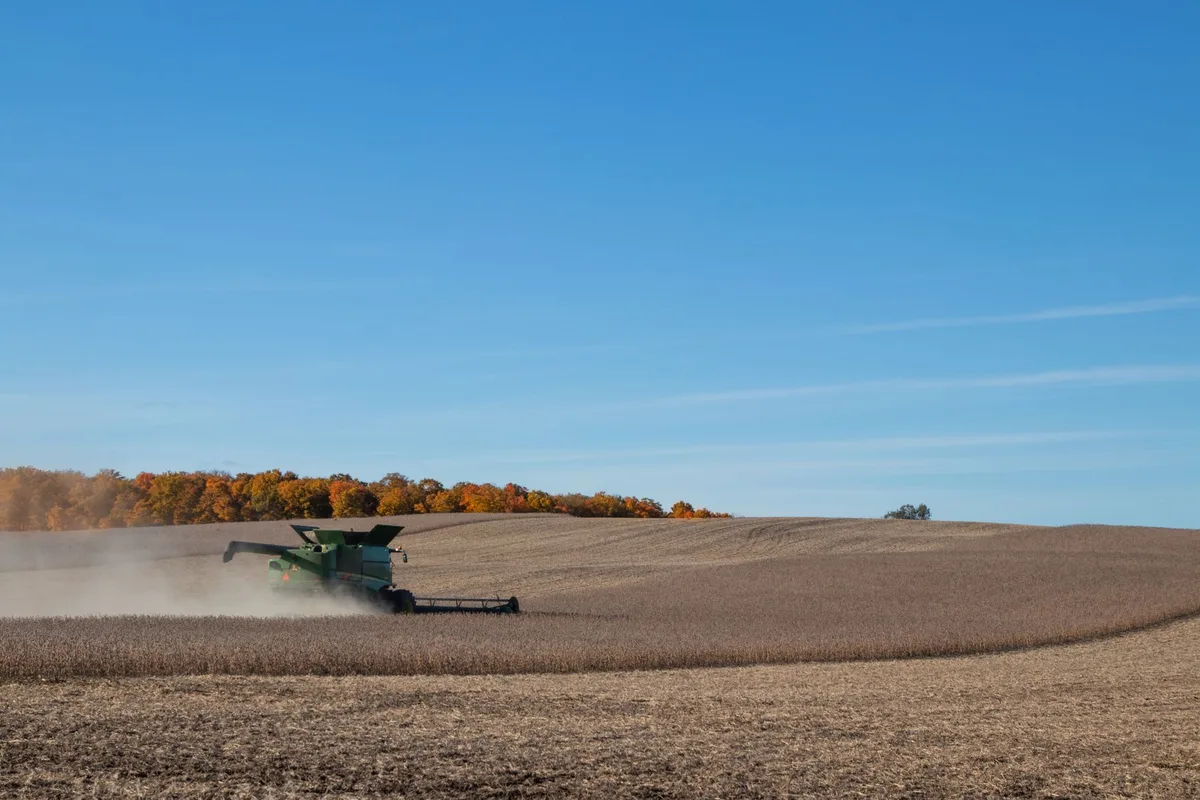
Brazil's Main Export: What It Is and What Buyers Can Source
What is Brazil's main export? A buyer's guide to Brazil's top exports in 2025, why sources rank them differently, who buys them, and how to source Brazilian goods safely.
Sep 26, 2026
Find verified suppliers on Tawaf
Create Free AccountLahore is Pakistan's commercial backbone. The city's wholesale markets move billions of rupees in merchandise daily, supplying retailers across Punjab, throughout Pakistan, and increasingly to international buyers in the Middle East, Central Asia, and Africa.
This guide maps every major wholesale market in Lahore — what each market specialises in, where it is located, what prices to expect, and how to navigate them whether you are a local retailer or an international sourcing professional visiting for the first time.
Lahore's wholesale markets are dense commercial districts — most concentrated in the walled city — where thousands of traders sell everything from textiles and electronics to food, auto parts, and building materials at trade prices, serving as the primary supply chain hub for northern Pakistan.
Unlike modern wholesale warehouses or B2B platforms, Lahore's wholesale markets are organic, centuries-old commercial ecosystems. Many trace their origins to the Mughal era. The markets are characterised by:
The wholesale markets cluster primarily in two zones:
Walled City (Androon Sheher) — The historic old city area inside the original Mughal-era walls. Home to Azam Cloth Market, Shah Alam Market, Akbari Mandi, and many others.
Brandreth Road and McLeod Road corridor — The commercial spine connecting the Walled City to the railway station area. Home to Brandreth Road (hardware), Hall Road (electronics), and numerous speciality markets.
| Market | Specialty | Location | Estimated Shops | Price Level |
|---|---|---|---|---|
| Azam Cloth Market | Fabrics, textiles | Walled City (Circular Road) | 3,000+ | Lowest |
| Shah Alam Market | Unstitched suits, readymade | Walled City | 2,000+ | Low |
| Anarkali Bazaar | Bridal wear, jewellery, shoes | Walled City (Mall Road end) | 1,500+ | Low-Medium |
| Hall Road | Electronics, computers, phones | Near Railway Station | 2,000+ | Low |
| Brandreth Road | Hardware, tools, plumbing | Near Railway Station | 1,500+ | Lowest |
| Akbari Mandi | Dry fruits, spices, groceries | Walled City | 1,000+ | Lowest |
| Misri Shah | Auto parts, machinery | Misri Shah Road | 800+ | Low |
| Bilal Gunj | Grains, pulses, flour | Bilal Gunj area | 500+ | Lowest |
| Montgomery Road (Empress Road) | Furniture, home décor | Near Mall Road | 300+ | Medium |
| Ichhra Bazaar | Budget clothing, second-hand | Ichhra | 2,000+ | Lowest |
| Urdu Bazaar | Books, stationery, school supplies | Walled City | 500+ | Low |
| Kashmiri Bazaar | General goods, household | Walled City | 800+ | Low |
| Tollinton Market | Imported goods, cosmetics, toys | Near Mall Road | 400+ | Medium |
| Daroghewala | Timber, construction materials | GT Road area | 200+ | Low |
| Shah Alam Gate (Loha Bazaar) | Iron, steel, metal goods | Walled City | 600+ | Lowest |
Azam Cloth Market is the largest textile wholesale market in Pakistan, offering every fabric type at prices 30–60 % below retail. It is the primary sourcing point for fabric retailers, tailors, and fashion businesses across the country.
We have written a dedicated deep-dive on Azam Cloth Market — read the full guide at Azam Cloth Market Lahore — Wholesale Fabric Directory.
Key highlights:
For international textile sourcing, browse Pakistani fabric suppliers on Tawaf.
Join Tawaf and connect with verified businesses across 47 countries. No middlemen, no commissions.
Join Tawaf FreeShah Alam Market is Lahore's largest wholesale destination for unstitched women's suits, readymade garments, and embroidered fabric — directly adjacent to Azam Cloth Market and often visited in the same trip.
Shah Alam Market picks up where Azam Cloth Market leaves off. While Azam focuses on raw fabric by the metre, Shah Alam specialises in:
| Product | Retail Price | Shah Alam Wholesale Price | Savings |
|---|---|---|---|
| Branded lawn 3-piece (Gul Ahmed) | PKR 3,500–6,000 | PKR 2,500–4,500 | 20–30 % |
| Unbranded lawn 3-piece | PKR 1,200–2,500 | PKR 700–1,500 | 35–45 % |
| Embroidered chiffon suit | PKR 5,000–12,000 | PKR 3,000–8,000 | 30–40 % |
| Readymade cotton kurti | PKR 800–1,500 | PKR 400–900 | 40–50 % |
Hall Road is Lahore's — and arguably Pakistan's — largest electronics market, covering everything from computers, laptops, and mobile phones to CCTV cameras, networking equipment, and gaming accessories at wholesale and retail prices.
Hall Road stretches for about 1.5 km near the Lahore Railway Station. The market is divided into sections:
Computer and laptop section — Hundreds of shops sell new and refurbished laptops, desktops, monitors, and accessories. Brands include Dell, HP, Lenovo, and locally assembled machines. Refurbished laptops from the US, UK, and Japan are a major business here.
Mobile phone section — New and used smartphones, cases, screen protectors, chargers, and repair parts. Samsung, iPhone, and Chinese brands (Xiaomi, Oppo, Realme) dominate.
Networking and CCTV — Routers, switches, IP cameras, DVRs, and structured cabling. Many businesses source their IT infrastructure from Hall Road.
Gaming — A growing section selling gaming consoles (PS5, Xbox), gaming PCs, peripherals, and accessories.
| Product | Market Retail (PKR) | Hall Road Wholesale (PKR) | Savings |
|---|---|---|---|
| Refurbished Dell Laptop (i5, 8GB) | 65,000–80,000 | 45,000–60,000 | 25–30 % |
| New iPhone 15 (128GB) | 380,000–420,000 | 350,000–380,000 | 8–12 % |
| Xiaomi Redmi Note 13 | 60,000–68,000 | 50,000–58,000 | 12–18 % |
| Hikvision 4-camera CCTV kit | 35,000–45,000 | 25,000–35,000 | 20–30 % |
| Gaming chair | 25,000–40,000 | 18,000–30,000 | 25–30 % |
Caution: Hall Road is notorious for counterfeit and grey-market products. Always verify serial numbers, check warranty cards, and buy from established shops. For high-value purchases, insist on a proper invoice with shop name and CNIC (national ID) of the seller.
Anarkali is Lahore's oldest and most famous bazaar, known for bridal wear, traditional jewellery, khussas (traditional shoes), and a vibrant atmosphere that blends wholesale commerce with tourist appeal.
Anarkali Bazaar stretches from the Punjab Secretariat area to the Walled City gates. It has two sections:
Old Anarkali — The original bazaar. Narrow lanes packed with shops selling:
New Anarkali — The broader commercial area with more modern shops selling:
For wholesale bridal and formal wear sourcing, Anarkali is hard to beat. Many of the shops here supply wedding outfitters across Pakistan and also export to diaspora communities in the UK, US, and Middle East.
Sourcing from Lahore's wholesale markets? Create your free account on Tawaf to connect with verified suppliers in Pakistan. Whether you need textiles, electronics, or any other product category, our platform helps you find and compare vendors without needing to visit in person.
Brandreth Road is Lahore's hardware and industrial wholesale hub — covering tools, plumbing supplies, electrical fittings, paint, fasteners, and construction materials at prices 25–40 % below retail.
Brandreth Road runs from the Railway Station towards McLeod Road and is one of the longest commercial streets in Lahore. The market serves:
| Category | Key Products | Typical Savings vs. Retail |
|---|---|---|
| Plumbing | PVC pipes, fittings, valves, taps | 30–40 % |
| Electrical | Cables, switches, breakers, panels | 25–35 % |
| Tools | Power tools, hand tools, welding equipment | 20–30 % |
| Fasteners | Bolts, nuts, screws, anchors | 35–45 % |
| Paint | Interior/exterior paints, primers, thinners | 15–25 % |
| Locks and security | Padlocks, door locks, safes | 25–35 % |
The market also has a strong presence of Chinese imports. Many Brandreth Road traders import directly from Yiwu and Guangzhou, which is how they maintain such competitive pricing.
Akbari Mandi and Bilal Gunj are Lahore's primary wholesale food markets — Akbari Mandi handles dry fruits, spices, and packaged goods, while Bilal Gunj dominates grains, pulses, and flour at auction-style pricing.
Located in the Walled City, Akbari Mandi is one of the oldest wholesale markets in Lahore. It supplies:
Akbari Mandi operates partly on a commission-agent (arthti) system. Goods arrive from producing regions (dates from Balochistan, spices from Sindh, dry fruits from Afghanistan) and are sold through commission agents who charge 2–5 % to facilitate the transaction.
The wholesale grain market. If you need wheat flour (atta), rice (basmati is a major Pakistani export), pulses (daal), or other staple grains in bulk, this is the market. Prices at Bilal Gunj are often the reference point for grain prices across all of Punjab.
| Commodity | Bilal Gunj Wholesale (PKR/kg) | Retail Market (PKR/kg) | Savings |
|---|---|---|---|
| Basmati rice (Super Kernel) | 280–320 | 350–420 | 20–25 % |
| Wheat flour (atta) | 85–100 | 110–130 | 18–25 % |
| Chana daal | 200–240 | 270–330 | 22–28 % |
| Sugar | 120–140 | 150–175 | 18–22 % |
| Cooking oil (per litre) | 380–430 | 460–520 | 16–20 % |
Misri Shah is Lahore's wholesale hub for automotive parts, industrial machinery, and mechanical components — serving mechanics, workshops, and factories across Punjab and the tribal belt.
Misri Shah Market runs along Misri Shah Road and specialises in:
Misri Shah is where mechanics from across Pakistan come to source parts that are not available in their local markets. The pricing is aggressive — particularly for Chinese and Taiwanese aftermarket parts that sell at a fraction of OEM prices.
International buyers can work through local sourcing agents, visit in person during trade seasons, or use B2B platforms like Tawaf to connect with Lahore-based suppliers who are equipped for export.
Pakistan is a globally competitive textile exporter. Lahore's markets offer:
The EU's GSP+ preferential trade scheme gives Pakistani textiles zero-duty access to the European Union — a massive price advantage over competitors like China and Bangladesh who face standard duties.
Lahore's electronics and hardware markets source heavily from China. For international buyers, it may be more efficient to source directly from China unless you specifically need Pakistani-assembled or Pakistani-branded products.
Pakistan's basmati rice, mangoes, dates, and spices have strong international demand. Akbari Mandi and Bilal Gunj connect you with the supply chain for these products. Export documentation (phytosanitary certificates, quality certificates) is handled by the exporter.
| Method | Cost | Best For | Lead Time |
|---|---|---|---|
| Sourcing agent (Lahore-based) | 3–7 % commission | First-time buyers, complex orders | 2–4 weeks |
| Direct visit + buying | Travel costs only | Large orders, relationship building | 1 week on-site |
| B2B platform (Tawaf) | Free to register | Remote sourcing, comparing suppliers | 1–3 weeks |
| Trade shows (TEXPO, Expo Lahore) | Booth visit costs | Industry-specific sourcing | Annual events |
For a digital-first sourcing experience, explore Tawaf's supplier directory and filter by location (Pakistan / Lahore) and product category.
Bring cash, wear comfortable shoes, visit early in the morning for the best experience, hire a local guide if you are unfamiliar with the city, and always compare prices at multiple shops before buying.
Transport: Lahore's Walled City has extremely limited parking. Use Careem, InDrive, or the Orange Line Metro (stop at Lakshmi Chowk for the Walled City markets). The last 500 metres will always be on foot.
Cash: While digital payments (JazzCash, Easypaisa) are growing, cash is still king in wholesale markets. ATMs are available but can run out of cash on busy days. Bring enough for your expected purchases.
Language: Urdu and Punjabi are the primary languages. English is limited but functional for basic transactions. For complex negotiations, a local guide is invaluable.
Safety: Lahore's markets are generally safe during daytime operating hours. Exercise standard precautions — keep your phone and wallet secure, avoid showing large amounts of cash, and be cautious in extremely crowded areas.
Weather: Lahore summers (May–September) are extremely hot (40–45°C). Markets have minimal air conditioning. Visit early morning or late afternoon. Winters (November–February) are pleasant but can be foggy, which may affect travel.
Food: The Walled City area has some of Lahore's best street food. Gawalmandi (adjacent to Anarkali) is famous for its food street. Do not miss the opportunity to eat at the legendary Butt Karahi, Fazal-e-Haq, or Cuckoo's for a proper Lahori experience.
Explore more sourcing destinations in our suppliers by country directory.
Digital transformation, formal commercial plazas replacing informal shops, and growing international buyer interest are the three trends reshaping Lahore's wholesale markets — though the core bazaar culture remains resilient.
Digital adoption. More shops are selling through WhatsApp, Instagram, and Facebook. Some have launched basic e-commerce websites. Platforms like Tawaf's B2B marketplace are helping traditional wholesale traders reach international buyers they could never access through their physical shop alone.
Infrastructure upgrades. The Punjab government has invested in upgrading roads, drainage, and fire safety in the Walled City markets. New multi-storey commercial plazas offer air-conditioned, well-organised shopping — a welcome contrast to the traditional narrow lanes.
Export growth. Pakistan's textile exports exceeded $18 billion in FY 2025-26, with Lahore as a major contributor. The Trade Development Authority of Pakistan (TDAP) actively promotes Lahore's markets at international trade fairs.
Challenges. Traffic congestion, fire safety concerns (many old buildings lack adequate fire prevention), and the informal cash economy remain significant challenges. But the commercial energy is undeniable — Lahore's wholesale markets adapt, evolve, and continue to thrive.
Most wholesale markets in the Walled City are closed on Sunday. Some shops in Anarkali, Liberty, and Ichhra may open, but with reduced hours. Saturday is a full working day. Friday afternoons (after Jummah prayer, around 1:30 PM) are quieter in some markets.
Yes. Most markets have nearby cargo offices that handle domestic and international shipping. For export shipments, you will need a clearing agent to handle customs documentation. Air freight via Allama Iqbal International Airport is available for urgent shipments, while sea freight via Karachi port handles bulk orders.
For raw fabric, Azam Cloth Market is unmatched. For unstitched suits and readymade garments, Shah Alam Market. For bridal and formal wear, Anarkali Bazaar. For budget clothing and second-hand items, Ichhra Bazaar. Each serves a different segment of the clothing market.
It depends entirely on your product category and order size. For a small retailer stocking fabric, PKR 200,000–500,000 ($700–$1,800) covers a decent initial inventory. For electronics, budget higher. For food commodities, prices depend on weight. Always bring 20 % more than you plan to spend — you will find things you did not plan to buy.
Large cash transactions are common and the market environment is accustomed to it. That said, avoid displaying large bundles of cash openly. Many traders use bank-to-bank transfers for orders above PKR 100,000. Consider using a combination of cash (for small purchases and negotiation leverage) and bank transfer (for larger orders).
Get Started
Create your free account and start connecting with verified suppliers and buyers worldwide.
Create Free Account
We help businesses navigate cross-border trade. Our team covers supplier verification, trade compliance, and B2B marketplace strategies to connect verified businesses worldwide.
What is Brazil's main export? A buyer's guide to Brazil's top exports in 2025, why sources rank them differently, who buys them, and how to source Brazilian goods safely.
Sep 26, 2026
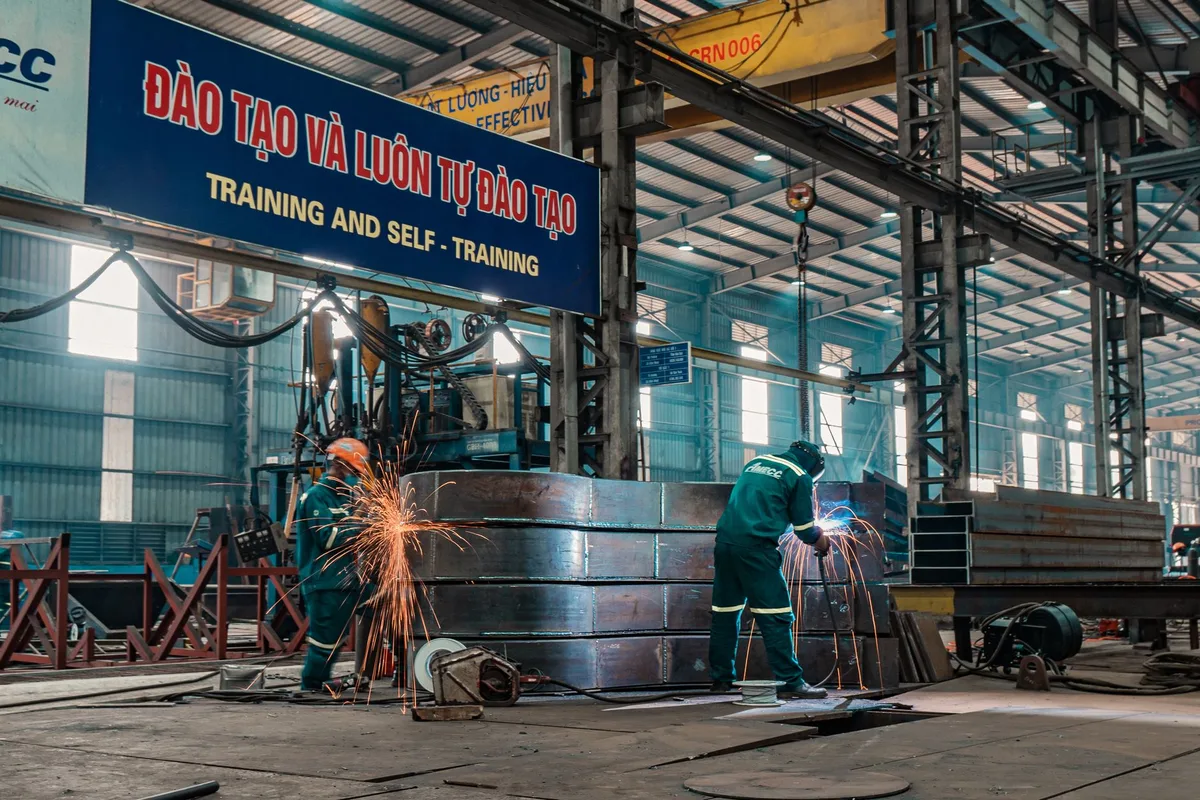
A buyer's guide to Made in Vietnam: what the label means, which products the country manufactures, and how to verify suppliers and origin claims before you order.
Sep 20, 2026
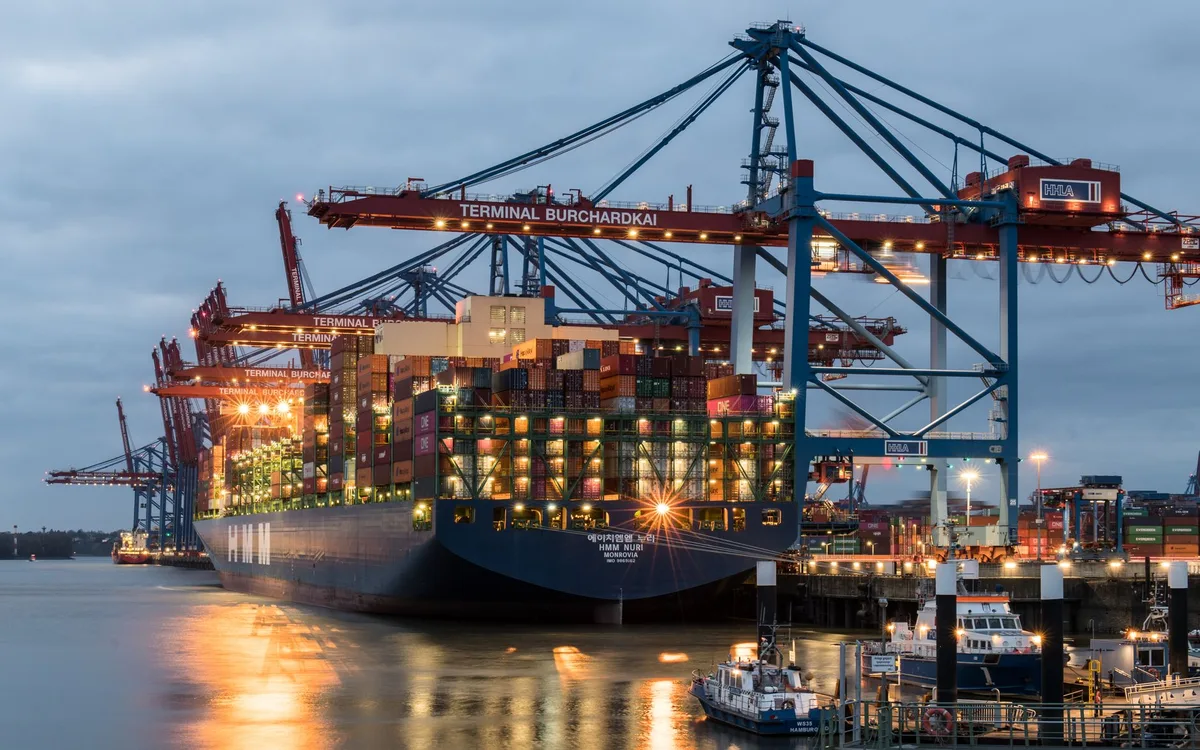
A practical guide to finding, vetting, and ordering from wholesale suppliers anywhere in the world, plus a region-by-region map of where to source what.
Sep 11, 2026