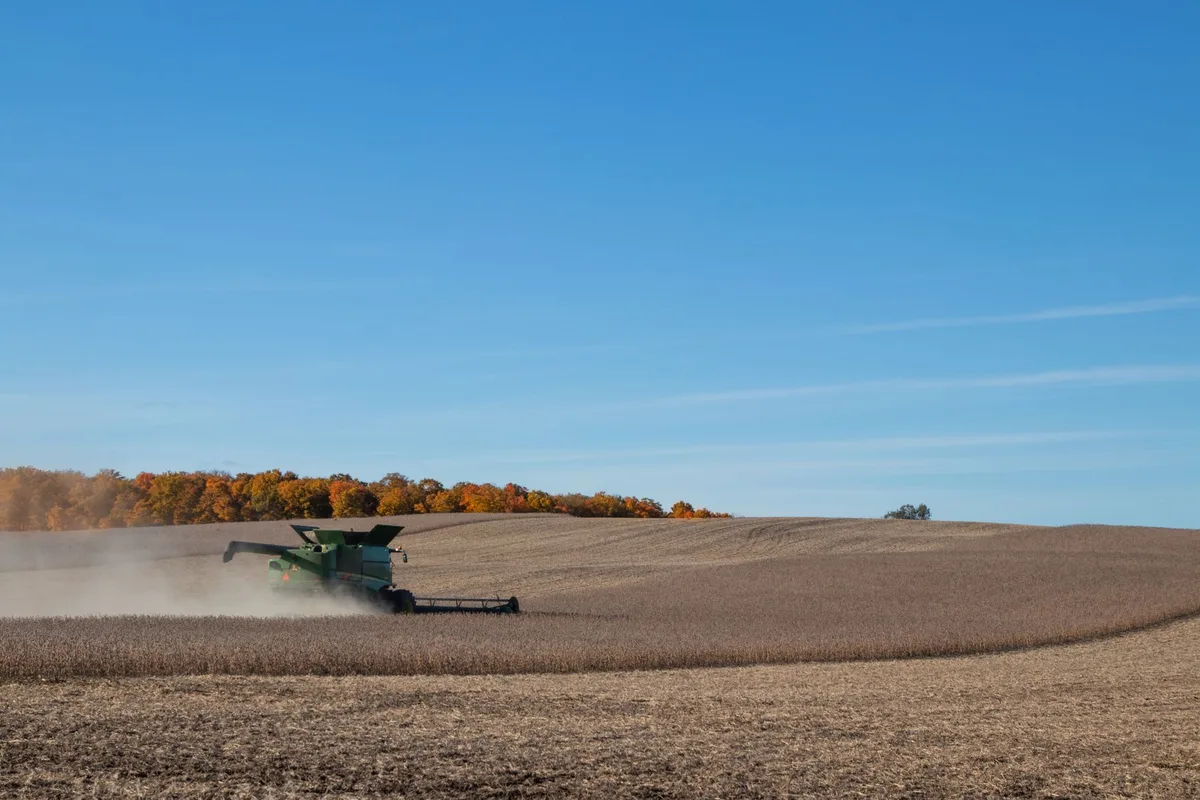
Brazil's Main Export: What It Is and What Buyers Can Source
What is Brazil's main export? A buyer's guide to Brazil's top exports in 2025, why sources rank them differently, who buys them, and how to source Brazilian goods safely.
Sep 26, 2026
Find verified suppliers on Tawaf
Create Free AccountFabric fills every corner of Bur Dubai. Walk through the narrow lanes between Al Fahidi and Meena Bazaar and you are surrounded by bolts of silk from China, cotton voile from India, polyester suiting from Pakistan, and lace from Turkey — stacked floor to ceiling in over 250 shops that collectively form the largest textile wholesale market in the Middle East. For B2B buyers, designers, tailoring businesses, and fashion brands, this district is where sourcing happens in person, at prices that online platforms struggle to match for small-to-medium orders.
The textile wholesale market in Bur Dubai is a concentrated district of 250+ fabric shops, wholesalers, and trading companies located primarily along Al Fahidi Street, Meena Bazaar, and the Old Souk. It functions as the Middle East's largest physical fabric marketplace, sourcing textiles from India, China, Pakistan, Turkey, and Indonesia for buyers across the Gulf, Africa, and Central Asia.
The market is not a single building or mall. It is an organic district that has grown over decades, centered around three interconnected areas: the Bur Dubai Textile Souk (the historic covered market near the Creek), Al Fahidi Street (the main commercial artery with larger wholesale showrooms), and Meena Bazaar (the dense warren of smaller shops specializing in Indian and Pakistani fabrics).
The distinction between "wholesale" and "retail" in Bur Dubai is fluid. Most shops sell to both categories. A tourist buying 3 meters of silk for a dress pays a retail markup. A tailor buying 50 meters of the same silk negotiates a wholesale rate. A garment manufacturer buying 500 meters gets a deeper discount and possibly a direct container price from the supplier's warehouse in Al Quoz or Jebel Ali.
What makes Bur Dubai unique globally is the concentration of origins. Within a single block, you can source Japanese denim, Italian wool, Indian embroidered georgette, Chinese polyester crepe, Pakistani lawn cotton, and Turkish lace. No other textile market in the world packs this much variety into such a compact geography.
The market serves a regional buyer base that extends far beyond the UAE. Buyers from Saudi Arabia, Oman, Bahrain, Kuwait, East Africa (Kenya, Tanzania, Ethiopia), and Central Asia (Afghanistan, Uzbekistan) make regular purchasing trips to Bur Dubai specifically for textiles.
Bur Dubai offers virtually every fabric category: cotton (lawn, voile, poplin, denim), silk (raw, crepe de chine, satin), polyester (georgette, crepe, chiffon), wool (suiting, cashmere blends), linen, lace, embroidered fabrics, African print (ankara, kitenge), abaya fabrics, and bridal materials. Pricing starts at AED 5/meter for basic polyester and exceeds AED 500/meter for premium embroidered silk.
The fabric categories available in Bur Dubai break into several segments based on end use and buyer profile.
| Fabric Category | Price Range (AED/meter) | Key Origins | Main Buyer Segments | Typical MOQ (Wholesale) |
|---|---|---|---|---|
| Cotton lawn/voile | 8-25 | Pakistan, India | Tailors, garment brands | 50 meters |
| Polyester georgette/crepe | 5-18 | China, Korea | Fashion brands, event planners | 50-100 meters |
| Silk (raw and satin) | 40-200 | China, India | Bridal, luxury fashion | 20-50 meters |
| Embroidered georgette | 25-150 | India, Pakistan | Occasion wear, Middle East fashion | 20-50 meters |
| Abaya fabrics (nidha, crepe) | 12-45 | Japan, Korea, China | Abaya manufacturers, retailers | 50-100 meters |
| African print (ankara) | 15-40 | China (printed for African market) | African diaspora retailers, traders | 50-100 meters |
| Denim | 15-50 | Japan, Turkey, Pakistan | Jeans manufacturers, fashion brands | 100 meters |
| Wool suiting | 50-300 | Italy, UK, Turkey | Tailoring shops, menswear brands | 20-50 meters |
| Lace and tulle | 20-120 | Turkey, France, China | Bridal, evening wear | 20-50 meters |
| Linen | 25-80 | Belgium, Ireland, China | Resort wear, home textiles | 30-50 meters |
Abaya fabrics deserve special mention because Dubai is the global epicenter for abaya production and trade. Japanese nidha (a lightweight, flowing polyester) is the gold standard for premium abayas. Korean crepe and Chinese equivalents serve the mid-market. Shops on Al Fahidi Street carry dozens of nidha variations differentiated by weight, drape, and sheen.
African print fabrics represent a major trade flow. Chinese manufacturers produce wax-print and ankara fabrics specifically for African markets, and Bur Dubai serves as the transshipment hub. African traders buy containers of printed fabric in Bur Dubai and ship to West Africa, East Africa, and African diaspora communities in Europe and North America.
Bridal and occasion fabrics — heavily embroidered silk, beaded tulle, crystal-studded lace — are a high-value segment concentrated in Meena Bazaar. Indian and Pakistani suppliers dominate this niche, with fabrics that can exceed AED 500 per meter for hand-embroidered pieces.
Join Tawaf and connect with verified businesses across 47 countries. No middlemen, no commissions.
Join Tawaf FreeThe market spans three main zones: the historic Textile Souk (covered lanes near Dubai Creek, tourist-friendly, mixed retail-wholesale), Al Fahidi Street (larger wholesale showrooms, serious B2B trade), and Meena Bazaar (dense network of smaller shops, strong South Asian focus). Warehousing and bulk operations are in Al Quoz and Jebel Ali Free Zone.
Understanding the physical layout saves you time. Each zone has a different character and serves a different buying profile.
The Textile Souk (Old Souk area). This is the historic covered market running parallel to the Creek. It is the most photographed and tourist-visited part of the market. The shops here are smaller, carry a broad range of fabrics, and are accustomed to selling retail lengths (1-10 meters). Wholesale is possible but you need to negotiate. Best for: initial exploration, sample sourcing, buying small quantities of diverse fabrics.
Al Fahidi Street. This is the commercial backbone. Larger showrooms, air-conditioned spaces, organized fabric displays, and staff who speak wholesale pricing fluently. Many shops here are owned by established trading companies with warehouse operations. Best for: bulk buying, establishing ongoing supply relationships, sourcing specific fabric types in production quantities.
Meena Bazaar. Located between Al Fahidi Roundabout and the Textile Souk, Meena Bazaar is the densest part of the district. Shops are packed tightly, inventory is stacked high, and the energy is intense. This area specializes in Indian and Pakistani fabrics — embroidered goods, wedding materials, dress fabrics, and tailoring supplies. Best for: South Asian fabrics, embroidered and embellished materials, competitive pricing through negotiation.
Al Quoz and Jebel Ali (warehouses). The serious wholesale trade does not happen in the souk shops. It happens in warehouses. Large textile trading companies maintain showrooms in Bur Dubai for sampling and relationship-building, but fulfill orders from warehouse facilities in Al Quoz Industrial Area or Jebel Ali Free Zone. If you are buying container quantities (5,000+ meters), you will be directed to the warehouse.
Negotiation is expected and follows a predictable pattern: ask for the "best price," counter 20-30% below, settle at 10-15% below the opening price. Volume discounts start at 50 meters per fabric. Cash (or bank transfer) gets better pricing than credit cards. Build relationships across visits — regulars get significantly better deals than walk-ins.
Pricing in Bur Dubai is dynamic. The same bolt of fabric can sell at three different prices depending on who is buying and how the negotiation unfolds.
First rule: always ask for the wholesale price. Even if you are buying a small quantity, opening with "What is the wholesale rate?" signals that you are a business buyer, not a tourist. The shopkeeper will adjust their starting price accordingly.
Second rule: volume is your leverage. A shop that quotes AED 20/meter for 10 meters will quote AED 14-16/meter for 100 meters and AED 10-12/meter for 500+ meters. If your total order across multiple fabrics is substantial, negotiate the total package, not individual fabric prices.
Third rule: payment method matters. Cash and bank transfer get the best prices. Credit card transactions cost the merchant 2-3% in processing fees, and they will pass that cost to you (or simply not reduce their price). For large orders, bank transfer with a 30% deposit and 70% on delivery is standard.
Fourth rule: relationship building pays off. Your first visit to a shop yields tourist pricing with maybe a small negotiation discount. Your third visit, where the shopkeeper remembers your name and buying pattern, yields genuine wholesale rates. Your tenth visit, where you are a regular account, yields pricing that walk-in buyers will never see.
Practical negotiation approach:
For buyers who prefer to source textiles digitally rather than visiting in person, Tawaf connects you with verified textile suppliers across the UAE and the broader Middle East who can ship directly to your location.
Fabric quality in Bur Dubai varies enormously. Always check thread count, colorfastness (rub test), shrinkage percentage, pilling resistance, and fiber composition against what is claimed. Request a 1-meter sample for wash testing before bulk orders. First-quality and second-quality (B-grade) fabrics are often sold side by side without clear labeling.
Quality inconsistency is the biggest risk in Bur Dubai textile sourcing. The market operates on trust and visual inspection, not laboratory testing. This means the burden of quality verification falls entirely on the buyer.
Fiber composition claims. A fabric labeled "100% silk" may be silk-polyester blend. A "pure cotton" lawn may contain 20% polyester. The only way to verify is a burn test (different fibers burn differently) or laboratory testing. For large orders, send a sample to a textile testing lab (SGS, Bureau Veritas, and Intertek all have Dubai offices) before committing.
Colorfastness. Rub a white cloth firmly across the fabric surface. If color transfers, the dye is not properly fixed. This is a common issue with deeply dyed fabrics (black, navy, dark red) from lower-cost origins. Poor colorfastness means the fabric will bleed in washing and stain adjacent fabrics in garments.
Shrinkage. Ask the shopkeeper about shrinkage percentage. Then verify independently by washing a 1-meter sample at the temperature your end product will be washed at. Cottons can shrink 3-8% if not pre-shrunk. If you are cutting patterns for garments, unaccounted shrinkage ruins entire production runs.
First quality vs. B-grade. Some shops sell factory seconds (B-grade fabrics with minor weaving defects, printing misalignments, or color variations) alongside first-quality goods. B-grade fabric is not necessarily bad — it is significantly cheaper and the defects may be invisible in the finished product. But you need to know what you are buying. Always inspect the full roll, not just the exposed face.
Documentation. For B2B orders, request a proforma invoice with fabric specifications: composition, width, weight (GSM), color code, and quantity. This protects you if the delivered goods do not match what you inspected in the showroom.
Small orders (under 100 kg) ship via courier (DHL, Aramex, FedEx) at AED 15-30 per kg. Medium orders use air cargo from Dubai airports at AED 8-15 per kg. Large orders (container loads) ship from Jebel Ali Port via sea freight at AED 0.50-2.00 per kg. Most Bur Dubai suppliers handle local UAE delivery but expect you to arrange international shipping.
Shipping logistics vary dramatically based on order size and destination.
For orders under 100 kg (typical for sampling, small retail orders, or specialty fabrics), courier services are the practical choice. Aramex offers competitive rates within the GCC. DHL and FedEx serve global destinations. Most Bur Dubai shops will pack and ship courier orders for you, adding the shipping cost to your invoice.
For orders between 100 kg and 1,000 kg, air cargo from Dubai International Airport (DXB) or Al Maktoum International Airport (DWC) offers the best balance of speed and cost. Freight forwarders in the Al Quoz area specialize in textile shipments. Transit time to most global destinations is 2-5 days.
For container loads (typically 10,000+ meters of fabric or mixed textile shipments), sea freight from Jebel Ali Port is the standard. A 20-foot container holds approximately 10,000-15,000 meters of medium-weight fabric. Transit time to East Africa is 7-10 days, to India/Pakistan 5-7 days, to Southeast Asia 10-14 days, and to Europe 15-20 days.
Customs documentation. Textile exports from the UAE require a certificate of origin, commercial invoice, packing list, and sometimes a textile testing certificate (depending on the destination country's import requirements). The Dubai Chamber of Commerce issues certificates of origin. Most freight forwarders handle the complete documentation process.
Free zone advantage. Suppliers operating from Jebel Ali Free Zone or other UAE free zones can export without UAE customs duties. This can reduce costs for re-export transactions (buying fabric in Bur Dubai and shipping to a third country).
Most Bur Dubai textile shops operate Saturday through Thursday, 9:00 AM to 10:00 PM, with a midday break (1:00-4:30 PM) at some shops. Friday hours are typically 4:00-10:00 PM. The best time for serious wholesale buying is weekday mornings (9:00-12:00) when shops are less crowded and staff have time for detailed discussions.
Timing your visit affects both the quality of your experience and the deals you can negotiate.
Morning visits (9:00 AM - 12:00 PM) are ideal for wholesale buying. Shops are freshly opened, staff are energetic, and the first sale of the day carries cultural significance — many shopkeepers believe the first sale sets the tone for the day and are more willing to offer a good price.
Afternoon gap (1:00 PM - 4:30 PM). Many traditional shops close during this period, especially in summer months. The larger showrooms on Al Fahidi Street stay open, but smaller souk shops may be shuttered. Plan accordingly.
Evening visits (5:00 PM - 10:00 PM) are better for browsing than buying. The market is busier with retail customers, and shopkeepers are managing multiple conversations simultaneously. Wholesale negotiations that require focus and time are harder to conduct.
Seasonal considerations. The market is busiest before Ramadan (demand for occasion fabrics and abayas), before Eid (gift and celebration fabric buying), and during the October-November wedding season (bridal fabric demand peaks). Prices may be slightly higher during these peak periods, but inventory is also at its best.
Summer months (June-August). Foot traffic drops significantly due to Dubai's heat and the travel season. This is actually an excellent time for wholesale buying — shops are less busy, staff have more time for you, and some suppliers offer seasonal discounts to maintain cash flow.
Many established Bur Dubai textile suppliers now maintain WhatsApp business accounts, Instagram showcases, and listings on B2B platforms like Tawaf. Request fabric catalogs via WhatsApp, negotiate pricing remotely, and arrange shipment without visiting in person. Digital sourcing works best after at least one in-person visit to establish the relationship.
The textile souk is adapting to digital commerce, though more slowly than other industries. Here is how to leverage digital channels:
WhatsApp is the primary digital tool. After your first in-person visit, exchange WhatsApp contacts with 5-10 suppliers. They will send you photos and videos of new arrivals, pricing for specific fabrics, and coordinate orders remotely. Many suppliers now have WhatsApp Business accounts with catalogs.
Instagram. Search hashtags like #BurDubaiTextile, #DubaiSouk, #TextileSoukDubai to find shops that maintain active Instagram accounts. This is useful for seeing new inventory before visiting.
B2B platforms. Tawaf's supplier directory lists verified textile businesses in the UAE, including many with Bur Dubai operations. You can browse products, send enquiries, and compare suppliers without leaving your office. For specific fabric needs, post a Looking For request describing exactly what you need — fabric type, composition, quantity, delivery location — and let suppliers come to you.
The hybrid approach works best. Visit in person to establish relationships and verify quality firsthand. Then maintain and grow those relationships digitally for reorders and new product sourcing. First-time remote orders from suppliers you have never visited carry higher risk of quality disappointment.
For businesses outside the UAE that want to source Dubai textiles without travel, creating a Tawaf account gives you access to verified UAE textile suppliers who are experienced with international B2B shipping.
Alternatives include Dragon Mart (Warsan, Dubai) for budget Chinese textiles, Sharjah's industrial area for bulk fabric warehouses, Ajman's free zone for re-export operations, and Abu Dhabi's Mina Zayed market for a smaller but less congested textile souk. Online, platforms like Tawaf offer UAE-wide textile supplier access without physical market visits.
Bur Dubai is not the only game in town. Depending on your needs, other locations may serve you better.
Dragon Mart in the Warsan area of Dubai is the largest Chinese trading hub outside mainland China. It carries Chinese-origin textiles at very competitive prices, though the range skews toward polyester and synthetic fabrics. If your priority is low cost over premium quality, Dragon Mart is worth visiting.
Sharjah Industrial Area houses several large textile warehouses that serve the wholesale trade without the retail markup of Bur Dubai. The atmosphere is industrial rather than market-like, but the pricing can be better for bulk orders. Many of the bigger operators in Bur Dubai actually stock their goods in Sharjah warehouses due to lower rent.
Ajman Free Zone is relevant for businesses engaged in textile re-export. The free zone offers simplified import-export procedures and lower operating costs than Dubai free zones. Several textile trading companies operate from Ajman specifically for re-export to Africa and Central Asia.
Online B2B platforms are the fastest-growing alternative. Buyers who cannot or prefer not to visit Dubai physically use platforms like Tawaf to connect with UAE-based textile suppliers. The platform verifies suppliers and facilitates communication, making remote sourcing more reliable than cold outreach.
Do I need a trade license to buy wholesale in Bur Dubai? No. There is no legal requirement to hold a trade license for purchasing textiles in Bur Dubai. However, some larger wholesale operations may ask for a business card or company reference if you are negotiating deep wholesale pricing. For export shipments, you will need proper import documentation in your destination country, which your freight forwarder can arrange.
Can I get fabrics cut to custom widths or lengths in Bur Dubai? Most shops will cut fabric to your specified lengths at no extra charge. Custom widths are not typically available from souk shops — you would need to order directly from mills for non-standard widths. Standard fabric widths available in the market are 112 cm (44 inches), 150 cm (58 inches), and occasionally 300 cm (118 inches) for home textile fabrics.
Is it possible to arrange factory tours of textile suppliers near Dubai? The UAE has limited domestic textile manufacturing. Most fabric in Bur Dubai is imported from India, China, Pakistan, and Turkey. However, some garment manufacturers and printing facilities in Ajman and Sharjah welcome factory visits. For mill-level sourcing, you would need to visit the origin country — India's Surat and China's Keqiao are the major textile production hubs.
What is the best way to pay for large textile orders in Bur Dubai? Bank transfer (wire transfer) is the preferred method for orders above AED 10,000. Cash is common for smaller transactions. Some suppliers accept letters of credit for very large orders (container loads). Credit card acceptance is limited and usually carries a 2-3% surcharge. Always get a receipt or tax invoice for any payment.
How do I handle quality disputes with Bur Dubai suppliers? Document everything from the start: take photos of approved samples, get fabric specifications in writing on the proforma invoice, and inspect goods immediately upon delivery. For disputes, the Dubai Department of Economy and Tourism handles consumer complaints, while the DIFC Courts or Dubai Courts handle commercial disputes. In practice, most disputes are resolved through direct negotiation, as suppliers in the souk depend on reputation.
Get Started
Create your free account and start connecting with verified suppliers and buyers worldwide.
Create Free Account
We help businesses navigate cross-border trade. Our team covers supplier verification, trade compliance, and B2B marketplace strategies to connect verified businesses worldwide.
What is Brazil's main export? A buyer's guide to Brazil's top exports in 2025, why sources rank them differently, who buys them, and how to source Brazilian goods safely.
Sep 26, 2026
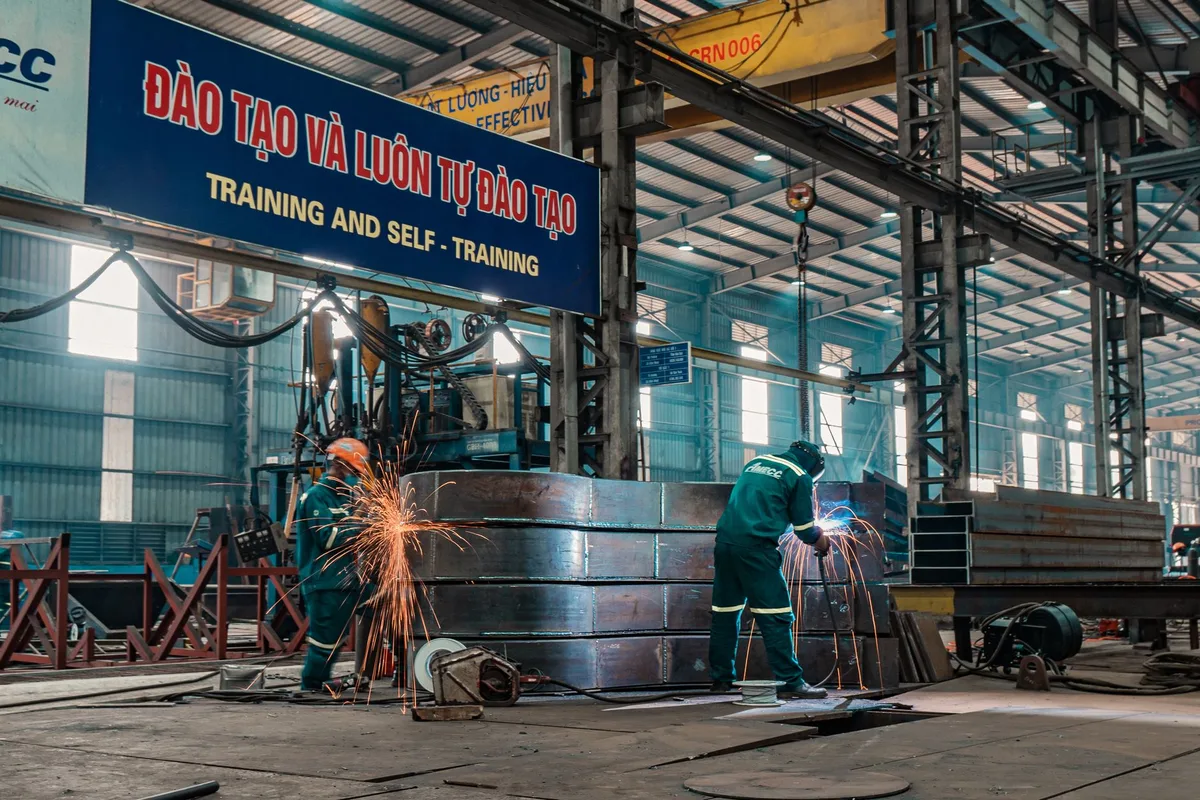
A buyer's guide to Made in Vietnam: what the label means, which products the country manufactures, and how to verify suppliers and origin claims before you order.
Sep 20, 2026
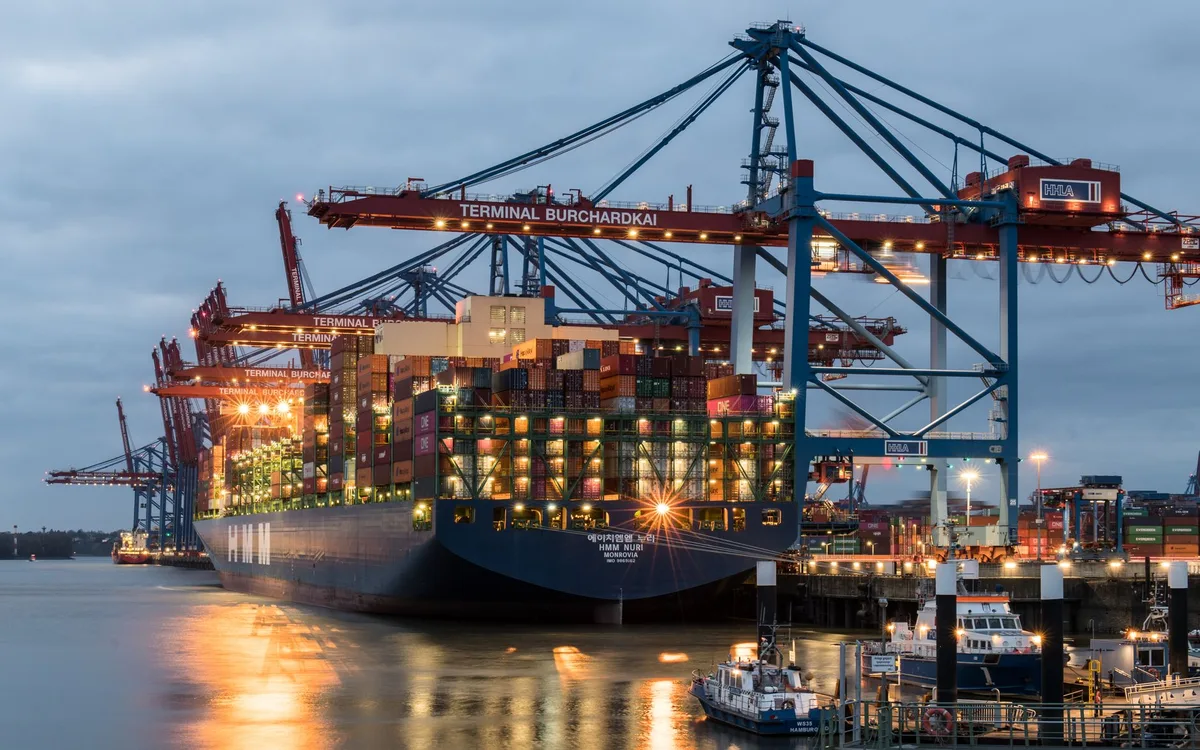
A practical guide to finding, vetting, and ordering from wholesale suppliers anywhere in the world, plus a region-by-region map of where to source what.
Sep 11, 2026