
Brazil's Main Export: What It Is and What Buyers Can Source
What is Brazil's main export? A buyer's guide to Brazil's top exports in 2025, why sources rank them differently, who buys them, and how to source Brazilian goods safely.
Sep 26, 2026
Find verified suppliers on Tawaf
Create Free AccountMalaysia punches above its weight. For a country of 34 million people, it holds an outsized share of global manufacturing output in electronics, medical devices, rubber products, and halal food processing. If you are sourcing industrial goods from Southeast Asia, Malaysian manufacturers deserve a close look.
This guide breaks down the major manufacturing sectors, explains government incentives that keep costs competitive, and shows you how to connect with verified Malaysian suppliers through Tawaf's B2B marketplace.
A manufacturing company in Malaysia is any enterprise registered with the Malaysian Investment Development Authority (MIDA) that transforms raw materials or components into finished or semi-finished goods for domestic use or export.
Malaysia's manufacturing sector contributes roughly 23 percent of the country's GDP and employs over 2.7 million workers. The sector spans everything from semiconductor wafer fabrication to palm oil refining, and it benefits from decades of deliberate government policy aimed at attracting foreign direct investment.
The country's strategic location along the Strait of Malacca — one of the busiest shipping lanes on the planet — gives manufacturers a logistics advantage that few competitors can match. Port Klang and Port of Tanjung Pelepas rank among the top 20 busiest container ports worldwide.
International buyers choose Malaysia for its strong IP protection, English-speaking workforce, competitive labour costs, and duty-free access to ASEAN, CPTPP, and RCEP markets.
Several factors combine to make Malaysia attractive:
Buyers sourcing on Tawaf's supplier directory can filter specifically for Malaysian manufacturers across all these sectors.
Join Tawaf and connect with verified businesses across 47 countries. No middlemen, no commissions.
Join Tawaf FreeThe top manufacturing sectors are electrical and electronics (E&E), petroleum and chemicals, rubber products, automotive, and halal food processing.
Here is a breakdown of the key sectors and their approximate contribution to Malaysia's total manufacturing output:
| Sector | Share of Manufacturing Output | Key Products | Major Hubs |
|---|---|---|---|
| Electrical & Electronics | 38% | Semiconductors, LEDs, solar panels | Penang, Kulim |
| Petroleum & Chemicals | 18% | Refined fuels, petrochemicals, oleochemicals | Johor, Terengganu |
| Rubber Products | 8% | Gloves, tyres, industrial rubber | Perak, Selangor |
| Automotive | 6% | Vehicles, auto parts, EV components | Proton City, Tanjung Malim |
| Food & Beverage | 7% | Halal processed food, palm oil products | Selangor, Johor |
| Medical Devices | 5% | Catheters, surgical gloves, diagnostic kits | Penang, Johor |
Each sector has a distinct geographic concentration. Penang, for example, is sometimes called the "Silicon Valley of the East" because of its dense cluster of semiconductor fabs and electronics contract manufacturers.
Malaysia's electronics sector is anchored by multinational semiconductor fabs and a deep ecosystem of local contract manufacturers, contributing over USD 90 billion in annual exports.
The E&E sector alone accounts for nearly 40 percent of Malaysia's total exports. Major multinational companies — Intel, Infineon, Texas Instruments, Osram — have operated fabrication plants in Penang and Kulim for decades. Around these anchor tenants, a rich ecosystem of local contract electronics manufacturers (CEMs) has emerged.
For B2B buyers, this means you can source everything from bare PCBs to fully assembled electronic modules. Malaysian CEMs are particularly strong in:
If you need electronics components or assemblies, browse verified suppliers on Tawaf to compare capabilities and certifications.
Malaysia offers Pioneer Status (0% income tax for 5-10 years), Investment Tax Allowances, free trade zone benefits, and special incentives for high-tech and green manufacturing.
The Malaysian government actively courts manufacturing investment through MIDA. Key incentive programmes include:
| Incentive | Benefit | Eligibility |
|---|---|---|
| Pioneer Status | 0% income tax on 70-100% of statutory income for 5-10 years | New manufacturing companies in promoted sectors |
| Investment Tax Allowance | 60-100% allowance on qualifying capital expenditure | Companies making significant capital investments |
| Reinvestment Allowance | 60% allowance on qualifying capex for expansions | Existing manufacturers reinvesting after 36 months |
| Free Trade Zone (FTZ) | Exemption from customs duties and sales tax | Export-oriented manufacturers in designated zones |
| Green Technology Tax Incentive | 70% income tax exemption for 3 years | Companies investing in certified green technology |
| Principal Hub Incentive | 0-10% income tax rate | Regional headquarters managing supply chains |
These incentives are a major reason why Malaysia continues to attract manufacturing FDI even as labour costs in the region rise. For international buyers, the implication is clear: Malaysian manufacturers can often offer competitive pricing because their tax burden is substantially reduced.
According to MIDA's official statistics, Malaysia approved MYR 71.4 billion in manufacturing investment in 2025, with over 60 percent coming from foreign sources.
Free Trade Zones allow manufacturers to import raw materials duty-free and export finished goods without customs complications, reducing landed costs for international buyers by 5-15 percent.
Malaysia operates multiple FTZs, including zones in Penang, Port Klang, Johor, and Sarawak. Manufacturers inside these zones can:
For B2B buyers, this translates directly into lower prices. When a manufacturer does not pay import duty on components, they pass those savings along. If you are buying electronics assemblies that use imported semiconductors, for example, sourcing from an FTZ-based manufacturer can save you 5 to 15 percent compared to a non-FTZ supplier.
Ready to connect with verified Malaysian manufacturers? Create your free Tawaf account to browse supplier profiles, request quotes, and manage your sourcing pipeline in one place.
Malaysia's five key economic corridors — Iskandar Malaysia, Northern Corridor, East Coast, Sabah, and Sarawak — each specialise in different manufacturing verticals.
Beyond FTZs, Malaysia has developed large-scale economic corridors:
Each corridor has dedicated industrial parks with ready-built factories, shared utilities, and streamlined permitting. This infrastructure means new manufacturers can be operational faster, and existing ones benefit from shared logistics and supply chain density.
Verify Malaysian manufacturers by checking their SSM registration, ISO certifications, MIDA approval status, and references from existing B2B buyers on platforms like Tawaf.
Due diligence is non-negotiable. Here is a practical checklist:
On Tawaf's B2B marketplace, supplier profiles include verification badges, certifications, and buyer reviews — making initial screening faster.
Common challenges include rising labour costs, dependency on migrant workers, occasional supply chain disruptions during monsoon season, and navigating halal certification requirements for food products.
No sourcing destination is perfect. Malaysia's challenges include:
Understanding these challenges upfront helps you plan buffer stock, diversify suppliers, and negotiate contracts that account for seasonal variations.
Malaysia offers higher quality and IP protection than Vietnam or Indonesia but at a higher cost; it sits in a sweet spot between China's scale and Thailand's automotive specialisation.
| Factor | Malaysia | Vietnam | Indonesia | Thailand |
|---|---|---|---|---|
| Average manufacturing wage (USD/month) | 650-900 | 300-450 | 250-400 | 500-700 |
| IP protection (Global Innovation Index rank) | 36 | 44 | 61 | 43 |
| English proficiency | High | Low-Medium | Low | Low-Medium |
| Port infrastructure | Excellent | Good | Fair | Good |
| Semiconductor capability | Very strong | Growing | Weak | Moderate |
| Halal certification | Gold standard | Limited | Strong (domestic) | Limited |
For buyers who prioritise quality, IP protection, and English communication, Malaysia is often the best choice in ASEAN. For cost-sensitive commodities, Vietnam or Indonesia may be more competitive.
You can compare suppliers across all these countries on Tawaf's suppliers-by-country page.
Malaysia's National Investment Aspirations (NIA) framework targets USD 23 billion in new manufacturing investment annually, with emphasis on semiconductors, EVs, aerospace, and green technology.
The Malaysian government has signalled clear priorities for the next decade:
According to The World Bank's Malaysia Economic Monitor, the manufacturing sector is expected to grow at 4-5 percent annually through 2030, driven by these high-value segments.
For B2B buyers, this means Malaysia's manufacturing capabilities will only deepen over time, making it an increasingly attractive long-term sourcing partner.
Start by searching Tawaf's Malaysia supplier directory for verified manufacturers. Filter by sector, certification, and company size. Always verify SSM registration and request ISO certificates before placing orders.
MOQs vary widely by sector. Electronics contract manufacturers may accept orders as low as 500 units, while rubber product manufacturers typically require 10,000+ units. Negotiate MOQs directly through the supplier's Tawaf profile.
Yes. Malaysia has a mature OEM/ODM ecosystem, particularly in electronics, medical devices, and rubber products. Many manufacturers maintain in-house R&D teams and can develop custom products to your specifications.
Sea freight from Port Klang to Jebel Ali (Dubai) takes approximately 8-12 days. Air freight from KLIA to major Middle East airports takes 6-8 hours.
For certain product categories — electronics, rubber products, medical devices, halal food — Malaysia is an excellent China+1 alternative. It offers strong IP protection, English communication, and competitive pricing, though it cannot match China's sheer scale.
Get Started
Create your free account and start connecting with verified suppliers and buyers worldwide.
Create Free Account
We help businesses navigate cross-border trade. Our team covers supplier verification, trade compliance, and B2B marketplace strategies to connect verified businesses worldwide.
What is Brazil's main export? A buyer's guide to Brazil's top exports in 2025, why sources rank them differently, who buys them, and how to source Brazilian goods safely.
Sep 26, 2026
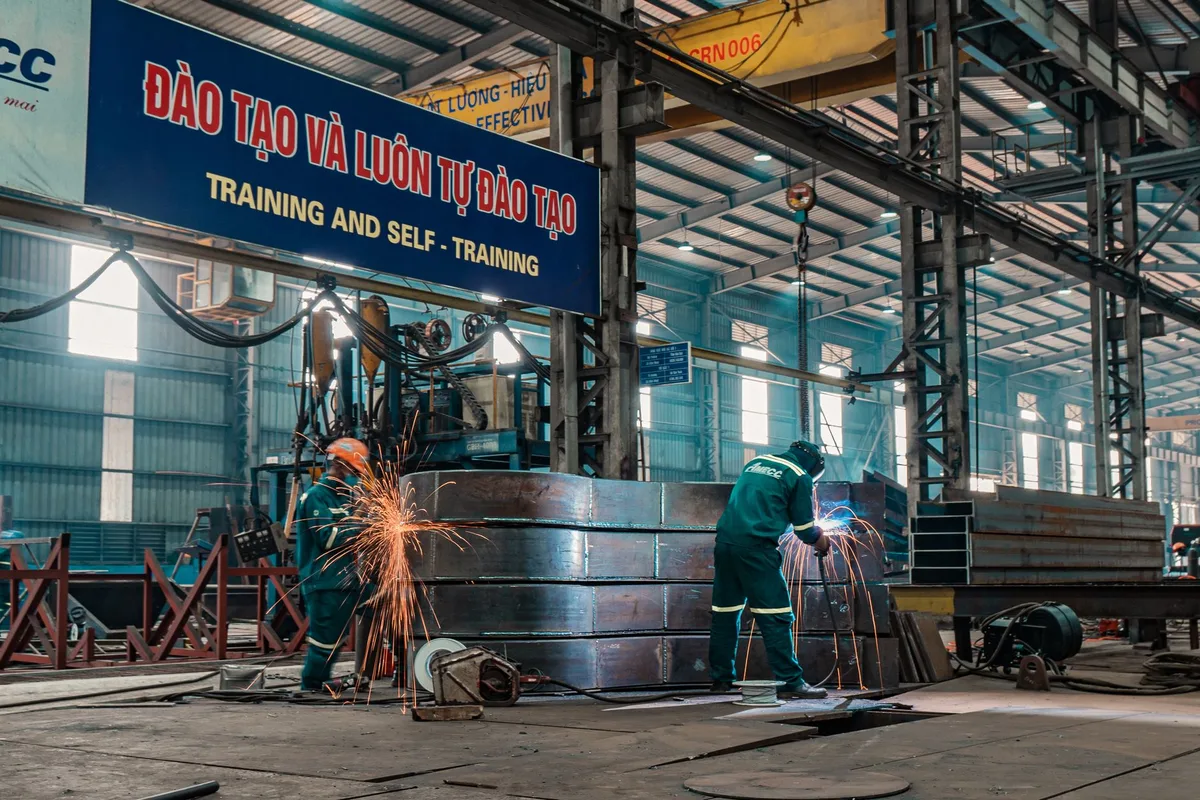
A buyer's guide to Made in Vietnam: what the label means, which products the country manufactures, and how to verify suppliers and origin claims before you order.
Sep 20, 2026
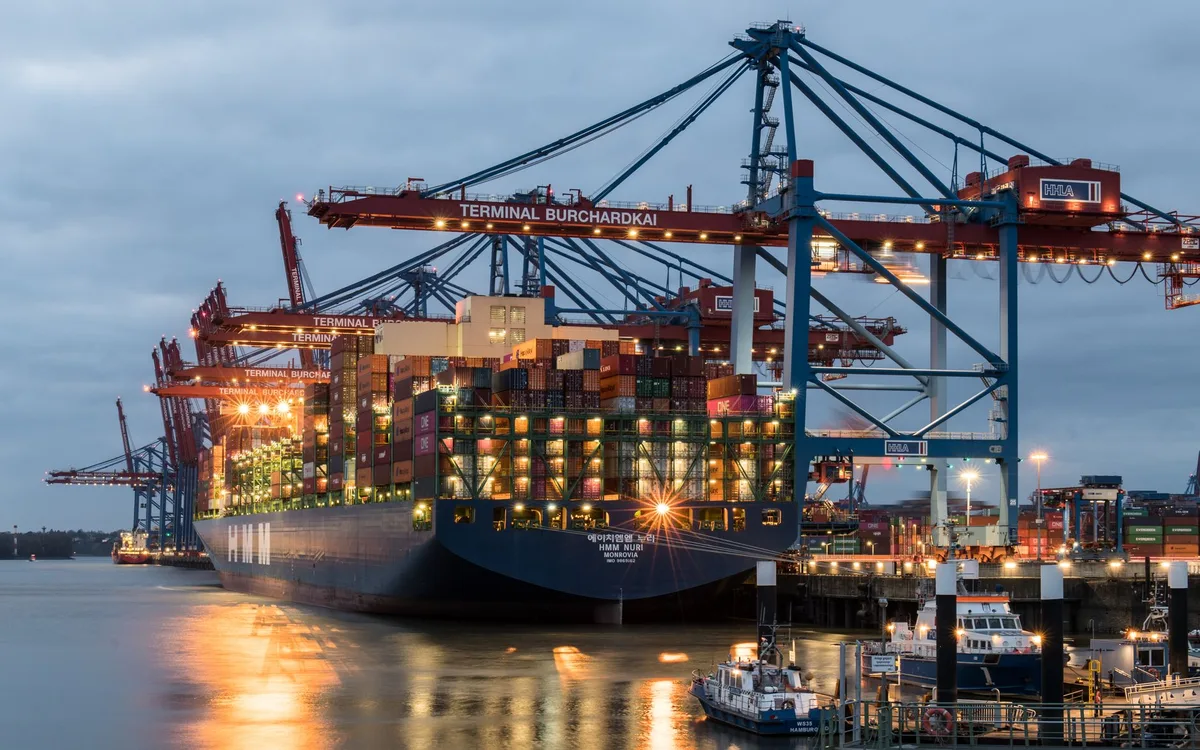
A practical guide to finding, vetting, and ordering from wholesale suppliers anywhere in the world, plus a region-by-region map of where to source what.
Sep 11, 2026