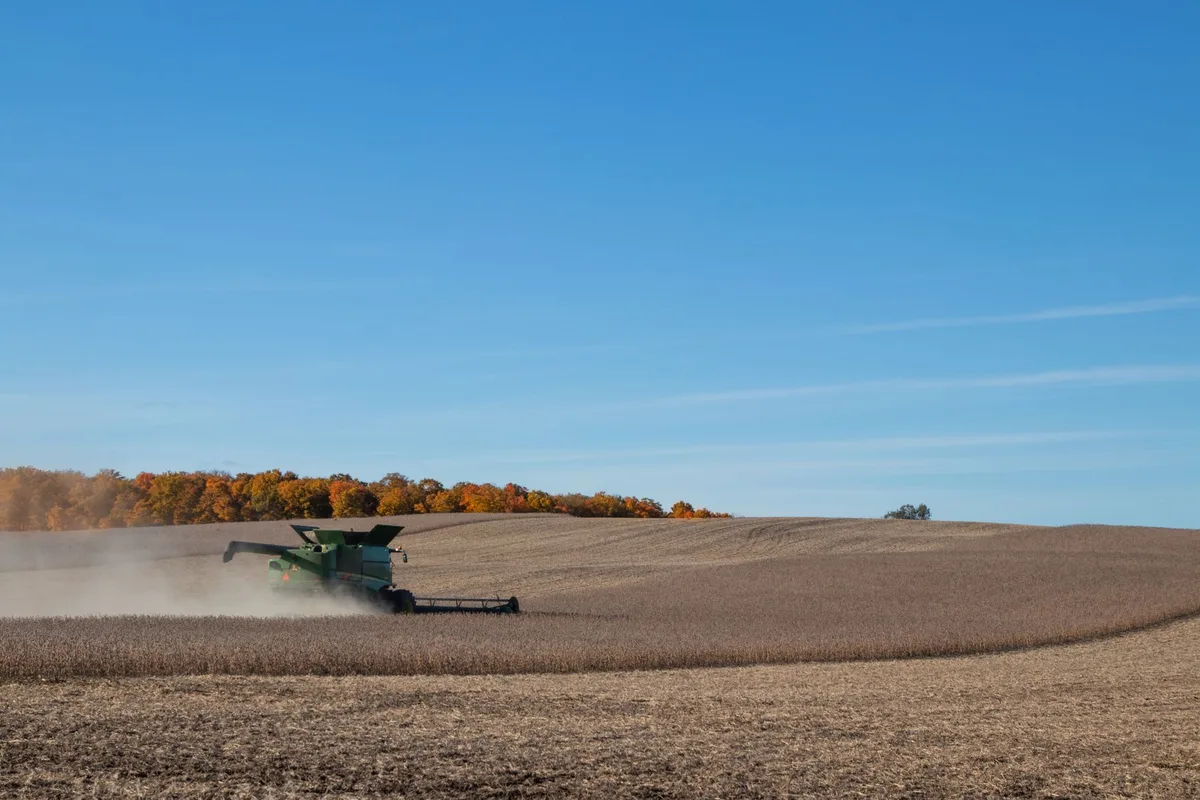
Brazil's Main Export: What It Is and What Buyers Can Source
What is Brazil's main export? A buyer's guide to Brazil's top exports in 2025, why sources rank them differently, who buys them, and how to source Brazilian goods safely.
Sep 26, 2026
Find verified suppliers on Tawaf
Create Free AccountWholesale markets built Malaysia's trade identity. Long before e-commerce platforms existed, Kuala Lumpur's sprawling market districts attracted buyers from across Southeast Asia, the Middle East, and Africa. Today, those markets remain vital — and digital platforms like Tawaf are extending their reach globally.
This guide covers the major wholesale hubs in Malaysia, what you can source from each, how pricing works, and how to combine physical market visits with digital B2B sourcing for maximum efficiency.
Wholesale in Malaysia refers to bulk purchasing directly from importers, distributors, or manufacturers at trade prices, typically requiring minimum purchases of one carton or case per SKU.
Malaysia's wholesale ecosystem operates on a tiered model. At the top are importers and brand principals who bring goods into the country. Below them sit wholesalers and distributors who break bulk and supply retailers, HoReCa (hotel, restaurant, catering) operators, and export traders.
The key distinction between retail and wholesale in Malaysia is not just price — it is access. Many wholesale markets restrict entry to registered business buyers or require a minimum purchase amount. This gatekeeping ensures that prices remain competitive for genuine trade buyers.
For international B2B buyers, Malaysia's wholesale markets offer access to a unique product mix that blends Chinese-manufactured goods, locally produced halal products, Indonesian commodities, and Thai agricultural products — all consolidated in one geography.
The major wholesale markets in Kuala Lumpur are GM Klang Wholesale City, Chow Kit Market, Kenanga Wholesale City, Jalan Masjid India, and the Sungei Way Free Trade Zone.
Here is a detailed overview of each market:
| Market | Location | Speciality | Operating Hours | Buyer Type |
|---|---|---|---|---|
| GM Klang Wholesale City | Klang, Selangor | Groceries, FMCG, household | 24/7 (peak: 2am-10am) | Retailers, exporters |
| Chow Kit Market | Central KL | Fresh produce, meat, spices | 6am-6pm daily | HoReCa, retailers |
| Kenanga Wholesale City | Central KL | Fashion, textiles, accessories | 10am-7pm daily | Boutique owners, exporters |
| Jalan Masjid India | Central KL | Textiles, jewellery, halal cosmetics | 10am-9pm daily | Retailers, tourists |
| Sungei Way FTZ | Petaling Jaya | Electronics, IT components | 9am-6pm weekdays | IT resellers, exporters |
| Nilai 3 Wholesale Centre | Nilai, Negeri Sembilan | Household, kitchenware, bags | 10am-6pm daily | Retailers, market traders |
Each market has its own culture, pricing norms, and buyer expectations. Understanding these nuances is essential before you visit.
Join Tawaf and connect with verified businesses across 47 countries. No middlemen, no commissions.
Join Tawaf FreeGM Klang operates as a 24/7 wholesale hub where over 1,000 traders sell FMCG, groceries, and household goods at carton-lot prices, with many vendors offering export packing and container-load pricing.
GM Klang is the single largest wholesale market in Malaysia, and it deserves special attention. Located about 30 minutes from Port Klang — Malaysia's busiest container port — the market is purpose-built for trade.
Key facts about GM Klang:
If you are an importer looking to source Malaysian FMCG products for markets in the GCC, East Africa, or South Asia, GM Klang is your starting point. You can also find many of these same suppliers verified and listed on Tawaf's supplier directory.
Chow Kit Market is Kuala Lumpur's oldest wet market, specialising in fresh produce, meat, seafood, spices, and dried goods — ideal for HoReCa buyers and food manufacturers sourcing ingredients.
Chow Kit is not a modern wholesale city. It is a chaotic, vibrant, traditional market that has operated for over a century. For food-related B2B buyers, it remains indispensable.
What you will find at Chow Kit:
Chow Kit is primarily a domestic wholesale market, but savvy international buyers use it for product discovery. You can identify trending ingredients, test new products, and find suppliers who can scale to export quantities. For larger orders, connect with suppliers on Tawaf's wholesale products page to arrange export-grade packing and logistics.
Kenanga Wholesale City is a 10-storey vertical wholesale market in central KL, housing over 900 shops selling fashion, textiles, accessories, and modest wear at trade prices.
Kenanga is where Southeast Asia's fashion wholesale trade happens. The building is located near the Pudu area of Kuala Lumpur, and it draws buyers from Indonesia, Thailand, the Philippines, and the Middle East.
Key categories at Kenanga:
Minimum orders at Kenanga vary by shop but typically start at 3-6 pieces per design. For container-load export orders, many vendors at Kenanga work with garment factories in Malaysia, Vietnam, and China and can arrange custom manufacturing with your labels.
Malaysian wholesale pricing follows a tiered structure: carton price (1-10 cartons), pallet price (10-50 cartons), and container price (full FCL), with discounts of 5-15 percent at each tier.
Understanding pricing tiers is essential for negotiation:
| Volume Tier | Typical Discount vs. Retail | Payment Terms | Best For |
|---|---|---|---|
| Sample (1-5 pcs) | 0-5% | Cash | Product evaluation |
| Carton lot (1-10 cartons) | 15-25% | Cash or TT in advance | Small retailers |
| Pallet lot (10-50 cartons) | 25-35% | TT 50% advance, 50% before shipping | Medium retailers, small importers |
| Container load (FCL) | 35-50% | LC or TT with credit terms | Importers, large distributors |
Most wholesale transactions in Malaysian markets are conducted in cash (Malaysian Ringgit) for small quantities. For larger export orders, telegraphic transfer (TT) is standard, and some established wholesalers accept letters of credit.
When sourcing through Tawaf's B2B marketplace, payment terms and pricing tiers are displayed on supplier profiles, making comparison straightforward.
Looking for verified Malaysian wholesalers you can trust? Register on Tawaf for free to access supplier profiles, request quotes, and manage orders — all from one dashboard.
All food products exported from Malaysia must display a valid JAKIM halal logo or state-level halal certification, which international buyers should verify against the JAKIM online database before purchasing.
Halal certification is a critical consideration for food wholesale buyers, particularly those serving Middle Eastern, North African, or Southeast Asian markets. Malaysia's halal certification system is among the most rigorous in the world.
Key points:
When buying from GM Klang or any wholesale market, always ask to see the halal certificate for the specific product you are purchasing. Do not assume that a "halal" sticker on the packaging is sufficient — verify the certificate number.
Malaysia's electronics wholesale market centres on Sungei Way FTZ and Low Yat Plaza, offering IT components, peripherals, networking equipment, and consumer electronics at regional distribution prices.
While Malaysia is better known for manufacturing electronics than wholesaling finished products, there is a significant electronics wholesale market:
For volume purchases, most electronics wholesalers prefer to operate through their offices rather than shopfronts. Browse electronics suppliers on Tawaf to connect directly with verified distributors.
Malaysia offers excellent logistics infrastructure including Port Klang (13th busiest port globally), KLIA cargo hub, and integrated rail-road connections to Thailand and Singapore.
Logistics is one of Malaysia's strongest selling points for wholesale buyers. Here is what you need to know:
| Shipping Mode | Key Hub | Transit to Dubai | Transit to Singapore | Transit to Mumbai |
|---|---|---|---|---|
| Sea freight (FCL) | Port Klang | 8-12 days | 1-2 days | 7-10 days |
| Sea freight (LCL) | Port Klang | 14-18 days | 3-5 days | 12-16 days |
| Air freight | KLIA | 7 hours | 1 hour | 5 hours |
| Land freight | — | N/A | 4-6 hours | N/A |
Malaysia's freight forwarding industry is mature and competitive. Most forwarders in the Klang Valley can handle everything from customs documentation to container stuffing. For wholesale food products, cold chain logistics are available from Port Klang to major destinations.
Several GM Klang wholesalers maintain their own container packing facilities, which simplifies the export process considerably. You load directly from their warehouse, and they handle fumigation and documentation.
Digital B2B platforms like Tawaf extend the reach of physical wholesale markets by providing supplier verification, digital catalogues, secure messaging, and cross-border trade facilitation that physical markets cannot offer alone.
Physical wholesale markets and digital platforms are not competitors — they are complements. Here is how smart B2B buyers use both:
This hybrid approach reduces risk and maximises efficiency. You get the product knowledge from physical markets and the convenience and security of digital trade facilitation.
The most common mistakes are failing to verify halal certificates, not negotiating volume discounts, ignoring payment security, and underestimating monsoon-season logistics delays.
Avoid these pitfalls:
According to the Malaysian External Trade Development Corporation (MATRADE), international trade disputes most commonly arise from quality discrepancies that could have been caught through proper sampling.
No, but having a business card and company registration documents from your home country will help you access trade pricing. Some markets, particularly GM Klang, technically restrict sales to registered businesses, though enforcement varies.
Malaysian Ringgit (MYR) is the standard currency. For export orders, pricing is typically quoted in USD. Most wholesalers accept cash for small orders and bank transfer for larger ones.
Not directly from the market itself, but most wholesalers in GM Klang and Kenanga work with freight forwarders who can arrange door-to-port or door-to-door shipping. Alternatively, use Tawaf to connect with suppliers who handle export logistics.
January to March (post-Chinese New Year) and July to September offer the most stable supply and competitive pricing. Avoid visiting during Ramadan if you are sourcing non-food products, as many Muslim-owned businesses operate reduced hours.
For FMCG and food products, Malaysian wholesale prices are competitive with China, particularly for halal-certified goods. For general merchandise and fashion, China is typically 10-20 percent cheaper at comparable quality levels.
Get Started
Create your free account and start connecting with verified suppliers and buyers worldwide.
Create Free Account
We help businesses navigate cross-border trade. Our team covers supplier verification, trade compliance, and B2B marketplace strategies to connect verified businesses worldwide.
What is Brazil's main export? A buyer's guide to Brazil's top exports in 2025, why sources rank them differently, who buys them, and how to source Brazilian goods safely.
Sep 26, 2026
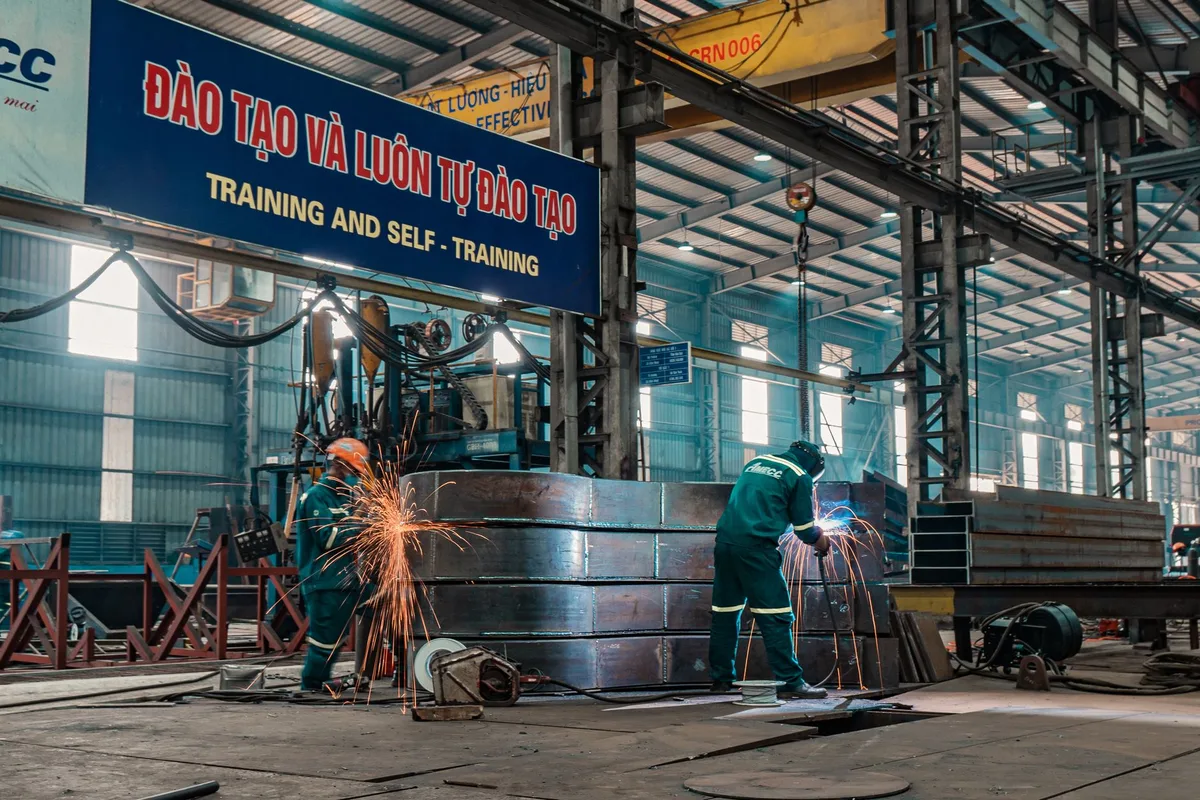
A buyer's guide to Made in Vietnam: what the label means, which products the country manufactures, and how to verify suppliers and origin claims before you order.
Sep 20, 2026
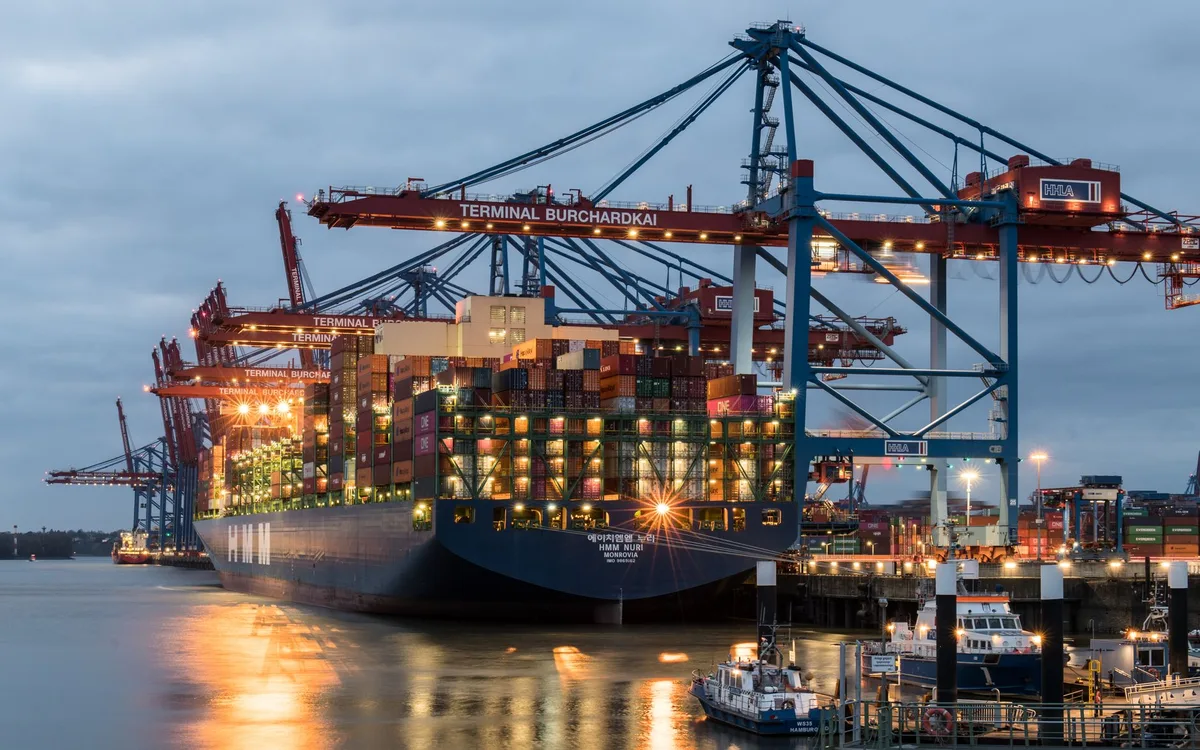
A practical guide to finding, vetting, and ordering from wholesale suppliers anywhere in the world, plus a region-by-region map of where to source what.
Sep 11, 2026