
Brazil's Main Export: What It Is and What Buyers Can Source
What is Brazil's main export? A buyer's guide to Brazil's top exports in 2025, why sources rank them differently, who buys them, and how to source Brazilian goods safely.
Sep 26, 2026
Find verified suppliers on Tawaf
Create Free AccountIndonesia exports over USD 2 billion in furniture annually. That figure makes it one of the world's top five furniture exporting countries, competing with China, Vietnam, Poland, and Italy. But unlike those competitors, Indonesian furniture carries something extra — a craftsmanship tradition shaped by centuries of woodworking, weaving, and carving heritage.
This guide is for B2B buyers who want to source furniture from Indonesia, whether you are a retailer filling a showroom, a hospitality company furnishing hotels, or an importer building a furniture brand. We cover the major manufacturing regions, material specialisations, container buying logistics, quality control, and how to connect with verified suppliers.
A furniture manufacturer in Indonesia is a company or workshop that produces wood, rattan, bamboo, or mixed-material furniture for domestic and export markets, typically operating in one of Indonesia's specialised furniture clusters such as Jepara (Central Java), Bali, Cirebon, or Surakarta.
Indonesia's furniture industry is uniquely structured. Unlike China's furniture sector, which is dominated by large factories with hundreds or thousands of workers, Indonesia's sector is characterised by a mix of medium-sized factories and vast networks of small workshops — many family-run — that subcontract to larger exporters.
This structure has advantages and disadvantages for buyers. The advantage is incredible variety: because thousands of independent craftspeople produce furniture, you can find highly distinctive, handcrafted pieces that mass-production countries cannot replicate. The disadvantage is quality consistency — managing production across dozens of small workshops requires active quality control.
The Indonesian furniture industry employs an estimated 3 million workers directly and supports millions more through timber, rattan, and accessories supply chains. The sector is a priority for the Indonesian government, which provides export incentives and has invested in furniture industry training centres.
The five major furniture regions are Jepara (carved wood furniture), Bali (resort and tropical furniture), Cirebon (rattan and wicker), Surakarta/Solo (colonial and antique reproduction), and Semarang (modern and contract furniture).
Each region has distinct capabilities:
| Region | Province | Speciality | Workforce Size | Export Orientation |
|---|---|---|---|---|
| Jepara | Central Java | Carved teak, mahogany, ornate furniture | 200,000+ | High |
| Bali | Bali | Resort furniture, tropical contemporary, decor | 50,000+ | Very high |
| Cirebon | West Java | Rattan, wicker, bamboo furniture | 30,000+ | High |
| Surakarta (Solo) | Central Java | Colonial reproduction, antique-style | 40,000+ | Medium |
| Semarang | Central Java | Modern design, contract furniture, MDF/particleboard | 25,000+ | Medium-high |
| Klaten | Central Java | Teak garden furniture | 15,000+ | High |
| Surabaya | East Java | Office furniture, institutional furniture | 20,000+ | Medium |
Jepara deserves special mention. This small coastal town in Central Java has been a furniture-making centre for over 500 years. The entire economy revolves around furniture — from timber yards to carving workshops to container stuffing operations. If you want carved solid wood furniture, Jepara is the place.
Bali furniture tends to be more contemporary, designed for the resort and hospitality market. Bali-based manufacturers and exporters often work with international designers and produce furniture that appeals to Western aesthetic sensibilities.
Browse Indonesian furniture suppliers by region on Tawaf's supplier directory.
Join Tawaf and connect with verified businesses across 47 countries. No middlemen, no commissions.
Join Tawaf FreeThe primary materials are teak (plantation and reclaimed), mahogany, mindi (white cedar), rattan, bamboo, water hyacinth, recycled boat wood, and synthetic rattan (PE wicker), with teak accounting for approximately 40 percent of Indonesia's furniture exports by value.
Material quality is central to Indonesian furniture sourcing:
Teak (Jati) Teak is Indonesia's signature furniture wood. Plantation teak from Perhutani (the state forestry company) is the standard material. It offers excellent weather resistance, natural oils that prevent rot, and a beautiful golden-brown colour that deepens with age. Reclaimed teak — salvaged from old buildings, bridges, and boats — commands a premium for its character and sustainability story.
Mahogany Indonesian mahogany is widely used for indoor furniture. It is softer than teak and less weather-resistant, but it carves beautifully and takes stain well. Most mahogany comes from plantations in Java.
Rattan Indonesia produces 80 percent of the world's rattan. Cirebon is the centre of rattan furniture production. Rattan furniture ranges from traditional wicker chairs to modern, sculptural designs. Indonesia banned raw rattan exports in 2011 to encourage domestic value-added manufacturing.
Bamboo Bamboo furniture production is growing, driven by sustainability trends. Bamboo is fast-growing, strong, and visually distinctive. Indonesian manufacturers produce both laminated bamboo furniture (modern designs) and traditional bent-bamboo pieces.
Synthetic rattan (PE wicker) For outdoor furniture, synthetic rattan woven over aluminium frames is hugely popular. Indonesian manufacturers produce vast quantities of PE wicker outdoor furniture for hotels, restaurants, and residential gardens worldwide.
Container buying involves selecting furniture to fill a 20ft or 40ft shipping container (approximately 28-30 cubic metres and 56-60 cubic metres respectively), with most Indonesian exporters offering mixed-container options starting at USD 5,000-8,000 for a 20ft container.
Container buying is the standard method for importing Indonesian furniture. Here is how it works:
Product selection: Choose items from the manufacturer's catalogue or design custom pieces. Get pricing per unit and cubic metre measurements.
Container planning: A 20ft container holds approximately 28-30 cubic metres. A 40ft container holds 56-60 cubic metres. Your supplier will prepare a container loading plan showing exactly how your furniture will be arranged.
Production: Lead time is typically 45-90 days depending on complexity and volume. Simple teak garden furniture may take 30 days. Custom carved pieces may take 90-120 days.
Quality inspection: Inspect at the factory before container stuffing. Hire a local inspection agent if you cannot visit personally.
Container stuffing: Furniture is carefully loaded into the container at the factory or a consolidation warehouse. Proper padding and bracing prevent transit damage.
Shipping: Containers ship from Semarang (for Central Java furniture) or Benoa/Surabaya for Bali/East Java. Transit to Dubai takes approximately 14-18 days; to Rotterdam, 25-30 days; to Los Angeles, 22-28 days.
| Container Size | Volume | Typical Furniture Load | FOB Price Range |
|---|---|---|---|
| 20ft standard | 28-30 cbm | 40-60 dining chairs, or 10-15 tables, or 6-8 wardrobes | USD 5,000-15,000 |
| 40ft standard | 56-60 cbm | 80-120 dining chairs, or 20-30 tables, or 12-16 wardrobes | USD 10,000-30,000 |
| 40ft high-cube | 65-68 cbm | Same as 40ft with extra height for tall pieces | USD 11,000-32,000 |
Most Indonesian furniture exporters on Tawaf can handle mixed containers — a combination of different furniture pieces in one container — which is ideal for retailers who need variety.
Quality assurance requires specifying wood grade and moisture content, agreeing on finish samples, conducting pre-shipment inspection, and establishing clear defect tolerance levels in the purchase contract.
Quality control is the biggest challenge in Indonesian furniture sourcing. Here is a systematic approach:
Before production:
During production:
Before shipping:
Quality issues with Indonesian furniture usually stem from rushing production to meet deadlines, using insufficiently dried wood, or inconsistent finishing across batches. Building extra time into your production schedule (order 30 days earlier than your deadline) is the single best quality assurance measure.
Ready to source Indonesian furniture for your business? Create your free Tawaf account to browse verified furniture manufacturers, request samples, and manage your orders.
Exporting furniture from Indonesia requires a commercial invoice, packing list, bill of lading, certificate of origin (Form E for ASEAN, Form AK for Korea, etc.), SVLK timber legality certificate, and phytosanitary certificate for wood products.
The most important document unique to Indonesian furniture exports is the SVLK certificate (Sistem Verifikasi Legalitas Kayu — Timber Legality Verification System). This certificate verifies that the wood used in the furniture comes from legal, verified sources. It is mandatory for all Indonesian wood product exports and is required by EU regulations (EUTR/EUDR) and similar legislation in other countries.
Ensure your supplier holds a valid SVLK certificate covering the products you are buying. You can verify SVLK certificates through the Indonesian Ministry of Environment and Forestry's SILK online system.
Other documentation:
Indonesian furniture pricing is typically quoted FOB Semarang or FOB Surabaya in US dollars, with prices including production, finishing, packaging, and inland transport to the port, but excluding ocean freight, insurance, and import duties.
Pricing benchmarks for common product categories:
| Product Category | Material | Price Range (FOB/unit) | MOQ |
|---|---|---|---|
| Teak garden chair | Plantation teak | USD 25-60 | 50 units |
| Teak dining table (6-seater) | Plantation teak | USD 80-200 | 20 units |
| Carved console table | Mahogany/teak | USD 100-400 | 10 units |
| Rattan dining chair | Natural rattan | USD 15-40 | 100 units |
| PE wicker outdoor sofa set | Aluminium + PE rattan | USD 150-400 | 20 sets |
| Reclaimed wood coffee table | Boat wood/recycled teak | USD 60-150 | 20 units |
| Bamboo shelving unit | Laminated bamboo | USD 40-100 | 30 units |
These prices are indicative and depend heavily on design complexity, wood grade, finish quality, and order quantity. Custom designs with intricate carving or special finishes will be at the higher end of these ranges.
Indonesian furniture prices are generally 20-40 percent below equivalent quality European products and 10-20 percent above Chinese mass-produced alternatives, with the premium reflecting handcraft quality and material character.
Choose Bali for contemporary resort-style furniture, hospitality projects, and design-forward pieces; choose Jepara for traditional carved furniture, large-volume production, classic designs, and the most competitive pricing on solid wood products.
The choice depends on your market positioning:
| Factor | Bali | Jepara |
|---|---|---|
| Design style | Contemporary, resort, minimalist | Traditional, carved, classical |
| Price level | Higher (20-30% premium) | Lower (most competitive in Indonesia) |
| Customisation | High — many work with international designers | Medium — strong in catalogue-based production |
| Volume capacity | Medium (most are medium-scale) | High (can fill multiple containers per month) |
| Export experience | Very high (tourism connections) | High (decades of export trade) |
| Communication | English widely spoken | English variable, Indonesian preferred |
| Quality consistency | Generally good | Variable — due diligence essential |
| Material focus | Mixed (teak, synthetic rattan, concrete, metal) | Solid wood (teak, mahogany) |
Many successful furniture importers work with suppliers in both regions, sourcing different product categories from each based on their strengths.
The most common pitfalls are underestimating lead times, insufficient moisture content control leading to wood cracking, accepting unclear finish specifications, and not budgeting for quality inspection costs.
Lessons learned from experienced buyers:
Lead time optimism: Indonesian manufacturers often quote optimistic lead times. Add 2-4 weeks buffer to any quoted timeline, especially during peak export season (July-October) and around Ramadan/Eid.
Moisture content: This is the number one cause of quality claims. Insufficiently dried wood will crack, warp, or develop mould after it arrives in your market. Specify maximum moisture content in your order and verify with a moisture meter during inspection.
Finish ambiguity: "Natural finish" can mean five different things to five different manufacturers. Always work from approved physical samples, not photographs. Keep reference samples for inspection comparison.
Container damage: Improper container stuffing causes more furniture damage than any other factor. Ensure your supplier uses adequate padding, corner protection, and bracing. Request photos of the loaded container before it is sealed.
IP issues: Designs can be copied quickly in Indonesia's open workshop culture. If you have proprietary designs, consider registering them with Indonesian IP authorities and include non-disclosure clauses in your supplier agreements.
According to the Indonesian Furniture and Handicraft Industry Association (HIMKI), export quality standards have improved significantly since the introduction of mandatory SVLK certification and industry training programmes.
Indonesia's furniture sector is projected to reach USD 3 billion in exports by 2028, driven by the global shift toward sustainable materials, growing demand for artisanal and handcrafted products, and Indonesia's ban on raw rattan exports which has boosted domestic manufacturing.
Key trends:
Most exporters require a minimum order of one 20ft container (approximately 28-30 cubic metres). Some Bali-based exporters accept smaller LCL (less than container load) shipments with a minimum value of USD 2,000-5,000, but per-unit costs will be higher.
Custom furniture typically takes 60-120 days from design approval to completion. Simple designs in common materials take 45-60 days. Complex carved pieces or designs requiring new moulds/jigs take 90-120 days. Always add 2-3 weeks for export documentation and shipping.
Grade A plantation teak with proper kiln drying is naturally weather-resistant due to its high oil and silica content. It can be used outdoors without treatment, though it will grey over time. Lower grades of teak (younger trees, sapwood included) are less durable and should be treated with teak oil for outdoor use.
Import duties vary by country. In the EU, furniture from Indonesia generally attracts 0-2.7 percent duty under GSP preferences. In the US, most wood furniture is subject to 0-5 percent duty. Check your country's tariff schedule for the specific HS code (typically 9401-9404). A customs broker in your country can advise on duties and documentation requirements.
Get Started
Create your free account and start connecting with verified suppliers and buyers worldwide.
Create Free Account
We help businesses navigate cross-border trade. Our team covers supplier verification, trade compliance, and B2B marketplace strategies to connect verified businesses worldwide.
What is Brazil's main export? A buyer's guide to Brazil's top exports in 2025, why sources rank them differently, who buys them, and how to source Brazilian goods safely.
Sep 26, 2026
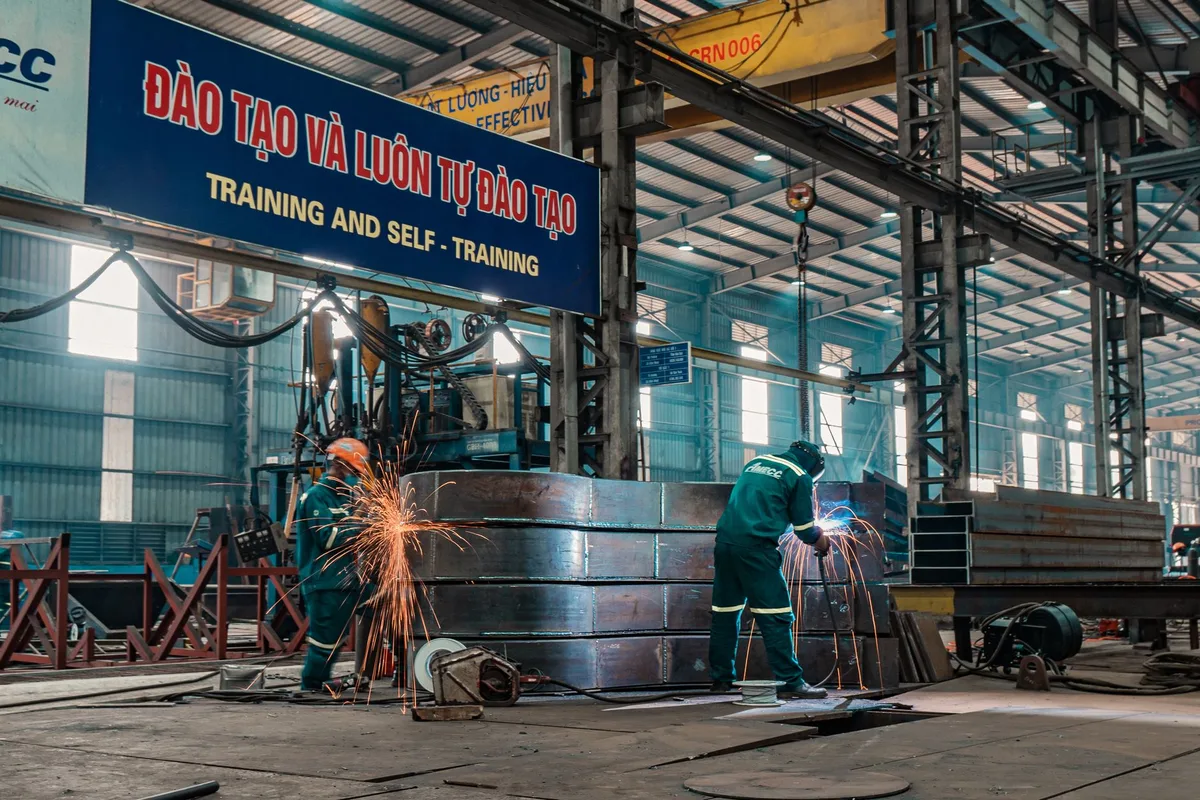
A buyer's guide to Made in Vietnam: what the label means, which products the country manufactures, and how to verify suppliers and origin claims before you order.
Sep 20, 2026

A practical guide to finding, vetting, and ordering from wholesale suppliers anywhere in the world, plus a region-by-region map of where to source what.
Sep 11, 2026