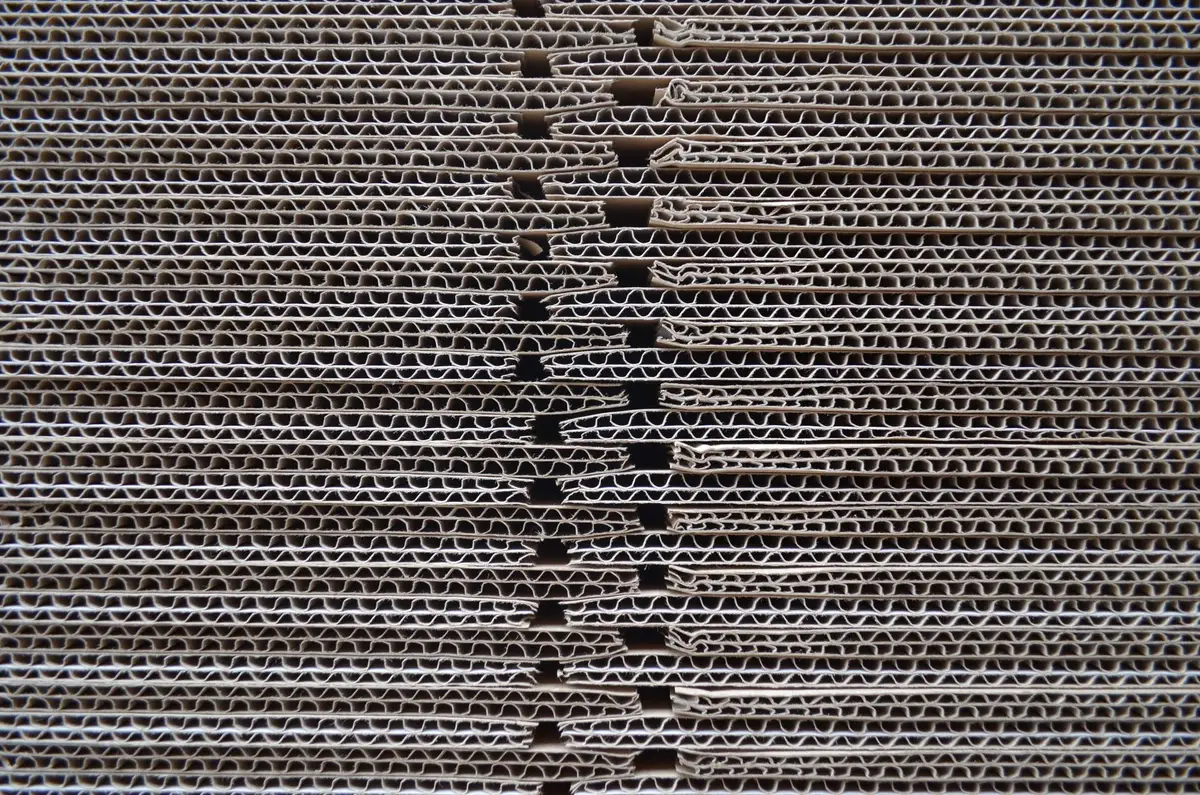
Corrugated Box Maker: How to Find and Vet the Right Supplier
A sourcing guide to corrugated box makers: how boxes are made, which flute type fits your product, pricing ranges, and how to verify a supplier before ordering.
Sep 23, 2026
Find verified suppliers on Tawaf
Create Free AccountStarting a clothing brand is easier than ever. India's garment manufacturing industry, valued at over $40 billion, has opened its doors to small and mid-sized brands through private label production with surprisingly low minimum order quantities. If you have a brand concept and are looking for private label clothing manufacturers in India, this guide maps out the entire journey from first sketch to finished product.
India is the world's second-largest textile producer and the sixth-largest exporter of apparel. What makes it especially attractive for private label buyers is the combination of skilled labor, vertically integrated supply chains (from raw fiber to finished garment under one roof), and a growing number of manufacturers who actively court small-batch brand owners alongside their large retail clients.
Private label clothing manufacturers in India are garment factories that produce clothing under your brand name and label, handling everything from fabric sourcing and pattern making to cutting, sewing, finishing, and packaging, typically starting at MOQs of 200-500 pieces per style.
The private label model means you own the brand, the design, and the customer relationship. The manufacturer handles production. You provide specifications (or work with the manufacturer's design team to develop them), approve samples, and receive finished goods ready for retail.
This is different from wholesale, where you buy existing designs and resell them, and different from fully custom manufacturing (ODM), where the factory designs the product and you just add your label. Private label sits in the middle: you control the design, but the factory contributes expertise on construction, fabric selection, and production efficiency.
India's private label garment sector has evolved considerably in recent years. Manufacturers who once only served large fast-fashion chains with orders of 10,000+ pieces per style have restructured their operations to accommodate smaller brands. This shift was accelerated by the diversification away from China that many Western brands pursued after 2020, and by the growth of direct-to-consumer brands that order smaller quantities more frequently.
India offers lower costs than China for comparable quality, stronger expertise in cotton and natural fabrics, vertically integrated supply chains, improving MOQ flexibility, and a time zone advantage for European buyers.
Let us compare India against the major alternatives:
| Factor | India | China | Bangladesh | Vietnam | Turkey |
|---|---|---|---|---|---|
| Average CMT Cost (per piece) | $1.50 - $4.00 | $2.50 - $6.00 | $1.00 - $2.50 | $2.00 - $5.00 | $3.50 - $8.00 |
| Typical MOQ (pieces/style) | 200 - 500 | 500 - 1,000 | 1,000 - 3,000 | 1,000 - 3,000 | 300 - 500 |
| Fabric Strength | Cotton, linen, silk | Synthetics, blends | Basic cotton, knits | Sportswear, technical | Denim, knits |
| Lead Time (sampling + production) | 8 - 12 weeks | 6 - 10 weeks | 10 - 14 weeks | 8 - 12 weeks | 6 - 10 weeks |
| Vertical Integration | High | Very High | Low-Medium | Medium | Medium |
| English Communication | Strong | Variable | Moderate | Limited | Good |
India's sweet spot is natural fiber garments, especially cotton. The country produces some of the world's finest cotton, including extra-long staple varieties from Gujarat and Maharashtra. If your brand focuses on cotton tees, linen shirts, organic basics, or Indian-origin fabrics like khadi and handloom, India is the obvious choice.
For synthetic performance wear or technical fabrics, China and Vietnam may be stronger options. For rock-bottom pricing on basic styles, Bangladesh remains competitive but requires much higher MOQs.
Join Tawaf and connect with verified businesses across 47 countries. No middlemen, no commissions.
Join Tawaf FreeThe private label production process follows seven stages: design brief, fabric sourcing, pattern making, sample development, sample approval, bulk production, and quality inspection, typically spanning 10-16 weeks from start to delivery.
Here is the step-by-step workflow:
You share your design concepts with the manufacturer. This can range from detailed tech packs (ideal) to mood boards and reference images (workable). Include specifications for fabric type, weight, color, trims (buttons, zippers, labels), sizing, and packaging.
The manufacturer sources fabric based on your specifications. If you have specific fabric requirements, request swatch cards before committing. India has extensive domestic fabric mills, so most common fabrics are available locally without import delays.
The factory's pattern master creates patterns based on your size chart and design. If you provide a sample garment for reference, this stage goes faster.
The factory produces one or more prototype samples. Expect to go through 1-3 rounds of samples before approval. Each round takes 7-10 days. This is the most important stage. Do not rush it.
You review the final pre-production sample (PPS) and give written approval. Once approved, any changes become expensive. Be thorough.
Production begins. A typical Indian factory can produce 500-2,000 pieces per day per production line, depending on garment complexity. For a 500-piece order, production itself takes 3-5 days, but scheduling within the factory's order book may add time.
Either your team or a third-party inspection agency (SGS, Bureau Veritas, Asia Inspection) conducts a pre-shipment inspection using AQL (Acceptable Quality Level) sampling. Standard AQL for garments is 2.5 for major defects and 4.0 for minor defects.
All-in costs for private label clothing from India range from $4-8 per piece for basic t-shirts and tops to $15-40 for structured garments like blazers and dresses, including fabric, CMT (cut-make-trim), labels, packaging, and FOB charges.
Pricing breaks down into several components:
| Cost Component | Basic T-Shirt | Casual Shirt | Dress | Jacket/Blazer |
|---|---|---|---|---|
| Fabric | $1.50 - $2.50 | $2.50 - $4.00 | $3.00 - $6.00 | $5.00 - $10.00 |
| CMT (Cut-Make-Trim) | $1.50 - $2.50 | $2.50 - $4.50 | $4.00 - $7.00 | $6.00 - $12.00 |
| Trims & Labels | $0.30 - $0.80 | $0.50 - $1.50 | $0.50 - $2.00 | $1.00 - $3.00 |
| Packaging | $0.20 - $0.50 | $0.30 - $0.60 | $0.30 - $0.80 | $0.50 - $1.00 |
| FOB Margin | $0.50 - $1.00 | $0.70 - $1.50 | $1.00 - $2.00 | $1.50 - $3.00 |
| Total FOB | $4.00 - $7.30 | $6.50 - $12.10 | $8.80 - $17.80 | $14.00 - $29.00 |
These are FOB (Free on Board) India prices, meaning the manufacturer handles everything up to loading the goods onto the ship. You pay freight, insurance, and import duties separately.
Key factors affecting price:
The best approach is to use B2B platforms like Tawaf to shortlist verified manufacturers, then evaluate them through sample orders, factory assessments, and reference checks before committing to bulk production.
Finding manufacturers is the easy part. Finding the right one takes diligence. Here is a structured approach:
Step 1: Define your requirements clearly. Before contacting anyone, know your product category, target price point, order volume, fabric preferences, and quality expectations. Vague inquiries get vague responses.
Step 2: Search B2B platforms. Browse verified suppliers on Tawaf who specialize in garment manufacturing. Filter by product category, location, and certifications. Having verified business profiles saves you from the uncertainty of cold outreach.
Step 3: Shortlist 5-8 manufacturers. Contact them with your specific requirements. Evaluate their responses for speed, professionalism, and technical understanding. Eliminate anyone who cannot answer basic questions about fabric, construction, or capacity.
Step 4: Request samples. Order development samples from your top 3 candidates. This typically costs $50-200 per sample depending on garment complexity, and it is the best money you will spend. Compare quality, fit, construction details, and finishing.
Step 5: Conduct a factory assessment. For your top candidate, either visit the factory or hire a third-party auditor. Check for proper machinery, clean working conditions, adequate staffing, and compliance with labor standards.
Step 6: Start with a trial order. Place your first bulk order at MOQ level. This is your final test before scaling up.
For a detailed checklist on evaluating manufacturers, see our comprehensive guide on how to verify suppliers.
Ready to find your manufacturing partner? Create a free Tawaf account and connect with verified garment manufacturers across India. Post your requirements and receive quotes from matching suppliers.
India's major garment manufacturing hubs are Tirupur (knitwear capital), Ludhiana (woolen and hosiery), Delhi NCR (woven and fashion), Bangalore (export-focused wovens), Mumbai (fashion and luxury), and Jaipur (block print and ethnic wear).
Each hub has a distinct specialization:
| Hub | Specialization | Key Products | Notable For |
|---|---|---|---|
| Tirupur, Tamil Nadu | Knitwear | T-shirts, polos, activewear, underwear | World's knitwear capital, massive capacity |
| Ludhiana, Punjab | Hosiery & woolens | Sweaters, thermals, socks, winter wear | Low-cost knitwear and woolens |
| Delhi NCR | Woven garments | Shirts, dresses, formal wear | Fashion-forward, design capability |
| Bangalore, Karnataka | Export wovens | Trousers, jackets, women's wear | Strong export infrastructure |
| Mumbai, Maharashtra | Fashion & luxury | Premium brands, swimwear, lingerie | Design talent, brand proximity |
| Jaipur, Rajasthan | Ethnic & artisanal | Block print, embroidered, boho styles | Handcraft techniques, unique aesthetics |
| Kolkata, West Bengal | Eastern wear | Sarees, ethnic, leather goods | Traditional textiles, leather |
If you are launching a t-shirt brand, go to Tirupur. If you want hand block-printed linen dresses, Jaipur is your destination. For formal shirts and tailored pieces, Delhi NCR has the deepest talent pool.
According to the India Brand Equity Foundation (IBEF), India's textile and apparel exports reached $44.4 billion in FY2025, with garments accounting for roughly 40% of that total.
Essential certifications for private label clothing manufacturers include GOTS (for organic claims), OEKO-TEX Standard 100 (chemical safety), SEDEX/WRAP (ethical manufacturing), ISO 9001 (quality management), and BSCI (social compliance).
Certifications matter for two reasons: they validate the manufacturer's capabilities, and they may be required by your retail partners or target market regulations.
Not every manufacturer will have all of these. For a startup brand, OEKO-TEX and one social compliance certification (SEDEX or WRAP) are the practical minimum. Add GOTS if organic is core to your brand positioning.
The most common mistakes include skipping the sampling stage, choosing a supplier based solely on price, not having a clear tech pack, ordering too many styles at once, and failing to establish written quality standards before production begins.
Learn from others' expensive lessons:
Scaling involves gradually increasing order volumes, expanding your style range, negotiating better pricing based on volume commitments, and potentially developing exclusive fabric programs with your manufacturer.
Once your first order goes well, the relationship deepens:
Browse the full range of wholesale products and suppliers on Tawaf to find manufacturers ready to grow with your brand.
Some manufacturers in India will accept orders as low as 100-200 pieces per style, but you will pay a premium of 15-25% above normal pricing. At 100 pieces, you are essentially getting a large sample run, not a production run. Most manufacturers prefer 300-500 pieces as a starting point because it allows them to set up their production line efficiently. Look specifically for manufacturers who market themselves as "small batch" or "startup friendly."
This is a legitimate concern. First, work with reputable manufacturers who have a track record with established brands. They have more to lose from copying than to gain. Second, consider an NDA (Non-Disclosure Agreement) before sharing detailed designs. While enforcement in India can be challenging, it sets a professional tone. Third, develop unique elements (custom fabric, proprietary trims, distinctive branding) that are difficult to replicate.
For first orders, expect to pay 30-50% as an advance upon order confirmation and the balance of 50-70% before or upon shipment. Some manufacturers require 100% payment before shipping for first-time buyers. After building trust over 3-5 orders, you may negotiate 30-day payment terms. Letters of credit are common for larger orders ($10,000+). Learn more about payment structures in our guide to international payment methods for trade.
For first-time buyers unfamiliar with Indian manufacturing, a sourcing agent can be valuable. They charge 5-10% of order value but provide factory access, quality management, and cultural bridging. However, as you gain experience, direct relationships with factories are more cost-effective. Many buyers start with an agent for their first 2-3 orders, then transition to direct sourcing.
Establish a clear defect policy in your purchase contract before production. Standard practice is that the manufacturer bears the cost of replacing defective goods that exceed the agreed AQL. For minor issues below AQL thresholds, most buyers absorb them. Major defects discovered after delivery are typically resolved through price adjustments or credits on subsequent orders rather than physical returns, since shipping garments back to India is costly.
Get Started
Create your free account and start connecting with verified suppliers and buyers worldwide.
Create Free Account
We help businesses navigate cross-border trade. Our team covers supplier verification, trade compliance, and B2B marketplace strategies to connect verified businesses worldwide.
A sourcing guide to corrugated box makers: how boxes are made, which flute type fits your product, pricing ranges, and how to verify a supplier before ordering.
Sep 23, 2026

A directory guide to product wholesalers by category: beauty, fashion, food, jewelry, and craft. Compare sourcing paths and connect with verified suppliers.
Sep 14, 2026
Medical equipment is a massive market. The global medical device industry exceeded $595 billion in 2025 and is projected to reach $750 billion by 2030, driven by aging populations, expanding healthcare access in emerging markets, and technological innovation. For B2B buyers --- hospital procurement
May 18, 2026