
Brazil's Main Export: What It Is and What Buyers Can Source
What is Brazil's main export? A buyer's guide to Brazil's top exports in 2025, why sources rank them differently, who buys them, and how to source Brazilian goods safely.
Sep 26, 2026
Find verified suppliers on Tawaf
Create Free AccountIndia imports about 85% of its crude oil. That single statistic shapes everything from the country's trade balance to its foreign policy, from fuel prices at the pump to the profitability of thousands of downstream industries. As the world's third-largest oil consumer and importer, India's crude oil buying decisions move global markets and create massive opportunities for suppliers, traders, and service providers along the supply chain.
This guide breaks down who imports crude oil into India, where it comes from, how pricing works, and what the future holds for this critical market.
A crude oil importer in India is a company authorized by the Directorate General of Foreign Trade (DGFT) to purchase and bring crude petroleum into the country for refining into products like petrol, diesel, aviation fuel, and petrochemicals.
India's crude oil import market is dominated by a mix of public sector undertakings (PSUs) and private conglomerates. Unlike many commodities where hundreds of small importers operate, crude oil importing requires massive infrastructure, billions of dollars in capital, and government authorization.
The crude oil import chain works like this:
According to the Ministry of Petroleum and Natural Gas, India imported approximately 232 million metric tonnes of crude oil in the 2024-25 fiscal year, spending over $160 billion. This makes crude oil India's single largest import commodity by value.
The Petroleum Planning and Analysis Cell (PPAC), under the Ministry, tracks all crude oil import data and publishes monthly reports that provide transparency into India's energy import patterns.
The largest crude oil importers in India are Indian Oil Corporation (IOC), Bharat Petroleum (BPCL), Hindustan Petroleum (HPCL), Reliance Industries, Nayara Energy (formerly Essar Oil), and Mangalore Refinery and Petrochemicals (MRPL).
Let me profile each major importer:
| Company | Ownership | Refining Capacity (MMTPA) | Key Refineries | Approx. Import Share |
|---|---|---|---|---|
| Indian Oil Corporation (IOC) | Government (PSU) | 80.7 | Panipat, Gujarat, Mathura, Haldia, Paradip | ~25% |
| Reliance Industries (RIL) | Private | 71.0 | Jamnagar (world's largest refining complex) | ~22% |
| Bharat Petroleum (BPCL) | Government (PSU) | 38.3 | Mumbai, Kochi, Bina | ~12% |
| Hindustan Petroleum (HPCL) | Government (PSU) | 25.2 | Mumbai, Visakhapatnam | ~10% |
| Nayara Energy | Private (Rosneft-led consortium) | 20.0 | Vadinar, Gujarat | ~8% |
| Mangalore Refinery (MRPL) | Government (ONGC subsidiary) | 15.0 | Mangalore | ~6% |
| Chennai Petroleum (CPCL) | Government (IOC subsidiary) | 11.5 | Manali, Nagapattinam | ~4% |
Indian Oil Corporation is the largest public sector oil company and India's single biggest crude oil importer. With refineries spread across the country and the largest domestic fuel distribution network, IOC's purchasing decisions significantly influence India's crude oil sourcing patterns.
Reliance Industries operates the Jamnagar refinery complex in Gujarat, which has a combined capacity of 71 million tonnes per annum, making it the world's largest single-location refining complex. Reliance imports some of the most diverse crude oil grades of any Indian refiner.
BPCL and HPCL are major public sector companies that together account for roughly a quarter of India's refining capacity. Both have been expanding their refineries and diversifying their crude oil sources.
Nayara Energy, owned by a consortium led by Russia's Rosneft, has become a significant importer, particularly of Russian crude oil since 2022.
Join Tawaf and connect with verified businesses across 47 countries. No middlemen, no commissions.
Join Tawaf FreeIndia sources crude oil from over 40 countries, with Iraq, Saudi Arabia, Russia, the UAE, Kuwait, and Nigeria being the largest suppliers, though the mix has shifted dramatically since 2022 with Russia becoming a top-three source.
India's crude oil sourcing strategy has evolved significantly. Here is the current supplier landscape:
| Source Country | Approx. Share of Imports | Key Grades | Relationship Type |
|---|---|---|---|
| Iraq | 20-23% | Basrah Heavy, Basrah Medium, Kirkuk | Term contracts + spot |
| Russia | 18-22% | Urals, ESPO, Sokol | Primarily spot purchases |
| Saudi Arabia | 15-18% | Arab Light, Arab Heavy, Arab Extra Light | Long-term term contracts |
| UAE | 7-9% | Murban, Das Blend, Upper Zakum | Term contracts |
| Kuwait | 5-7% | Kuwait Export Crude | Term contracts |
| Nigeria | 4-6% | Bonny Light, Forcados, Qua Iboe | Spot + short-term contracts |
| USA | 3-5% | WTI, Mars, various shale grades | Growing spot purchases |
| Angola | 2-4% | Cabinda, Dalia, Girassol | Spot purchases |
| Others | 10-15% | Various | Mixed |
The shift toward Russian crude since 2022 has been one of the most significant changes in India's oil import history. Indian refiners, led by IOC and Nayara, dramatically increased Russian crude purchases when Western sanctions created price discounts. Russia went from supplying less than 2% of India's crude to becoming one of the top three sources within a year.
India's crude oil basket is deliberately diversified to manage supply risk. The Ministry of Petroleum encourages refiners to source from multiple regions to avoid over-dependence on any single country or geopolitical bloc.
For businesses involved in the broader energy supply chain, including equipment suppliers, logistics providers, and petrochemical buyers, understanding India's import patterns helps identify where opportunities are growing. Browse Indian suppliers and buyers on Tawaf to find companies connected to this sector.
Crude oil prices for Indian importers are based on international benchmarks (primarily Brent and Dubai/Oman), adjusted for the specific crude grade's quality premium or discount, freight costs, insurance, and any term contract differentials negotiated between the buyer and seller.
The pricing mechanism for crude oil imports is complex but follows a consistent structure:
Benchmark pricing. Most crude oil sold to India is priced against the Dubai/Oman average or Brent crude benchmark, plus or minus a differential that reflects the specific grade's quality (API gravity and sulfur content) and supply-demand dynamics.
Term contracts vs. spot purchases. India's public sector refiners primarily buy through annual term contracts negotiated with national oil companies (Saudi Aramco, Iraq's SOMO, ADNOC, KPC). These contracts lock in volume commitments and pricing formulas. Private refiners like Reliance use more spot purchases, giving them flexibility to buy opportunistically.
Official Selling Prices (OSPs). Gulf producers like Saudi Arabia set monthly Official Selling Prices that apply to their term contract customers. These OSPs are announced around the 5th of each month for the following month's deliveries and are based on the benchmark plus a differential.
Indian Basket price. The government tracks the "Indian Basket" price, which is a weighted average of Dubai/Oman and Brent crude, roughly reflecting the actual mix of grades that India imports. This benchmark is used for domestic policy decisions like fuel pricing and subsidy calculations. According to the Petroleum Planning and Analysis Cell (PPAC), this data is published regularly.
| Pricing Component | Description | Impact on Cost |
|---|---|---|
| Benchmark (Brent/Dubai) | International market price | Major: ~85% of total cost |
| Grade differential | Quality premium/discount vs benchmark | Moderate: +/- $2-8/barrel |
| Freight | Shipping cost from source to India | Moderate: $1-5/barrel |
| Insurance | Cargo insurance | Minor: $0.10-0.30/barrel |
| Port charges | Unloading and handling at Indian port | Minor: $0.20-0.50/barrel |
| Customs duty | Currently 0% on crude oil (subject to change) | Variable |
India currently levies zero customs duty on crude oil imports to keep fuel prices manageable, though the government imposes various cesses and surcharges on petroleum products after refining.
Are you a supplier or service provider in the energy sector? Register on Tawaf to connect with Indian oil companies, petrochemical manufacturers, and energy sector procurement teams. Our B2B marketplace connects verified businesses across the supply chain.
India has a total refining capacity of approximately 256 million metric tonnes per annum (about 5.1 million barrels per day), making it the fourth-largest refining nation globally, with ongoing expansion projects that will increase crude oil import demand further.
India is not just a crude oil consumer; it is a major refining hub. Indian refineries process crude oil into products that are consumed domestically and exported to markets across Asia, Africa, and Europe.
Key facts about India's refining sector:
This export-oriented refining model means that India's crude oil imports exceed its domestic petroleum consumption. The country essentially adds value by importing crude and exporting refined products, earning significant foreign exchange in the process.
Several major refinery expansions are underway:
These expansions will collectively add roughly 30-40 MMTPA of new refining capacity over the next five years, driving proportional increases in crude oil import volumes.
India's crude oil import bill typically ranges from $120-180 billion annually, representing about 25-30% of total import expenditure, making it the single largest factor in India's trade deficit and a significant influence on the rupee's exchange rate.
The macroeconomic impact of crude oil imports on India is enormous:
Trade deficit. Oil imports are the primary driver of India's current account deficit. When oil prices rise by $10 per barrel, India's annual import bill increases by roughly $15 billion. This puts pressure on the rupee and foreign exchange reserves.
Fiscal impact. Although India has moved toward market-linked fuel pricing, the government still absorbs some oil price shocks through excise duty adjustments. High oil prices reduce government revenue as it cuts taxes to prevent fuel prices from rising too sharply.
Inflation transmission. Crude oil prices feed into transportation costs, manufacturing costs, and ultimately consumer prices. A sustained $10/barrel increase in crude oil typically adds 0.3-0.5% to India's consumer price inflation.
Strategic petroleum reserves. India has built underground strategic petroleum reserves at Visakhapatnam, Mangalore, and Padur with a combined capacity of 5.33 million metric tonnes (about 10 days of import cover). The government is expanding this to provide a buffer against supply disruptions.
For businesses trading with India across any commodity, understanding oil price dynamics is essential because they affect exchange rates, transportation costs, and overall economic sentiment. Explore India's B2B marketplace opportunities on Tawaf.
International trading houses like Vitol, Trafigura, Glencore, and Gunvor play a significant intermediary role in India's crude oil imports, supplying spot cargoes, facilitating complex multi-origin deals, and providing financing and logistics services to Indian refiners.
Not all crude oil reaches India directly from producing countries. International trading companies serve as crucial intermediaries:
Spot supply. When Indian refiners need additional crude outside their term contracts, trading houses can source and deliver cargoes quickly from multiple origins.
Blending services. Traders sometimes blend different crude grades to create custom mixes that match a specific refinery's processing capabilities.
Financing. Trading companies offer trade finance solutions that help smaller Indian refiners manage the enormous capital requirements of crude oil procurement.
Logistics optimization. Major traders operate their own shipping fleets or have long-term charter agreements, allowing them to optimize freight costs and delivery schedules.
The presence of these intermediaries adds liquidity and flexibility to India's crude oil market, though it also adds an additional layer of cost that direct procurement would avoid.
India aims to reduce crude oil import dependence from 85% to 67% by 2030 through a combination of increased domestic production, biofuels (20% ethanol blending by 2025-26), natural gas expansion, electric vehicle adoption, and renewable energy deployment.
The Indian government has outlined several strategies to reduce oil import dependence:
Domestic production enhancement. The government has opened up exploration and production through the Hydrocarbon Exploration and Licensing Policy (HELP), offering more attractive terms to international oil companies. ONGC and Oil India are investing in enhanced recovery from existing fields.
Ethanol blending program. India's target of 20% ethanol blending in petrol (E20) by 2025-26 is one of the world's most ambitious biofuel programs. This could displace approximately 8-10 million tonnes of crude oil imports annually.
Natural gas expansion. India is building out its gas pipeline and LNG infrastructure to shift industries and transportation from liquid fuels to natural gas, which is cheaper and cleaner.
Electric mobility push. The FAME II scheme and state-level EV policies are accelerating electric vehicle adoption, particularly in two-wheelers and three-wheelers, which will gradually reduce petrol demand.
Green hydrogen. India's National Green Hydrogen Mission targets 5 million tonnes of green hydrogen production by 2030, which could replace some petroleum-based feedstocks in refineries and petrochemical plants.
Despite these efforts, India's absolute crude oil import volumes are expected to continue growing through 2030 as economic growth drives energy demand faster than alternatives can scale.
Geopolitical factors including sanctions regimes, OPEC production decisions, shipping route security through the Strait of Hormuz, and bilateral relationships with major producers like Saudi Arabia, Russia, and Iraq fundamentally shape India's crude oil sourcing strategy and costs.
India's crude oil procurement is as much a geopolitical exercise as a commercial one:
Sanctions navigation. India has historically maintained relationships with oil-producing nations under sanctions (Iran, Venezuela, Russia), sometimes finding creative payment mechanisms while broadly respecting sanctions frameworks. This pragmatic approach reflects India's position that energy security trumps political alignment.
OPEC dependency. Roughly 60-65% of India's crude oil comes from OPEC members. India has frequently urged OPEC to increase production when prices rise, and the relationship between India and OPEC is one of the most important buyer-seller dynamics in global energy markets.
Shipping route risks. About 65% of India's oil imports transit through the Strait of Hormuz, one of the world's most strategically sensitive chokepoints. Any disruption here directly threatens India's energy security, which is why India maintains a naval presence in the Indian Ocean and invests in alternative sourcing routes.
Diversification imperative. India's increasing purchases from the US, Brazil, Guyana, and other non-traditional sources reflect a conscious strategy to reduce dependence on any single region. As new oil provinces develop globally, Indian refiners are among the first to explore sourcing opportunities.
For businesses involved in energy trading, equipment supply, or logistics, these geopolitical dynamics create both risks and opportunities. Connecting with Indian energy sector players through platforms like Tawaf's supplier network can help you understand procurement patterns and identify partnership possibilities.
Direct crude oil importing is not feasible for small businesses due to the enormous capital requirements (a single VLCC cargo costs approximately $100-150 million). However, small businesses can participate in the downstream value chain through petroleum product trading, petrochemical distribution, lubricant manufacturing, or providing services to refineries and oil terminals.
India currently imposes zero basic customs duty on crude oil. However, there is an Agriculture Infrastructure and Development Cess (AIDC) and occasional Special Additional Excise Duty that can apply. These rates change frequently based on government policy and are announced in Union Budget or through notifications by the Central Board of Indirect Taxes and Customs.
Indian oil companies primarily pay in US dollars through letter of credit (LC) arrangements with international banks. Some payments, particularly for Russian crude, have been made in Indian rupees, UAE dirhams, or Chinese yuan as part of efforts to reduce dollar dependency. The Reserve Bank of India facilitates rupee trade settlement arrangements with select countries.
India's Strategic Petroleum Reserve (SPR) is an emergency crude oil stockpile maintained by the Indian Strategic Petroleum Reserves Limited (ISPRL). Current facilities at Visakhapatnam (1.33 MMT), Mangalore (1.50 MMT), and Padur (2.50 MMT) provide approximately 10 days of import cover. Phase II expansion is planned to extend this to roughly 22 days of cover.
Since 2017, petrol and diesel prices in India have been theoretically linked to international crude oil prices through a daily price revision mechanism operated by IOC, BPCL, and HPCL. In practice, the government influences retail prices through adjustments to excise duty and VAT. The retail price includes the crude oil cost, refining margin, transportation, dealer commission, central excise, and state VAT.
Get Started
Create your free account and start connecting with verified suppliers and buyers worldwide.
Create Free Account
We help businesses navigate cross-border trade. Our team covers supplier verification, trade compliance, and B2B marketplace strategies to connect verified businesses worldwide.
What is Brazil's main export? A buyer's guide to Brazil's top exports in 2025, why sources rank them differently, who buys them, and how to source Brazilian goods safely.
Sep 26, 2026
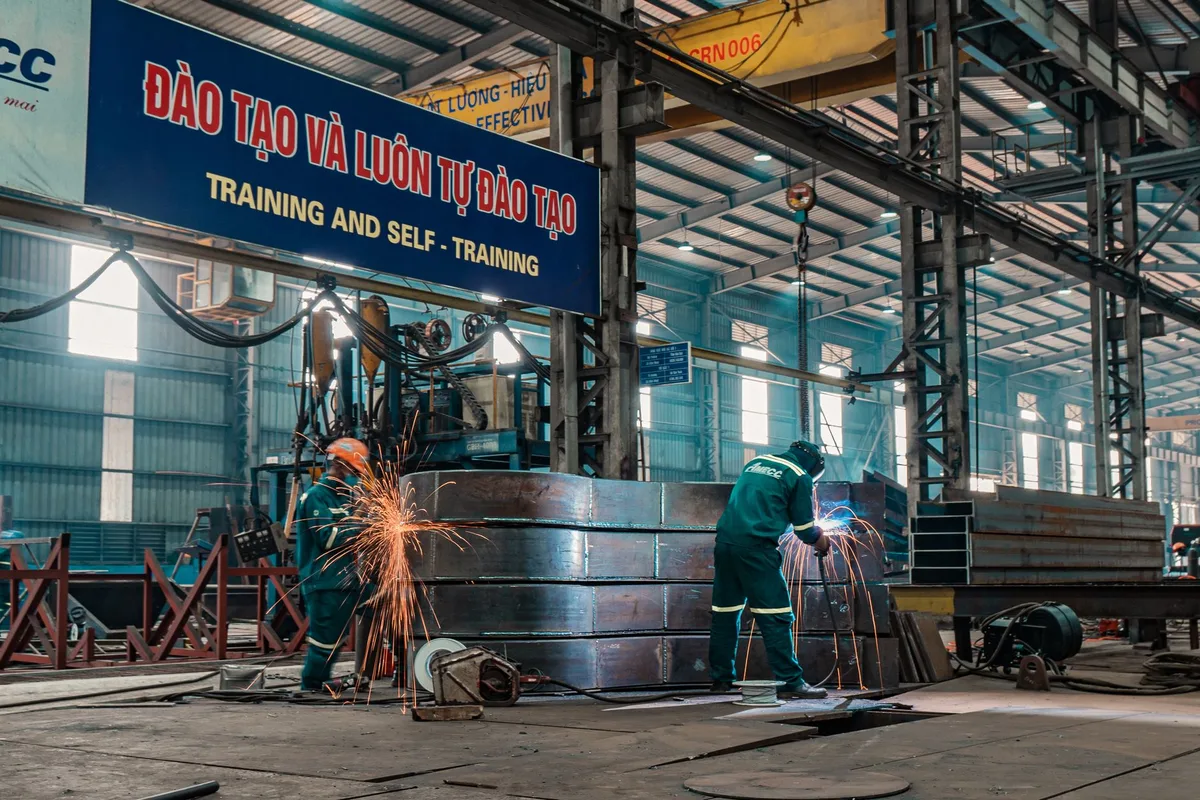
A buyer's guide to Made in Vietnam: what the label means, which products the country manufactures, and how to verify suppliers and origin claims before you order.
Sep 20, 2026
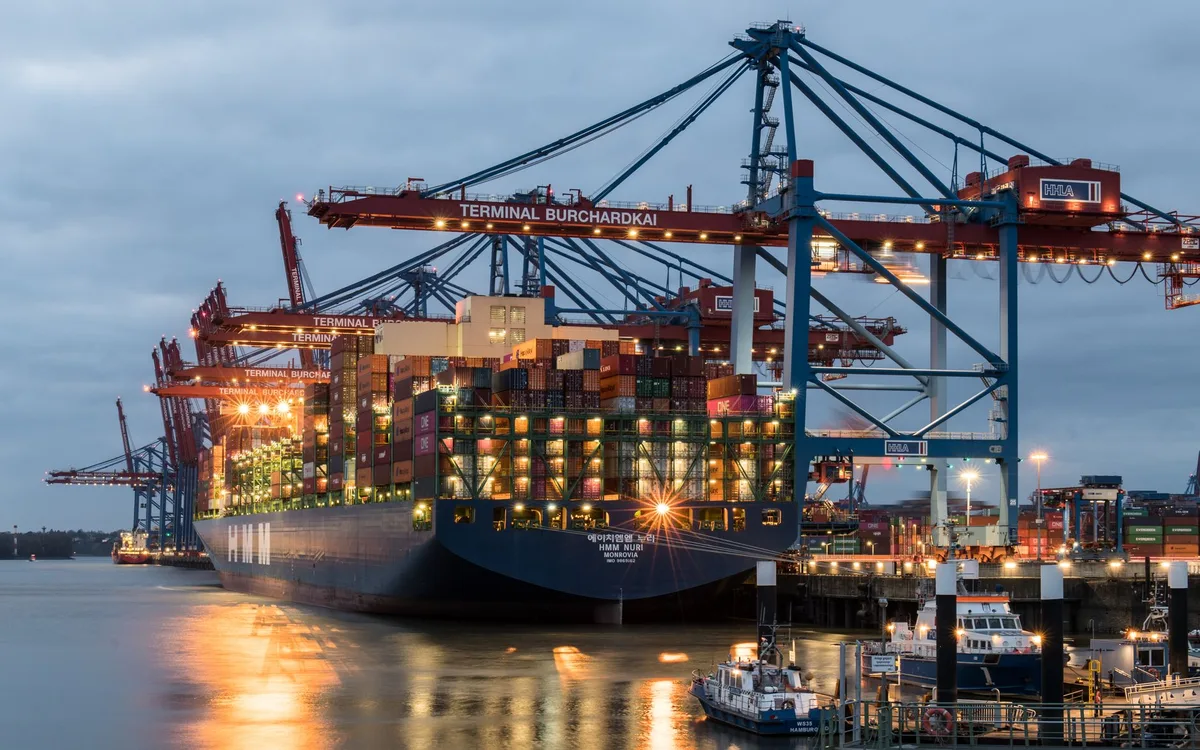
A practical guide to finding, vetting, and ordering from wholesale suppliers anywhere in the world, plus a region-by-region map of where to source what.
Sep 11, 2026