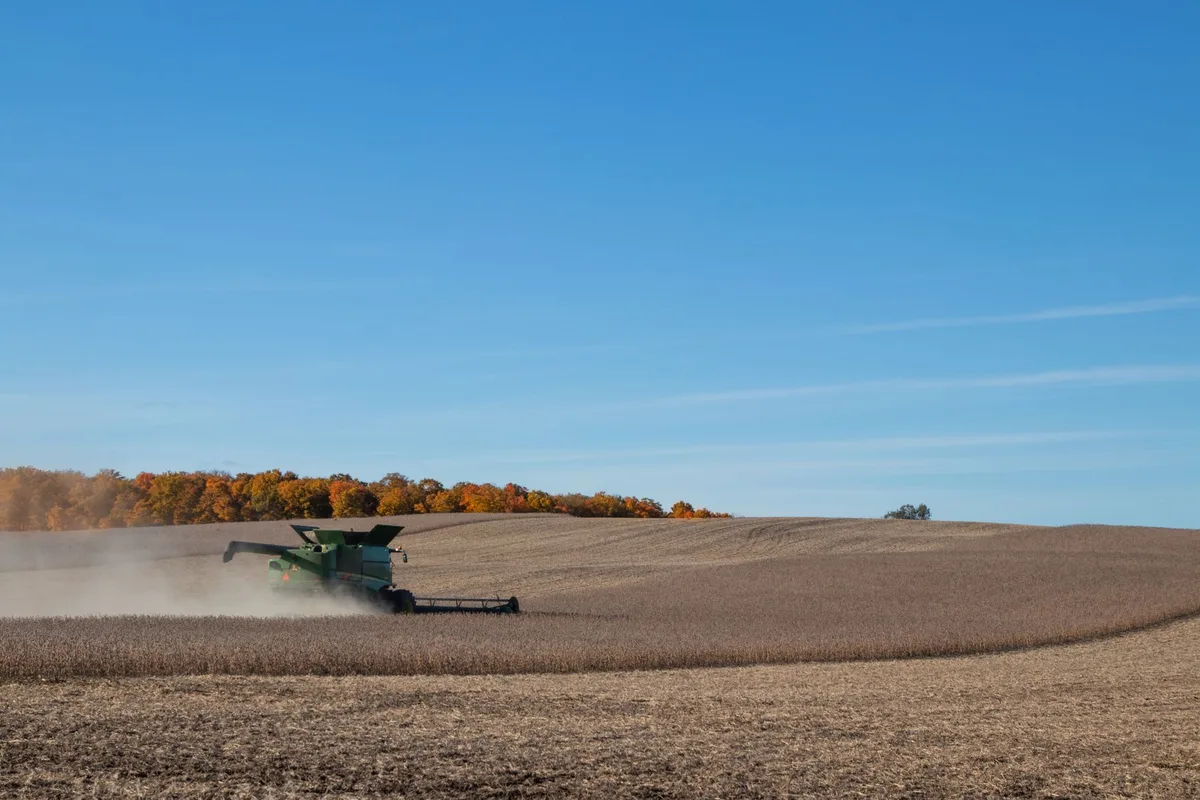
Brazil's Main Export: What It Is and What Buyers Can Source
What is Brazil's main export? A buyer's guide to Brazil's top exports in 2025, why sources rank them differently, who buys them, and how to source Brazilian goods safely.
Sep 26, 2026
Find verified suppliers on Tawaf
Create Free AccountIndia dominates global rice exports.
With over 22 million tonnes shipped annually and roughly 40% of all cross-border rice trade flowing from Indian ports, procurement managers who ignore this origin market are working with one hand tied behind their back. Whether you source 1121 Basmati for Middle Eastern hospitality clients or IR64 Parboiled for West African distributors, the supplier you choose in India determines your margin, your delivery window, and your reputation with end buyers.
This guide maps the verified rice exporters currently listed on Tawaf, breaks down the major rice categories, and gives you a direct path to request quotes — no middlemen, no outdated directories.
India's rice export sector includes thousands of registered exporters, but the verified suppliers that matter to B2B buyers are those with consistent stock, documented quality grades, and the ability to ship in commercial quantities. Below are five exporters currently active on Tawaf with live product listings.
Rice exporters in India range from single-origin farm aggregators to large trading houses with their own processing mills. The distinction that matters for procurement is straightforward: can the exporter deliver the specific grade you need, at the volume you need, within a timeline your supply chain can absorb?
Here are the verified suppliers you can reach directly through Tawaf right now:
Padhan Agro carries the widest basmati range on the platform. Their listings cover the full 1121 family:
If you need a single supplier to cover both premium basmati and commodity non-basmati, Padhan Agro is a logical starting point.
Al Mezbaan focuses on the sella segment of basmati. Their 1121 Steam Sella Basmati targets buyers who need the aromatic qualities of 1121 combined with the structural resilience that parboiling provides. Steam sella holds its shape through aggressive cooking methods — an important attribute for institutional food service and large-scale catering supply chains.
Exelaa lists IR64 White Raw and Parboiled Rice, serving the non-basmati segment. IR64 parboiled is the backbone of India's rice exports to Sub-Saharan Africa, where it competes on price with Thai and Vietnamese equivalents. For buyers running tenders in Nigeria, Ghana, or Ivory Coast, Indian IR64 at current rates often undercuts competitors by 8-15%.
Tranum Trading supplies non-basmati rice including IR64 grades. Their positioning appeals to traders assembling mixed-origin shipments or looking for backup suppliers alongside a primary source.
Global Agro TradeWave lists Parboiled Rice for bulk export. Parboiled rice — whether basmati or non-basmati — undergoes a hydrothermal treatment before milling that hardens the kernel, reduces breakage during transit, and improves nutrient retention. For importers shipping to tropical climates where storage conditions vary, parboiled grades reduce spoilage risk.
India exports two broad categories — basmati and non-basmati — each subdivided by processing method. Basmati includes Steam, Golden Sella, Creamy Sella, and White Sella. Non-basmati centers on IR64 in raw, parboiled, and broken forms. Processing method determines price, shelf life, and target market.
Understanding the product taxonomy saves you from mismatched shipments and pricing confusion. Here is how Indian export rice breaks down:
| Rice Category | Variety | Processing | Key Markets | Price Tier |
|---|---|---|---|---|
| Basmati | 1121 Steam | Steamed, dried | Middle East, EU, US | Premium |
| Basmati | 1121 Golden Sella | Parboiled (golden) | Saudi Arabia, UAE, Iraq | High |
| Basmati | 1121 Creamy Sella | Parboiled (light) | Kuwait, Yemen, Iran | High |
| Basmati | 1121 White Sella | Parboiled (white) | EU, UK, US | High |
| Non-Basmati | IR64 Raw | Milled, polished | Africa, SE Asia | Budget |
| Non-Basmati | IR64 Parboiled | Parboiled, milled | West Africa, Caribbean | Budget |
| Non-Basmati | Broken Rice | Byproduct of milling | Animal feed, brewing | Lowest |
The 1121 variety dominates India's basmati exports because of its exceptional grain elongation — it nearly doubles in length when cooked. According to the All India Rice Exporters Association (AIREA), 1121 varieties account for the majority of basmati shipments by volume.
Non-basmati rice, led by IR64, competes on volume and price. India exported approximately $10.4 billion worth of rice in FY2024, and non-basmati varieties made up a significant share of that figure, driven by demand from African and Asian importers where affordability outweighs aromatic qualities.
Join Tawaf and connect with verified businesses across 47 countries. No middlemen, no commissions.
Join Tawaf FreeEvaluate exporters on five criteria: APEDA registration, sortex and lab certifications, minimum order flexibility, container loading experience, and responsiveness to specification sheets. A supplier who cannot provide a pre-shipment sample matching your spec is not ready for commercial orders.
Procurement managers who have sourced rice from India before know the common failure points. Here is a checklist that filters out unreliable suppliers fast:
1. APEDA Registration Every legitimate rice exporter in India must be registered with the Agricultural and Processed Food Products Export Development Authority (APEDA). This is non-negotiable. Ask for the registration number and verify it on the APEDA official directory.
2. Sortex and Lab Reports Sortex-cleaned rice has been passed through color-sorting machines that remove discolored, damaged, or foreign grains. Ask for the sortex percentage (95% and above is standard for premium basmati). Lab reports should cover moisture content, broken grain percentage, grain length, and any pesticide residue testing relevant to your destination market's regulations.
3. Minimum Order Quantities Some exporters only move full container loads (FCL) — typically 25-27 metric tonnes per 20-foot container. Others will work with less-than-container-load (LCL) shipments for trial orders. Clarify this before you invest time in negotiations.
4. Container Loading and Documentation Ask whether the exporter handles their own stuffing and fumigation, or outsources it. Exporters with in-house loading facilities tend to have better control over container conditions, which directly affects grain quality on arrival.
5. Responsiveness Send a detailed specification sheet — grain length, moisture, broken percentage, packaging requirements, destination port — and measure how quickly and accurately the supplier responds. On Tawaf, you can contact these exporters directly through the platform's enquiry system, which creates a documented communication thread.
The 1121 basmati variety dominates because it offers the longest grain elongation of any commercial basmati cultivar — nearly 22mm after cooking — combined with strong aroma and adaptable processing. It can be steamed, parboiled to multiple sella grades, or sold raw, giving exporters and buyers maximum flexibility.
The 1121 variety was developed in the early 2000s and rapidly overtook traditional basmati cultivars like Pusa Basmati 1 and Type-3 in export volumes. The reasons are economic as much as qualitative.
For farmers, 1121 offers higher yields per hectare than older varieties. For millers and exporters, the extra-long grain reduces breakage during processing, which means a higher percentage of the harvest reaches export grade. For buyers, the grain's cooking behavior — dramatic elongation, non-sticky texture, strong aroma — satisfies the quality expectations of end consumers in the Gulf states, Europe, and North America.
On Tawaf, you can compare 1121 variants side by side. Padhan Agro's 1121 Steam Basmati represents the purest form — steamed and dried without parboiling — while their 1121 Golden Sella and 1121 Creamy Sella show how parboiling creates distinct products from the same raw material.
Al Mezbaan's 1121 Steam Sella occupies the intersection — steam-processed sella that retains more aroma than a standard golden sella while gaining structural durability. If you are supplying to hotel chains or airline catering, this grade handles industrial reheating without turning mushy.
Ready to contact these suppliers directly? Create your free Tawaf account and send enquiries to any verified rice exporter on the platform. No fees, no commissions on your first transactions — just direct access to the suppliers listed above.
Basmati rice is an aromatic long-grain variety grown exclusively in the Indo-Gangetic plains, carrying a Geographical Indication tag. Non-basmati includes all other Indian rice varieties — IR64, Sona Masoori, Ponni — grown across broader regions. The price gap between the two can reach 2-3x per tonne.
This distinction is not academic. It determines your landed cost, your target buyer demographic, and the regulatory requirements at your destination port.
Basmati rice commands premium pricing because of its aroma compounds (primarily 2-acetyl-1-pyrroline), grain length, and the cultural preference for basmati in Middle Eastern, South Asian, and increasingly European cuisines. Importers selling to retail chains in the UAE, UK, or Canada source basmati.
Non-basmati rice — particularly IR64 — serves a different function entirely. It is a staple calorie source, priced for volume markets. West African nations import millions of tonnes of Indian non-basmati rice annually. Exelaa's IR64 listing and Tranum Trading's non-basmati offerings cater to this segment.
For procurement managers assembling diversified rice portfolios — premium basmati for high-margin retail and IR64 for volume tenders — India is the only origin that credibly supplies both at scale.
India's rice export policy has shifted multiple times since 2023, including temporary bans on non-basmati white rice and minimum export price floors on basmati. As of early 2026, most restrictions have eased, but buyers must monitor policy changes because India can impose new export curbs within days when domestic prices spike.
The Indian government treats rice exports as a food security lever. When domestic rice prices rise above politically acceptable thresholds, the Ministry of Commerce can impose export duties, set minimum export prices (MEP), or ban specific categories outright.
In 2023, India banned exports of non-basmati white rice and imposed a 20% export duty on parboiled rice. These restrictions were partially rolled back through 2024 and 2025, but the precedent matters: India will restrict exports again if domestic conditions demand it.
What this means for your procurement strategy:
Standard Indian rice export packaging uses woven PP bags (25kg or 50kg) inside a container lined with kraft paper. Key shipping terms to negotiate: FOB or CIF, fumigation certificates, phytosanitary certificates, and container inspection at the port of loading. Specify packaging in your purchase order — do not leave it to the exporter's default.
Packaging failures cause more disputes in rice trade than quality issues do. A container that arrives with torn bags, moisture damage, or insect infestation destroys the commercial value of the entire shipment.
Here are the specifications to lock down before confirming any order:
Bag Material and Weight: PP woven bags with inner polyethylene lining are standard. Specify the bag weight — 5kg, 10kg, 25kg, or 50kg — based on your end market. Retail-bound rice often needs 5kg or 10kg consumer packs with custom printing; wholesale needs 25kg or 50kg.
Container Lining: Kraft paper lining inside the container reduces condensation damage during ocean transit. Some exporters use container liners (full plastic bags that encase the entire container interior) for added protection. Ask for this if your shipment crosses the equator or involves long transit times.
Fumigation: Aluminum phosphide fumigation is standard for Indian rice exports. The fumigation certificate must accompany the shipping documents. Some destination countries (notably EU nations) have specific maximum residue limits (MRLs) for phosphine — confirm your destination's requirements and communicate them to the exporter.
Shipping Terms: FOB (Free on Board) means you arrange ocean freight from the Indian port. CIF (Cost, Insurance, Freight) means the exporter handles freight to your destination port. CIF is simpler but gives the exporter control over freight routing and cost. FOB gives you more control and often better freight rates if you have established shipping line relationships.
Register a free account on Tawaf, browse verified rice exporters from India, and send enquiries directly through the platform. Each supplier listing shows product specifications, variations, and pricing indicators. You can request samples, negotiate terms, and manage all communication in one documented thread.
The process on Tawaf is designed to remove the friction that makes traditional B2B sourcing slow and opaque. Here is the step-by-step:
For a deeper understanding of how the platform works, read our guide on what Tawaf is and how it connects B2B traders.
Most Indian rice exporters set their minimum order at one full container load (FCL), which is approximately 25 to 27 metric tonnes in a 20-foot container. Some suppliers on Tawaf accommodate smaller trial orders through LCL (less-than-container-load) shipments, but expect a price premium of 5-10% per tonne for the reduced volume.
The primary rice export ports in India are Mundra (Gujarat), JNPT/Nhava Sheva (Maharashtra), and Kakinada (Andhra Pradesh). Mundra handles the highest volume of basmati exports due to its proximity to the basmati-growing regions of Punjab and Haryana. For non-basmati IR64, Kakinada is a major hub serving African trade routes.
Transit time from Indian ports to major Middle Eastern destinations ranges from 5 to 12 days depending on the port pair. Mundra to Jebel Ali (Dubai) takes roughly 5-7 days. Mundra to Jeddah runs 8-10 days. These times assume direct sailings — transshipment via Colombo or Singapore adds 5-8 days to the total.
Many Indian rice exporters hold certifications required for EU market entry, including ISO 22000, HACCP, and BRC Food Safety. However, EU regulations on maximum residue limits (MRLs) for pesticides — particularly tricyclazole — are stricter than most other markets. Confirm with your supplier that their rice meets current EU MRL requirements before ordering.
Standard payment terms in Indian rice export trade include Letter of Credit (LC) at sight for new relationships, which provides security for both parties. Established trading partners often move to 30-60 day LC or Documents against Payment (D/P). Cash against Documents (CAD) is common for African trade. Advance payment (TT) is sometimes required for first orders.
Get Started
Create your free account and start connecting with verified suppliers and buyers worldwide.
Create Free Account
We help businesses navigate cross-border trade. Our team covers supplier verification, trade compliance, and B2B marketplace strategies to connect verified businesses worldwide.
What is Brazil's main export? A buyer's guide to Brazil's top exports in 2025, why sources rank them differently, who buys them, and how to source Brazilian goods safely.
Sep 26, 2026
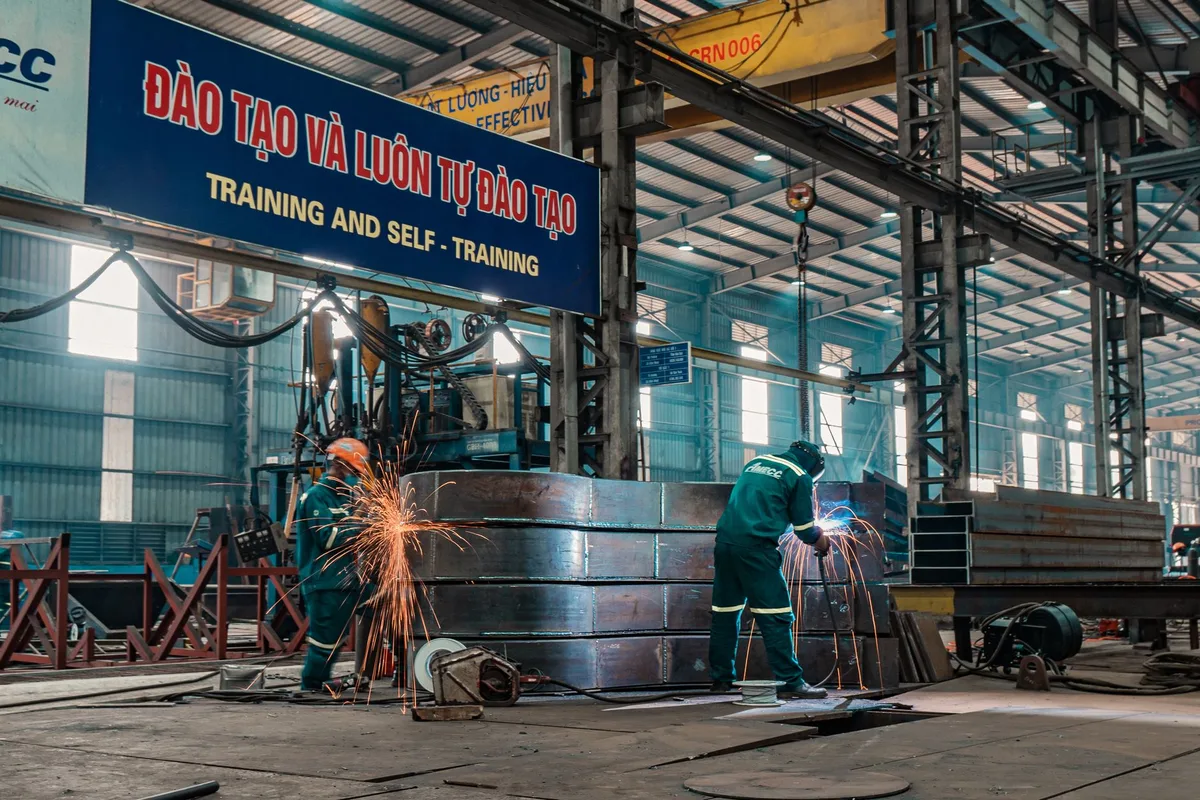
A buyer's guide to Made in Vietnam: what the label means, which products the country manufactures, and how to verify suppliers and origin claims before you order.
Sep 20, 2026
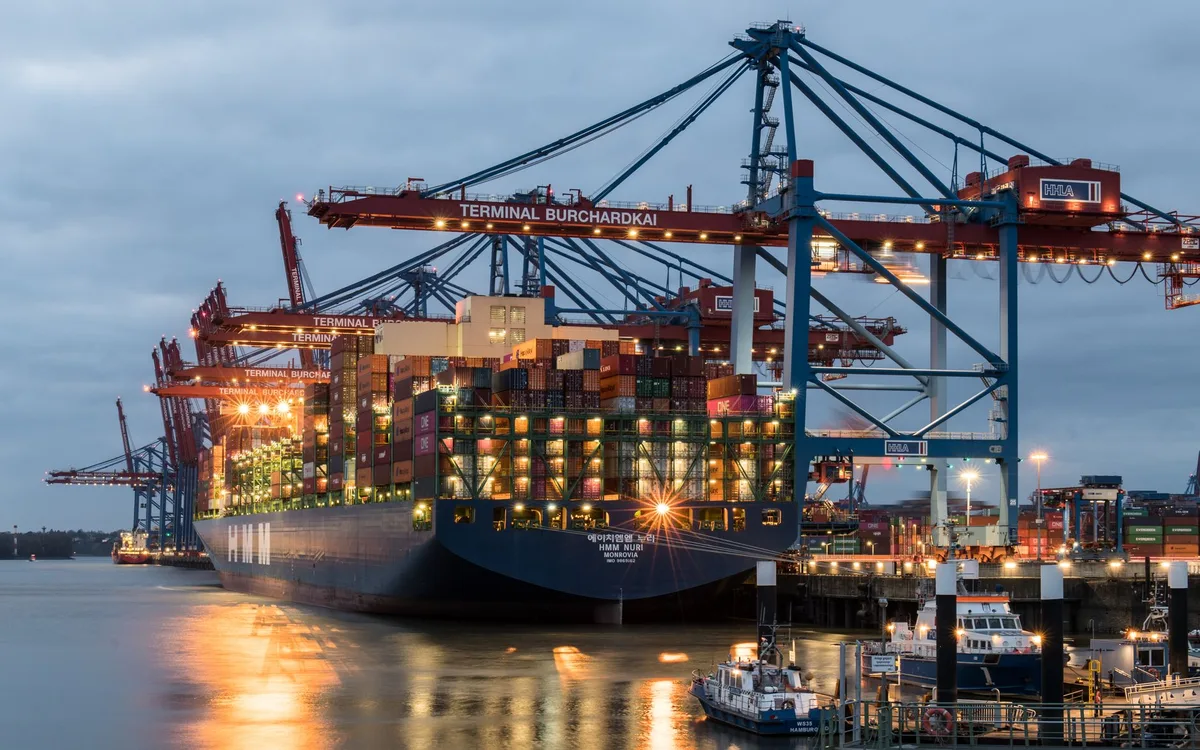
A practical guide to finding, vetting, and ordering from wholesale suppliers anywhere in the world, plus a region-by-region map of where to source what.
Sep 11, 2026