9 Best IndiaMART Alternatives for B2B Sourcing in 2026
IndiaMART dominates Indian B2B sourcing, but it is not the only option, and not always the right one. Here are 9 alternatives ranked by region and use case.
Nov 5, 2026
Find verified suppliers on Tawaf
Create Free AccountTwo names keep coming up. Most buyers never compare them properly.
You found a supplier on one, a better price on the other, and now you're not sure which platform to trust with the actual order. The honest answer depends on what you're buying, how much protection you need, and whether price or vetting matters more to you.
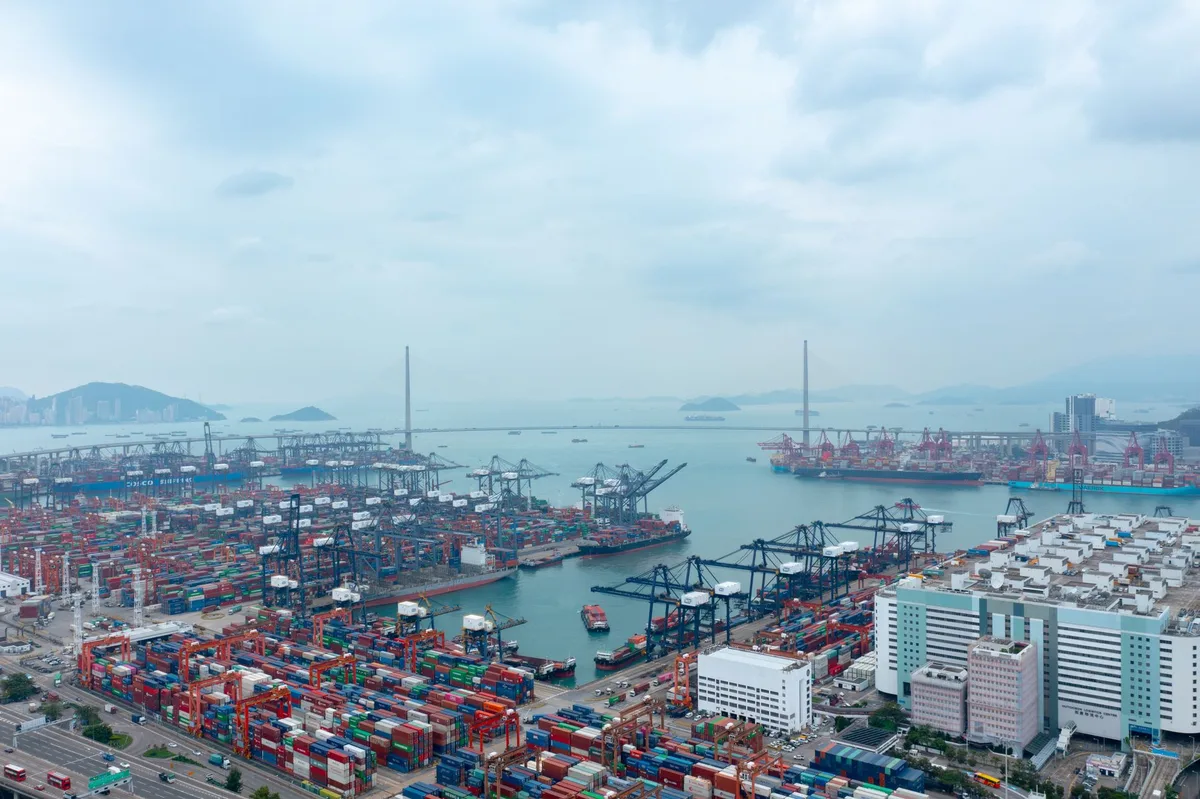
Here's the full comparison: history, supplier verification, payment protection, product categories, pricing, and what buyers who actually used both platforms say about them.
Two different companies, built for two different jobs.
Alibaba, founded in 1999 by Jack Ma in Hangzhou, China, is the world's largest B2B marketplace by supplier count and product breadth (Alibaba Group, Wikipedia). Global Sources has operated since 1971, nearly three decades before Alibaba existed, building its business around Hong Kong trade shows and a narrower, more curated catalog focused on electronics, hardware, and gifts.
Alibaba wins on scale and price competition. Global Sources wins on curation, if you're sourcing electronics or hardware specifically. Neither wins on buyer payment protection, as the sections below show.
Both platforms sell a badge. Neither badge is a guarantee.
Alibaba's Gold Supplier and Verified Supplier badges are paid tiers a supplier buys into, not a free baseline every listing passes through; Global Sources runs a similar opt-in Verified Supplier program that adds a third-party, on-site factory audit before granting the badge. Sourcing consultancy Sofeast has described Alibaba's "Gold Supplier" status as a marketing gimmick in practice, noting that paying extra for a badge "doesn't necessarily mean that it's any safer to work with" a given supplier (Sofeast, 2021).
The practical difference: a Global Sources Verified badge requires an actual factory visit from an independent auditor before it's granted. Alibaba's Gold Supplier tier is closer to a paid subscription level than a vetting outcome, and a supplier can hold it without ever having a facility inspected in person. Both platforms still leave the real verification work, checking business registration against a government database, requesting product samples before a bulk order, and calling existing customers for references, to the buyer. Neither badge is retroactive, either: once granted, it isn't automatically re-checked, so a supplier that passed an audit two years ago may have changed ownership, quality control, or production capacity since. Our 7-step supplier verification guide covers that full process in sequence, from the fastest free checks through a factory audit request, regardless of which marketplace the supplier is listed on.
Join Tawaf and connect with verified businesses across 49 countries. No middlemen, no commissions.
Join Tawaf FreeOne platform documents a program. The program's track record is the problem.
Alibaba offers Trade Assurance, an escrow-style payment protection program for eligible orders; Global Sources does not publicly document a comparable built-in payment-protection system. On paper, that makes Alibaba the safer choice. In practice, China business lawyer Dan Harris has called Trade Assurance "borderline worthless," saying he knows "nobody who has ever had a good experience with it and plenty who have not" (quoted via Sofeast).

Buyers who do get value from Trade Assurance mostly use it for small first trial orders, not full container shipments. Treat it as a minor safety net on an initial order, not a reason to skip independent supplier vetting. Global Sources buyers don't get even that safety net; every transaction runs on direct negotiation between buyer and supplier, which is exactly why reviewer complaints about advance-fee fraud, covered below, land harder on that platform.
Breadth versus focus, and it shows in the numbers.
Alibaba lists suppliers across nearly every product category and geography, earning its position as the largest general B2B marketplace in the world (Alibaba Group, Wikipedia); Global Sources concentrates on electronics, hardware, gifts, and home goods, a legacy of its trade-show roots going back to 1971. That focus means fewer total listings, but a buyer sourcing consumer electronics or hardware will find a more curated starting pool on Global Sources than wading through Alibaba's full catalog.
| Factor | Global Sources | Alibaba |
|---|---|---|
| Founded | 1971, Hong Kong | 1999, Hangzhou, China |
| Ownership | Clarion Events (Blackstone-backed), since 2018 | Alibaba Group (public, NYSE: BABA) |
| Supplier verification | Verified Supplier badge (opt-in, third-party factory audit) | Gold/Verified Supplier badge (paid tier) |
| Payment protection | Not publicly documented | Trade Assurance (limited real-world track record) |
| Core category strength | Electronics, hardware, gifts | Broadest general B2B catalog |
| Primary channel | Trade shows plus online marketplace | Online marketplace |
| Cost to buyers | Free | Free |
No single row decides the winner. Match the row that matters most to your order.
Both source heavily from China. The tradeoff is depth versus breadth.
For broad Chinese manufacturing across any category, Alibaba's scale is hard to match; for electronics and hardware specifically, Global Sources' trade-show-vetted supplier base, built over 55 years of in-person sourcing events, often surfaces more consistent factory relationships than an open self-listing marketplace. Buyers who already cross-check both platforms for the same product category are not being overly cautious, they're following the pattern most experienced sourcing consultants recommend.
Still deciding where to start? Create a free Tawaf account and browse suppliers verified at onboarding, before you ever message one. No subscription fees for buyers.
The reviews tell a sharper story than either platform's marketing page.
Public reviews of Global Sources skew heavily negative, with a recurring advance-fee fraud pattern: a buyer pays a deposit, then the supplier invents customs, insurance, or inspection fees before shipping, often while still carrying a "Verified" badge (Sitejabber reviews, accessed November 2026). Alibaba's complaint pattern looks different: fewer outright fraud reports, but a steady stream of disappointment with Trade Assurance disputes that go nowhere once a payment has already cleared.

Neither pattern means either platform is a scam. Both are large, legitimate marketplaces with thousands of real, honest suppliers. The lesson from the reviews is narrower: a badge, on either platform, is a starting signal, not a finish line. Checking a supplier's paperwork yourself still matters more than which marketplace they happen to list on. Our full review of Global Sources walks through the specific complaint patterns in more depth.
Free for buyers on both. The real cost sits on the supplier side.
Neither Global Sources nor Alibaba charges buyers a subscription fee to browse listings, message suppliers, or place an order; both platforms earn revenue from supplier-side membership tiers that scale with listing visibility and trade-show access. The practical cost to a buyer is indirect: suppliers who pay more for premium placement tend to appear first in search results, regardless of how well they're actually vetted.
That indirect cost is worth knowing before you assume the top result is automatically the best fit. The US International Trade Administration recommends independently verifying a supplier's business registration before a first order, a step that costs nothing and matters more than whichever paid tier a supplier is subscribed to.
There's a second hidden cost worth planning for on either platform: minimum order quantities. Suppliers set their own MOQs, and on both Alibaba and Global Sources, those minimums can run into the hundreds or thousands of units for manufactured goods, which pushes total order cost well above what a small business expects to spend on a first test order. Negotiating a smaller trial run, even at a slightly higher per-unit price, is usually worth the tradeoff before committing to a full production batch with a new supplier.
A third option, built around a different tradeoff entirely.
Tawaf requires business-document verification at onboarding, before a supplier profile ever goes live, rather than leaving verification as an opt-in badge suppliers can skip (What Is Tawaf?). The platform is purpose-built for Middle East, Africa, and South Asia trade corridors that Alibaba and Global Sources both serve only incompletely, with 160-plus registered businesses on the platform so far.
In fairness, Tawaf doesn't yet offer a built-in escrow system either; negotiation happens directly through in-app inquiry threads, the same gap Global Sources has. What's different is the starting point: every supplier on Tawaf cleared a document check before listing anything, not after an optional upgrade. For buyers focused on those specific regions, that's worth weighing against Alibaba and Global Sources' far larger, but less uniformly verified, supplier pools. Browse verified suppliers on Tawaf or see the fuller business-to-business marketplace comparison for more platforms.
There's no universal winner. There's a better fit for your specific order.
Choose Alibaba if you want the broadest possible supplier pool and the lowest prices through open competition; choose Global Sources if you're sourcing electronics or hardware and want a more curated, trade-show-vetted starting list. Neither choice replaces independent verification, given how both platforms' badge systems have drawn direct criticism from buyers and sourcing professionals alike.
If your sourcing sits in the Middle East, Africa, or South Asia specifically, it's worth adding a third comparison point built for that corridor before you commit to either global giant.
Global Sources vs Alibaba: which one should I use? Use Alibaba for the broadest supplier selection and lowest prices through open competition. Use Global Sources if you're sourcing electronics, hardware, or gifts and want a more curated, trade-show-vetted supplier list. Many experienced buyers check both before committing to one supplier.
Is Alibaba's Trade Assurance worth using? It's a limited safety net, best for small first orders. China business lawyer Dan Harris has called it "borderline worthless" for larger disputes, and buyers report mixed results getting compensation once a payment has already cleared.
Is it safe to buy from suppliers on Global Sources or Alibaba? Both are legitimate, long-running marketplaces with thousands of real suppliers. Public reviews of Global Sources show a recurring advance-fee fraud pattern, so verify any specific supplier's business registration and request a sample before paying, regardless of which platform they're on.
Which is cheaper, Global Sources or Alibaba? Browsing and messaging suppliers is free for buyers on both platforms. Pricing on actual orders depends entirely on the individual supplier's quote, not the marketplace, since neither Global Sources nor Alibaba sets product prices itself.
Does a Verified or Gold Supplier badge mean a supplier is trustworthy? Not on its own. Alibaba's Gold Supplier badge is a paid membership tier, and Global Sources' Verified badge, while backed by a third-party factory audit, is opt-in, meaning many unverified suppliers list alongside verified ones on both platforms.
Get Started
Create your free account and start connecting with verified suppliers and buyers worldwide.
Create Free Account
We help businesses navigate cross-border trade. Our team covers supplier verification, trade compliance, and B2B marketplace strategies to connect verified businesses worldwide.
IndiaMART dominates Indian B2B sourcing, but it is not the only option, and not always the right one. Here are 9 alternatives ranked by region and use case.
Nov 5, 2026
A buyer's review of Global Sources: the company behind it, what its Verified Supplier badge covers, what real reviews say about advance-fee fraud, and how to verify a specific supplier before you pay.
Nov 2, 2026

RFQ software replaces scattered emails and spreadsheets with one place to send requests, collect supplier quotes, and compare them side by side. Here is how it works and how to pick one.
Nov 1, 2026