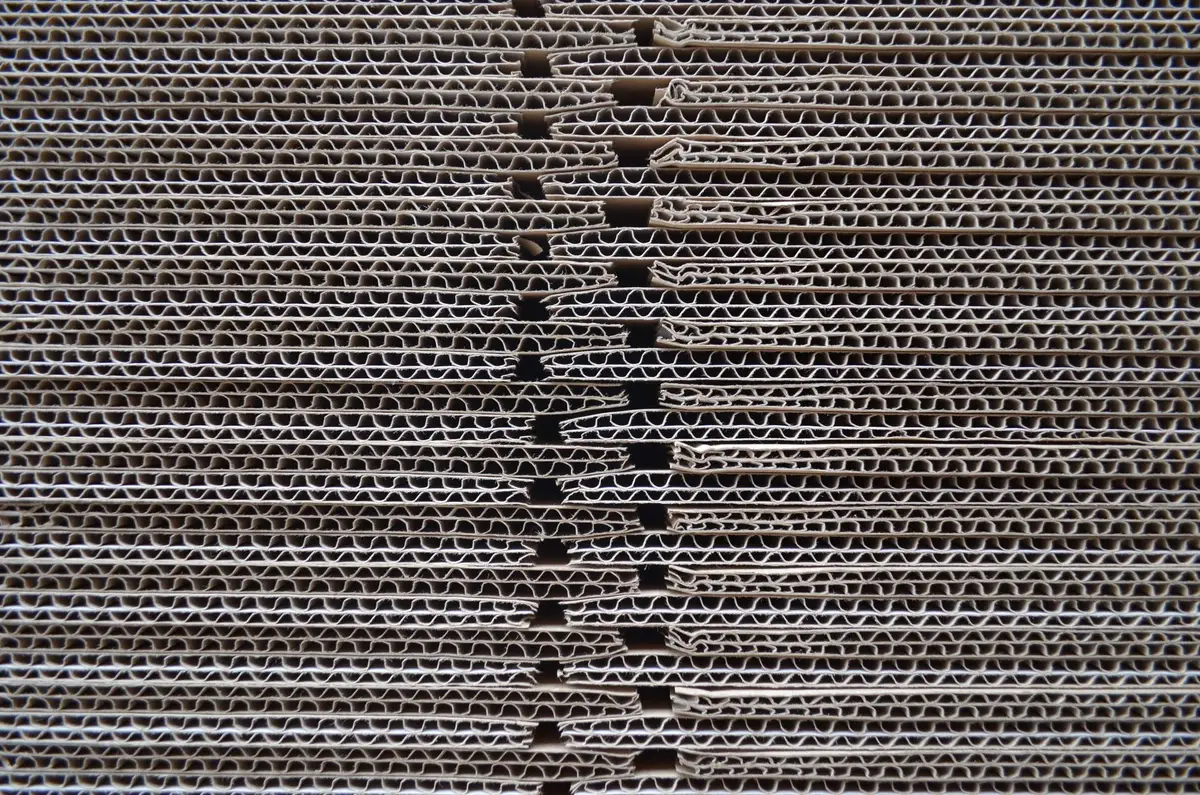
Corrugated Box Maker: How to Find and Vet the Right Supplier
A sourcing guide to corrugated box makers: how boxes are made, which flute type fits your product, pricing ranges, and how to verify a supplier before ordering.
Sep 23, 2026
Find verified suppliers on Tawaf
Create Free AccountIndia is the world's largest milk producer. With over 230 million tonnes of milk produced annually, the country has built a massive dairy processing infrastructure — and alongside it, a deep ecosystem of dairy equipment manufacturers. For B2B buyers setting up or expanding dairy operations, Indian manufacturers offer capable equipment at prices that make project economics work.
This guide covers every aspect of sourcing dairy processing equipment from India: the types of equipment available, major manufacturers, quality standards, pricing benchmarks, and step-by-step sourcing advice.
A dairy equipment manufacturer in India is a company that designs, fabricates, and supplies machinery for receiving, processing, packaging, and storing milk and dairy products, ranging from small-scale village-level equipment to fully automated industrial processing lines.
India's dairy equipment manufacturing sector is a direct product of the White Revolution — the cooperative-driven dairy development movement launched by Dr. Verghese Kurien in the 1970s. As millions of small dairy farmers were organised into cooperatives and milk processing scaled up, a domestic equipment manufacturing industry emerged to serve them.
Today, the sector includes over 500 manufacturers ranging from small fabricators making basic milk coolers to large companies producing complete turnkey dairy plants. The industry is valued at approximately USD 2.8 billion, with exports growing at 15-20 percent annually, particularly to Africa, the Middle East, and Southeast Asia.
Indian dairy equipment manufacturers have a unique advantage: they have designed equipment for the specific challenges of tropical dairy processing — high ambient temperatures, variable milk quality, intermittent power supply, and the need for robust, easy-to-maintain machines.
Indian manufacturers produce the complete range of dairy processing equipment including milk reception systems, pasteurisers, homogenisers, UHT/HTST plants, cream separators, butter churns, cheese vats, packaging machines, and cold storage systems.
Here is a comprehensive overview:
| Equipment Category | Key Equipment | Capacity Range | Price Range (USD) |
|---|---|---|---|
| Milk reception | Weigh bowls, dump tanks, plate coolers, silos | 500-50,000 L/hr | 2,000-50,000 |
| Pasteurisation | HTST pasteurisers, batch pasteurisers | 500-30,000 L/hr | 8,000-200,000 |
| UHT processing | Tubular UHT, plate UHT, direct steam injection | 1,000-20,000 L/hr | 50,000-500,000 |
| Homogenisation | High-pressure homogenisers | 500-25,000 L/hr | 10,000-150,000 |
| Separation | Cream separators, clarifiers, bactofuges | 1,000-30,000 L/hr | 15,000-200,000 |
| Butter and ghee | Continuous butter churns, ghee kettles | 100-5,000 kg/hr | 5,000-100,000 |
| Cheese processing | Cheese vats, presses, moulds, ripening rooms | 500-20,000 L/batch | 10,000-300,000 |
| Yoghurt and fermented | Incubation tanks, culture dosing, filling | 500-20,000 L/batch | 15,000-200,000 |
| Packaging | Pouch fillers, cup fillers, bottle fillers, carton packers | 500-10,000 units/hr | 5,000-250,000 |
| Cold storage | Bulk milk coolers, cold rooms, ice bank systems | 500-50,000 L | 3,000-100,000 |
| CIP systems | Clean-in-place units | Various | 5,000-80,000 |
The range of capabilities is vast. Whether you need a single pasteuriser for a small dairy or a complete 100,000-litre-per-day processing plant, there are Indian manufacturers who can deliver.
Join Tawaf and connect with verified businesses across 47 countries. No middlemen, no commissions.
Join Tawaf FreeThe primary dairy equipment manufacturing centres are Pune (Maharashtra), Ahmedabad-Anand (Gujarat), Noida-Greater Noida (Uttar Pradesh), and Coimbatore (Tamil Nadu), with Gujarat's Anand being the historical epicentre due to its association with Amul and the cooperative movement.
Each cluster has developed distinct capabilities:
Anand-Ahmedabad, Gujarat This is the birthplace of India's cooperative dairy movement, and it remains the densest cluster of dairy equipment manufacturers. Proximity to Amul (the world's largest dairy cooperative) has created a rich ecosystem of suppliers. Gujarat manufacturers are particularly strong in milk reception equipment, bulk coolers, and complete small-to-medium dairy plants.
Pune, Maharashtra Pune's engineering base makes it a hub for more sophisticated dairy equipment — UHT plants, advanced homogenisers, and automated packaging lines. Several multinational dairy equipment companies have Indian operations or technology partners based in Pune.
Noida-Greater Noida, Uttar Pradesh The NCR cluster specialises in packaging machinery for dairy products — pouch filling machines, cup sealing machines, and carton filling lines. UP is also India's largest milk-producing state, so local demand drives manufacturing.
Coimbatore, Tamil Nadu Coimbatore manufacturers are known for robust, cost-effective equipment, particularly for the South Indian and export markets. Strengths include stainless steel fabrication, heat exchangers, and CIP systems.
Browse dairy equipment manufacturers by region on Tawaf's supplier directory.
Indian HTST pasteurisers meet the same food safety standards (72 degrees Celsius for 15 seconds) as European models and cost 40-60 percent less, though European models typically offer better automation, energy efficiency, and surface finish quality.
Pasteurisation is the most critical process in any dairy plant, so this comparison matters:
| Feature | Indian Pasteuriser | European Pasteuriser |
|---|---|---|
| Pasteurisation standard | 72C/15sec (HTST) | 72C/15sec (HTST) |
| Plate material | SS 316 | SS 316L |
| Gasket material | NBR/EPDM | EPDM (food grade) |
| Automation level | Semi-auto to fully auto | Fully automated |
| Energy recovery | 80-88% | 90-94% |
| Surface finish | Ra 0.6-0.8 micron | Ra 0.4-0.6 micron |
| CIP integration | Optional | Standard |
| Price (5,000 L/hr unit) | USD 15,000-30,000 | USD 50,000-80,000 |
| Warranty | 12-18 months | 24 months |
| Documentation | Basic | Comprehensive (IQ/OQ/PQ) |
For most dairy operations in developing markets, Indian pasteurisers offer excellent value. The energy recovery difference (80-88% vs. 90-94%) translates to marginally higher operating costs, but the 40-60 percent capital cost saving more than compensates. For premium dairy operations or those requiring pharmaceutical-grade documentation, European equipment may be worth the premium.
Indian homogeniser manufacturers produce high-pressure units (up to 400 bar) for dairy applications, with prices 35-50 percent below European equivalents, and several manufacturers hold technology licenses from European companies for critical components like plungers and valves.
Homogenisation prevents cream separation and improves milk texture. Indian manufacturers produce two main types:
Critical components in a homogeniser — the plunger, valve seat, and impact ring — determine the machine's performance and lifespan. Top Indian manufacturers source these from European suppliers or manufacture them under license using imported tool steels. Lower-cost manufacturers use domestically produced components, which are adequate for standard milk but may have shorter service intervals.
When sourcing homogenisers from India, always ask about the origin of the valve assembly and plunger. This single question reveals a lot about the manufacturer's quality tier.
Specifying a complete dairy plant requires defining the milk intake capacity, product mix, automation level, utility requirements, and compliance standards — with Indian turnkey suppliers typically able to deliver 5,000-100,000 litre-per-day plants within 6-12 months.
Here is the specification process:
Define capacity: Daily milk intake in litres. Common starting sizes are 5,000, 10,000, 25,000, 50,000, and 100,000 litres per day.
Define product mix: What products will you make? Pasteurised milk, UHT milk, yoghurt, cheese, butter, ghee, ice cream? The product mix determines the equipment list.
Define automation level: Manual (lowest cost, highest labour), semi-automatic (balance of cost and efficiency), or fully automatic (highest cost, lowest labour, best consistency).
Define compliance requirements: Which food safety standards must the plant meet? FSSAI (Indian), FDA (US), EU regulations, or Gulf Standards (GSO)?
Define utilities: Steam boiler capacity, chilled water requirements, electrical load, water supply, and effluent treatment.
Site assessment: Share your factory layout, ambient temperature data, altitude, and water quality.
Indian turnkey dairy plant suppliers can provide complete solutions including plant design, equipment supply, installation, commissioning, operator training, and ongoing service support. This turnkey approach is particularly valuable for buyers in markets where local dairy engineering expertise is limited.
Setting up a dairy plant or upgrading your processing line? Create your free Tawaf account to connect with verified Indian dairy equipment manufacturers, compare quotes, and manage your project.
Indian dairy equipment must comply with FSSAI regulations domestically, and export-grade equipment is typically built to 3-A Sanitary Standards, EHEDG guidelines, or EU Machinery Directive 2006/42/EC depending on the destination market.
Quality standards you should verify:
The Food Safety and Standards Authority of India (FSSAI) sets regulations for dairy processing in India, and equipment manufactured for the Indian market must facilitate compliance with these standards.
Common challenges include inconsistent stainless steel quality, variable welding standards among smaller manufacturers, limited automation software support, and after-sales service gaps in remote export markets.
Being aware of these challenges helps you mitigate risk:
Stainless steel quality: Not all SS 304/316 is created equal. Some smaller manufacturers use recycled stainless steel that may not meet food-grade composition standards. Always request material test certificates from the steel mill, not just the equipment manufacturer.
Welding standards: Welding quality directly affects cleanability and food safety. Visit the factory (or request detailed photos/videos) to inspect weld quality. Look for smooth, crevice-free welds on all food-contact surfaces.
Automation and software: Indian manufacturers are strong in mechanical and process engineering but sometimes lag in automation software. If you need SCADA integration, PLC programming, or remote monitoring, confirm the manufacturer's capabilities upfront.
After-sales service: This is the number one complaint from international buyers of Indian dairy equipment. Before placing an order, establish a clear service agreement including response times, spare parts availability, and remote troubleshooting support.
Documentation: European buyers often expect comprehensive documentation packages (IQ/OQ/PQ protocols, P&ID drawings, operation manuals). Specify your documentation requirements in the purchase order — Indian manufacturers can produce them, but they may not do so unless asked.
Indian dairy equipment can be financed through buyer's credit, EXIM Bank of India lines of credit (available to many African and Asian countries), deferred payment arrangements, or through development bank project financing for dairy sector investments.
Financing options:
| Financing Method | Typical Terms | Best For | Notes |
|---|---|---|---|
| Cash / TT | 30-50% advance, balance before shipping | Small orders (<USD 50K) | Simplest but highest buyer risk |
| Letter of Credit | Sight or usance (90-180 days) | Medium orders (USD 50K-500K) | Standard for international trade |
| EXIM Bank line of credit | Concessional rates, long tenors | Government-backed dairy projects in Africa/Asia | Available to 60+ countries |
| Deferred payment | 20-30% advance, balance over 12-24 months | Large projects | Available from large manufacturers |
| Development bank financing | Project-specific | New dairy plant investments | IFC, AfDB, ADB schemes available |
The EXIM Bank of India option is particularly noteworthy. India extends lines of credit to many developing countries specifically for purchasing Indian equipment. If you are setting up a dairy plant in an African or South Asian country, check whether an EXIM Bank credit line covers your country — it can significantly improve your project economics.
According to the EXIM Bank of India, active lines of credit for dairy and food processing projects exist in over 30 countries.
Indian dairy equipment manufacturers typically include 1-2 engineers for installation and commissioning, with on-site duration of 1-4 weeks depending on project complexity, plus 3-5 days of operator training.
Installation timelines:
Most manufacturers include basic operator training covering machine operation, cleaning procedures, and routine maintenance. Advanced training (process optimisation, troubleshooting, maintenance planning) is available at additional cost.
Ensure your purchase contract specifies the number of engineers, the duration of on-site support, the scope of training, and who bears the cost of travel and accommodation. These details prevent disputes later.
Indian dairy equipment exports are projected to grow at 18-22 percent annually through 2030, driven by dairy sector expansion in Africa, Southeast Asia, and the Middle East, and supported by government export incentives.
Several trends support growth:
For B2B buyers, this growth means more options, more competition, and better pricing. The Indian dairy equipment sector is investing in quality and capability to capture export markets.
Browse verified dairy equipment manufacturers on Tawaf's marketplace to start your sourcing process.
There is no standard minimum. Single machines can be ordered from USD 5,000 upward. For turnkey plants, minimum project values typically start at USD 100,000-200,000, as manufacturers need to cover engineering and project management costs.
Yes. Several Indian manufacturers routinely supply to European dairy companies and build to EHEDG and 3-A standards. However, this must be specified in the purchase order. Standard-specification equipment may not meet European hygiene standards without modifications.
For standard equipment from stock: 4-6 weeks including shipping. For custom or built-to-order equipment: 12-20 weeks production plus 2-4 weeks shipping. For complete turnkey plants: 6-12 months from order to commissioning.
Yes. India has a significant camel population in Rajasthan, and several Gujarat and Rajasthan-based manufacturers have developed equipment specifically for camel milk processing, including modified pasteurisers and specialised packaging for camel milk's unique properties.
At minimum, stock gaskets, seals, and O-rings for all processing equipment; pump impellers and mechanical seals; homogeniser plungers and valve assemblies; and electrical components (contactors, relays, sensors). Most manufacturers provide a recommended spare parts list — request it during the quotation stage.
Get Started
Create your free account and start connecting with verified suppliers and buyers worldwide.
Create Free Account
We help businesses navigate cross-border trade. Our team covers supplier verification, trade compliance, and B2B marketplace strategies to connect verified businesses worldwide.
A sourcing guide to corrugated box makers: how boxes are made, which flute type fits your product, pricing ranges, and how to verify a supplier before ordering.
Sep 23, 2026

A directory guide to product wholesalers by category: beauty, fashion, food, jewelry, and craft. Compare sourcing paths and connect with verified suppliers.
Sep 14, 2026
Medical equipment is a massive market. The global medical device industry exceeded $595 billion in 2025 and is projected to reach $750 billion by 2030, driven by aging populations, expanding healthcare access in emerging markets, and technological innovation. For B2B buyers --- hospital procurement
May 18, 2026